A novel scrolling text reading paradigm for improving the performance of multiclass and hybrid brain computer interface systems
Ebru Ergün, Önder Aydemir, Onur Erdem Korkmaz

TL;DR
This paper introduces a new way to use brain signals by having people read scrolling text in different directions, improving brain-computer interface performance.
Contribution
A novel scrolling text reading paradigm for hybrid BCI systems is introduced and validated.
Findings
The proposed BCI paradigm achieved 96.28% ± 1.30% classification accuracy for multi-class tasks.
Hybrid EEG and NIRS signals were effectively used to enhance system performance.
Segmenting data into temporal windows improved accuracy and speed of the BCI system.
Abstract
A Brain-Computer Interface (BCI) enables direct communication between the brain and external devices, such as computers or prosthetic limbs. This allows the brain to send commands while receiving sensory feedback from the device. Despite their potential, the performance limitations of existing BCI systems have motivated researchers to improve their efficiency and reliability. To address this challenge, the present study introduces a novel BCI paradigm centered on a cognitive task involving the reading of scrolling text in four different directions: right, left, up and down. The primary objective was to explore the electroencephalography (EEG) and near-infrared spectroscopy (NIRS) signals within this framework and assess the potential of hybrid BCI systems based on this innovative paradigm. The experimental protocol involved eight participants performing tasks across four classes of…
Genes, proteins, chemicals, diseases, species, mutations and cell lines named across the full text — each resolved to its canonical identifier and authoritative record.
Click any figure to enlarge with its caption.
 Figure 1
 Figure 2
 Figure 3
 Figure 4
 Figure 5
 Figure 6
 Figure 7
 Figure 8
 Figure 9
 Figure 10
 Figure 11
 Figure 12
 Figure 13
 Figure 14
 Figure 15
 Figure 16
 Figure 17
 Figure 18
 Figure 19
 Figure 20
 Figure 21
 Figure 22
 Figure 23
 Figure 24
 Figure 25
 Figure 26
 Figure 27
 Figure 28
 Figure 29
 Figure 30
 Figure 31
 Figure 32
 Figure 33
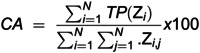 Figure 34
 Figure 35
 Figure 36
 Figure 37
 Figure 38
 Figure 39
 Figure 40
 Figure 41
 Figure 42
 Figure 43
 Figure 44
 Figure 45
 Figure 46
 Figure 47
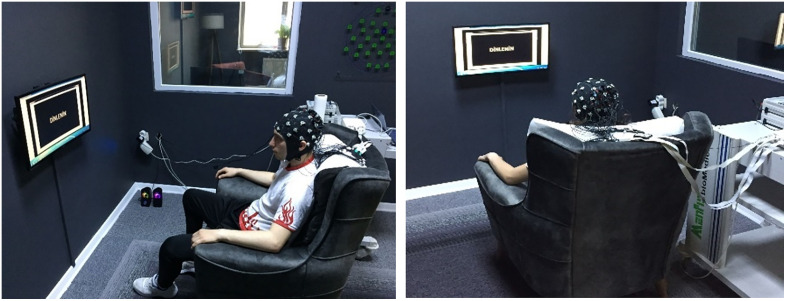 Figure 48
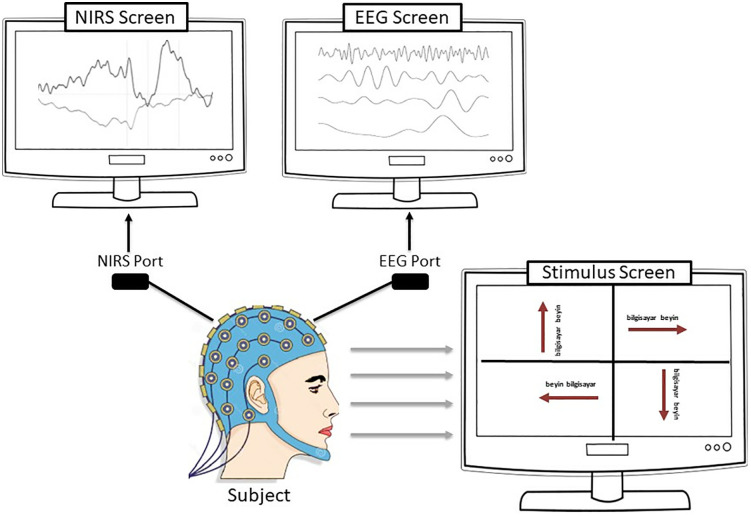 Figure 49
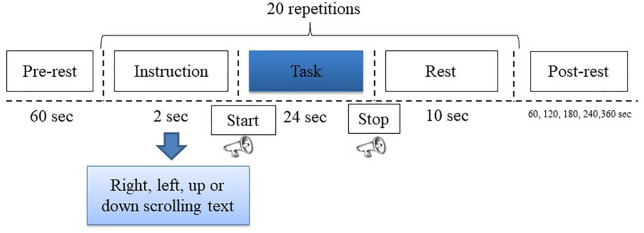 Figure 50
Peer Reviews
No public reviews on file for this paper yet. If you reviewed it on a platform where reviews are public (OpenReview, ICLR, NeurIPS, ICML), you can paste yours below so the community can read it here.
Videos
No videos yet. Explain this paper in a talk, walkthrough, or lecture? Add one.
Taxonomy
TopicsEEG and Brain-Computer Interfaces · Gaze Tracking and Assistive Technology · Optical Imaging and Spectroscopy Techniques