The limits of action control for deceptive actions in sports: Response inhibition for the basketball pump fake
Carolin Wickemeyer, Iris Güldenpenning, Matthias Weigelt, Emiliano Cè, Emiliano Cè, Emiliano Cè

TL;DR
This study explores how basketball players inhibit deceptive actions like pump fakes, finding that response inhibition improves with practice and strategic adjustments.
Contribution
The study introduces a basketball-specific anticipation-response inhibition task to analyze real-time inhibition performance in a quasi-realistic setting.
Findings
The point of no return for response inhibition was found to be 462 ms before ball release.
Participants improved response precision with short-term practice and adjusted movement strategies after stop-trials.
Response initiation becomes more likely as the deceptive action approaches the point of no return.
Abstract
Even NBA players fall for pump fakes in approximately 73% of the time and initiate erroneous blocking movements. To investigate the spatio-temporal and dynamic constraints of inhibition performance in basketball, the basketball-specific anticipation-response inhibition (ARI) task was applied in a quasi-realistic scenario. To this end, a video of a basketball jump shot was presented and participants were instructed to jump up and press a buzzer at the ceiling to “block” the shot (go-trials). In 25% of all trials, a simulation of a pump fake was presented, and participants should withhold their response (stop-trials). To measure response inhibition ability, the point of no return (PNR, signifying a response-inhibition rate of 50%) was calculated. The PNR was located 462 ms before the point of ball release. The response-precision performance improved from the first half of the experiment…
Genes, proteins, chemicals, diseases, species, mutations and cell lines named across the full text — each resolved to its canonical identifier and authoritative record.
Click any figure to enlarge with its caption.
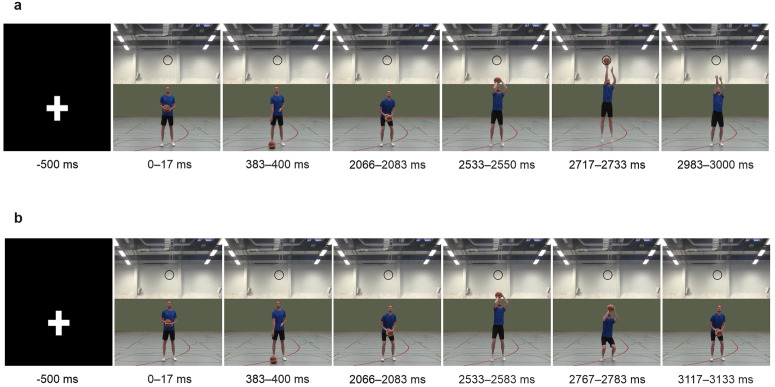 Figure 1
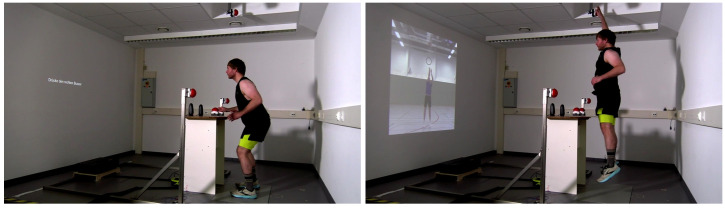 Figure 2
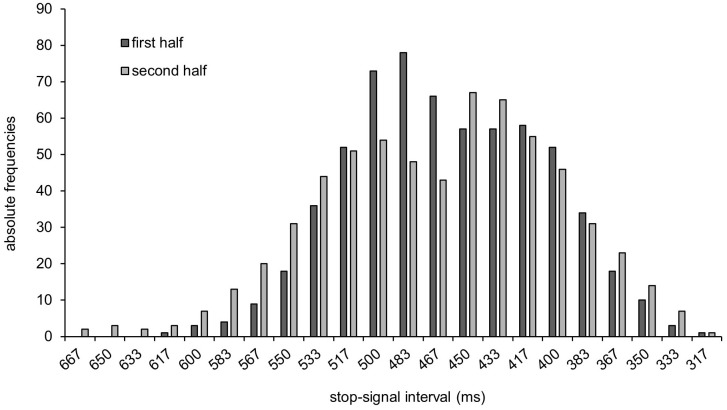 Figure 3
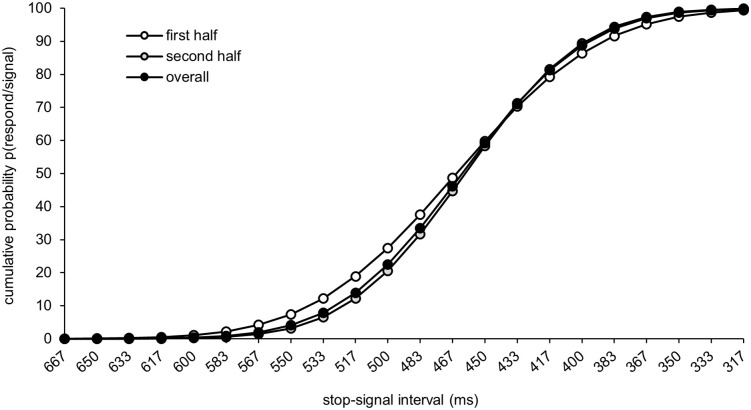 Figure 4
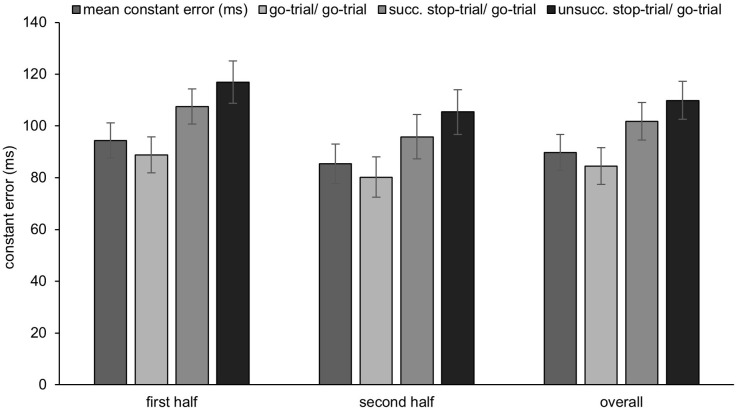 Figure 5
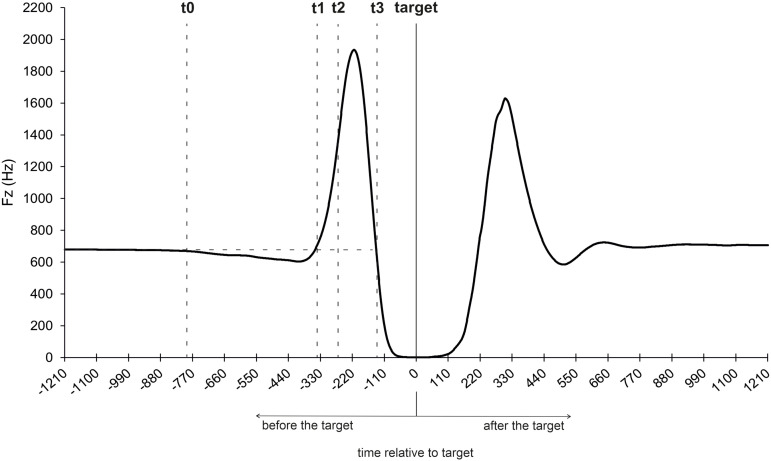 Figure 6
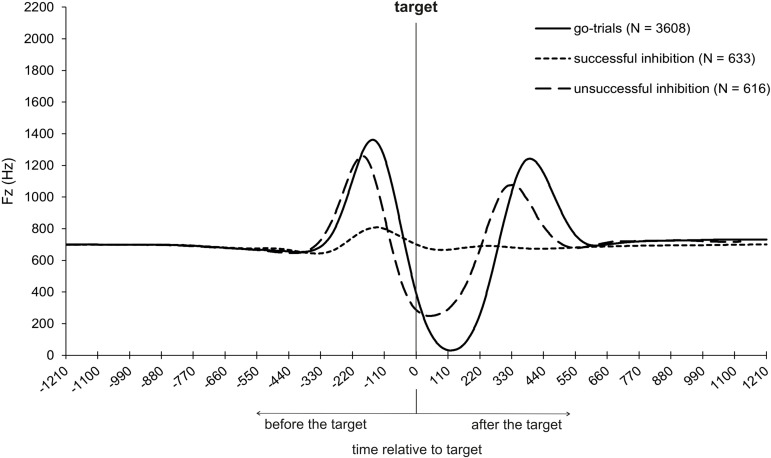 Figure 7
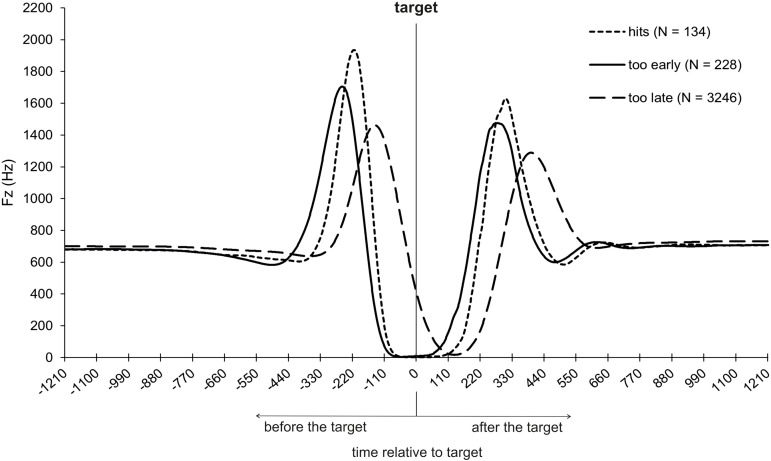 Figure 8
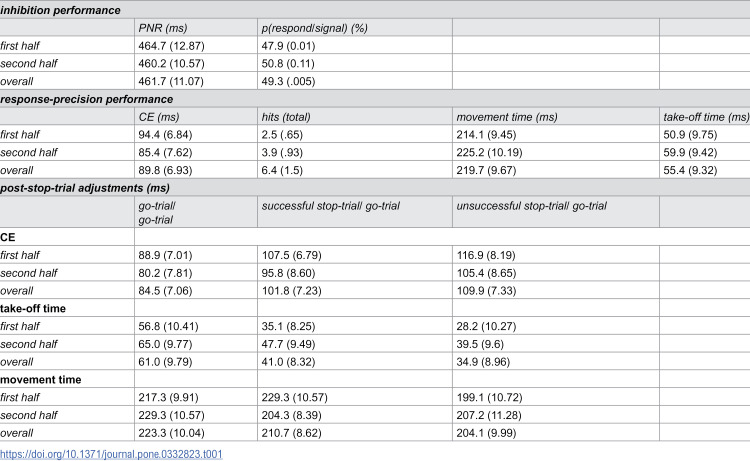 Figure 9
Peer Reviews
No public reviews on file for this paper yet. If you reviewed it on a platform where reviews are public (OpenReview, ICLR, NeurIPS, ICML), you can paste yours below so the community can read it here.
Videos
No videos yet. Explain this paper in a talk, walkthrough, or lecture? Add one.
Taxonomy
TopicsMotor Control and Adaptation · Sports Performance and Training · Action Observation and Synchronization