Synthesis of 3-(arylamino) quinazoline-2,4(1H,3H)-dione derivatives via TBHP/I2: Molecular docking, MD simulation, DFT, and pharmacological evaluation as MTH1 inhibitors
Moeid Goudarzi Karim, Morteza Mehrdad, Davood Gheidari, Nazanin Zahra Gheidari

TL;DR
This paper describes the synthesis and evaluation of new quinazoline derivatives as potential MTH1 inhibitors with promising pharmacological properties.
Contribution
The paper introduces a novel synthetic method and evaluates new quinazoline derivatives as MTH1 inhibitors using multiple computational and pharmacological approaches.
Findings
Compound 3d showed the strongest binding affinity to MTH1 with a docking score of −7.24 kcal/mol.
Molecular dynamics simulations identified key residues (Tyr7, Thr8, Lys23, Trp117) involved in compound 3d binding.
All compounds met pharmacological rules (Lipinski, Ghose, Veber, Egan) and showed no liver toxicity.
Abstract
A series of novel derivatives of 3-(arylamino) quinazoline-2,4(1H,3H)-dione were synthesized with moderate to good yields (20%−70%) using t-butyl hydroperoxide (TBHP) and iodine. Their efficacy against MutT homologue 1 (MTH1) was evaluated using in silico methods. Density functional theory (DFT) analysis, utilizing the B3LYP/6-311G (2df, p) basis set, indicated a promising reactivity profile for the synthesized compounds. The highest occupied molecular orbital (HOMO) regions associated with the phenylhydrazine group serve as sites for electron donation, functioning as electron-rich nucleophiles. Docking analysis with MTH1 enzymes revealed that all compounds exhibited docking scores ranging from −5.77 to −7.24, indicating favorable binding affinities. Among these, compound (3d), with an energy of −7.24 kcal/mol, demonstrated the strongest binding affinity. Importantly, the Generalized…
Genes, proteins, chemicals, diseases, species, mutations and cell lines named across the full text — each resolved to its canonical identifier and authoritative record.
Click any figure to enlarge with its caption.
 Figure 1
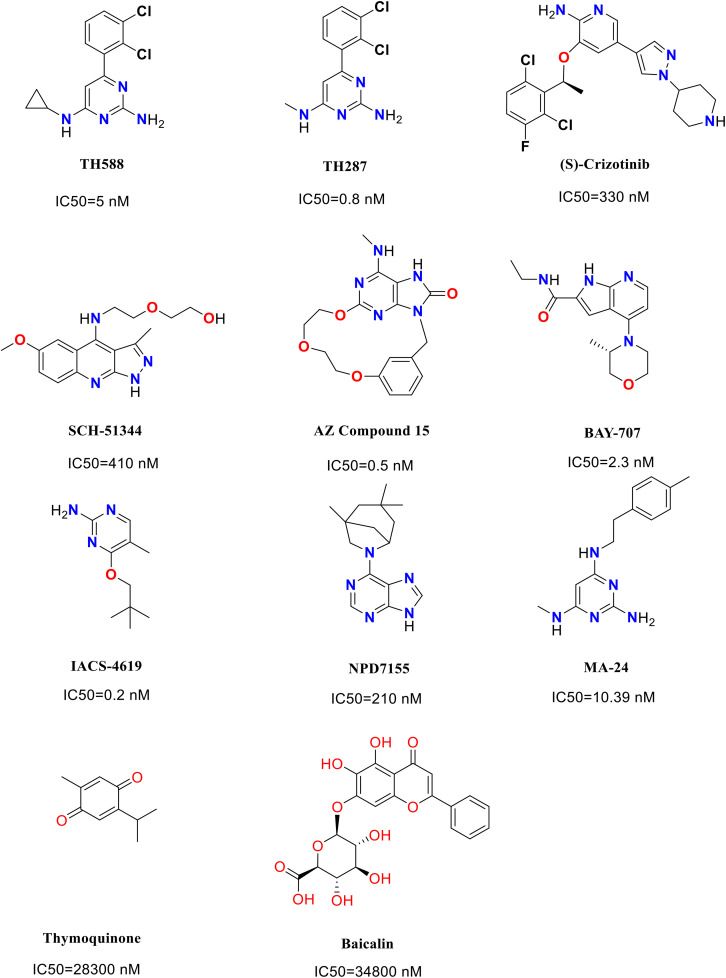 Figure 2
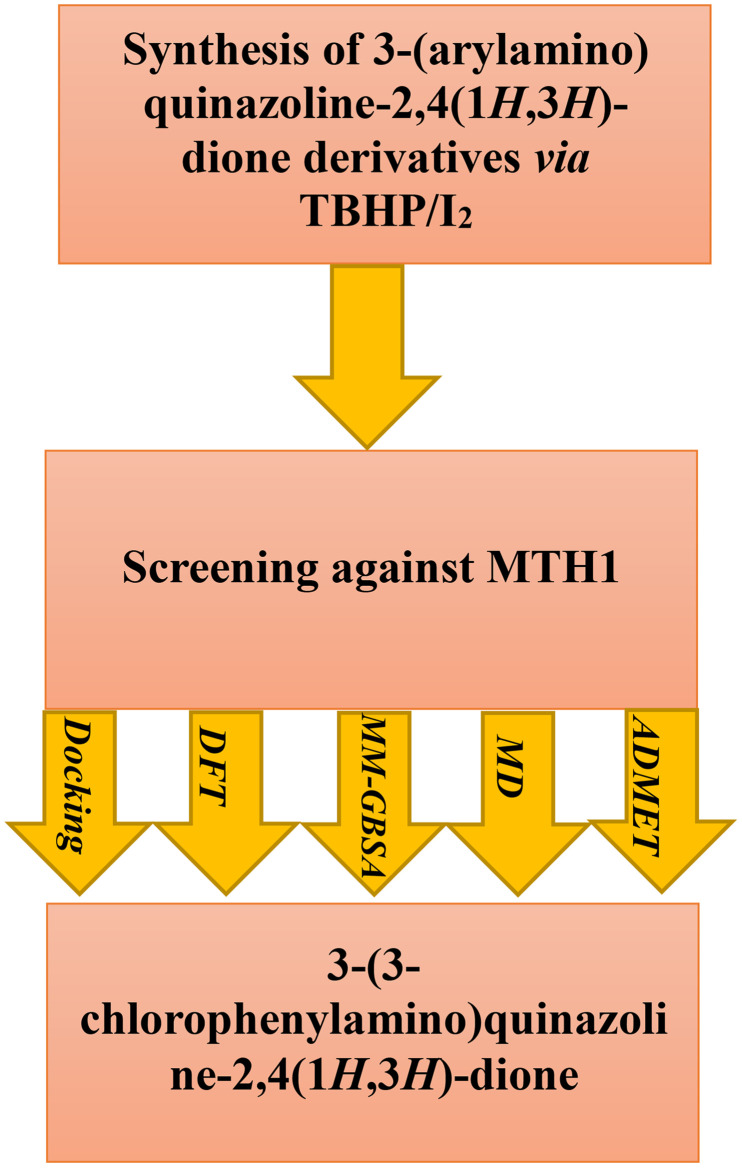 Figure 3
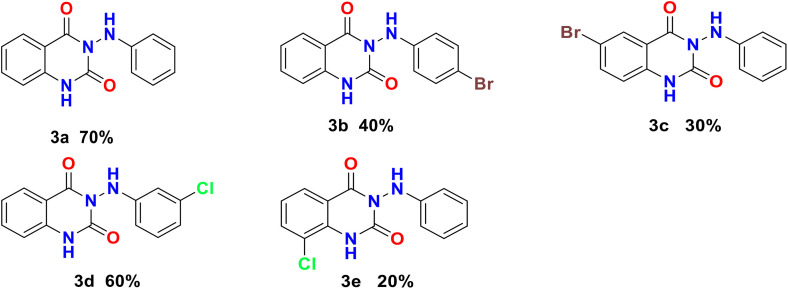 Figure 4
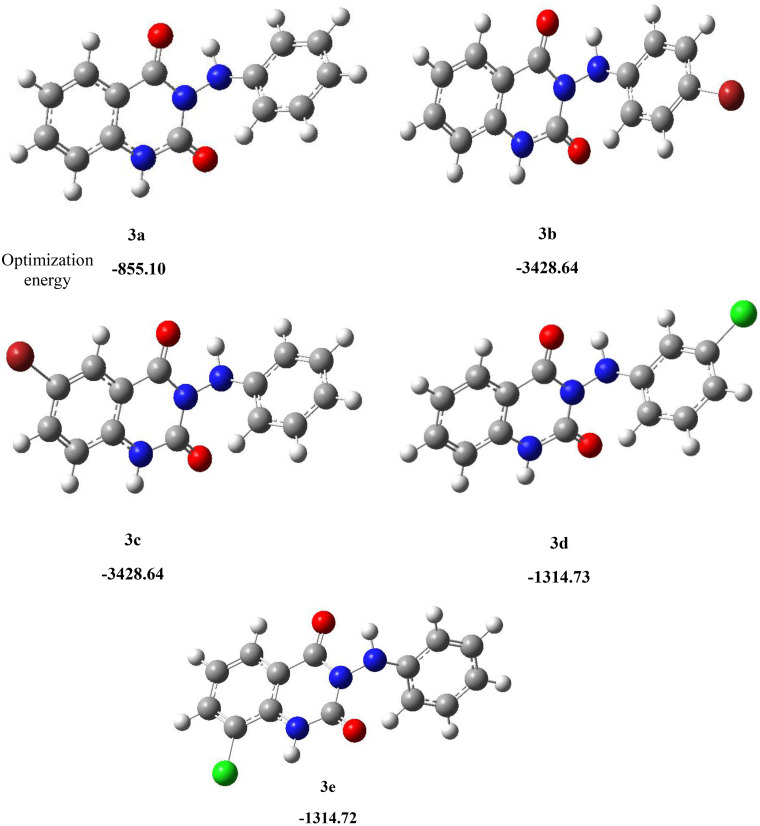 Figure 5
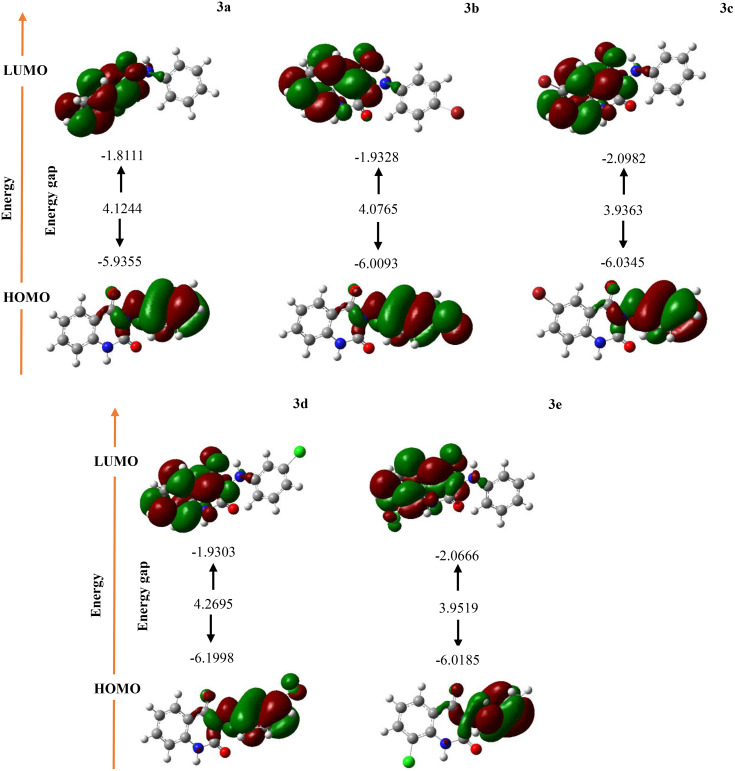 Figure 6
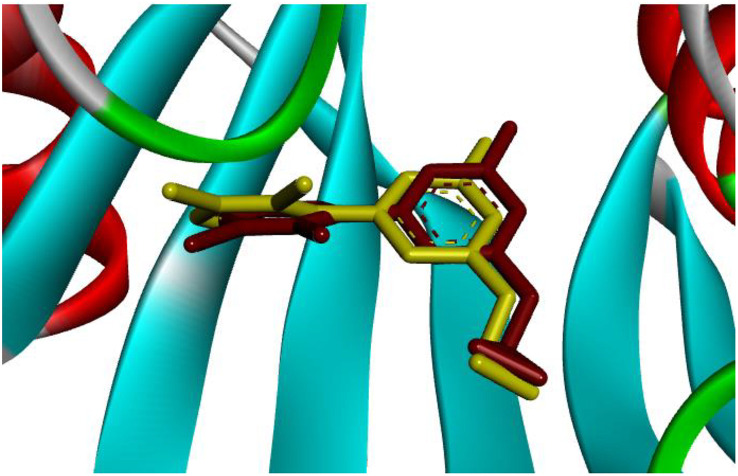 Figure 7
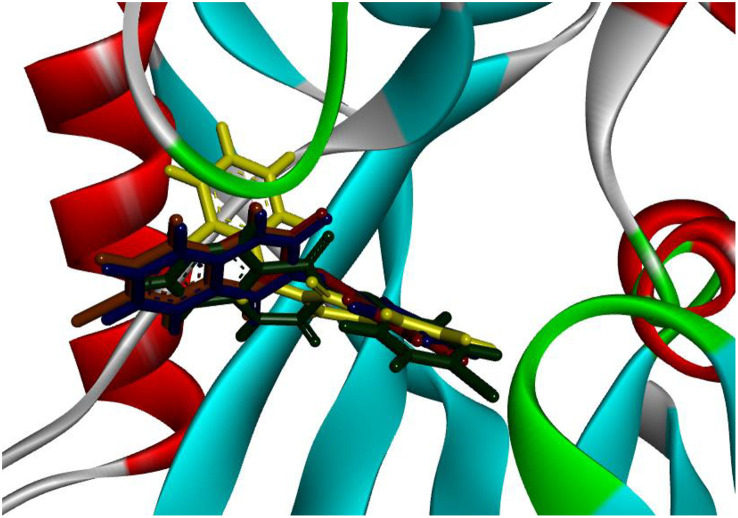 Figure 8
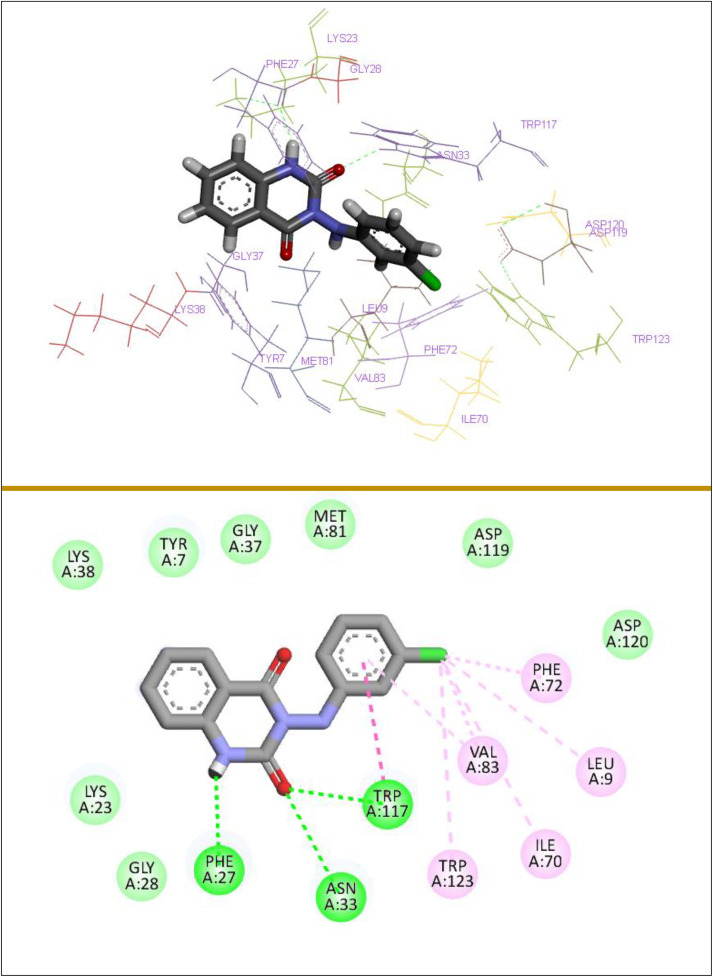 Figure 9
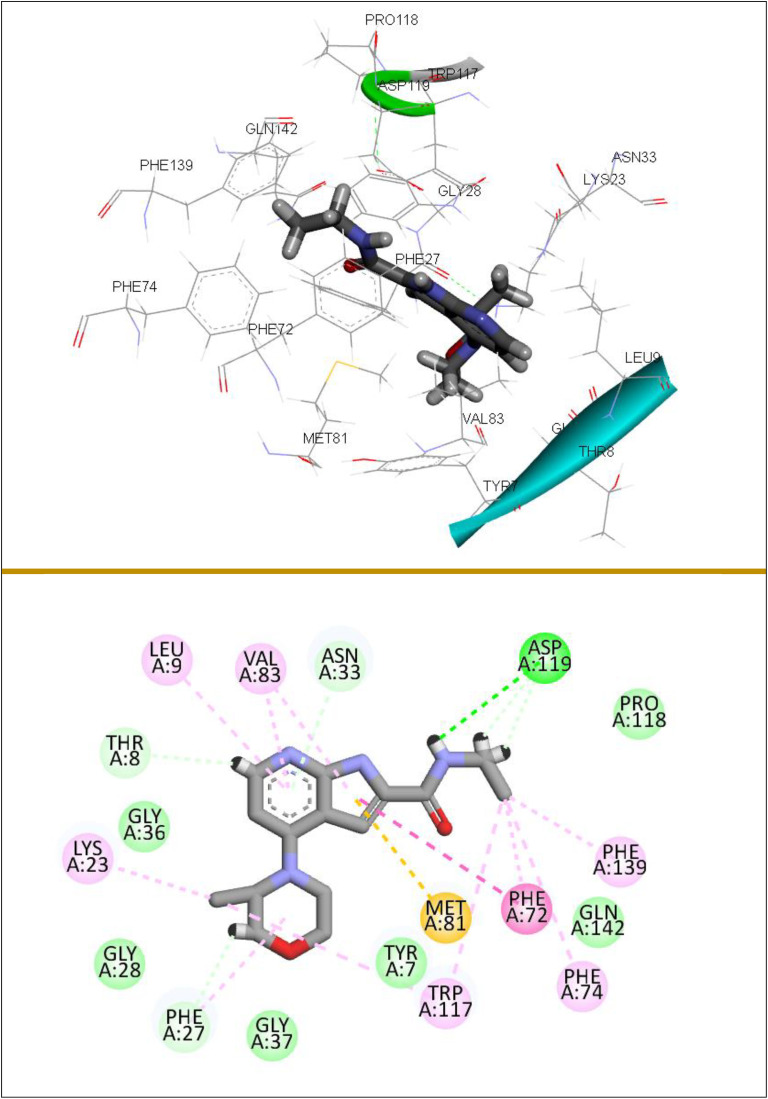 Figure 10
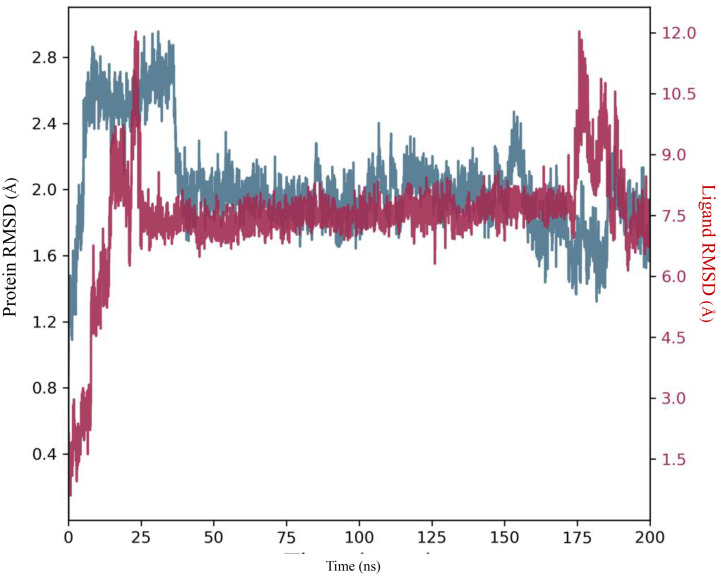 Figure 11
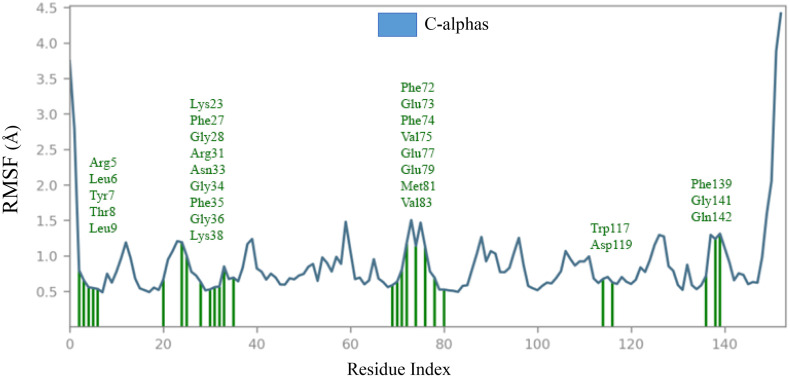 Figure 12
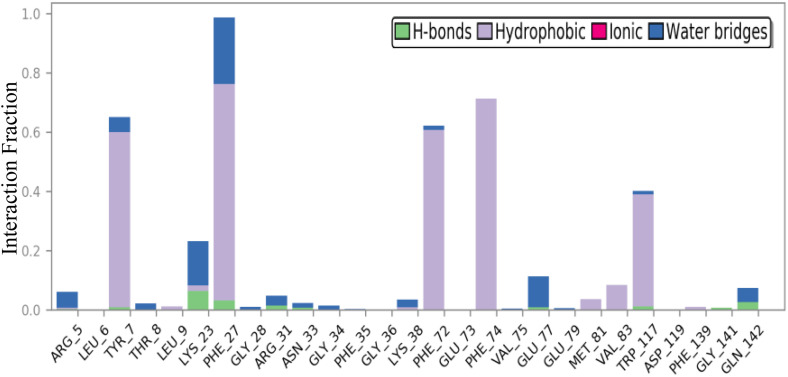 Figure 13
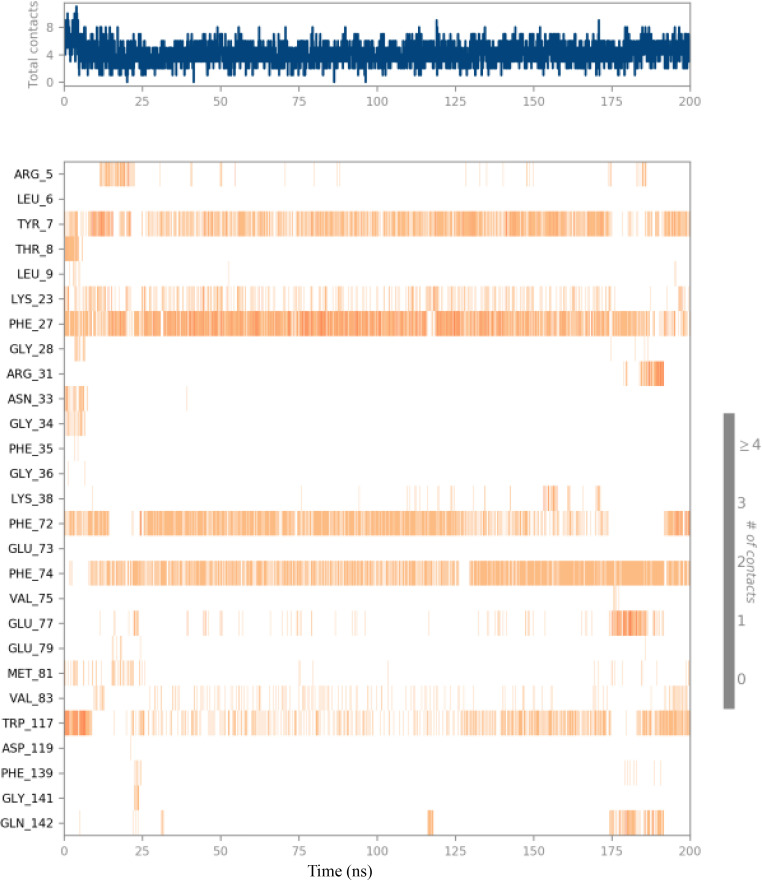 Figure 14
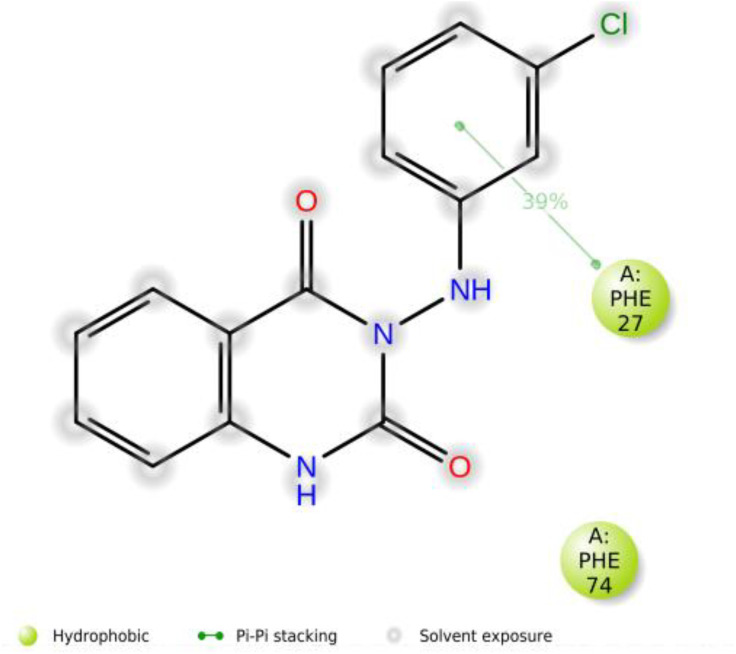 Figure 15
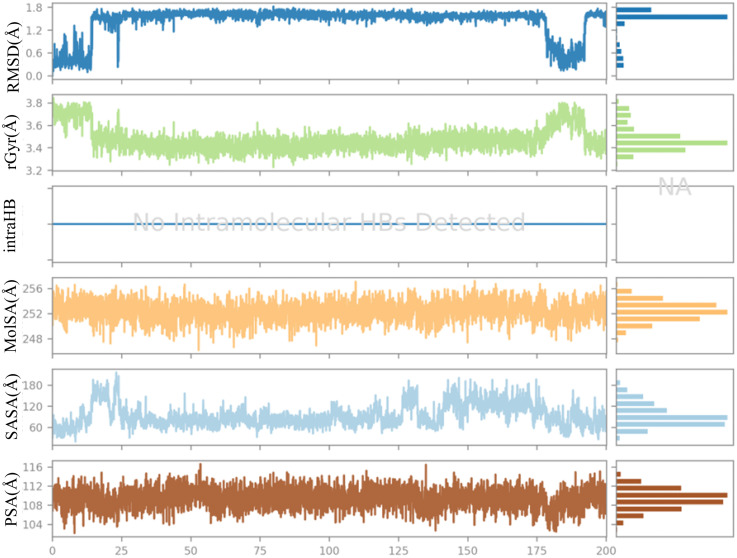 Figure 16
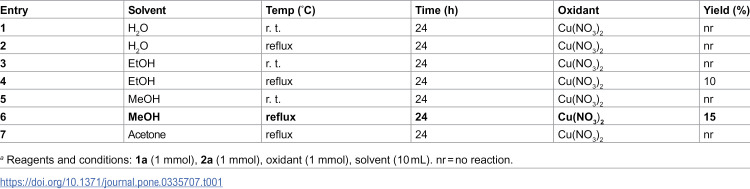 Figure 17
 Figure 18
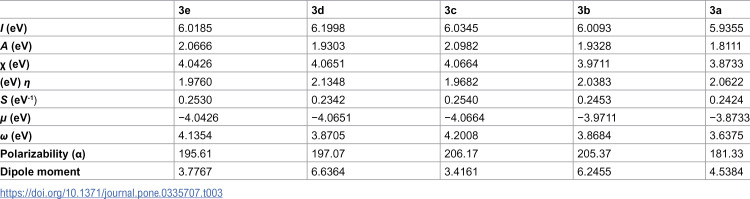 Figure 19
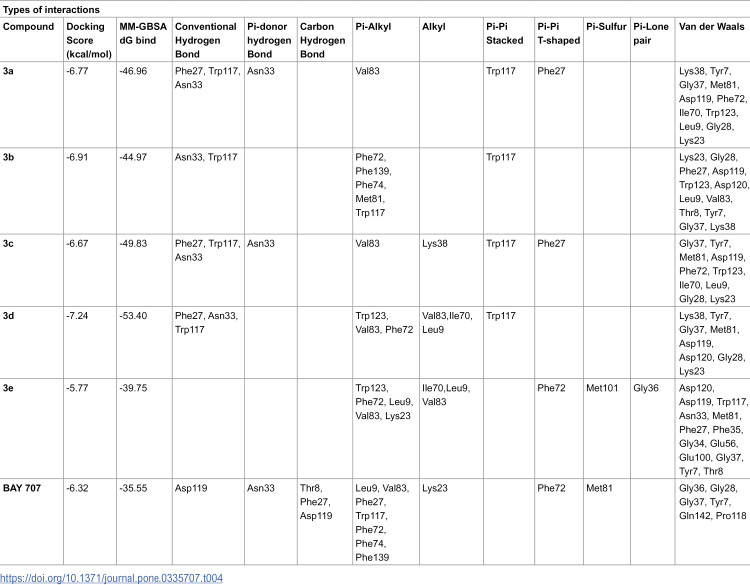 Figure 20
 Figure 21
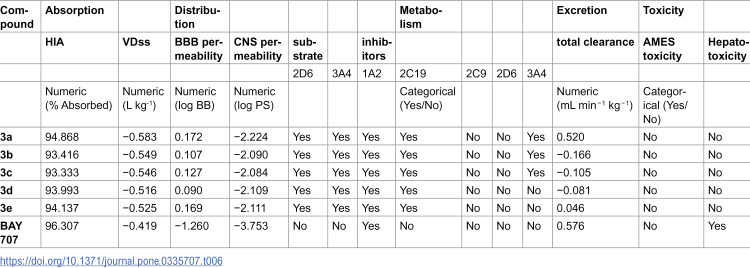 Figure 22
Peer Reviews
No public reviews on file for this paper yet. If you reviewed it on a platform where reviews are public (OpenReview, ICLR, NeurIPS, ICML), you can paste yours below so the community can read it here.
Videos
No videos yet. Explain this paper in a talk, walkthrough, or lecture? Add one.
Taxonomy
TopicsQuinazolinone synthesis and applications · Enzyme function and inhibition · Cancer therapeutics and mechanisms