Development and validation of a machine learning model for on-site prediction of coronary heart disease in high-risk adults using clinical data
Liwen Mo, Hua Lin, Chengxuan Li, Lifei Yu, Decheng Lu

TL;DR
A machine learning model is developed and validated to predict coronary heart disease risk using clinical data, offering a more accurate on-site diagnostic tool compared to existing methods.
Contribution
A two-layer machine learning model is developed and validated with real clinical data for on-site CHD prediction, showing improved accuracy over existing risk scores.
Findings
The two-layer machine learning model achieved higher accuracy (0.79) compared to pooled cohort equations (0.59) for CHD prediction.
Key predictors like age, diabetes, and hypertension were identified as important for CHD risk prediction.
A simplified model with 20 predictors achieved 0.73 accuracy, balancing practicality and performance.
Abstract
Risk of coronary heart disease (CHD) in a specific period of years can be assessed using scores calculated by models, such as pooled cohort equations (PCEs) and Framingham Risk Score. However, there are few studies on on-site estimation of CHD risk quantitatively with score calculation as auxiliary diagnosis. Nowadays, researchers introduce new technologies, such as machine learning, as effective CHD risk prediction models, but these models still need to be validated using real clinical data before promoting their use in real clinical settings. The aim of this study is to predict CHD risk for high-risk population only using clinical data consisting of vital traits, lab measurement, diagnosis, medical device testing and medications. The prediction model can serve as an on-site quantitative indicator for the CHD risk of potential patients before diagnosis using coronary arteriography.…
Genes, proteins, chemicals, diseases, species, mutations and cell lines named across the full text — each resolved to its canonical identifier and authoritative record.
Click any figure to enlarge with its caption.
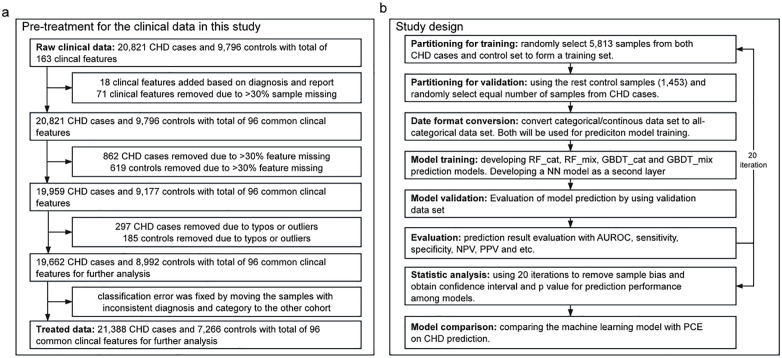 Figure 1
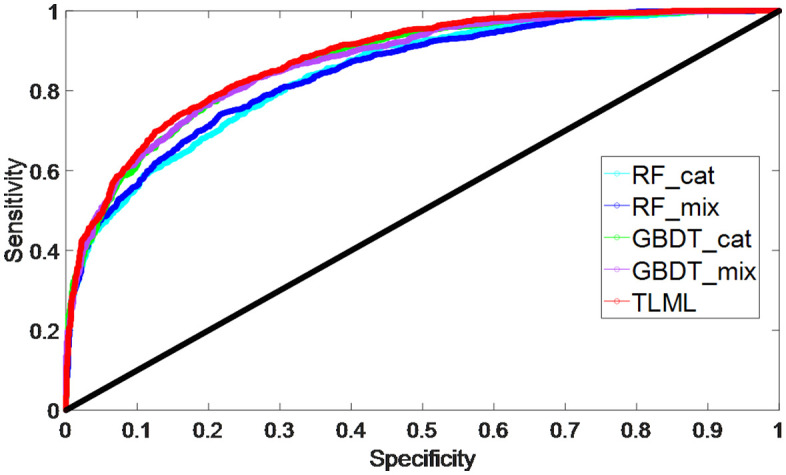 Figure 2
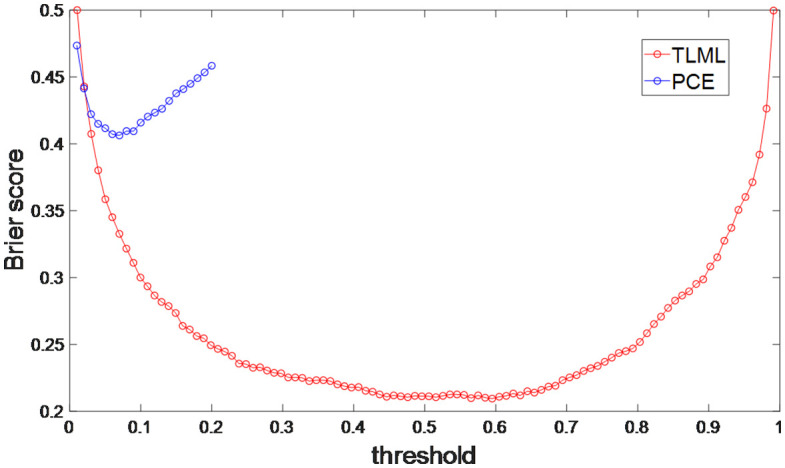 Figure 3
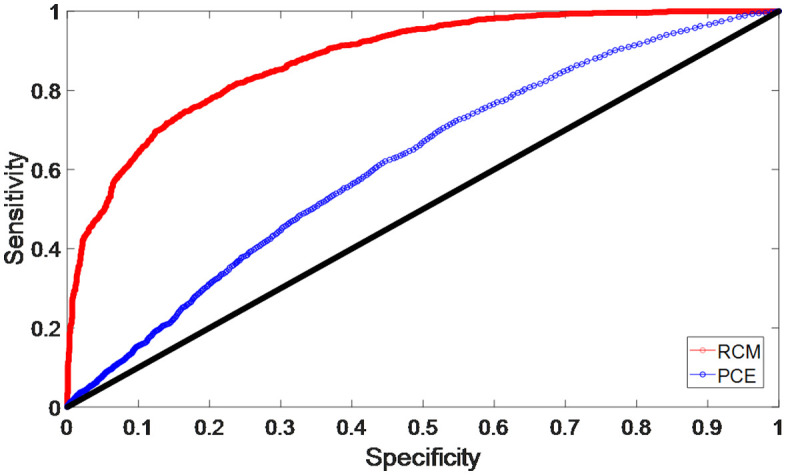 Figure 4
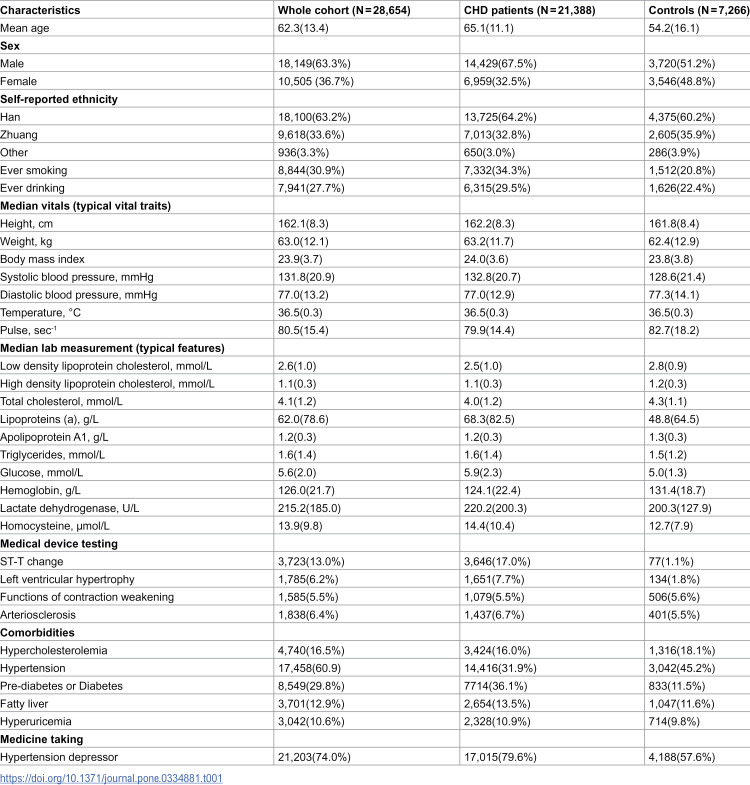 Figure 5
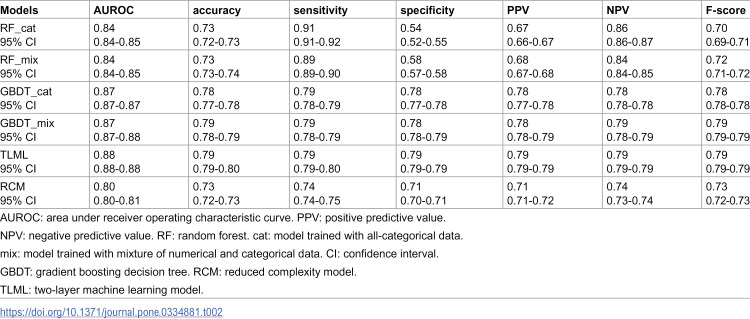 Figure 6
Peer Reviews
No public reviews on file for this paper yet. If you reviewed it on a platform where reviews are public (OpenReview, ICLR, NeurIPS, ICML), you can paste yours below so the community can read it here.
Videos
No videos yet. Explain this paper in a talk, walkthrough, or lecture? Add one.
Taxonomy
TopicsArtificial Intelligence in Healthcare · Cardiac Imaging and Diagnostics · Cardiovascular Function and Risk Factors