Unveiling of phosphodiesterase-5 hot residues binding to xanthine derivatives for erectile dysfunction therapy: A computational drug repurposing approach
Amin O. Elzupir, Sondos A. J. Almahmoud

TL;DR
This study explores xanthine derivatives as safer alternatives to existing drugs for treating erectile dysfunction by targeting phosphodiesterase-5.
Contribution
The study introduces a computational drug repurposing approach to identify xanthine derivatives as potential PDE-5 inhibitors with improved safety profiles.
Findings
Linagliptin showed better stability in the PDE-5 binding pocket compared to sildenafil.
Linagliptin's binding free energy was comparable to sildenafil's, suggesting similar efficacy.
Key residues and hydrogen bond interactions were identified to guide future drug development.
Abstract
Overexpression of phosphodiesterase 5 (PDE-5) presents a compelling target for the therapy of erectile dysfunction. Sildenafil and other conventional PDE-5 inhibitors may lead to adverse effects, including visual disturbances and migraines. Therefore, the investigation of novel inhibitors with enhanced safety profiles is imperative. This research employed a computational drug repurposing approach to assess US-FDA-approved xanthine derivatives (XDs) for their efficacy in targeting PDE-5. XDs exhibit a favorable affinity for the active site of the PDE-5 receptor, with binding scores between −10.0 kcal/mol and −6.3 kcal/mol for linagliptin and theobromine, respectively. The top-ranked docked Xds then underwent 300-nanosecond molecular dynamics simulations. Linagliptin demonstrated greater stability in the binding pocket (RMSD = 1.60 ± 0.34) compared to the typical inhibitor sildenafil…
Genes, proteins, chemicals, diseases, species, mutations and cell lines named across the full text — each resolved to its canonical identifier and authoritative record.
Click any figure to enlarge with its caption.
 Figure 1
 Figure 2
 Figure 3
 Figure 4
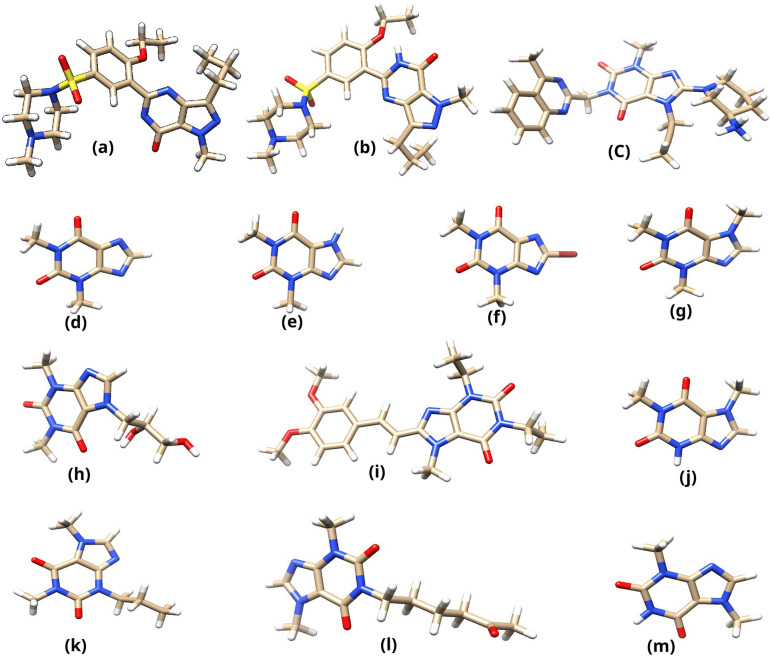 Figure 5
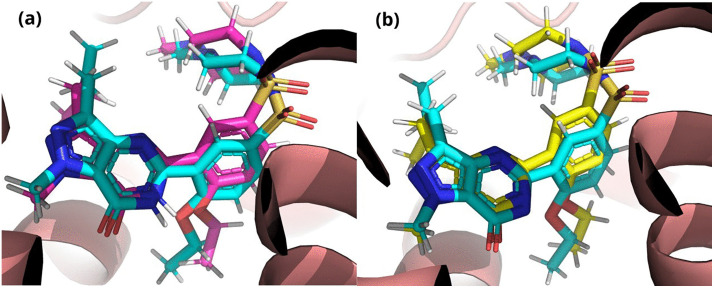 Figure 6
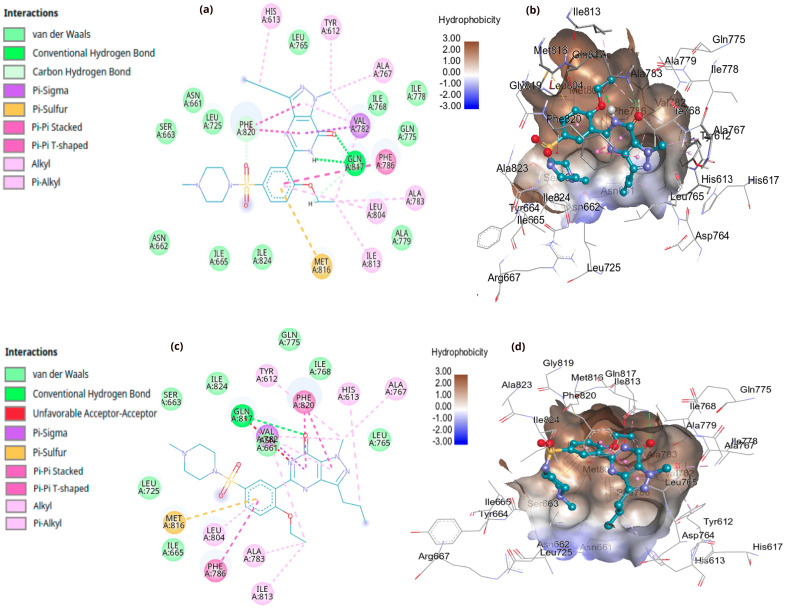 Figure 7
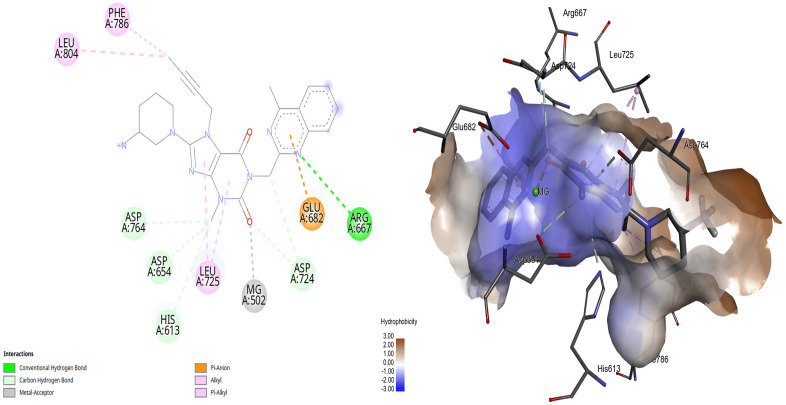 Figure 8
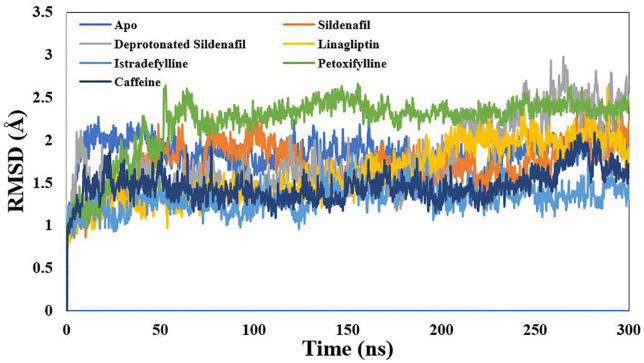 Figure 9
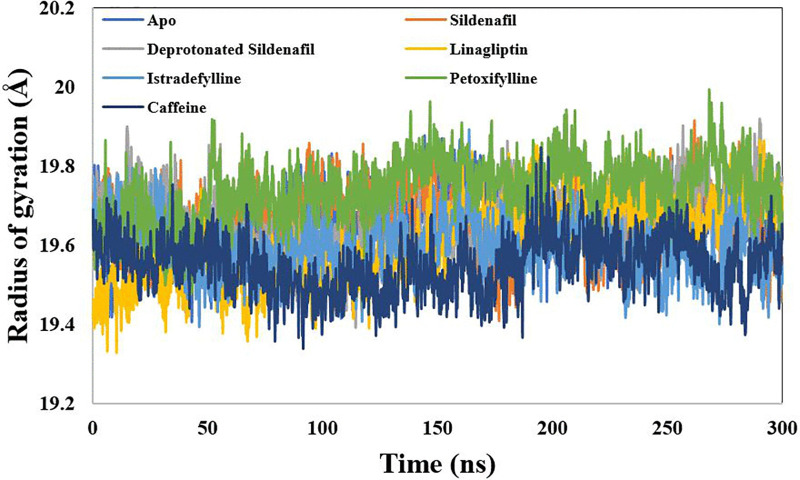 Figure 10
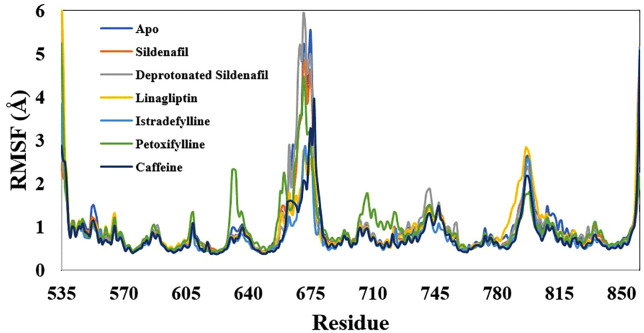 Figure 11
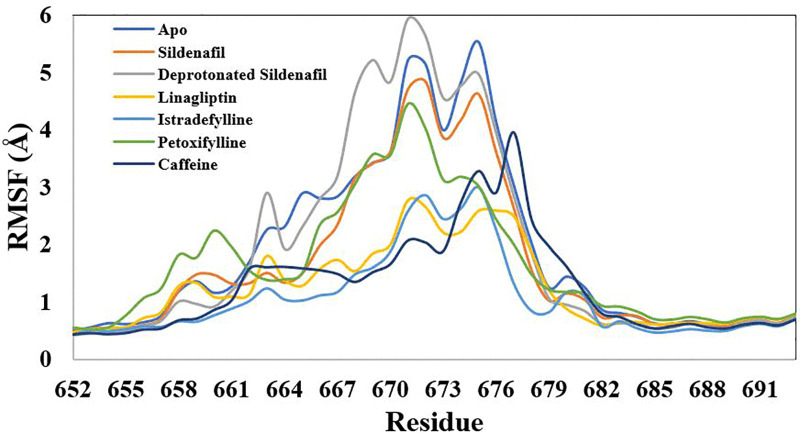 Figure 12
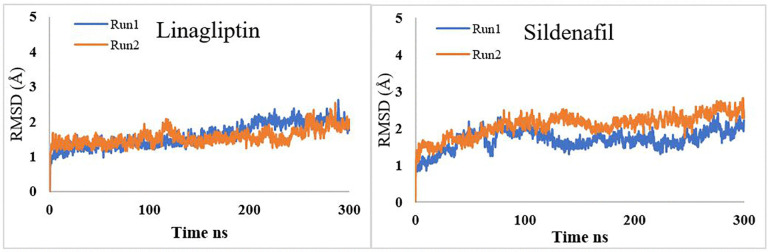 Figure 13
 Figure 14
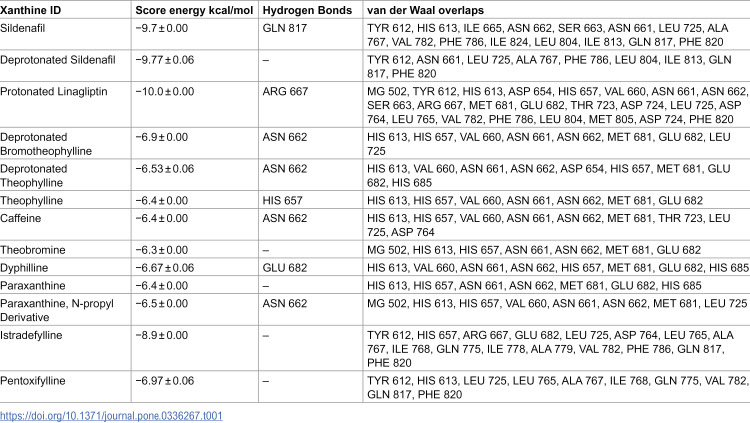 Figure 15
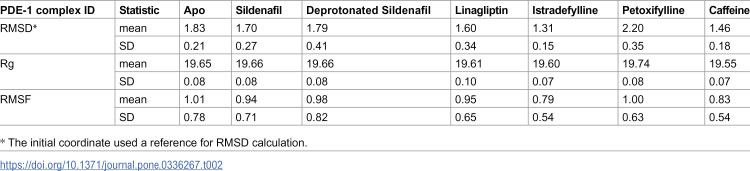 Figure 16
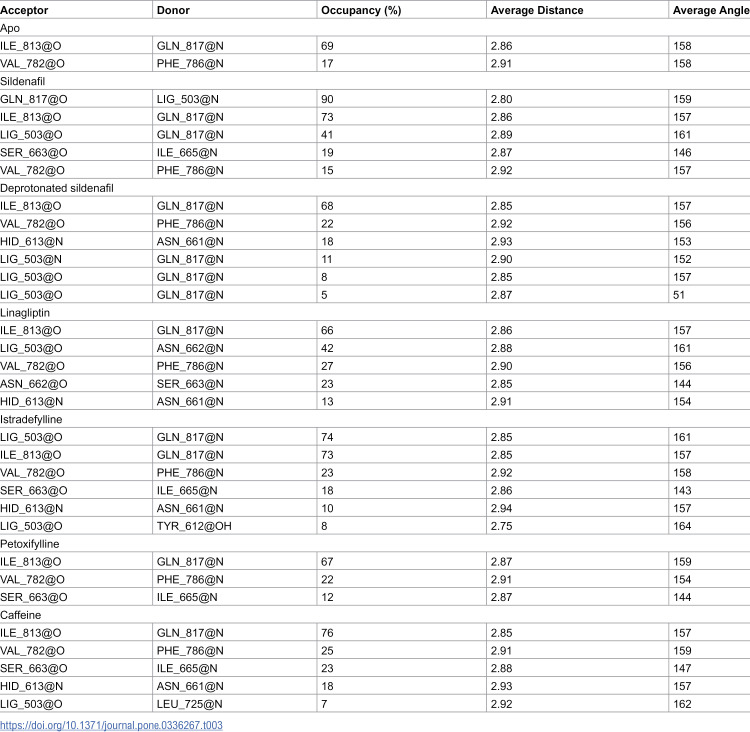 Figure 17
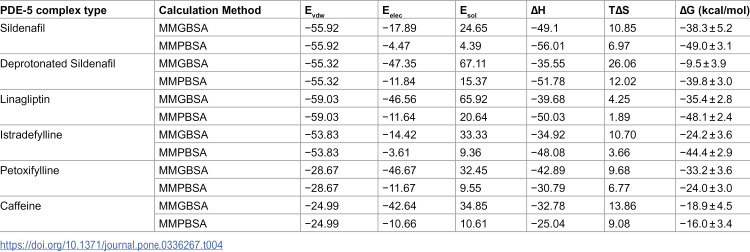 Figure 18
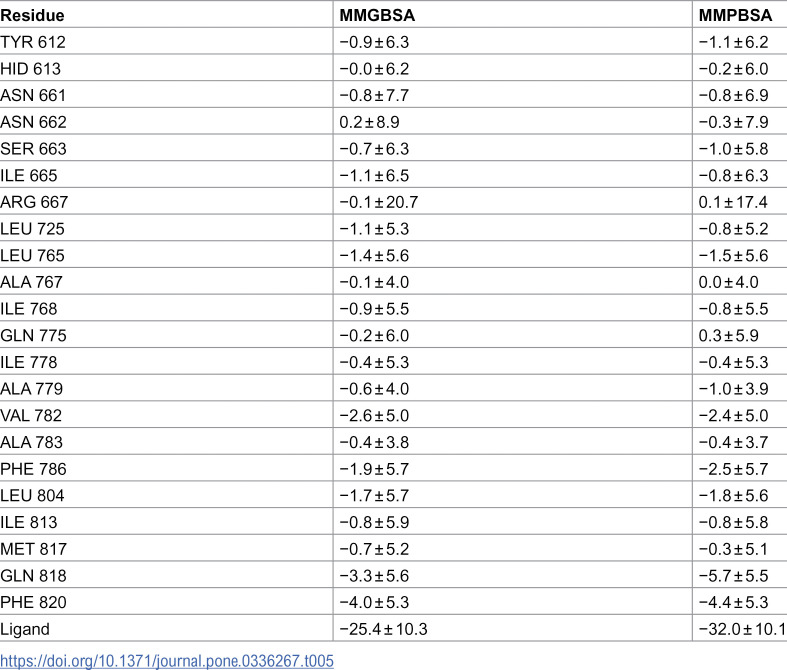 Figure 19
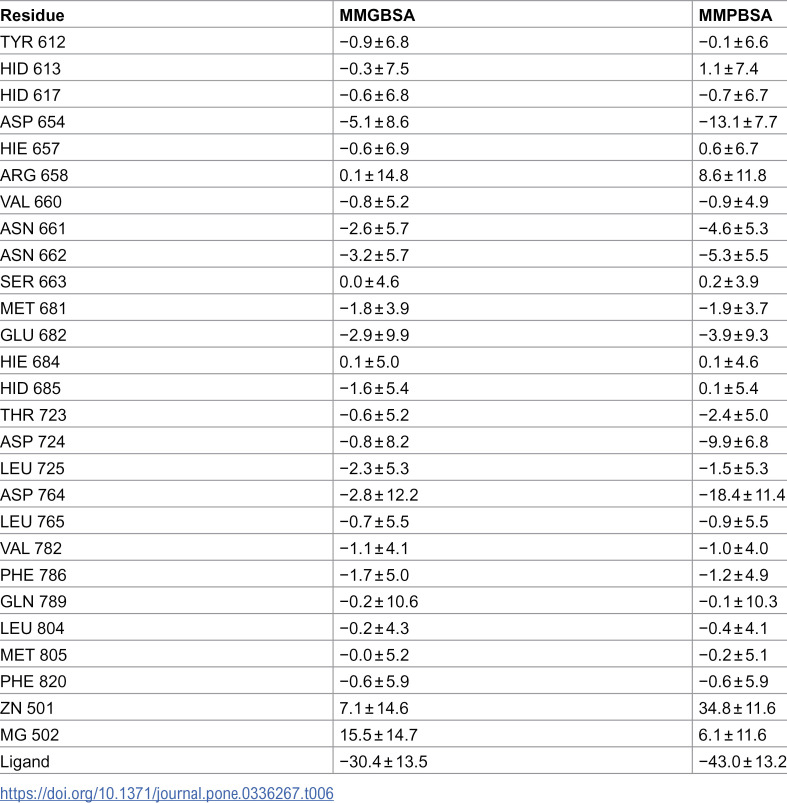 Figure 20
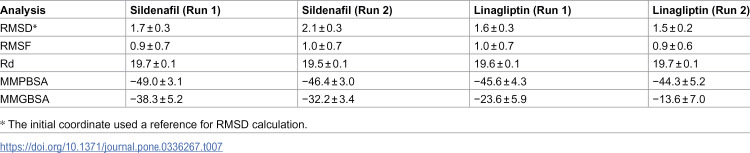 Figure 21
Peer Reviews
No public reviews on file for this paper yet. If you reviewed it on a platform where reviews are public (OpenReview, ICLR, NeurIPS, ICML), you can paste yours below so the community can read it here.
Videos
No videos yet. Explain this paper in a talk, walkthrough, or lecture? Add one.
Taxonomy
TopicsPhosphodiesterase function and regulation · Pharmaceutical Quality and Counterfeiting · Sexual function and dysfunction studies