Adults show selective responses to unreliability based on the strength of counterevidence
Kirsten H. Blakey, Giacomo Melis, Zsófia Virányi, Eva Rafetseder

TL;DR
Adults selectively respond to unreliable informants when given strong evidence about their unreliability.
Contribution
The study reveals how the strength of counterevidence affects adults' ability to infer and respond to unreliable informants.
Findings
Participants followed the reliable informant more than the unreliable one, especially with strong feedback.
Strong feedback led to quicker recognition of unreliability after just a few misleading trials.
Only participants with strong feedback consistently preferred the reliable informant in later trials.
Abstract
Adults can reflectively revise their beliefs and selectively respond to unreliable informants, despite often forming and revising beliefs unreflectively without assessing their reasons. This study investigates how the strength of counterevidence coming from an informant affects adults’ ability to infer that the informant is unreliable through acquiring and responding to undermining defeaters (i.e., evidence suggesting that something was wrong with how the belief was formed). Participants (N = 120) watched videos of two informants acting on two locations: one whose actions reliably indicated the reward location, and one whose actions did not. The strength of feedback participants received after making a choice was manipulated across two conditions. In the Strong feedback condition, participants received positive feedback when they found the reward and explicit negative feedback when they…
Genes, proteins, chemicals, diseases, species, mutations and cell lines named across the full text — each resolved to its canonical identifier and authoritative record.
Click any figure to enlarge with its caption.
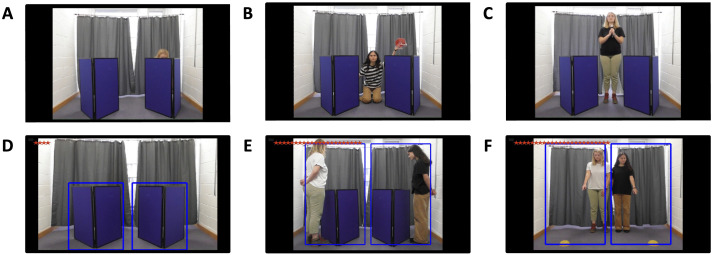 Figure 1
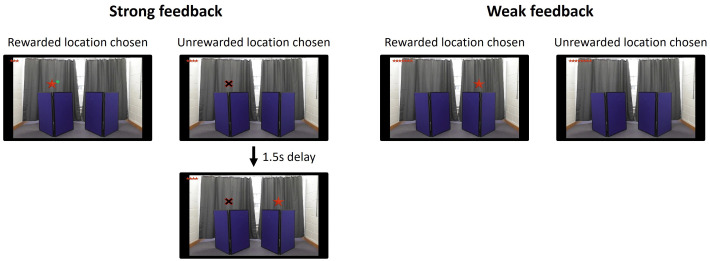 Figure 2
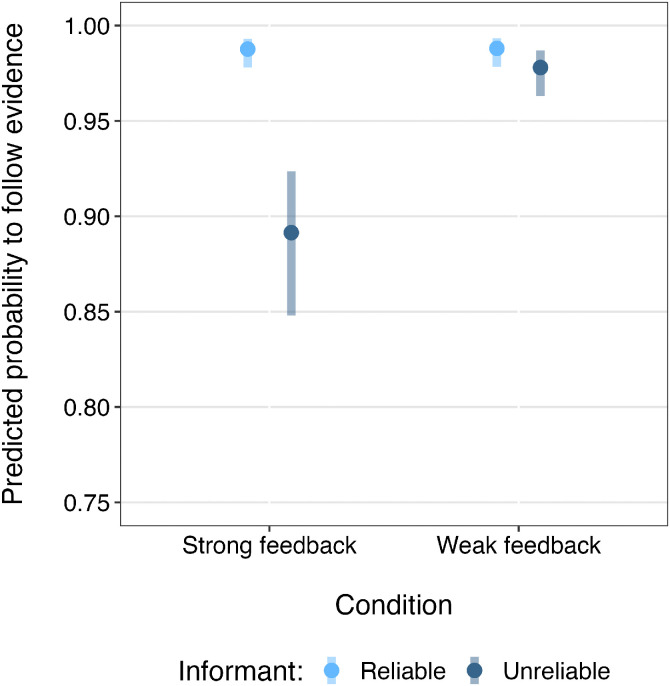 Figure 3
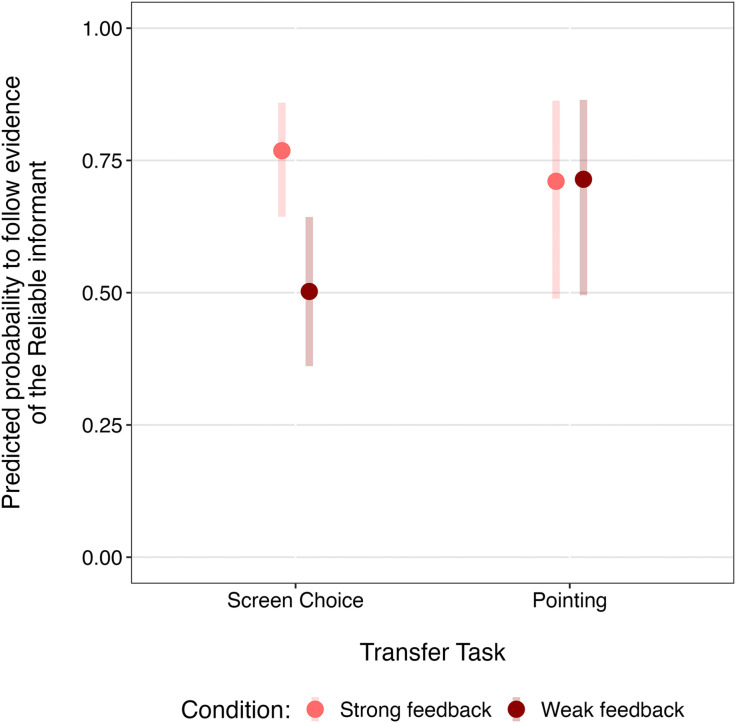 Figure 4
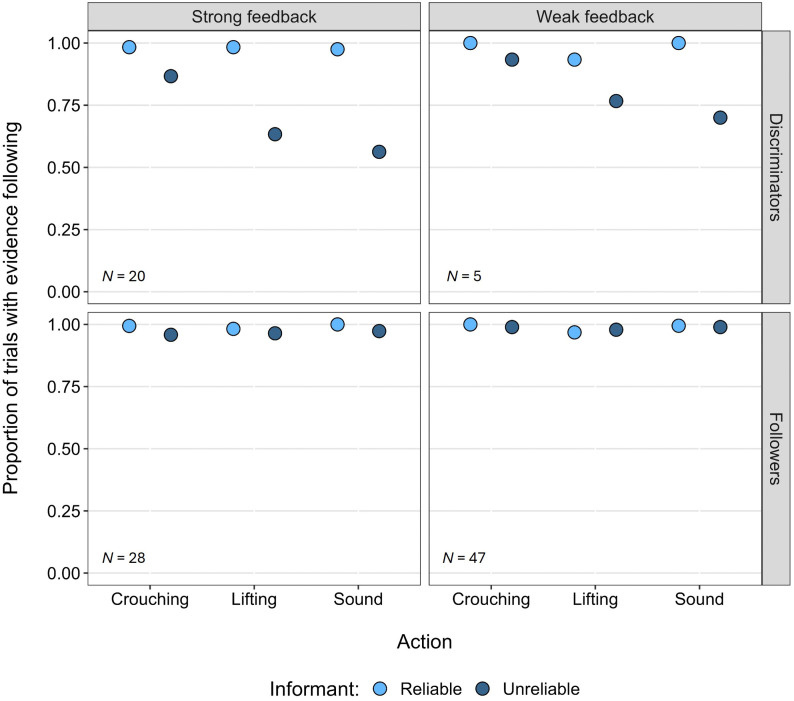 Figure 5
Peer Reviews
No public reviews on file for this paper yet. If you reviewed it on a platform where reviews are public (OpenReview, ICLR, NeurIPS, ICML), you can paste yours below so the community can read it here.
Videos
No videos yet. Explain this paper in a talk, walkthrough, or lecture? Add one.
Taxonomy
TopicsChild and Animal Learning Development · Neural and Behavioral Psychology Studies · Decision-Making and Behavioral Economics