Deciphering oxidative stress contributions in vestibular schwannoma: A bioinformatics approach to novel therapeutic pathways
Yubin Xue, Mingyue Wang, Hongwei Ma, Xiaosheng Tan, Xiaosheng Tan, Xiaosheng Tan, Xiaosheng Tan

TL;DR
This study explores how oxidative stress contributes to vestibular schwannoma using bioinformatics to identify key genes and immune responses involved in tumor progression.
Contribution
The study identifies novel oxidative stress-related genes and immune infiltration patterns in vestibular schwannoma using transcriptomic data.
Findings
Fifteen oxidative stress-related differentially expressed genes were identified in vestibular schwannoma.
Nine hub genes were found to be involved in apoptosis and immune-related pathways.
Immune infiltration analysis showed differences in CD8+ T cells and macrophages in VS tissues.
Abstract
Vestibular schwannoma (VS) is a benign tumor originating from Schwann cells, and its molecular pathogenesis remains poorly understood. Increasing evidence suggests oxidative stress (OS) plays a critical role in tumor development, but its involvement in VS is largely unexplored. We analyzed two GEO transcriptomic datasets (GSE54934 and GSE56597) to identify oxidative stress-related differentially expressed genes (OSRDEGs). Functional enrichment, protein–protein interaction (PPI) network construction, hub gene identification, and immune infiltration analyses were performed to uncover potential molecular mechanisms. Fifteen OSRDEGs were identified, and nine hub genes (IL6, CYBB, CAV1, EGFR, SELE, IL18, CDKN2A, ADIPOQ, CDH2) were screened. Enrichment analysis indicated that these genes are mainly involved in apoptosis, reactive oxygen species regulation, and immune-related pathways.…
Genes, proteins, chemicals, diseases, species, mutations and cell lines named across the full text — each resolved to its canonical identifier and authoritative record.
Click any figure to enlarge with its caption.
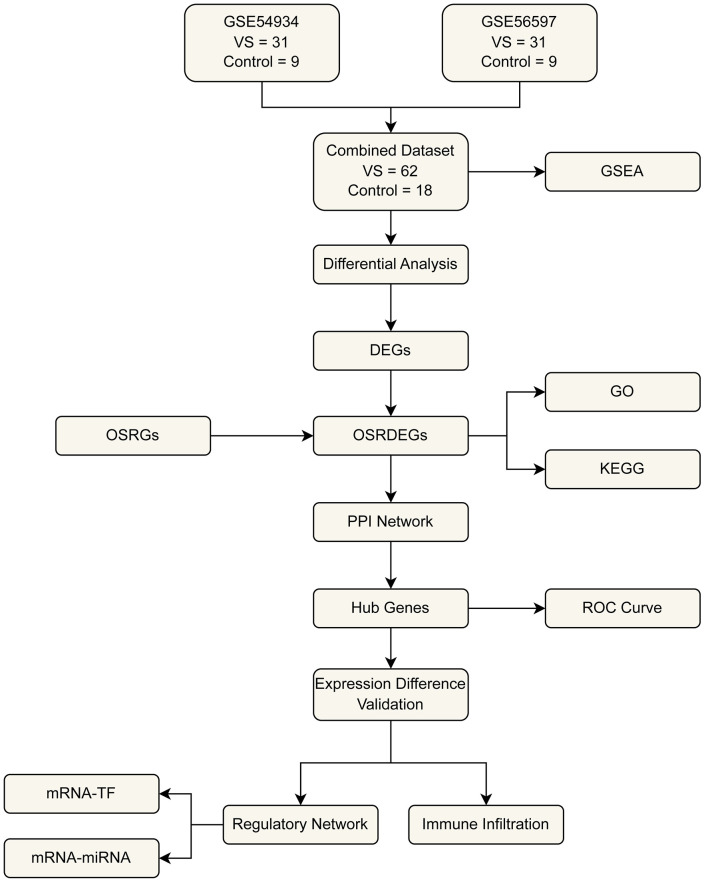 Figure 1
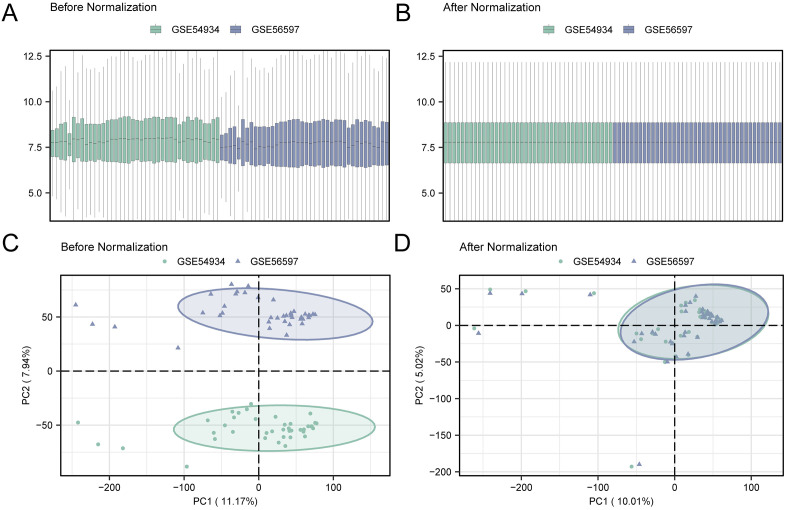 Figure 2
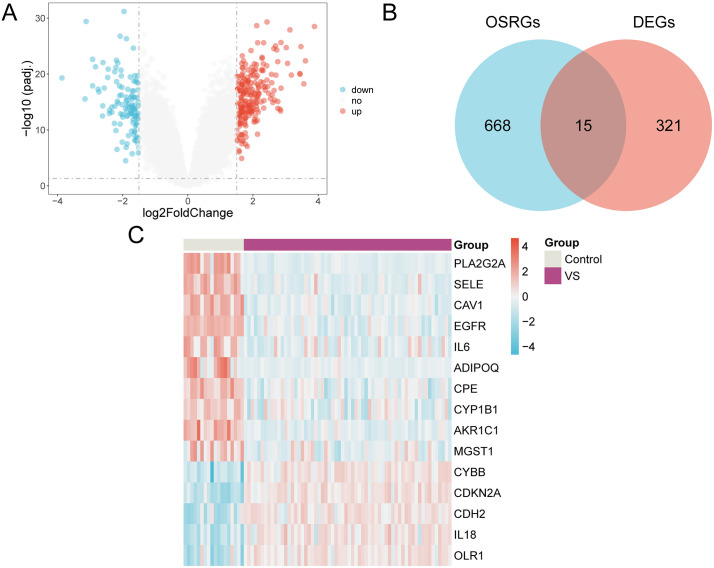 Figure 3
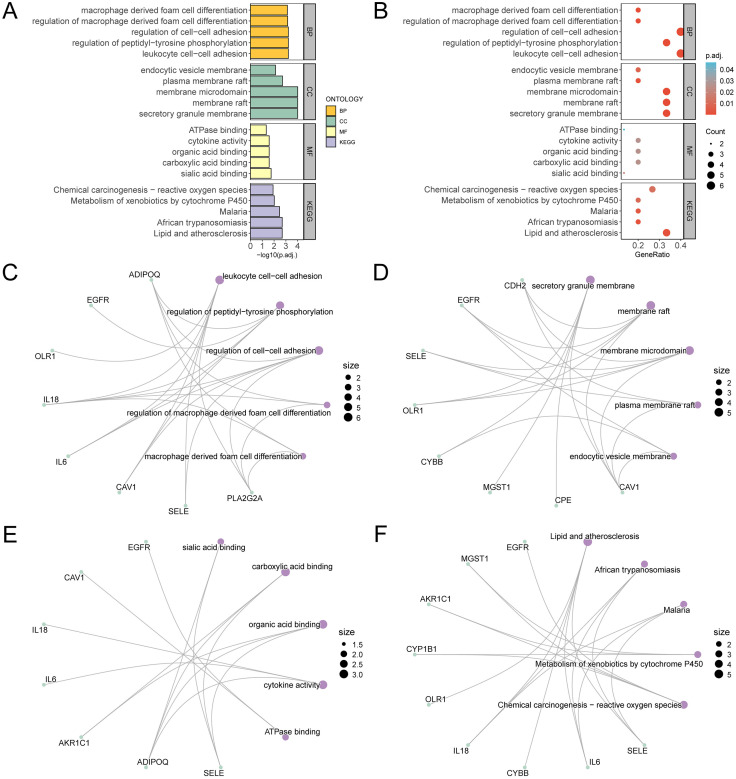 Figure 4
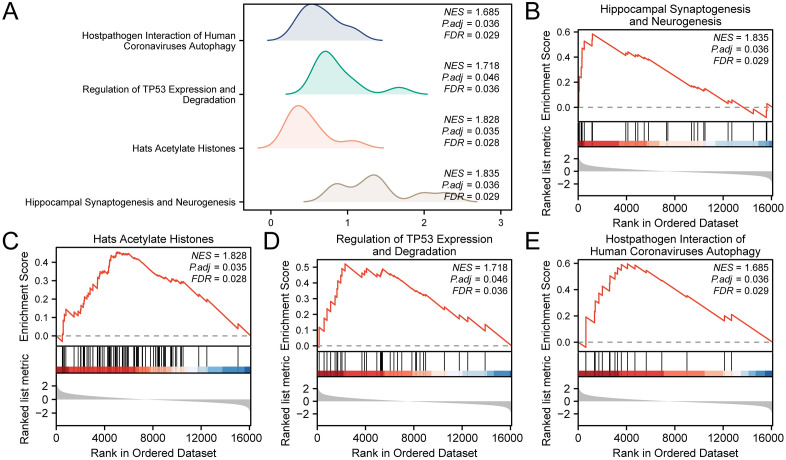 Figure 5
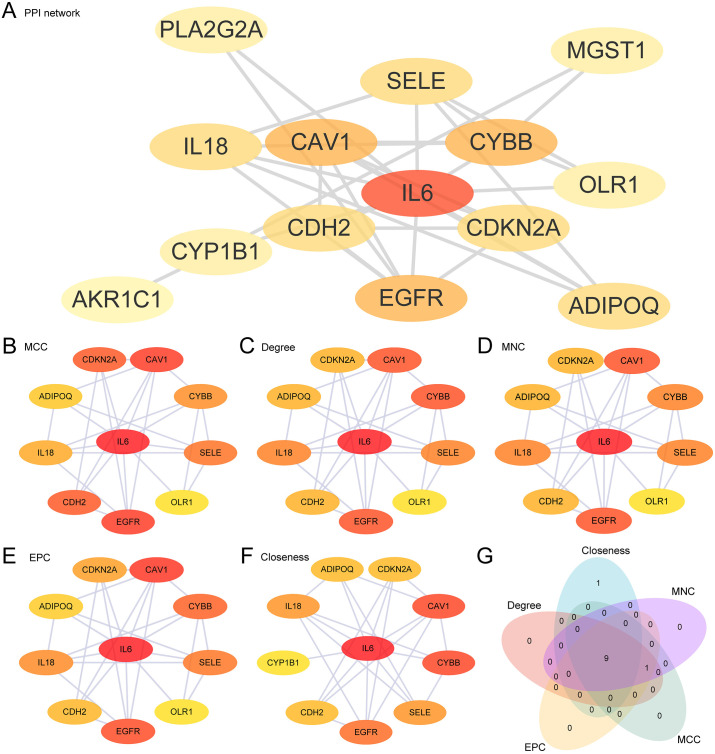 Figure 6
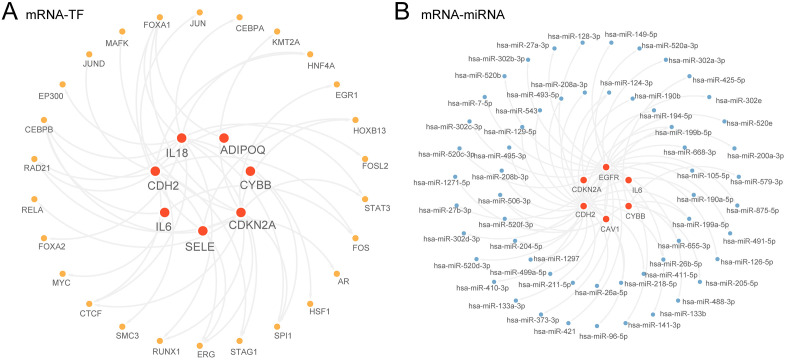 Figure 7
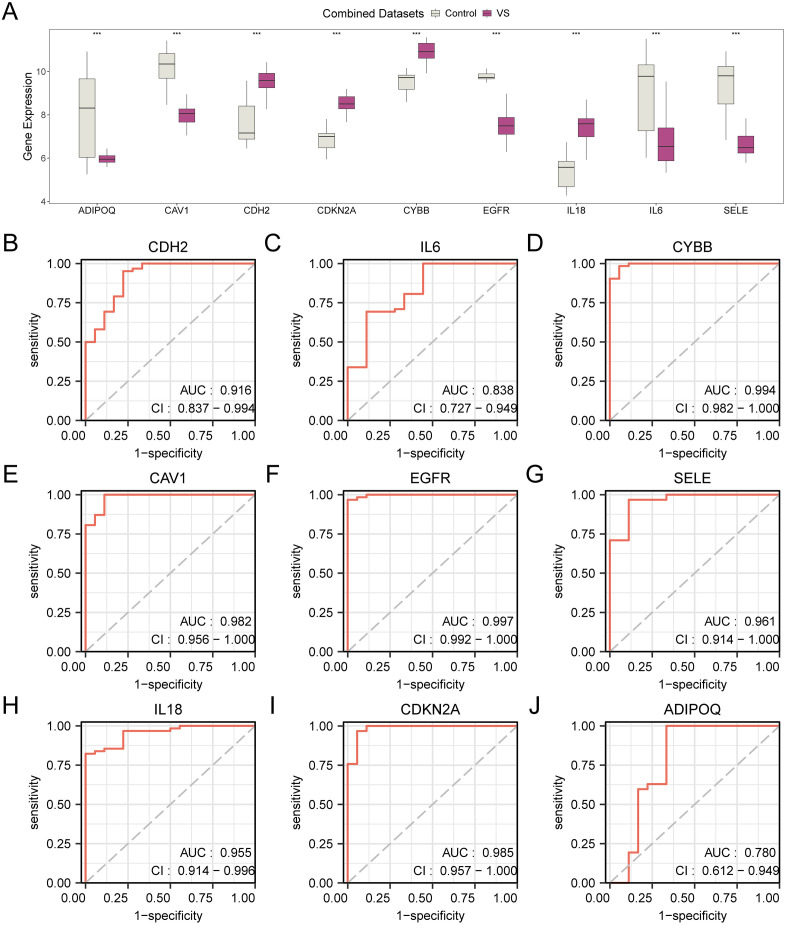 Figure 8
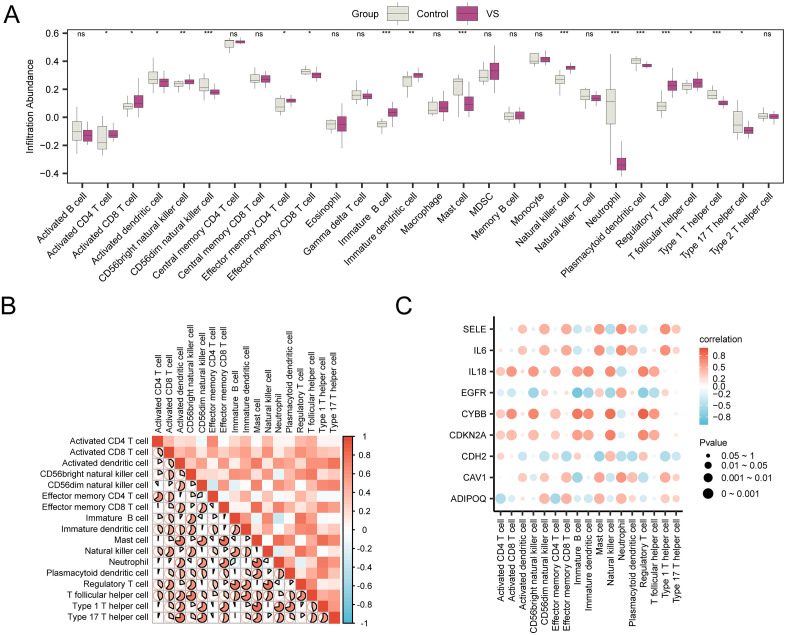 Figure 9
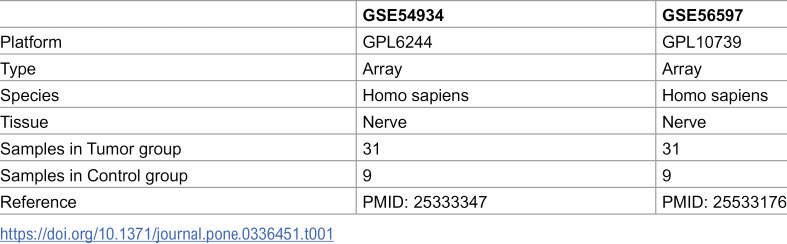 Figure 10
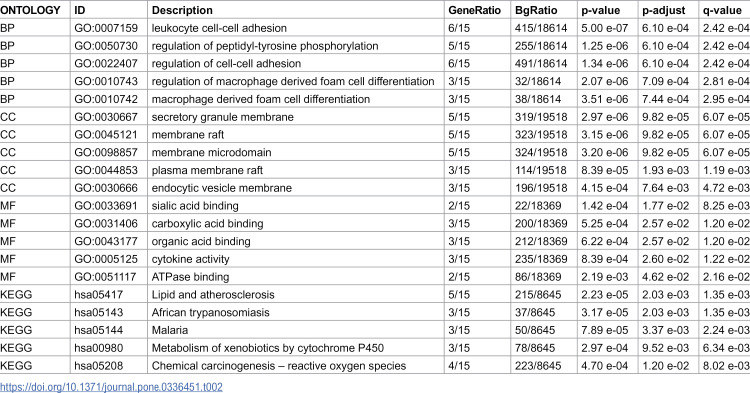 Figure 11
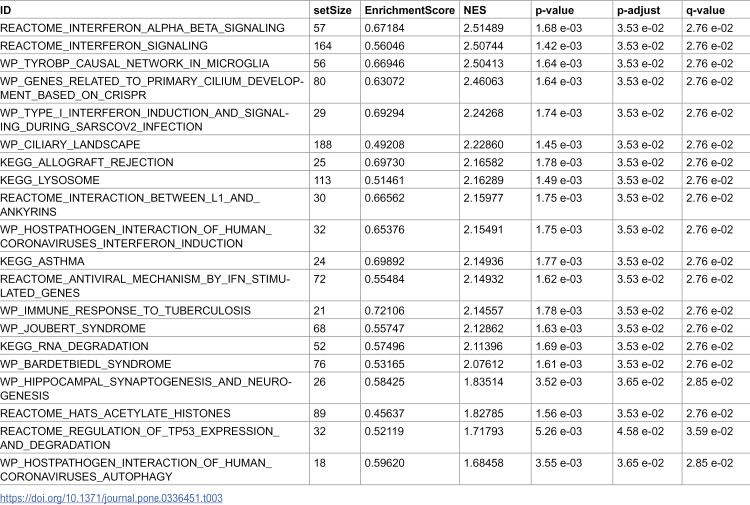 Figure 12
Peer Reviews
No public reviews on file for this paper yet. If you reviewed it on a platform where reviews are public (OpenReview, ICLR, NeurIPS, ICML), you can paste yours below so the community can read it here.
Videos
No videos yet. Explain this paper in a talk, walkthrough, or lecture? Add one.
Taxonomy
TopicsMeningioma and schwannoma management · Vestibular and auditory disorders · Hearing, Cochlea, Tinnitus, Genetics