Optimization of inner panel thickness for enhanced stiffness and vibration control in car door assemblies
Pandurang Maruti Jadhav, Kishor B. Waghulde, Venushree Khanke, Rupesh V. Bhortake, Prasad D. Kulkarni, Mohammad israr, Muazu Jibrin Musa, Md Irfanul Haque Siddiqui, Subhav Singh, Deekshant Varshaney, Khalil Abdelrazek Khalil, Khalil Abdelrazek Khalil, Khalil Abdelrazek Khalil

TL;DR
This paper studies how changing the thickness of a car door's inner panel affects its stiffness and vibrations to improve passenger comfort and safety.
Contribution
The study establishes a relationship between inner panel thickness and dynamic performance, suggesting an optimal thickness for car door assemblies.
Findings
Dynamic stiffness and vibrations of the door surface are significantly influenced by inner panel thickness.
Optimal thickness was determined to meet stiffness and vibration control targets.
Natural frequencies and mode shapes were analyzed across a 0-100 Hz frequency range.
Abstract
The inner panel of the side door acts as a backbone of the door assembly. It is designed to accommodate all the parts required to complete the door assembly and its intended functions. The stiffness of the inner panel indirectly protects the inside passengers from weather conditions and side impacts. The inner panel, outer panel, and a few stiffener plates comprise the door’s structure. The preferred method of hemming is used to connect the inner panel and outer panel at their periphery. In hemming, the crimping of the inner panel is done by using the “U” shape of the outer panel at its periphery. The inner panel and the outer panel together will have a cutout, which will provide clear visibility to both inside passengers and outsiders through this cutout cum window. The closing and opening of this window will be controlled by the electric motor-operated window glass regulator…
Genes, proteins, chemicals, diseases, species, mutations and cell lines named across the full text — each resolved to its canonical identifier and authoritative record.
Click any figure to enlarge with its caption.
 Figure 1
 Figure 2
 Figure 3
 Figure 4
 Figure 5
 Figure 6
 Figure 7
 Figure 8
 Figure 9
 Figure 10
 Figure 11
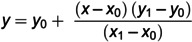 Figure 12
 Figure 13
 Figure 14
 Figure 15
 Figure 16
 Figure 17
 Figure 18
 Figure 19
 Figure 20
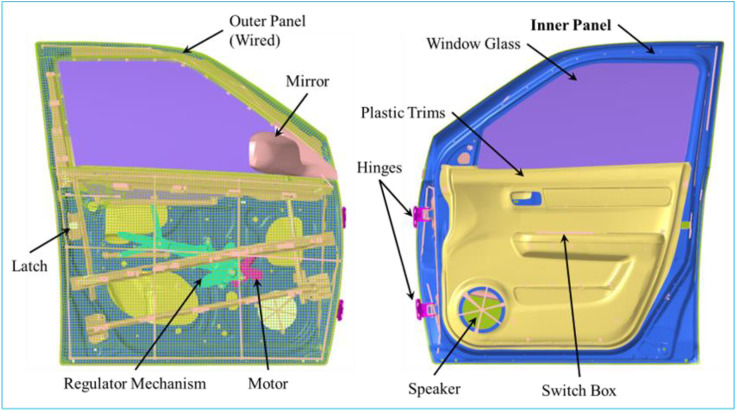 Figure 21
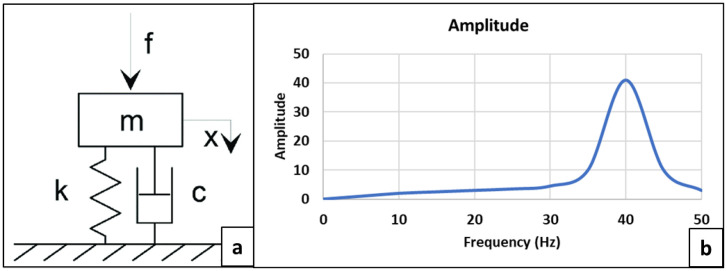 Figure 22
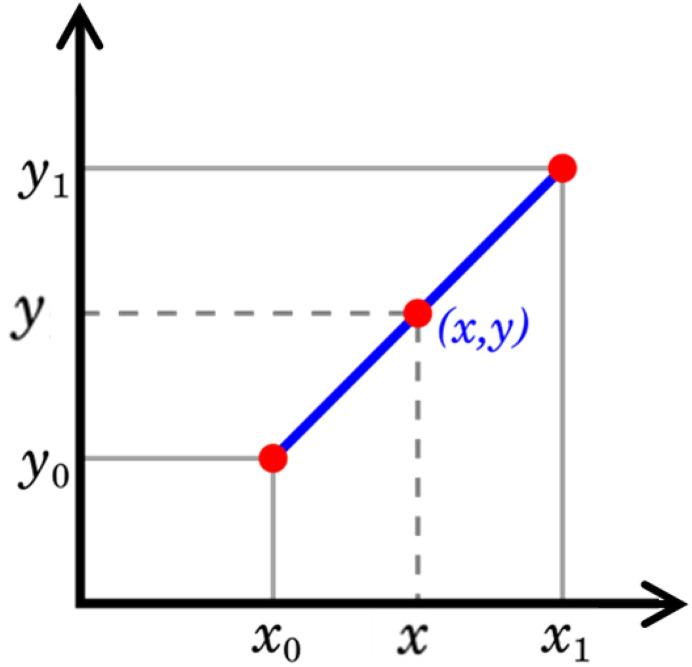 Figure 23
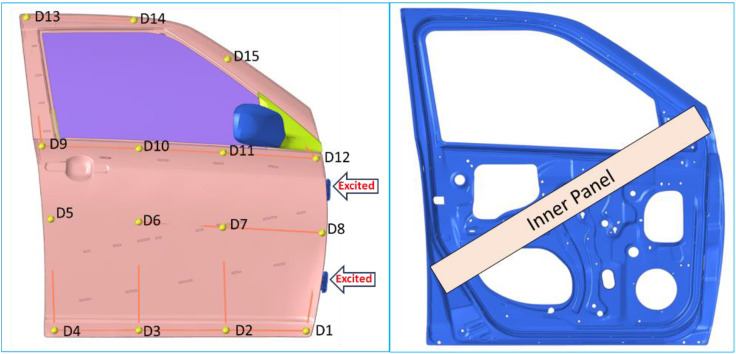 Figure 24
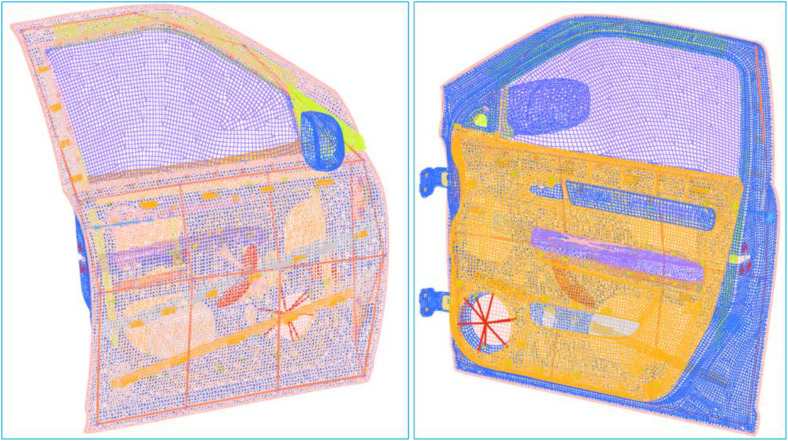 Figure 25
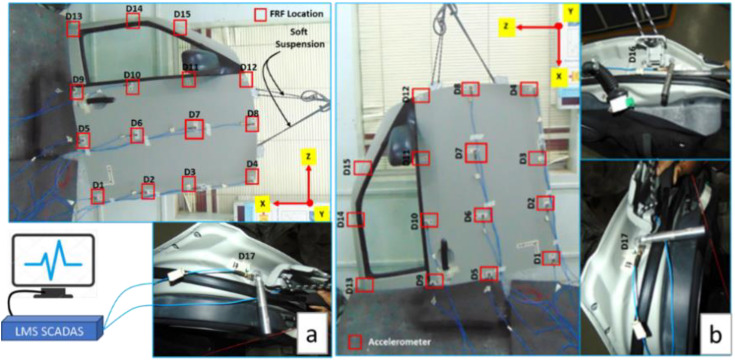 Figure 26
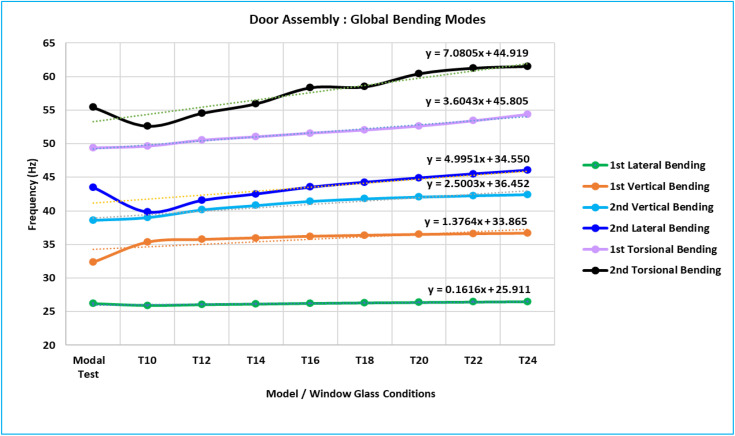 Figure 27
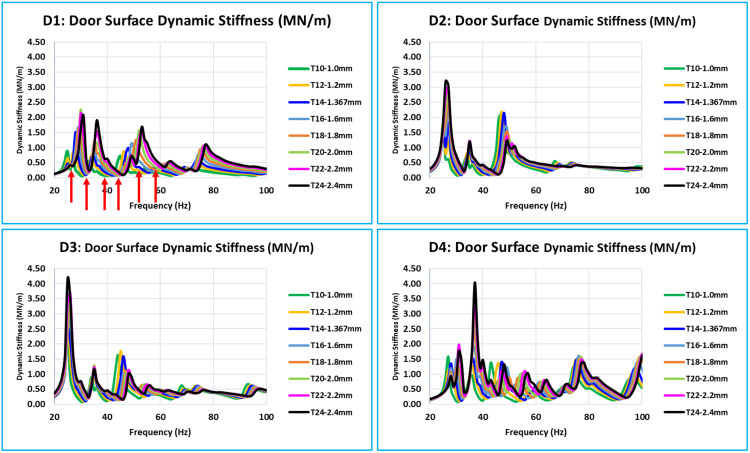 Figure 28
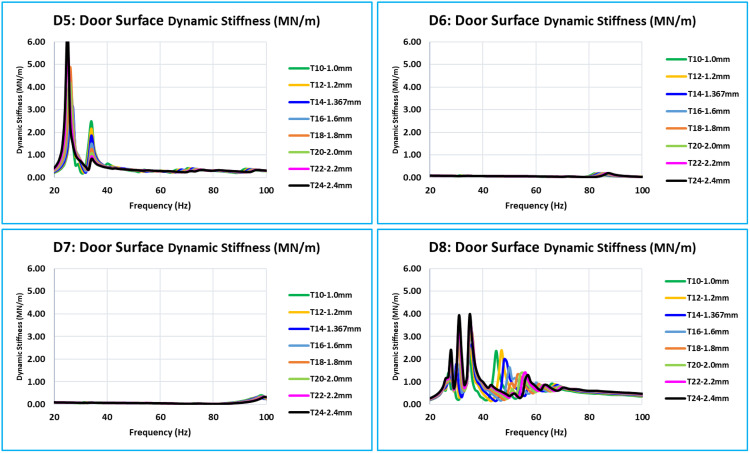 Figure 29
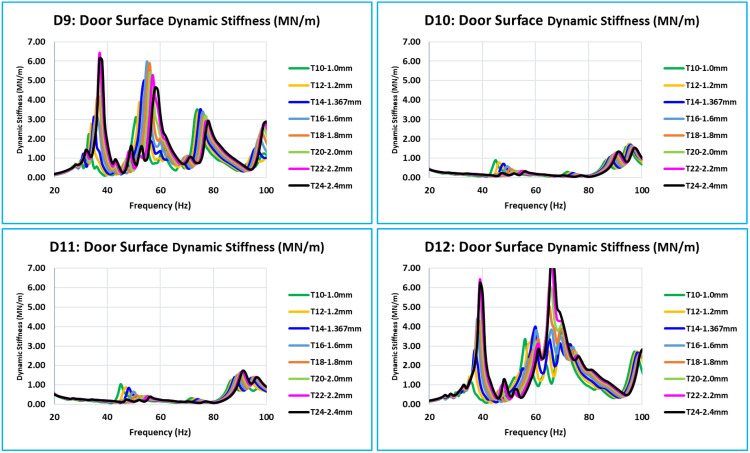 Figure 30
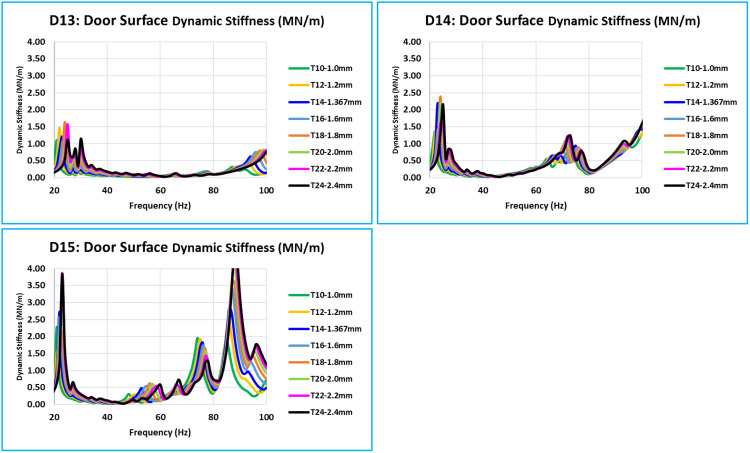 Figure 31
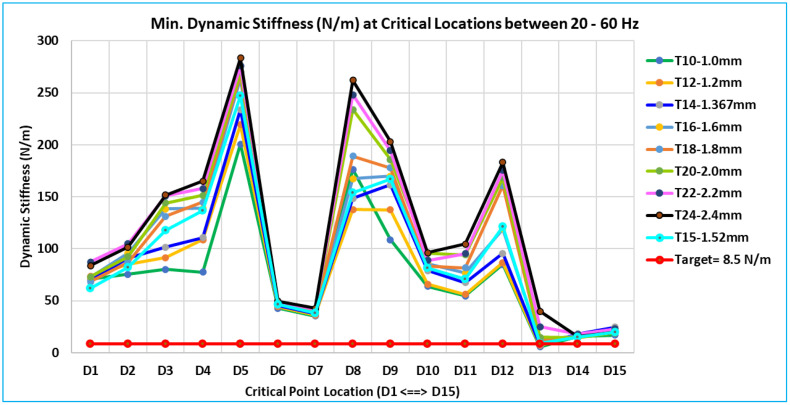 Figure 32
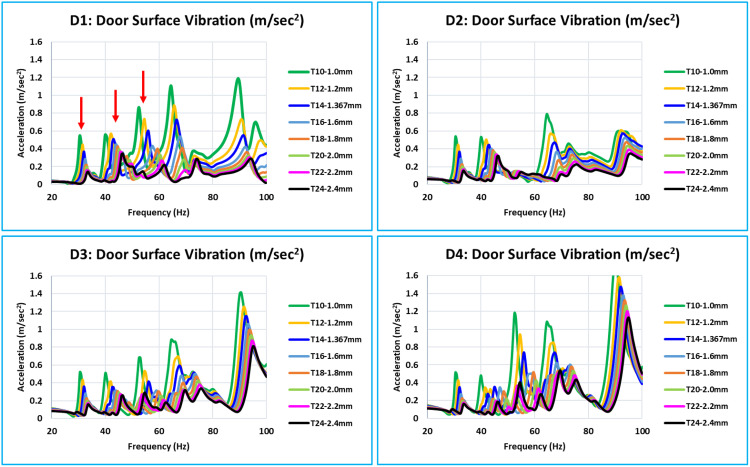 Figure 33
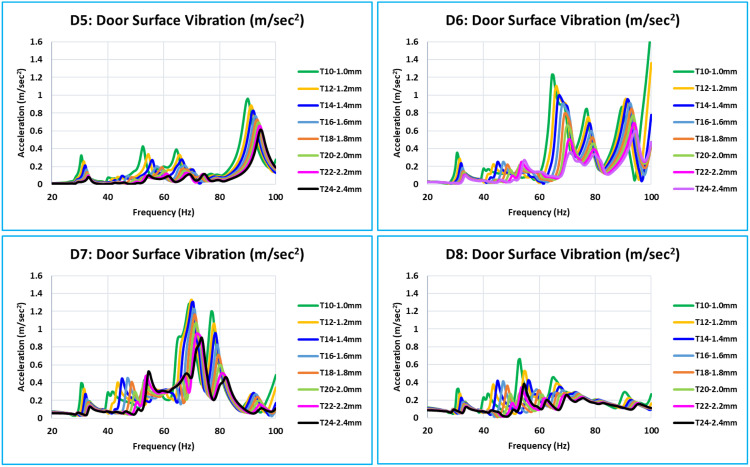 Figure 34
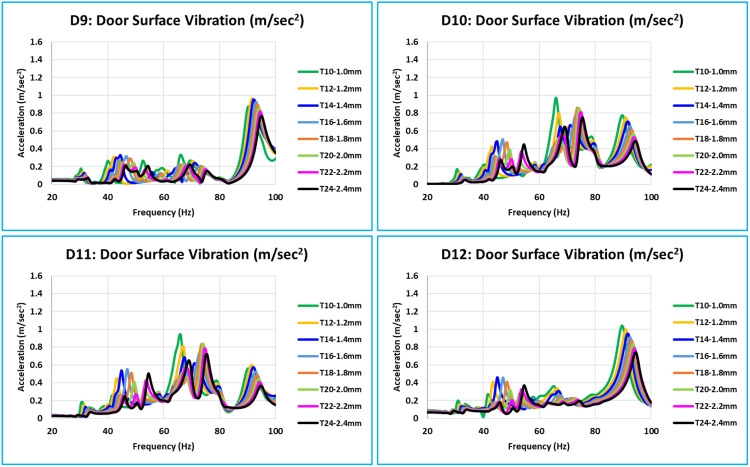 Figure 35
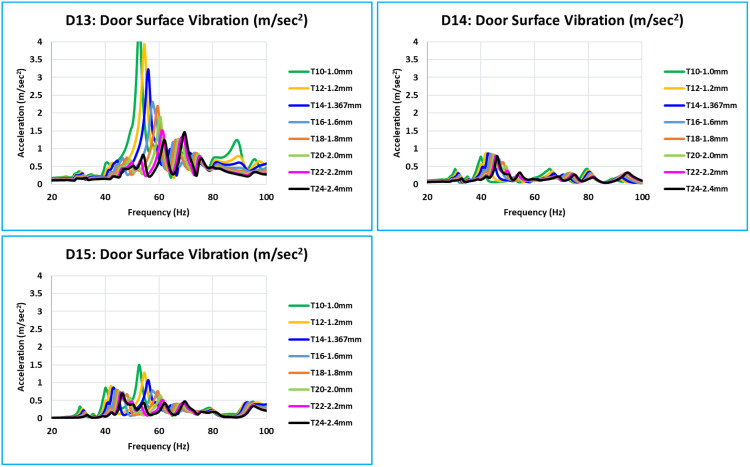 Figure 36
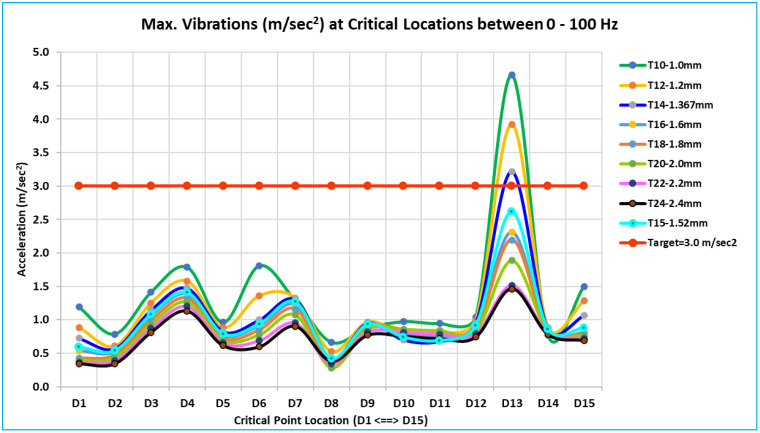 Figure 37
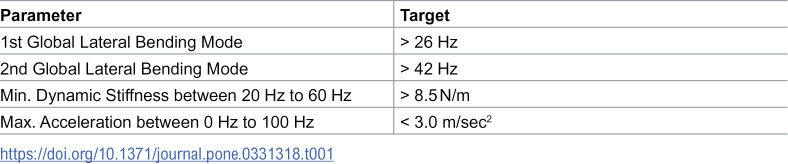 Figure 38
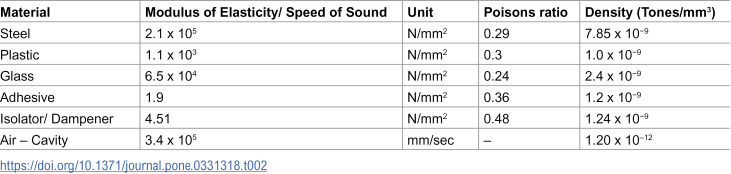 Figure 39
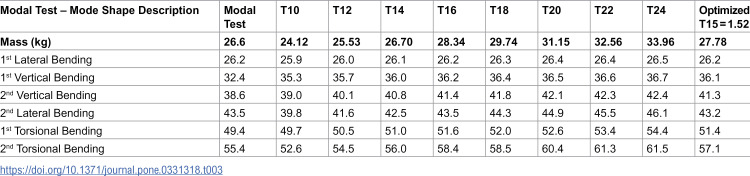 Figure 40
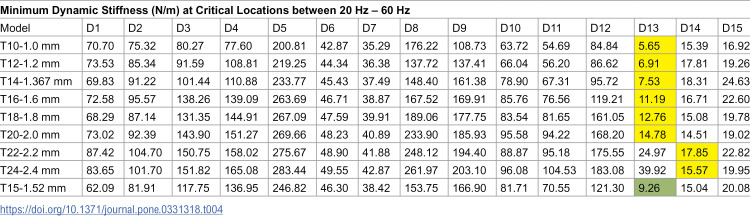 Figure 41
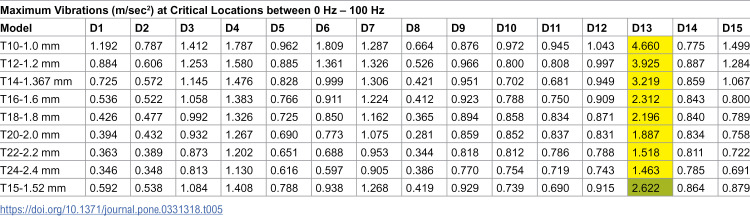 Figure 42
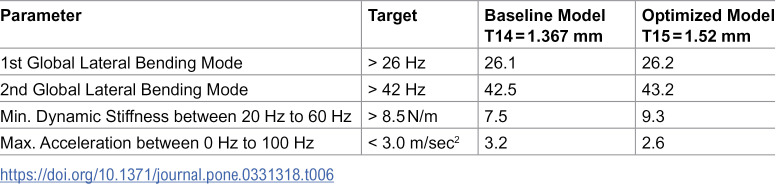 Figure 43
Peer Reviews
No public reviews on file for this paper yet. If you reviewed it on a platform where reviews are public (OpenReview, ICLR, NeurIPS, ICML), you can paste yours below so the community can read it here.
Videos
No videos yet. Explain this paper in a talk, walkthrough, or lecture? Add one.
Taxonomy
TopicsVehicle Noise and Vibration Control · Effects of Vibration on Health · Brake Systems and Friction Analysis