Early adherence to biofeedback training predicts long-term improvement in stroke patients: A machine learning approach
Nandini Sengupta, Rezaul Begg, Aravinda S. Rao, Soheil Bajelan, Catherine M. Said, Lisa James, Marimuthu Palaniswami

TL;DR
This study uses machine learning to predict long-term stroke rehabilitation outcomes based on early training data, enabling personalized interventions.
Contribution
A novel adherence assessment metric and machine learning approach to predict stroke patient improvement with 100% accuracy.
Findings
Early training data can predict post-assessment improvement with 100% accuracy.
Patients with dissimilar Minimum Foot Clearance values from baseline and adherence to feedback are more likely to improve.
Non-improving patients may benefit from extended training periods, suggesting personalized rehabilitation strategies.
Abstract
Biofeedback-based treadmill training generally involves 10 or more sessions to assess its effectiveness during stroke rehabilitation. Improvements are seen in some patients during the assessment, while others do not progress. Our aim in this study is to determine (i) if signs of progress are evident from the initial training session and (ii) whether quantitative measurements between consecutive training sessions can guide interventions for non-progressing patients. The study analyzes Minimum Foot Clearance (MFC) data from 15 stroke patients during their baseline and second training sessions to predict outcomes in the post-assessment phase. Based on early biofeedback training data, we propose a novel approach using cosine similarity (CS), correlation coefficient (CC) and cross-correlation distance (XCRD) measures to predict post-assessment improvements in stroke patients. We also…
Genes, proteins, chemicals, diseases, species, mutations and cell lines named across the full text — each resolved to its canonical identifier and authoritative record.
Click any figure to enlarge with its caption.
 Figure 1
 Figure 2
 Figure 3
 Figure 4
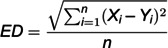 Figure 5
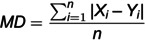 Figure 6
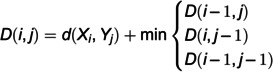 Figure 7
 Figure 8
 Figure 9
 Figure 10
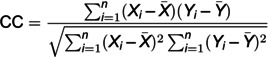 Figure 11
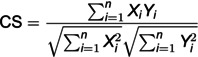 Figure 12
 Figure 13
 Figure 14
 Figure 15
 Figure 16
 Figure 17
 Figure 18
 Figure 19
 Figure 20
 Figure 21
 Figure 22
 Figure 23
 Figure 24
 Figure 25
 Figure 26
 Figure 27
 Figure 28
 Figure 29
 Figure 30
 Figure 31
 Figure 32
 Figure 33
 Figure 34
 Figure 35
 Figure 36
 Figure 37
 Figure 38
 Figure 39
 Figure 40
 Figure 41
 Figure 42
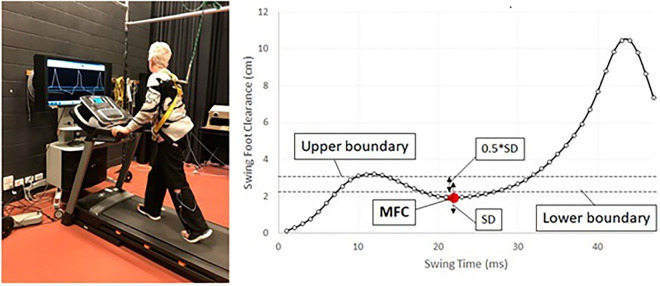 Figure 43
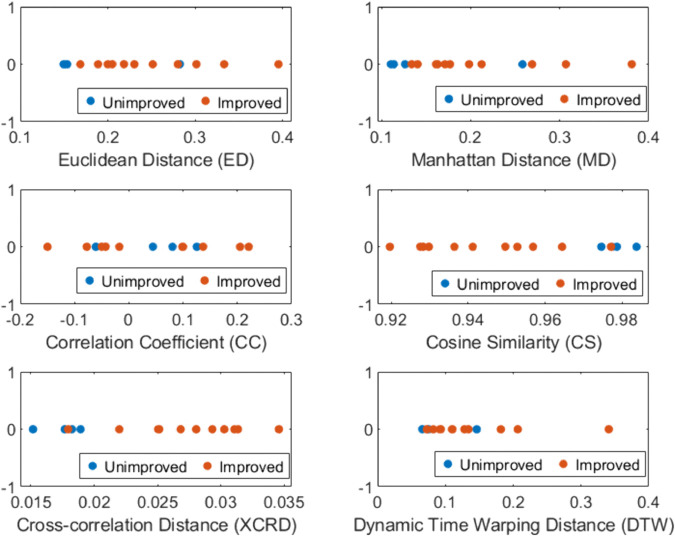 Figure 44
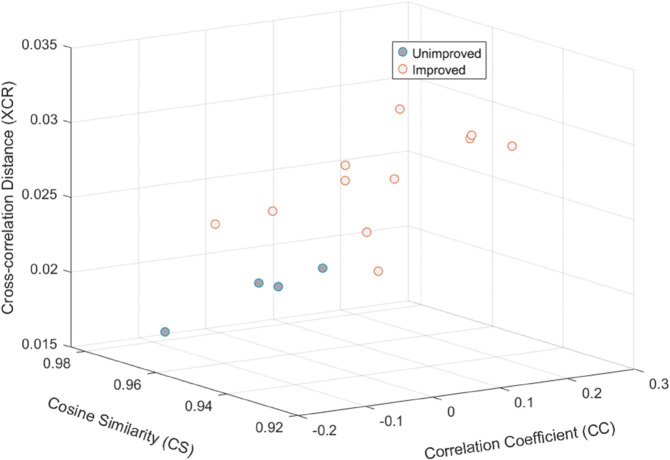 Figure 45
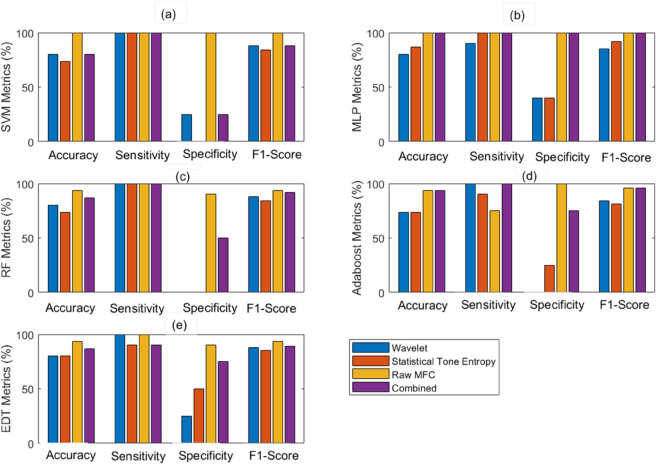 Figure 46
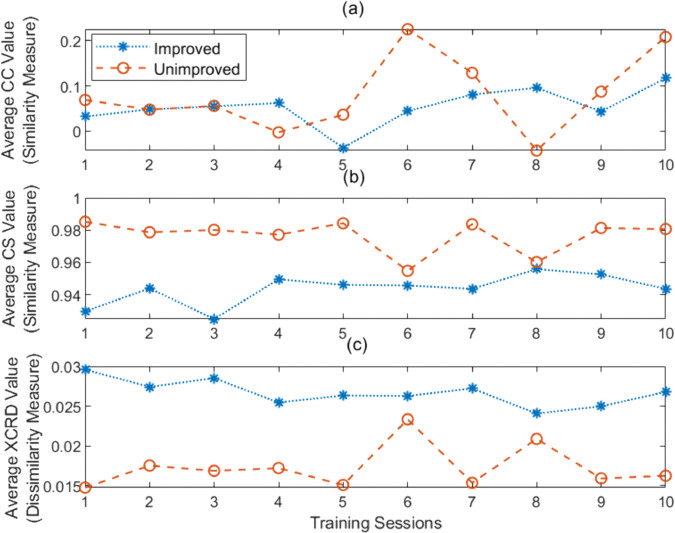 Figure 47
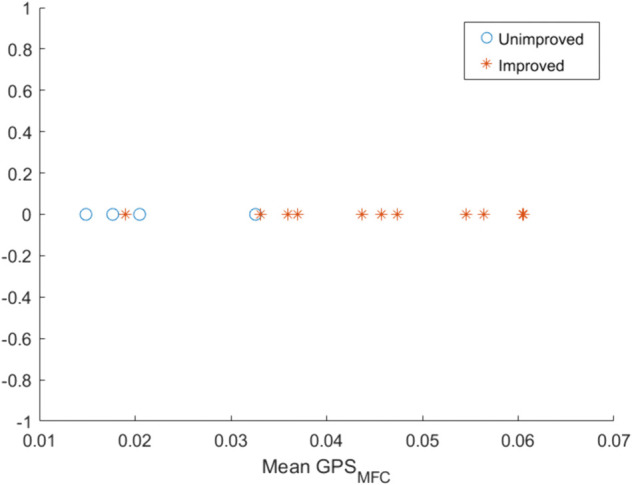 Figure 48
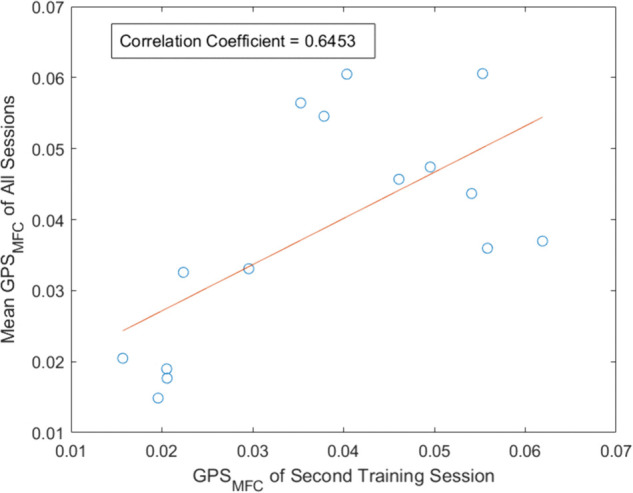 Figure 49
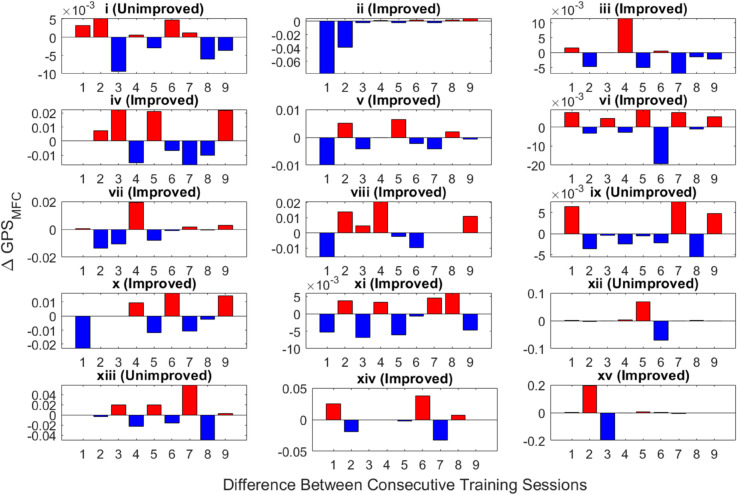 Figure 50
Peer Reviews
No public reviews on file for this paper yet. If you reviewed it on a platform where reviews are public (OpenReview, ICLR, NeurIPS, ICML), you can paste yours below so the community can read it here.
Videos
No videos yet. Explain this paper in a talk, walkthrough, or lecture? Add one.
Taxonomy
TopicsStroke Rehabilitation and Recovery · Traumatic Brain Injury Research · Balance, Gait, and Falls Prevention