Structural and immunological impacts of TOLLIP nsSNPs: A computational biology approach to drug discovery and immune system modulation
Obaid Habib, Saqib Ishaq, Kamran Habib, Aishma Khattak, Wei Yang, Zesong Li, Kainat Bukhari, Amin Ullah, Ajaz Ahmad, Qurban Ali

TL;DR
This paper uses computational methods to study how genetic variations in TOLLIP affect immune signaling and drug interactions, offering insights for immune-related therapies.
Contribution
The study identifies specific TOLLIP nsSNPs that impact protein stability and drug binding, providing a novel computational framework for immune system modulation.
Findings
Four deleterious TOLLIP nsSNPs (R28Q, T40M, P59L, R200C) were identified that compromise protein stability and function.
T40M and R200C variants enhance binding affinity for Afimetoran, suggesting potential therapeutic implications.
MD simulations revealed altered flexibility and hydrogen bonds in mutant TOLLIP structures, indicating functional disruption.
Abstract
Toll-Interacting Protein (TOLLIP) serves as key adaptor molecule in innate immune signaling, modulating toll-like receptors (TLRs) and interleukin-1 (IL-1) pathway. Despite its central role, the functional impact of non-synonymous single nucleotide polymorphism (nsSNPs) on TOLLIP remains unclear. Using an integrated computational approach, we screened 150 TOLLIP nsSNPs through consensus predictive tools including PROVEAN, PANTHER, SNPs & GO and SIFT. This approach identified four high confidence deleterious variants (R28Q, T40M, P59L, and R200C) with strong potential to compromise TOLLIP protein stability and function. Structural analysis and energy minimization suggested subtle confirmation changes and destabilizing effect, while TM-align displayed preservation of overall folding (TM-score >0.99, RMSD <0.54 Å). Evolutionary conservation, phylogenetic analysis, and protein-protein…
Genes, proteins, chemicals, diseases, species, mutations and cell lines named across the full text — each resolved to its canonical identifier and authoritative record.
Click any figure to enlarge with its caption.
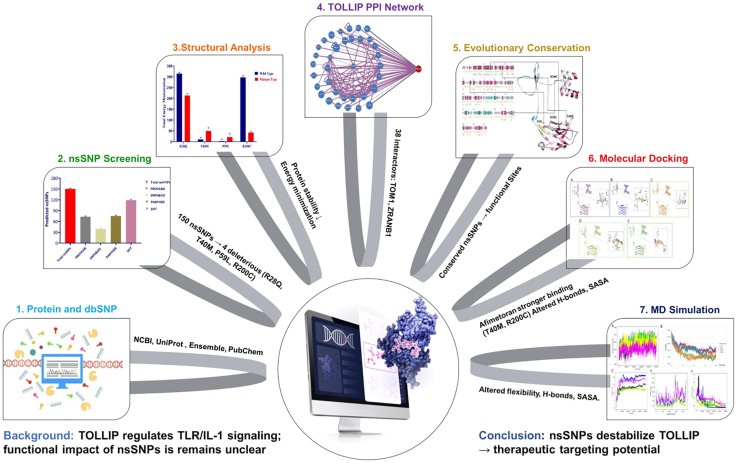 Figure 1
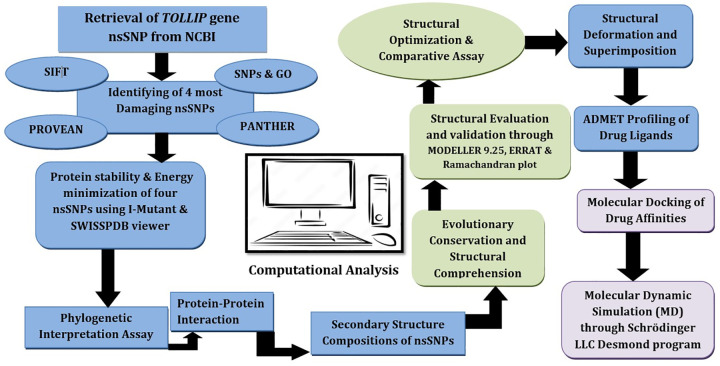 Figure 2
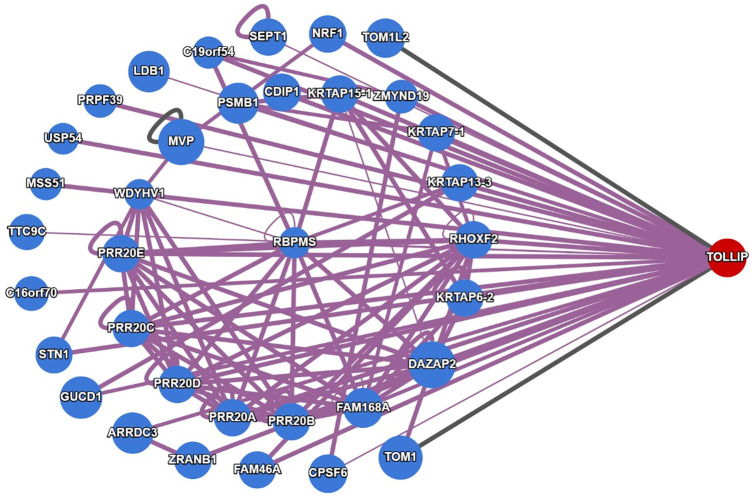 Figure 3
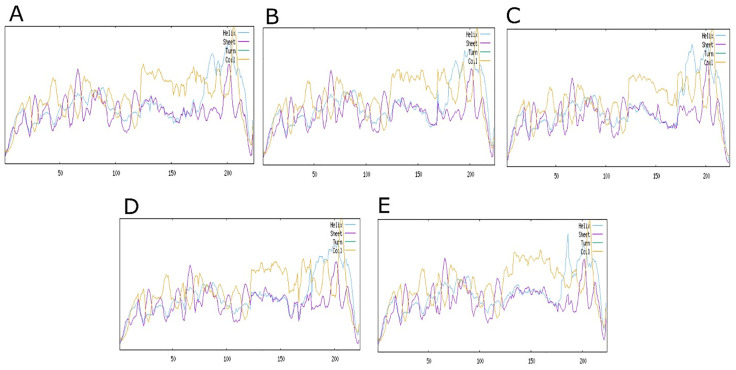 Figure 4
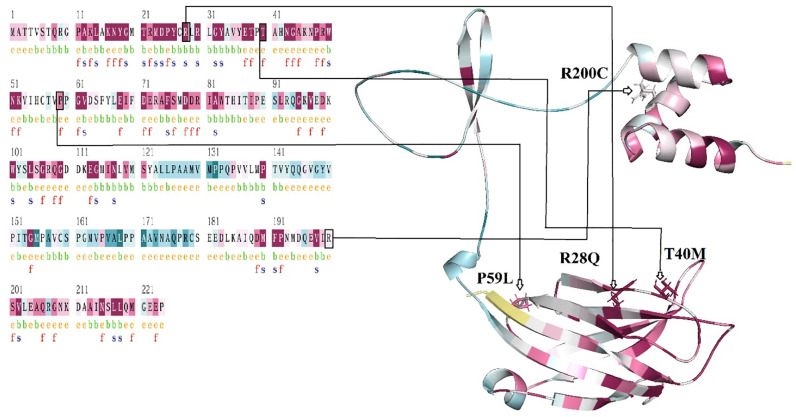 Figure 5
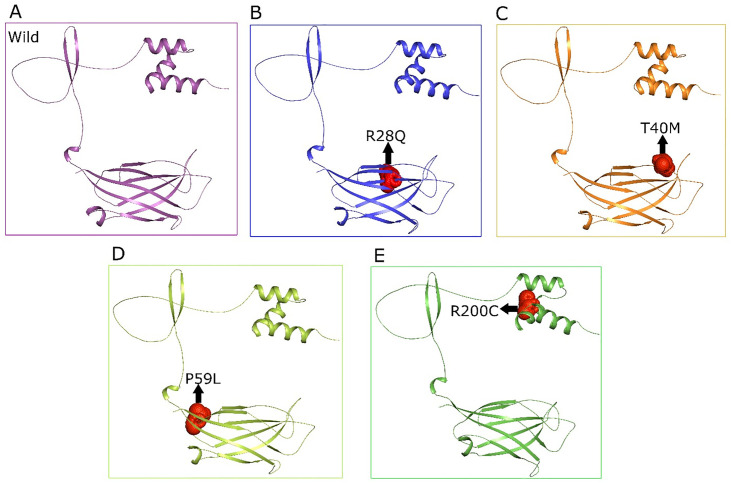 Figure 6
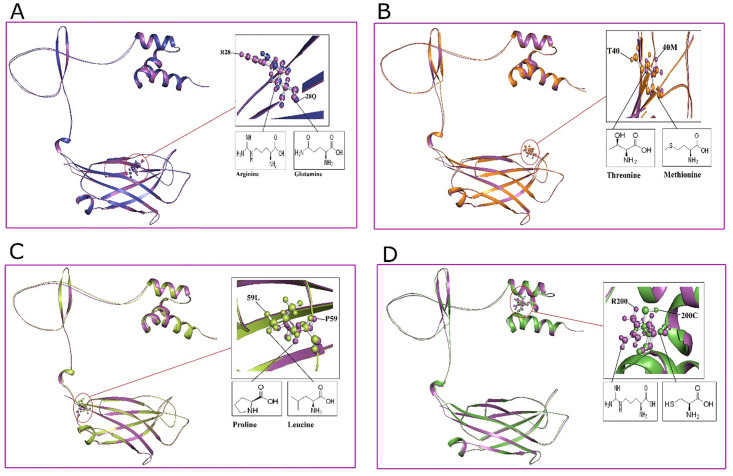 Figure 7
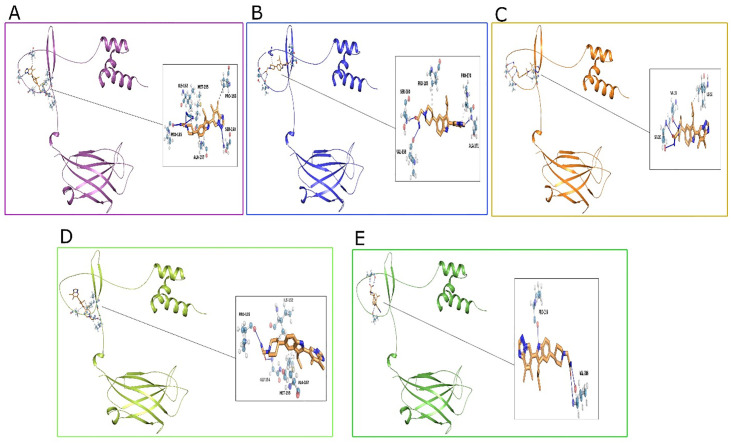 Figure 8
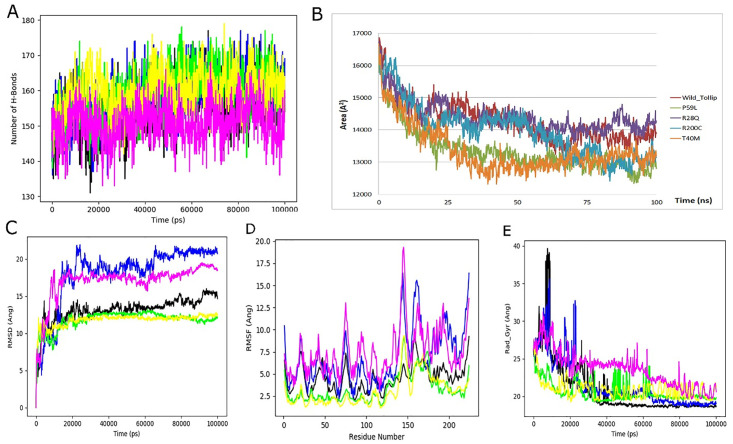 Figure 9
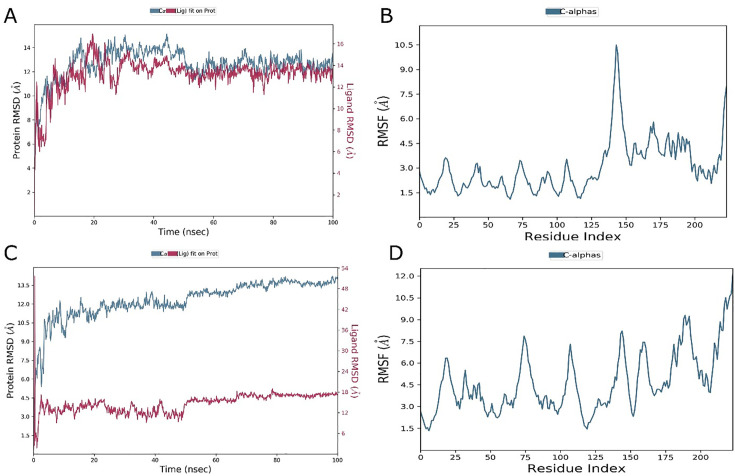 Figure 10
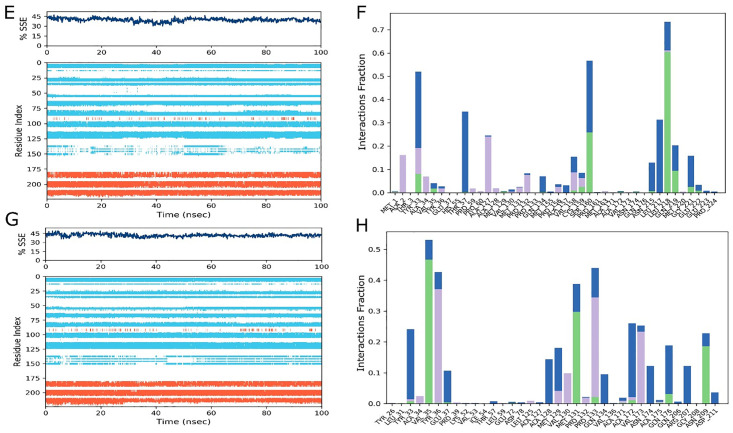 Figure 11
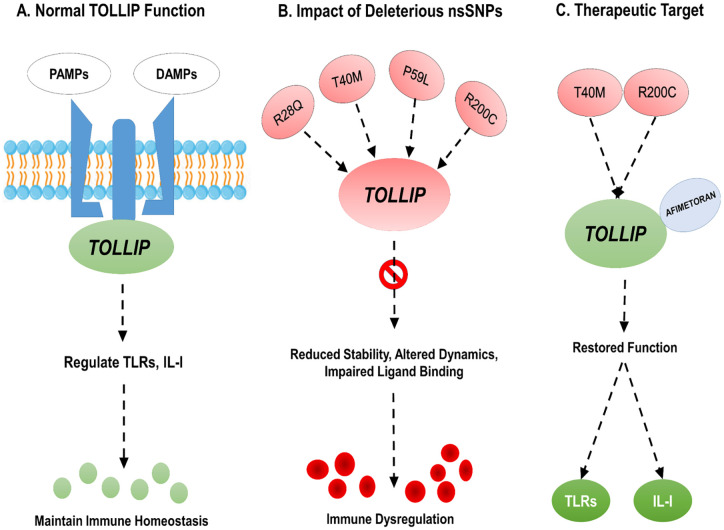 Figure 12
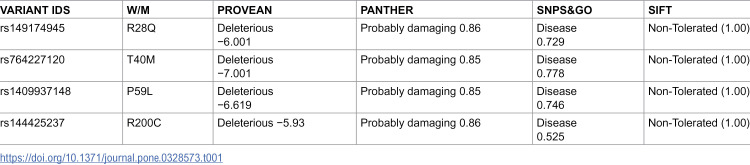 Figure 13
 Figure 14
 Figure 15
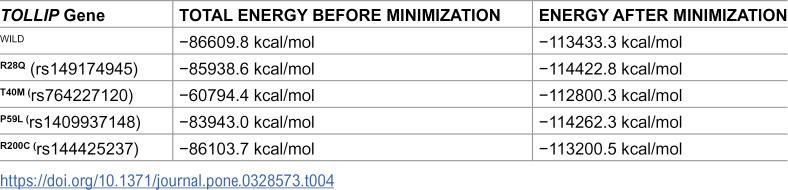 Figure 16
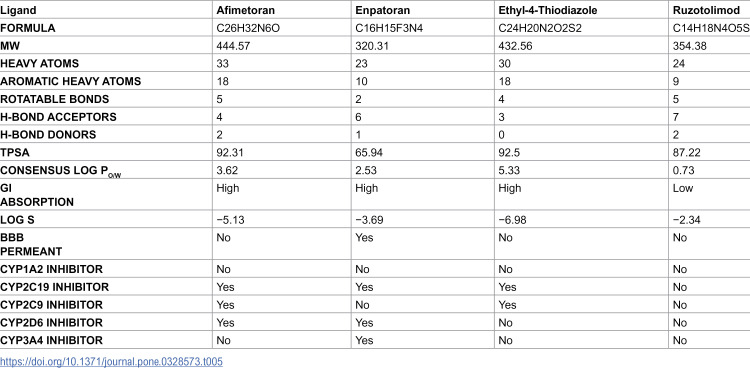 Figure 17
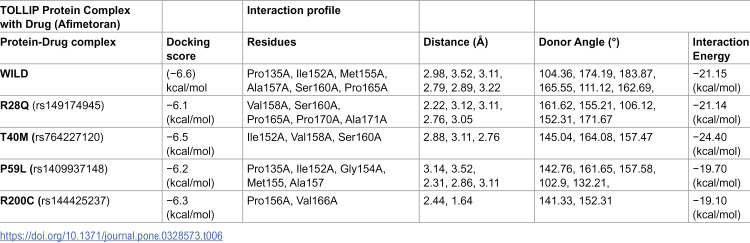 Figure 18
Peer Reviews
No public reviews on file for this paper yet. If you reviewed it on a platform where reviews are public (OpenReview, ICLR, NeurIPS, ICML), you can paste yours below so the community can read it here.
Videos
No videos yet. Explain this paper in a talk, walkthrough, or lecture? Add one.
Taxonomy
Topicsvaccines and immunoinformatics approaches · Immune Response and Inflammation · Machine Learning in Bioinformatics