Incorporating human mobility to enhance epidemic response and estimate real-time reproduction numbers
Mousumi Roy, Hannah E. Clapham, Swapnil Mishra, Denise Kühnert, Denise Kühnert, Denise Kühnert, Denise Kühnert

TL;DR
This paper introduces a new method to estimate real-time disease spread by incorporating human mobility data into epidemic models.
Contribution
The study introduces a mobility-integrated renewal equation framework for estimating real-time reproduction numbers across regions.
Findings
Ignoring human mobility leads to biased estimates of real-time reproduction numbers.
The mobility-integrated framework improves the accuracy of epidemic assessments at different spatial resolutions.
The approach uses publicly available datasets and is applicable to real-world scenarios like SARS-CoV-2.
Abstract
Human mobility plays a critical role in the transmission dynamics of infectious diseases, influencing both their spread and the effectiveness of control measures. In the process of quantifying the real-time situation of an epidemic, the instantaneous reproduction number Rt appears to be one of the useful metrics widely used by public health researchers, officials, and policy makers. Since individuals can contract infections both within their region of origin and in other regions they visit, ignoring human mobility in the estimation process overlooks its impact on transmission dynamics and can lead to biased estimates of Rt, potentially misrepresenting the true epidemic situation. Our study explicitly integrates human mobility into a renewal-equation based disease transmission model to capture the mobility-driven effect on transmission. By incorporating pathogen-specific generation-time…
Genes, proteins, chemicals, diseases, species, mutations and cell lines named across the full text — each resolved to its canonical identifier and authoritative record.
Click any figure to enlarge with its caption.
 Figure 1
 Figure 2
 Figure 3
 Figure 4
 Figure 5
 Figure 6
 Figure 7
 Figure 8
 Figure 9
 Figure 10
 Figure 11
 Figure 12
 Figure 13
 Figure 14
 Figure 15
 Figure 16
 Figure 17
 Figure 18
 Figure 19
 Figure 20
 Figure 21
 Figure 22
 Figure 23
 Figure 24
 Figure 25
 Figure 26
 Figure 27
 Figure 28
 Figure 29
 Figure 30
 Figure 31
 Figure 32
 Figure 33
 Figure 34
 Figure 35
 Figure 36
 Figure 37
 Figure 38
 Figure 39
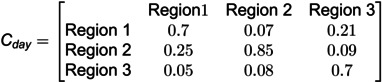 Figure 40
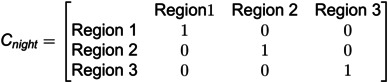 Figure 41
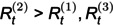 Figure 42
 Figure 43
 Figure 44
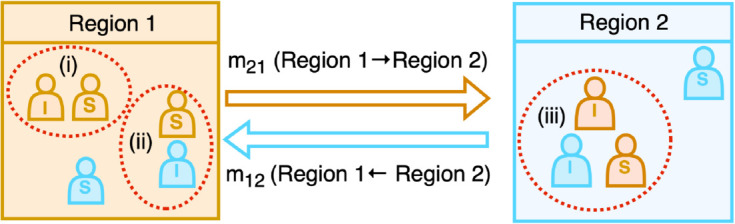 Figure 45
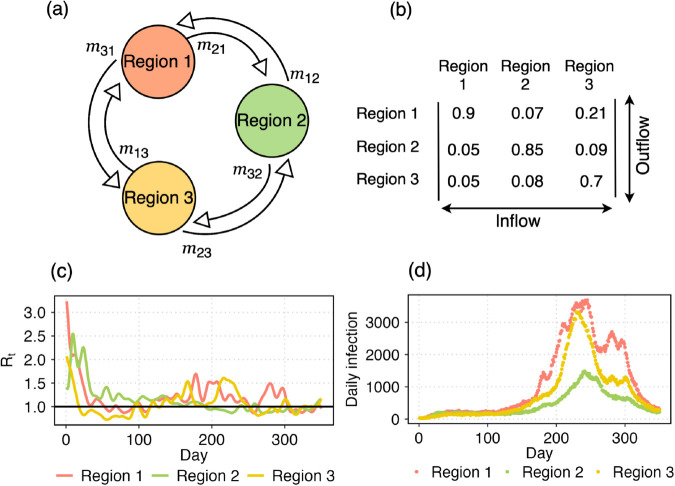 Figure 46
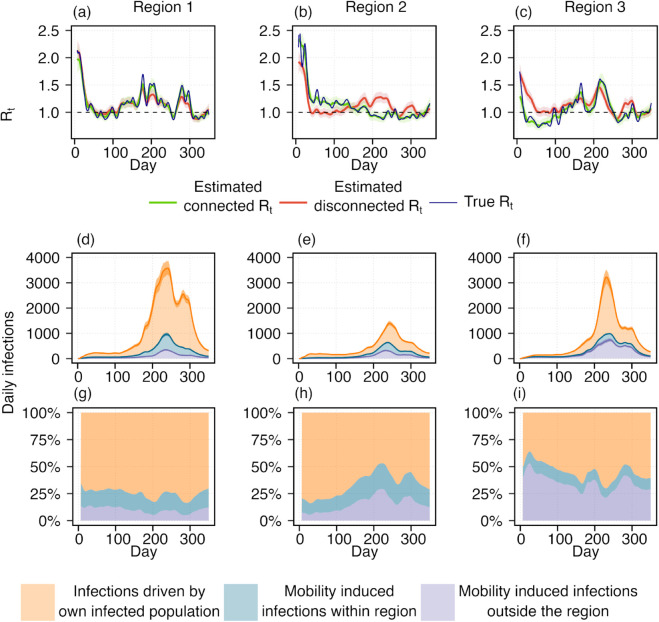 Figure 47
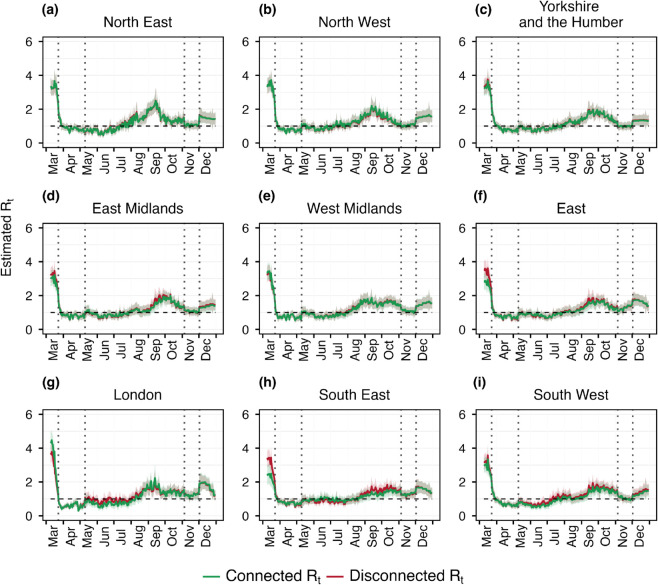 Figure 48
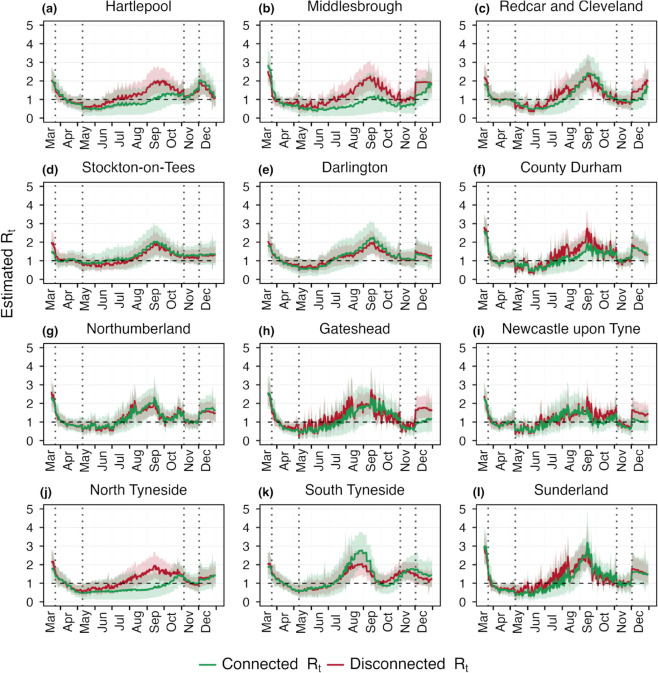 Figure 49
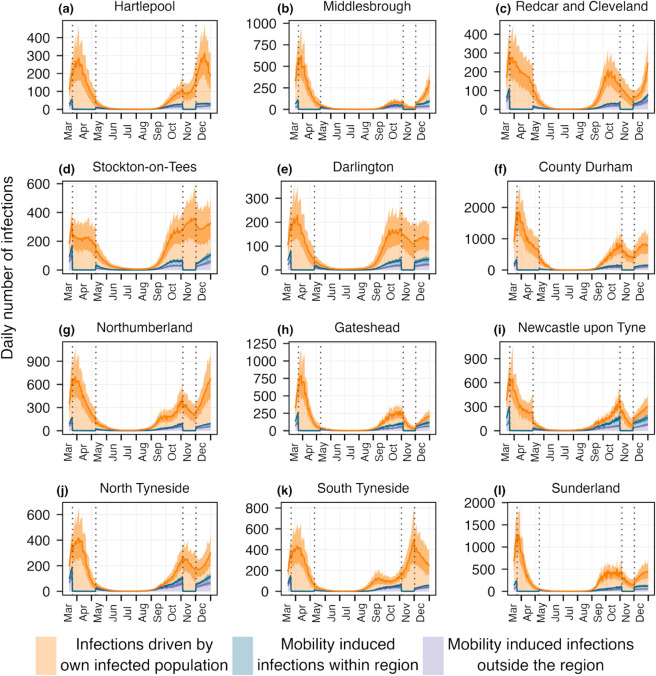 Figure 50
Peer Reviews
No public reviews on file for this paper yet. If you reviewed it on a platform where reviews are public (OpenReview, ICLR, NeurIPS, ICML), you can paste yours below so the community can read it here.
Videos
No videos yet. Explain this paper in a talk, walkthrough, or lecture? Add one.
Taxonomy
TopicsCOVID-19 epidemiological studies · Zoonotic diseases and public health · Data-Driven Disease Surveillance