A Robust and Efficient Workflow for Heart Valve Disease Detection from PCG Signals: Integrating WCNN, MFCC Optimization, and Signal Quality Evaluation
Shin-Chi Lai, Yen-Ching Chang, Ying-Hsiu Hung, Szu-Ting Wang, Yao-Feng Liang, Li-Chuan Hsu, Ming-Hwa Sheu, Chuan-Yu Chang

TL;DR
This paper presents an efficient system for detecting heart valve diseases from heart sounds using a lightweight neural network and optimized features, suitable for real-world use.
Contribution
A novel lightweight WCNN with a key weighting calculation layer and optimized MFCCs for robust and efficient heart valve disease detection from PCG signals.
Findings
The proposed model achieved 99.6% accuracy on the GitHub PCG database and 90.74% on the PhysioNet/CinC Challenge 2016 database.
The model uses 74.9% fewer parameters and 99.3% fewer FLOPs compared to prior work by Karhade et al.
Real-time detection was achieved on a Raspberry Pi with a detection time of 1.87 ms for a 1.4 s signal.
Abstract
This study proposes a comprehensive and computationally efficient system for the recognition of heart valve diseases (HVDs) in phonocardiogram (PCG) signals, emphasizing an end-to-end workflow suitable for real-world deployment. The core of the system is a lightweight weighted convolutional neural network (WCNN) featuring a key weighting calculation (KWC) layer, which enhances noise robustness by adaptively weighting feature map channels based on global average pooling. The proposed system incorporates optimized feature extraction using Mel-frequency cepstral coefficients (MFCCs) guided by GradCAM, and a band energy ratio (BER) metric to assess signal quality, showing that lower BER values are associated with higher misclassification rates due to noise. Experimental results demonstrated classification accuracies of 99.6% and 90.74% on the GitHub PCG and PhysioNet/CinC Challenge 2016…
Genes, proteins, chemicals, diseases, species, mutations and cell lines named across the full text — each resolved to its canonical identifier and authoritative record.
Click any figure to enlarge with its caption.
 Figure 1
 Figure 2
 Figure 3
 Figure 4
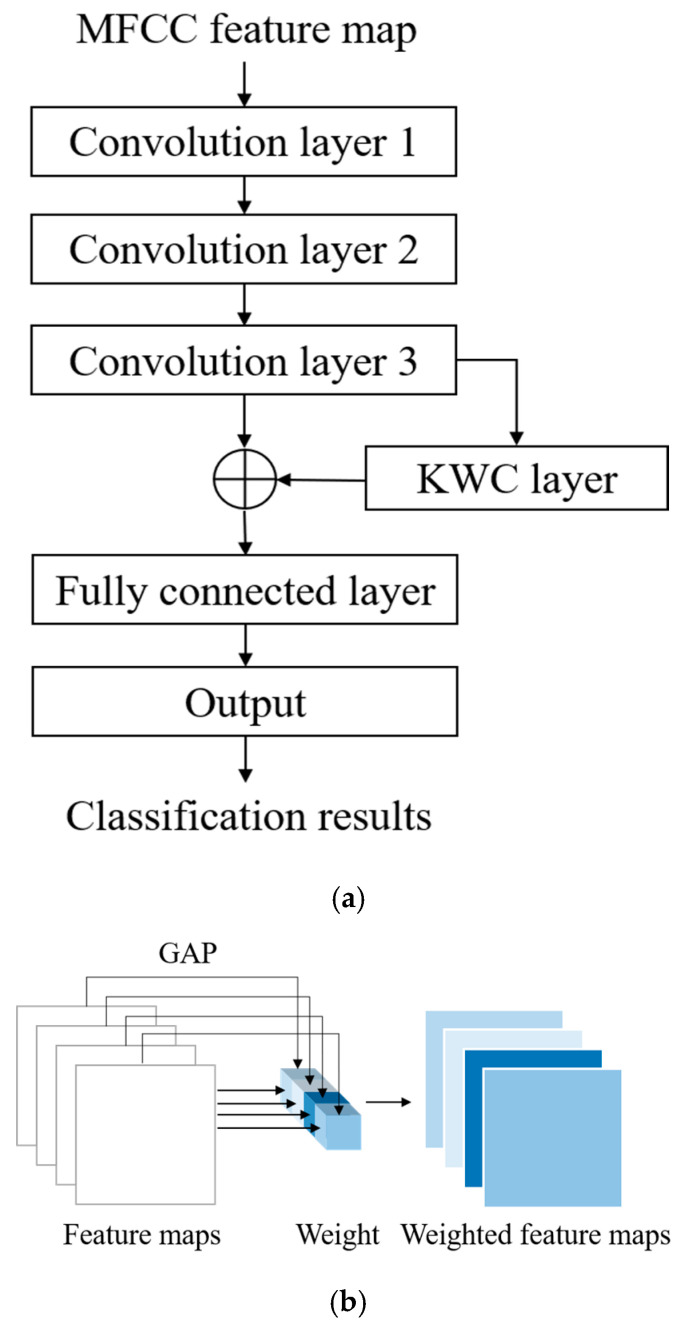 Figure 5
 Figure 6
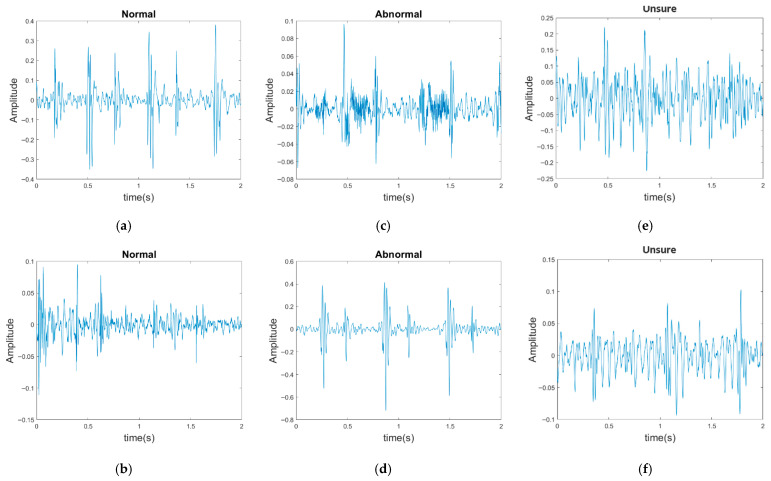 Figure 7
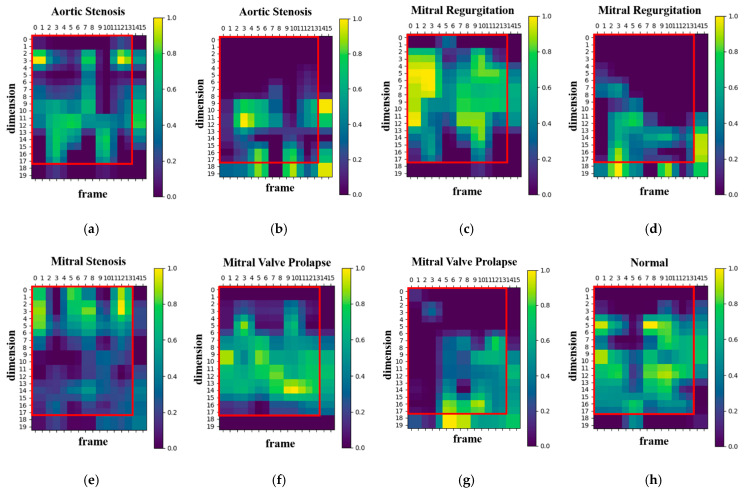 Figure 8
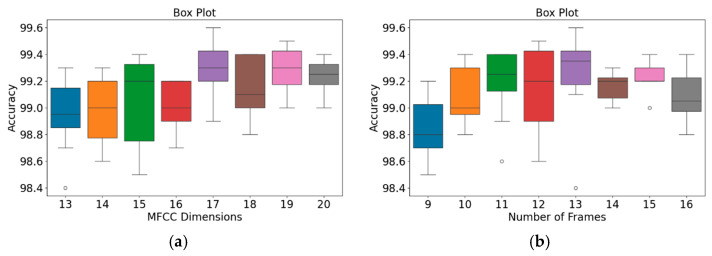 Figure 9
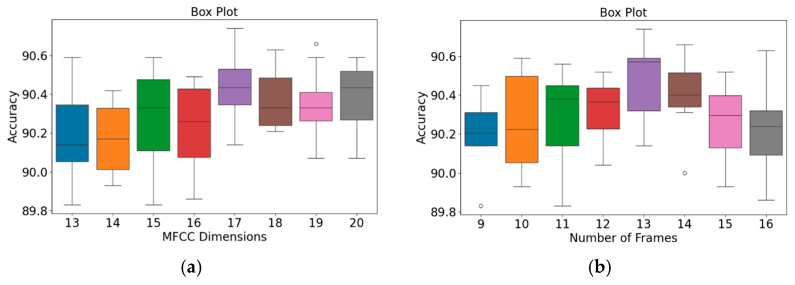 Figure 10
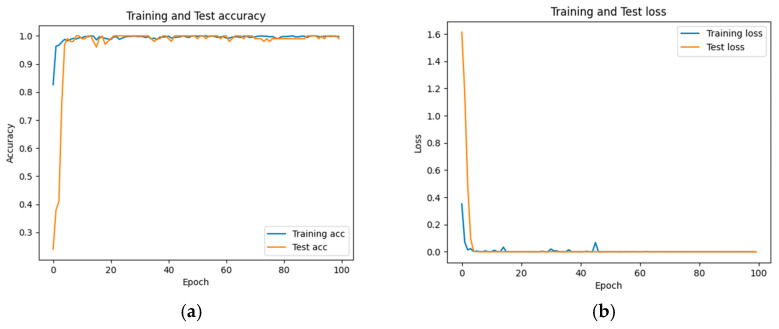 Figure 11
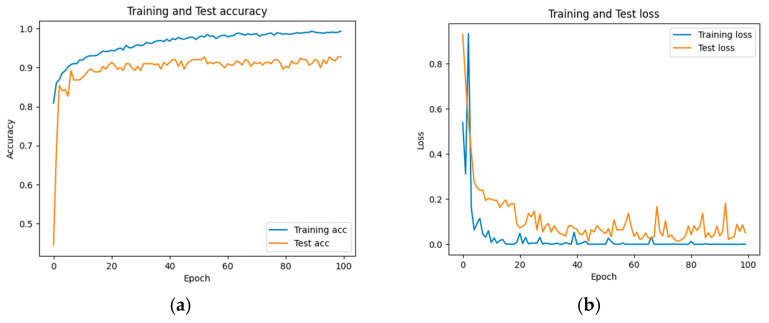 Figure 12
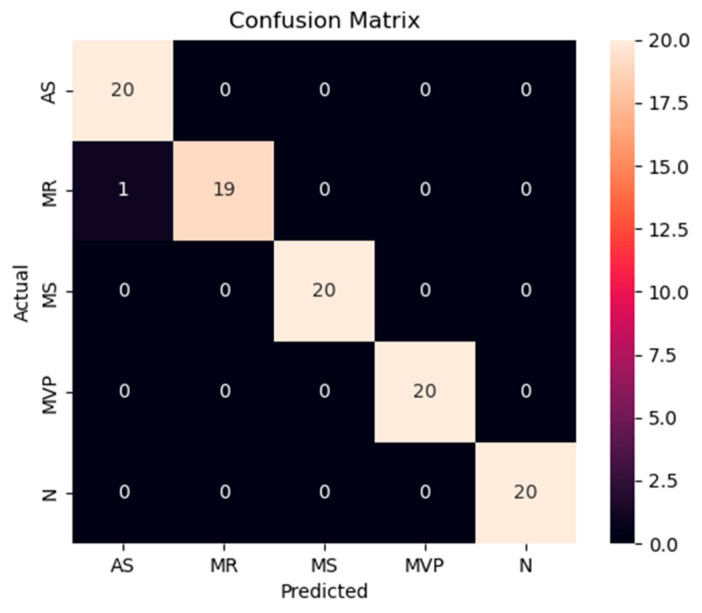 Figure 13
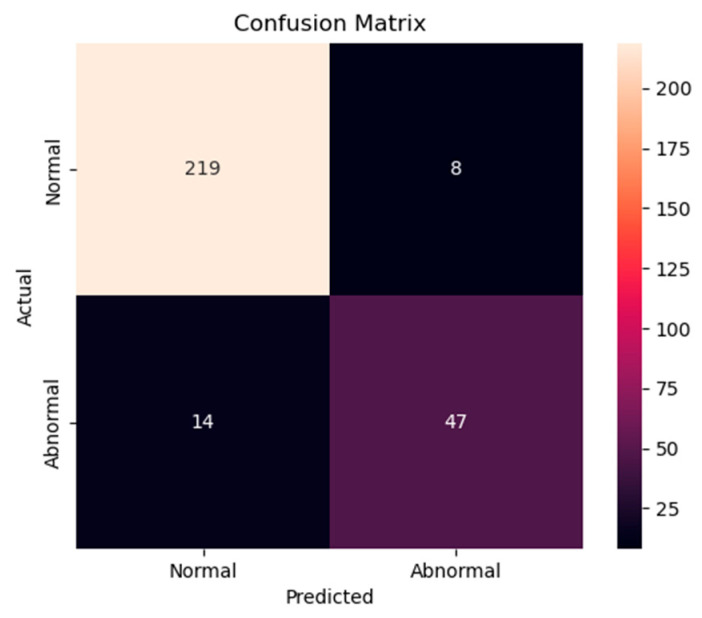 Figure 14
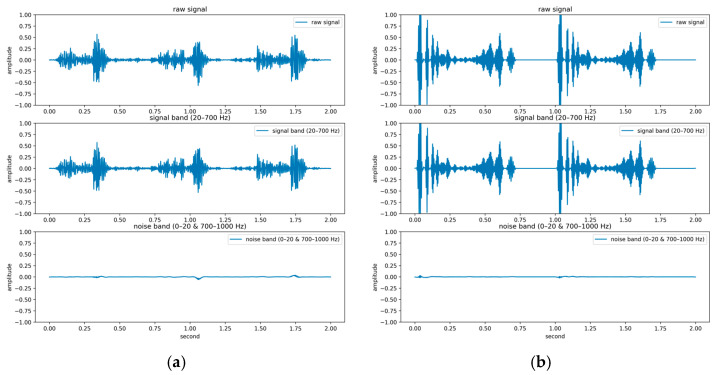 Figure 15
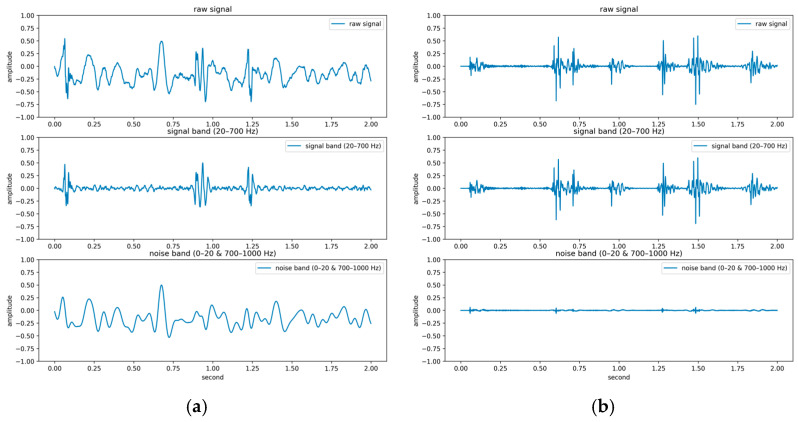 Figure 16
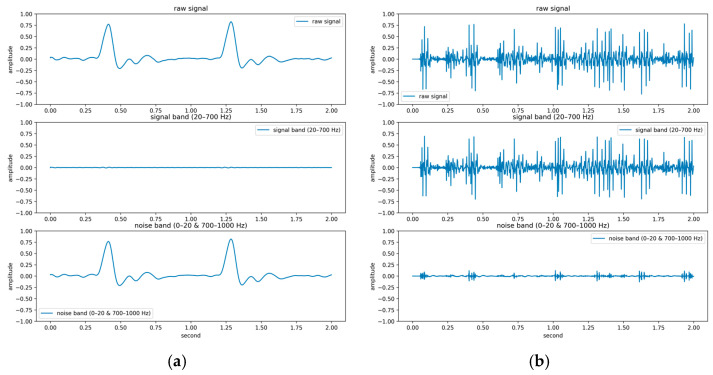 Figure 17
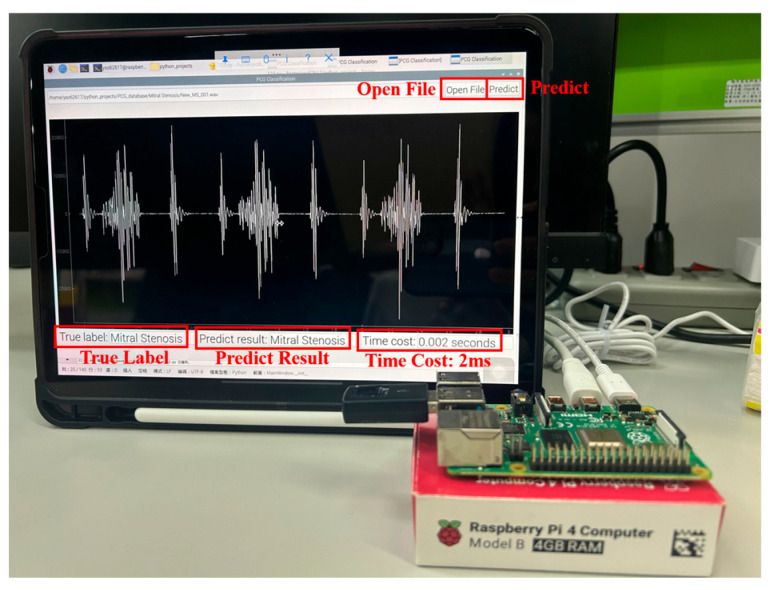 Figure 18
Peer Reviews
No public reviews on file for this paper yet. If you reviewed it on a platform where reviews are public (OpenReview, ICLR, NeurIPS, ICML), you can paste yours below so the community can read it here.
Videos
No videos yet. Explain this paper in a talk, walkthrough, or lecture? Add one.
Taxonomy
TopicsPhonocardiography and Auscultation Techniques · Cardiac Valve Diseases and Treatments · COVID-19 diagnosis using AI