Design of Functional Fluorine-Containing Coatings for 3D-Printed Items
Fedor Doronin, Georgy Rytikov, Andrey Evdokimov, Mikhail Savel’ev, Yuriy Rudyak, Victor Nazarov

TL;DR
This study shows how to design 3D-printed items with special surface textures and fluorine treatments to control water interaction and reduce friction.
Contribution
A novel method combining 3D printing design and gas-phase fluorination to control surface wettability and friction is introduced.
Findings
3D design changes can create anisotropic wetting with water contact angles varying from 76 to 116 degrees.
Fluorination treatment duration alters the hydrophilic/hydrophobic balance of 3D-printed surfaces.
The combination of 3D design and fluorination reduces friction and improves wettability of complex 3D-printed items.
Abstract
In this study, a surface texture design technique for 3D-extruded prototype products was developed. The study determines some target functional properties of polymer-made items. Four series of experimental samples (acrylonitrile–butadiene–styrene (ABS), thermoplastic polyurethane (TPU), polylactide (PLA), and polyethylene terephthalate glycol (PETG)) were 3D-printed using the fused filament fabrication (FFF) approach. The morphology and hydrophilic/hydrophobic balance of the surfaces of the experimental samples were regulated directly by the 3D design and by gas-phase fluorination techniques. The observed distilled water and ethylene glycol edge wetting angles of the surfaces of the experimental samples were determined by a 3D filament stroke arrangement. It was shown that varying the 3D design promoted hydrophobization and provided anisotropic wetting (the distilled water edge angle of…
Genes, proteins, chemicals, diseases, species, mutations and cell lines named across the full text — each resolved to its canonical identifier and authoritative record.
Click any figure to enlarge with its caption.
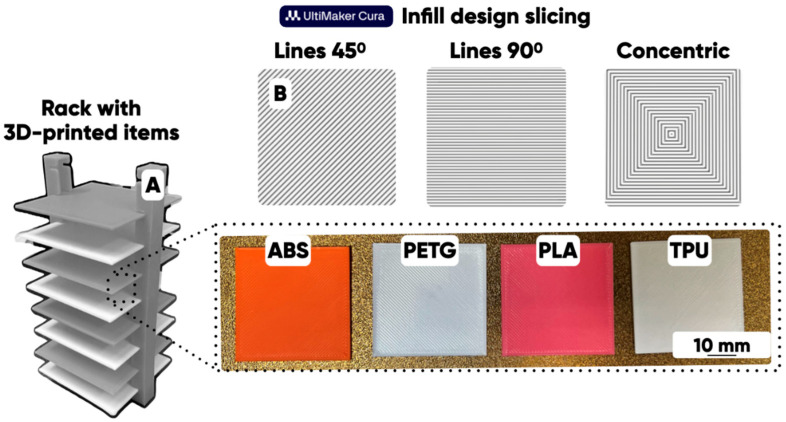 Figure 1
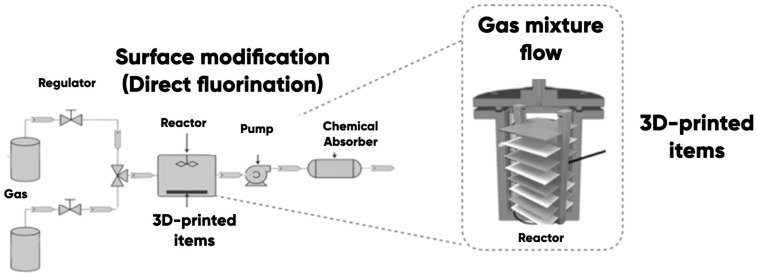 Figure 2
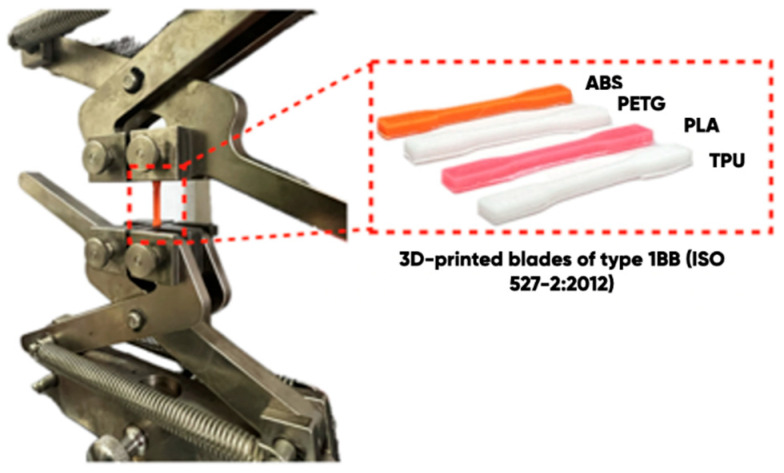 Figure 3
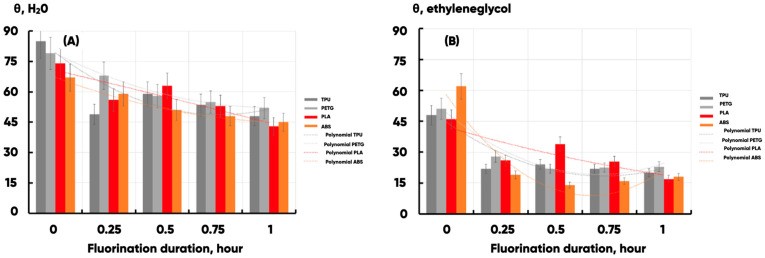 Figure 4
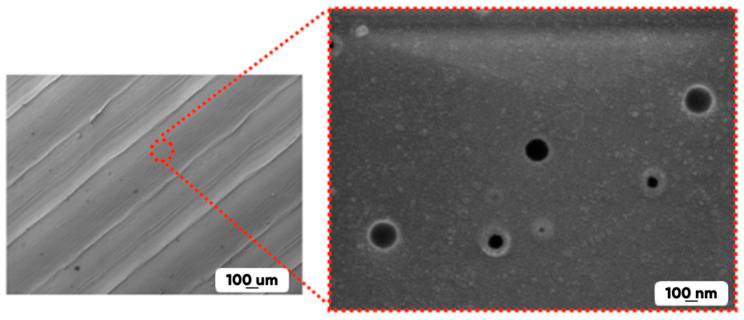 Figure 5
 Figure 6
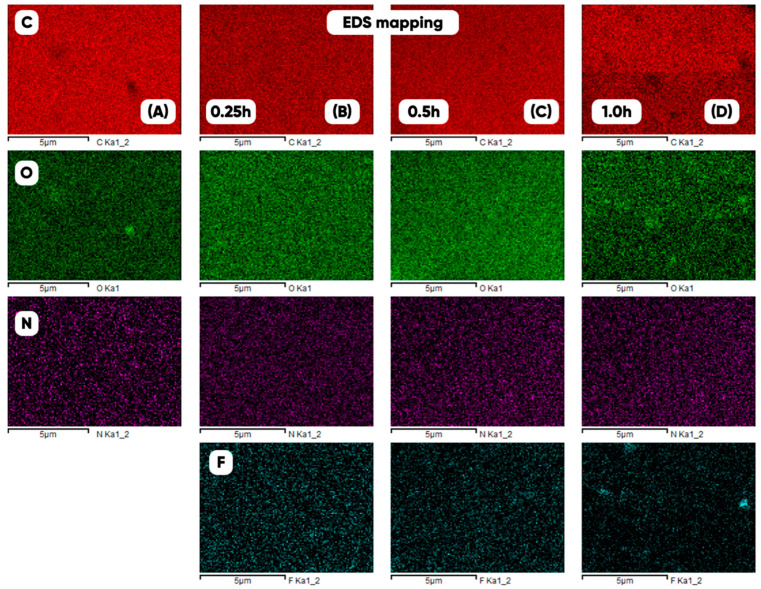 Figure 7
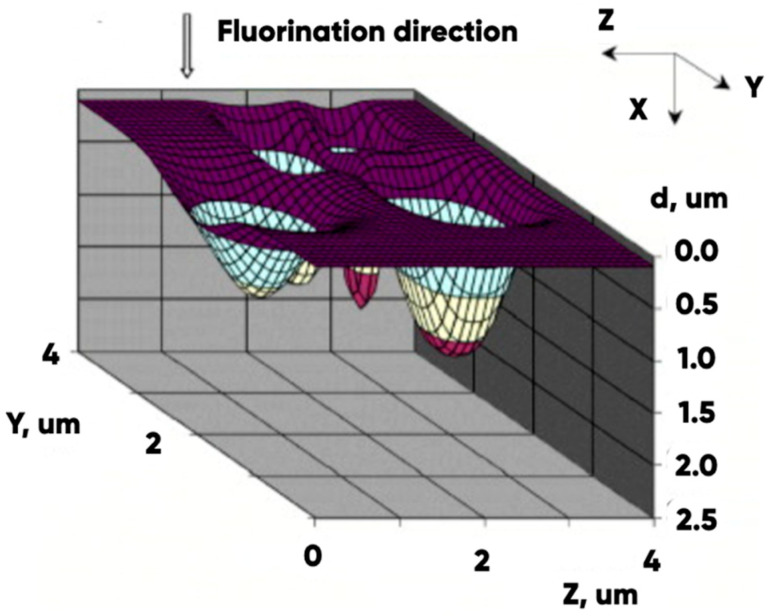 Figure 8
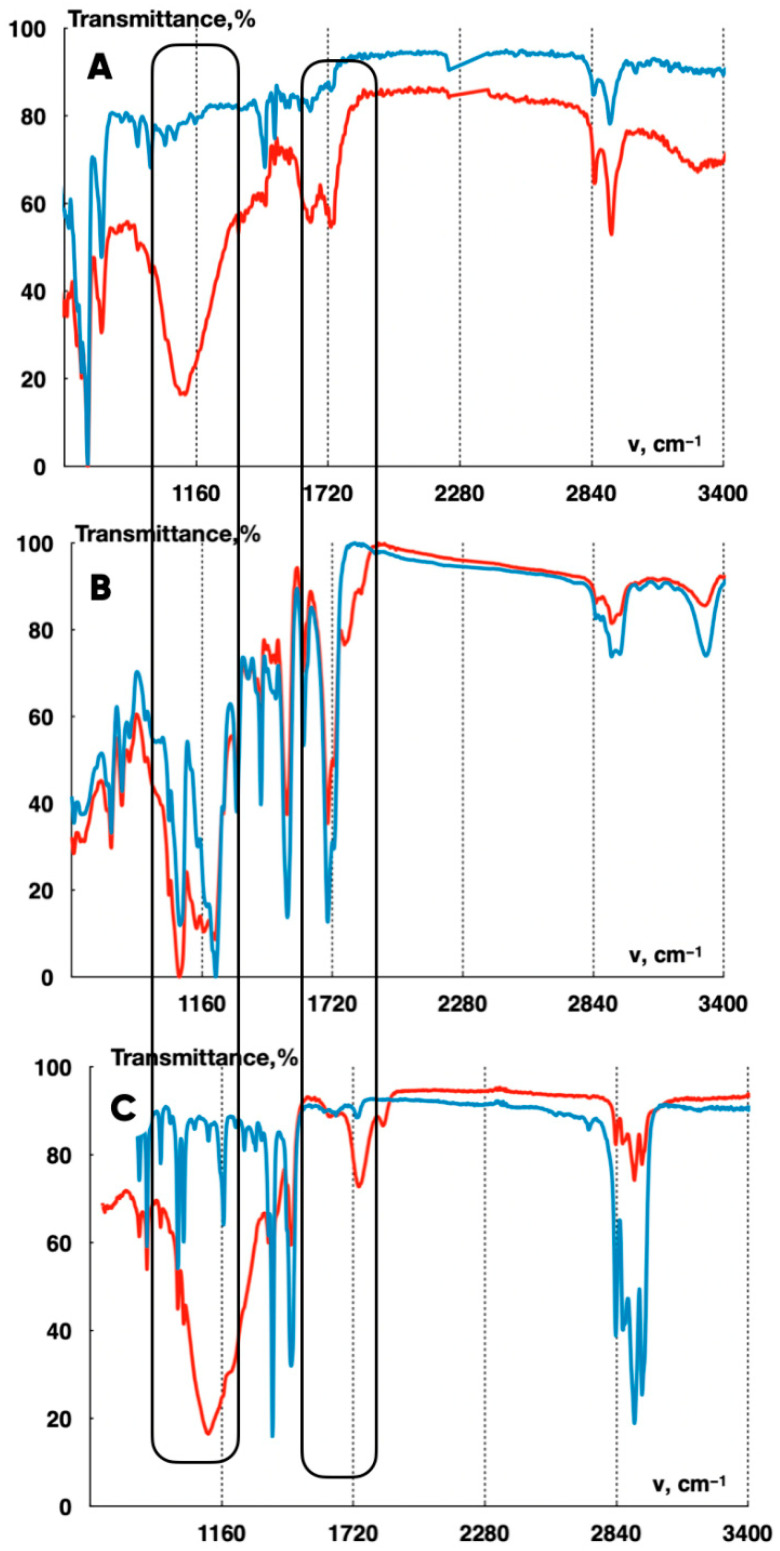 Figure 9
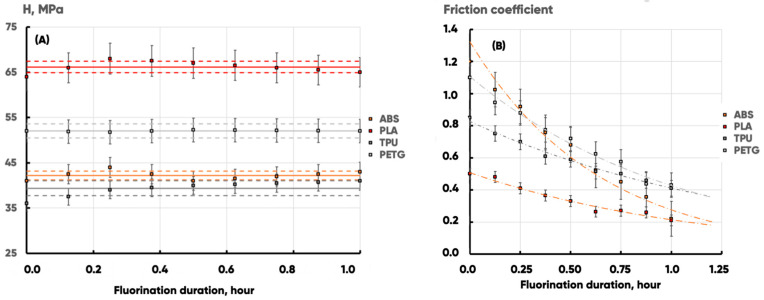 Figure 10
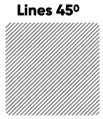 Figure 11
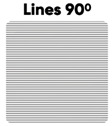 Figure 12
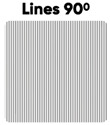 Figure 13
 Figure 14
 Figure 15
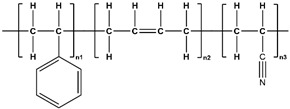 Figure 16
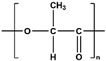 Figure 17
 Figure 18
 Figure 19
 Figure 20
 Figure 21
 Figure 22
 Figure 23
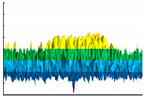 Figure 24
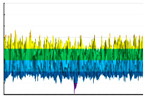 Figure 25
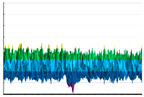 Figure 26
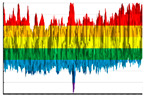 Figure 27
 Figure 28
 Figure 29
 Figure 30
 Figure 31
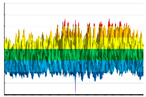 Figure 32
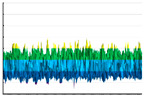 Figure 33
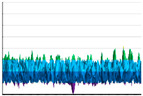 Figure 34
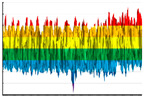 Figure 35
 Figure 36
 Figure 37
 Figure 38
 Figure 39
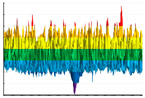 Figure 40
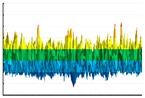 Figure 41
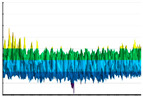 Figure 42
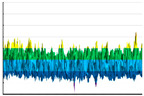 Figure 43
 Figure 44
 Figure 45
 Figure 46
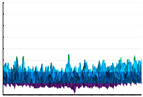 Figure 47
 Figure 48
 Figure 49
Peer Reviews
No public reviews on file for this paper yet. If you reviewed it on a platform where reviews are public (OpenReview, ICLR, NeurIPS, ICML), you can paste yours below so the community can read it here.
Videos
No videos yet. Explain this paper in a talk, walkthrough, or lecture? Add one.
Taxonomy
TopicsAdditive Manufacturing and 3D Printing Technologies · Surface Modification and Superhydrophobicity · Photopolymerization techniques and applications