Defense and Adaptive Strategies of Crithmum maritimum L. Against Insect Herbivory: Evidence of Phenotypic Plasticity
Liliya Naui, Yassine M’rabet, Bilel Halouani, Najet Chaabene, Faten Mezni, Abdelhamid Khaldi, Karim Hosni

TL;DR
This study shows how sea fennel adapts to insect attacks by changing its traits depending on environmental conditions and herbivory levels.
Contribution
The paper provides the first evidence of insect herbivory in Crithmum maritimum and reveals its adaptive defense strategies.
Findings
Low-herbivory populations show tolerance strategies with higher phenolics and antioxidants.
High-herbivory populations exhibit resistance strategies with elevated apiol and terpenes.
Phenotypic plasticity is evident in populations exposed to varying herbivory and climate conditions.
Abstract
Insect herbivory exerts strong selective pressure on plants, yet no study has documented its effects on the halophytic Apiaceae Crithmum maritimum L. (sea fennel). Here, we present the first evidence of natural insect attack on this species, based on five Tunisian coastal populations distributed along a transparent bioclimatic gradient—from sub-humid to semi-arid—and exposed to different levels of herbivory. We implemented an integrative, multi-trait analytical design encompassing morphological, biochemical, mineral, and lipophilic datasets. Each dataset was explored through a suite of complementary multivariate analyses, including ANOVA coupled with Tukey’s HSD, principal component analysis (PCA), partial least squares discriminant analysis (PLS-DA) with variable-importance-in-projection (VIP) scores, correlation matrices, hierarchical clustering, and distance-based redundancy analysis…
Genes, proteins, chemicals, diseases, species, mutations and cell lines named across the full text — each resolved to its canonical identifier and authoritative record.
Click any figure to enlarge with its caption.
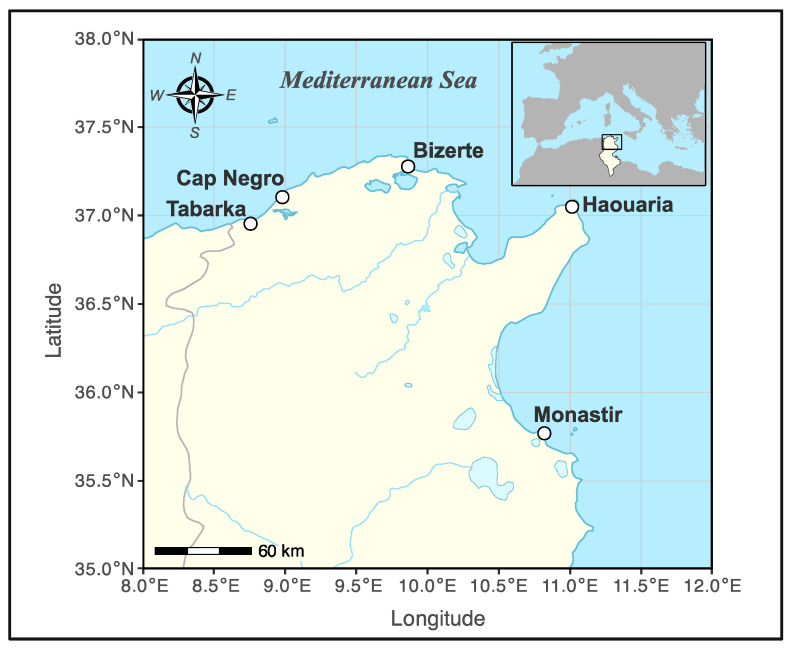 Figure 1
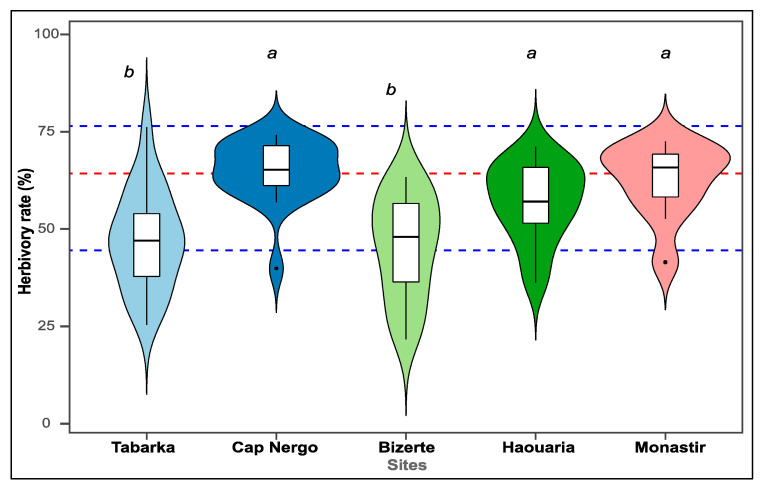 Figure 2
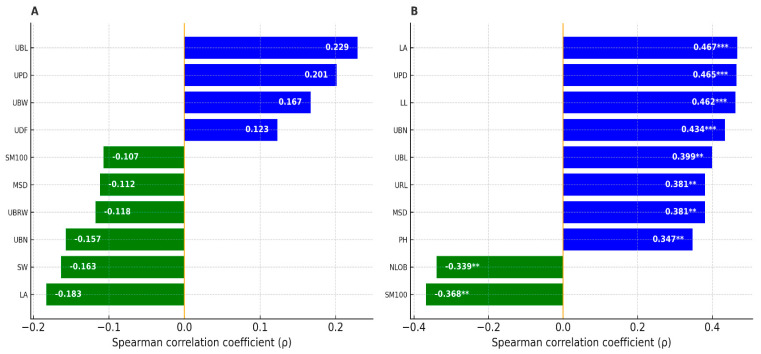 Figure 3
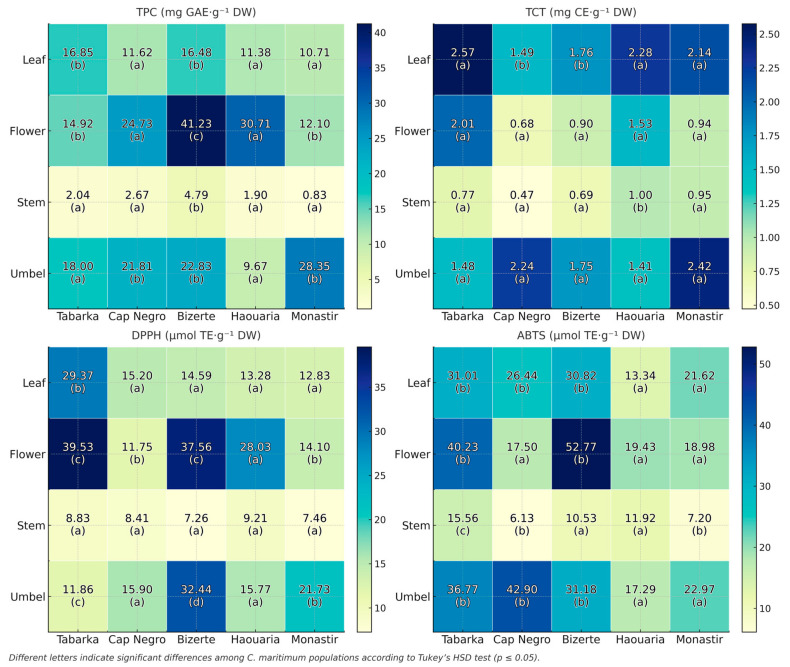 Figure 4
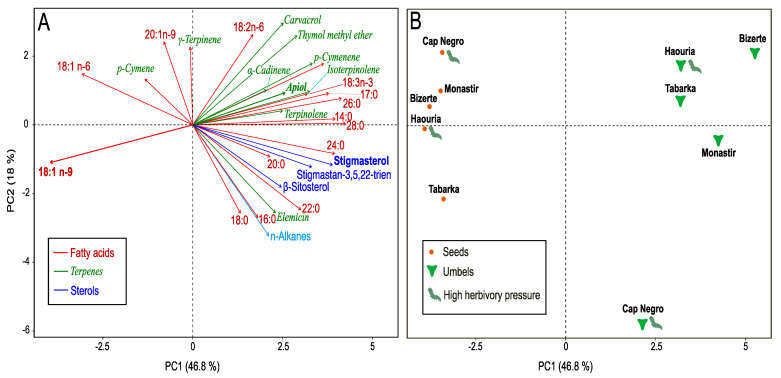 Figure 5
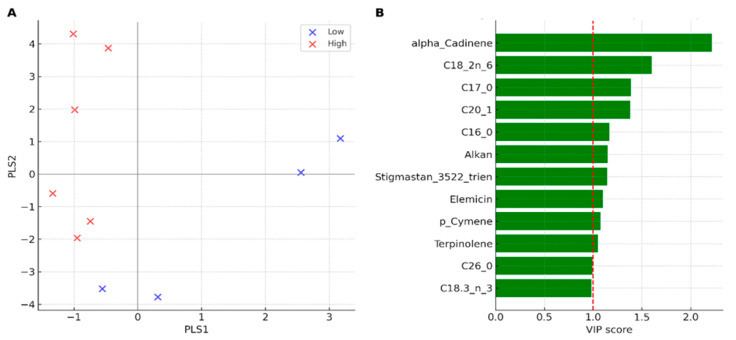 Figure 6
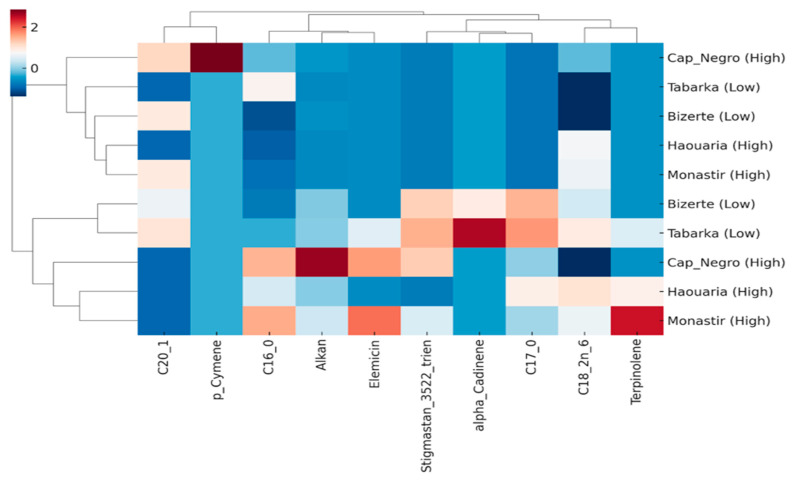 Figure 7
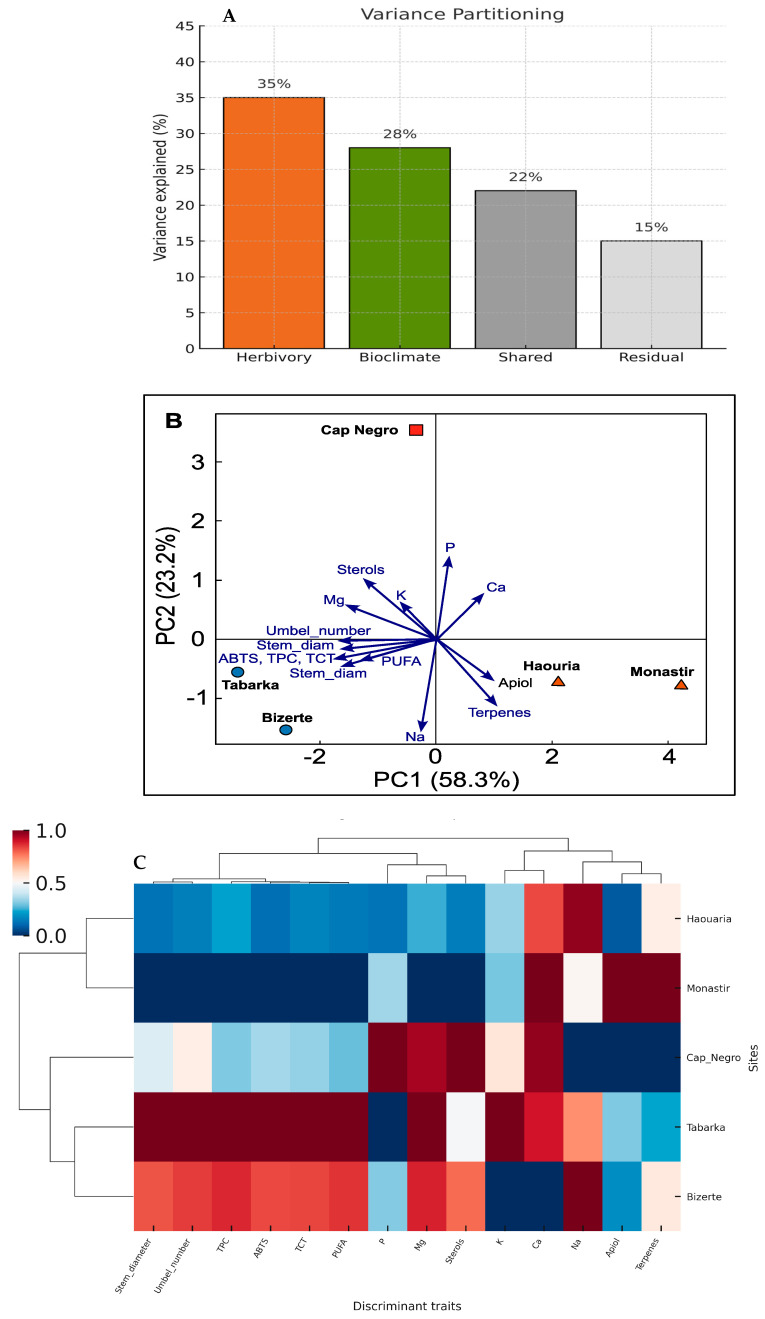 Figure 8
Peer Reviews
No public reviews on file for this paper yet. If you reviewed it on a platform where reviews are public (OpenReview, ICLR, NeurIPS, ICML), you can paste yours below so the community can read it here.
Videos
No videos yet. Explain this paper in a talk, walkthrough, or lecture? Add one.
Taxonomy
TopicsPlant chemical constituents analysis · Insect-Plant Interactions and Control · Genetic diversity and population structure