GS-MSDR: Gaussian Splatting with Multi-Scale Deblurring and Resolution Enhancement
Fang Wan, Sheng Ding, Tianyu Li, Guangbo Lei, Li Xu, Tingfeng Ming

TL;DR
This paper introduces GS-MSDR, a new method that improves 3D scene reconstruction by handling multiple types of image blur and enhancing resolution.
Contribution
GS-MSDR introduces a novel framework combining multi-scale deblurring and resolution enhancement for 3D Gaussian Splatting.
Findings
GS-MSDR outperforms existing methods in deblurring and 3D reconstruction under complex degradation scenarios.
The proposed MAAN and HPKO modules effectively recover fine details and reduce ambiguity in degraded regions.
The method achieves efficient rendering while maintaining high accuracy in the 3DGS framework.
Abstract
Recent advances in 3D Gaussian Splatting (3DGS) have achieved remarkable performance in scene reconstruction and novel view synthesis on benchmark datasets. However, real-world images are frequently affected by degradations such as camera shake, object motion, and lens defocus, which not only compromise image quality but also severely hinder the accuracy of 3D reconstruction—particularly in fine details. While existing deblurring approaches have made progress, most are limited to addressing a single type of blur, rendering them inadequate for complex scenarios involving multiple blur sources and resolution degradation. To address these challenges, we propose Gaussian Splatting with Multi-Scale Deblurring and Resolution Enhancement (GS-MSDR), a novel framework that seamlessly integrates multi-scale deblurring and resolution enhancement. At its core, our Multi-scale Adaptive Attention…
Genes, proteins, chemicals, diseases, species, mutations and cell lines named across the full text — each resolved to its canonical identifier and authoritative record.
Click any figure to enlarge with its caption.
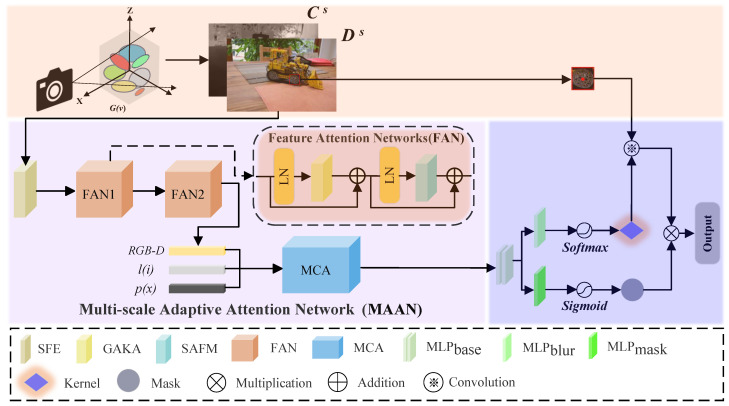 Figure 1
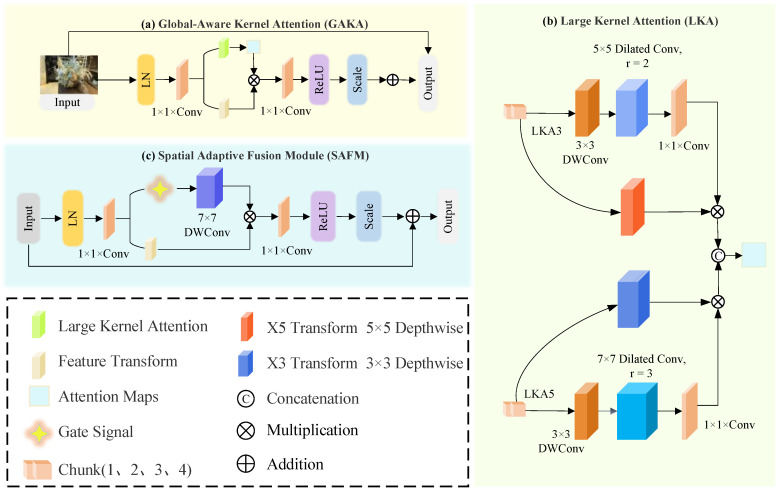 Figure 2
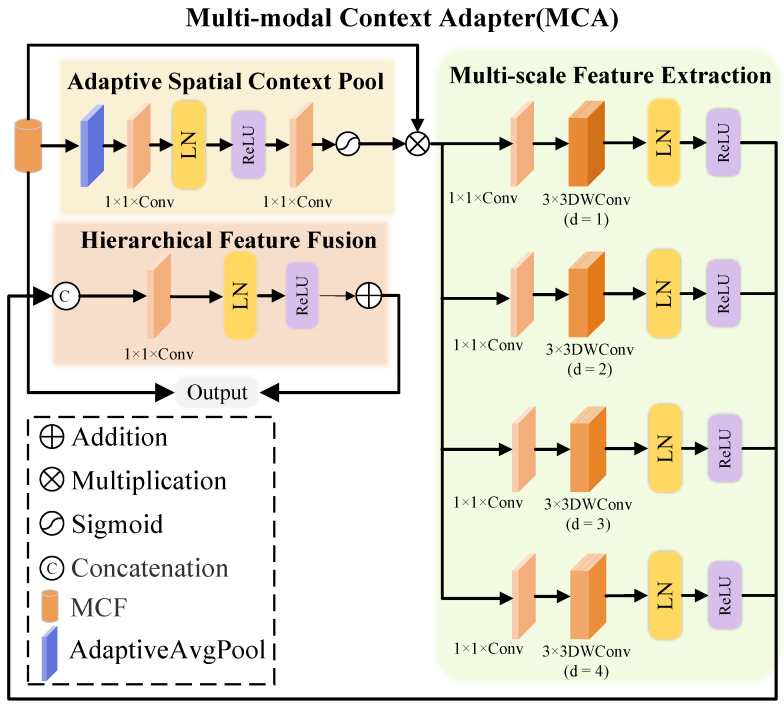 Figure 3
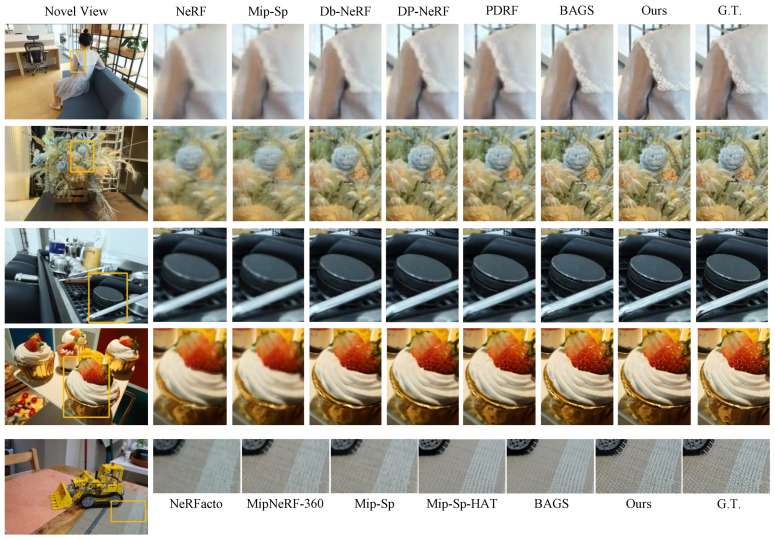 Figure 4
Peer Reviews
No public reviews on file for this paper yet. If you reviewed it on a platform where reviews are public (OpenReview, ICLR, NeurIPS, ICML), you can paste yours below so the community can read it here.
Videos
No videos yet. Explain this paper in a talk, walkthrough, or lecture? Add one.
Taxonomy
TopicsAdvanced Image Processing Techniques · Advanced Vision and Imaging · Generative Adversarial Networks and Image Synthesis