An ERA-CRISPR/Cas12a Method for Highly Sensitive Detection of Human Adenovirus Type 55
Letian Zhang, Zhenghan Luo, Taiwu Wang, Yifang Han, Fuqiang Ye, Chunhui Wang, Yue Chen, Jinhai Zhang

TL;DR
This paper presents a fast and sensitive method for detecting human adenovirus type 55 using a combination of ERA and CRISPR-Cas12a technologies.
Contribution
The study introduces a novel ERA-CRISPR/Cas12a method for detecting HAdV55 with high sensitivity and specificity.
Findings
The detection limit was as low as 9 copies/reaction for standard plasmids and 2.5 copies/reaction for cultured HAdV55 strains.
The method showed no cross-reactivity with other common respiratory pathogens or adenovirus subtypes.
The detection process was completed within 30 minutes at a constant temperature of 42 °C.
Abstract
Background/Objectives: Human adenovirus 55 (HAdV55) is a notable pathogen causing community-acquired pneumonia; outbreaks occur frequently in military camps, hospitals, and schools, thereby posing a threat to public health security. This study aimed to develop a method for detecting HAdV55 nucleic acid by targeting the conserved region of the Hexon gene. The sequence was amplified using enzymatic recombination isothermal amplification (ERA) technology, in conjunction with CRISPR-Cas12a technology, to enhance the amplification signal. Methods: Optimized primer and crRNA sequences were selected through ERA isothermal amplification testing. The ERA-CRISPR/Cas12a detection method was completed within 30 min at a constant temperature of 42 °C. Results: Sensitivity was assessed by detecting standard plasmids and live strains at various dilution concentrations. The detection limits were…
Genes, proteins, chemicals, diseases, species, mutations and cell lines named across the full text — each resolved to its canonical identifier and authoritative record.
Click any figure to enlarge with its caption.
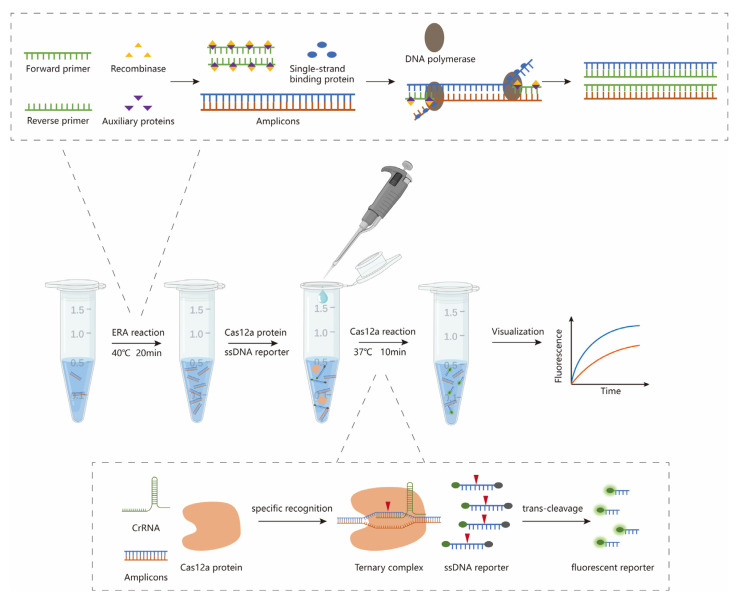 Figure 1
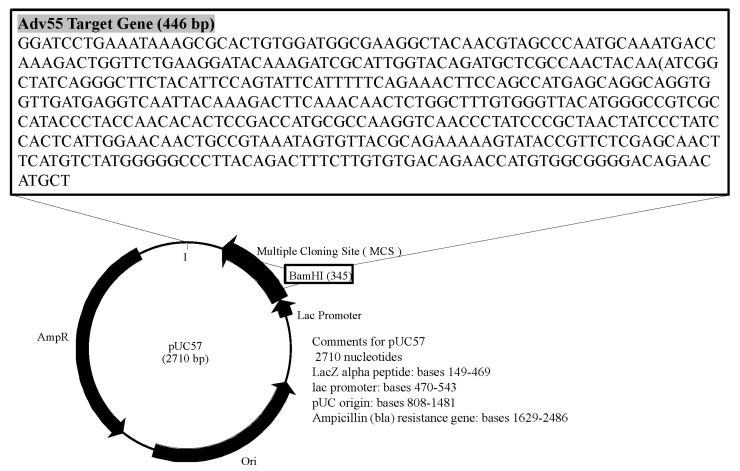 Figure 2
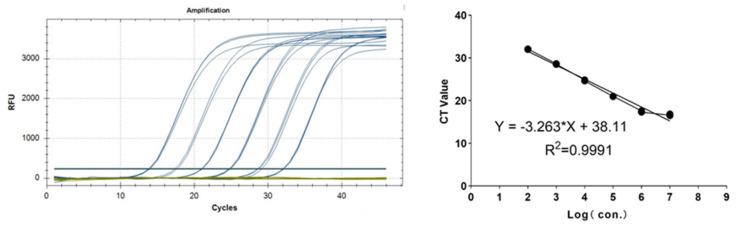 Figure 3
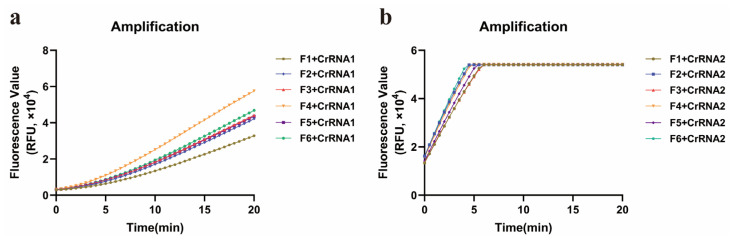 Figure 4
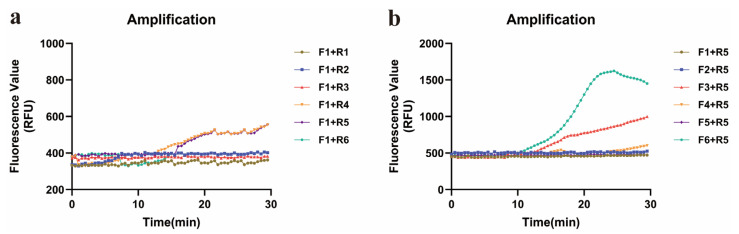 Figure 5
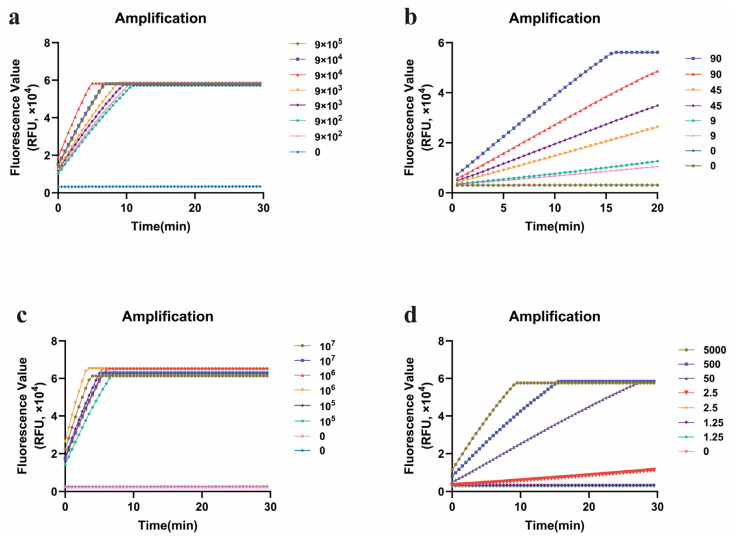 Figure 6
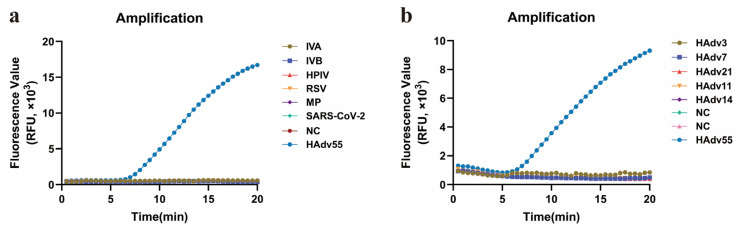 Figure 7
Peer Reviews
No public reviews on file for this paper yet. If you reviewed it on a platform where reviews are public (OpenReview, ICLR, NeurIPS, ICML), you can paste yours below so the community can read it here.
Videos
No videos yet. Explain this paper in a talk, walkthrough, or lecture? Add one.
Taxonomy
TopicsCRISPR and Genetic Engineering · Biosensors and Analytical Detection · Virus-based gene therapy research