Assessing the Functional Significance of Novel and Rare Variants of the SLC26A4 Gene Found in Patients with Hearing Loss by Minigene Assay
Valeriia Yu. Danilchenko, Ekaterina A. Panina, Marina V. Zytzar, Konstantin E. Orishchenko, Olga L. Posukh

TL;DR
This study assesses the impact of rare SLC26A4 gene variants on hearing loss by testing their effect on splicing in Siberian patients.
Contribution
The study experimentally validates the functional impact of novel and rare SLC26A4 variants using a minigene assay.
Findings
c.2034+1G>A caused aberrant splicing in vitro.
c.1708-18T>A led to exon 16 skipping in a small proportion of transcripts.
Most tested variants showed no detectable splicing effect.
Abstract
The SLC26A4 gene is one of the key genes involved in the etiology of hearing loss. It encodes pendrin, a transmembrane transporter protein functioning as a multifunctional anion exchanger. About 600 pathogenic SLC26A4 variants are known to cause either nonsyndromic recessive hearing loss (DFNB4) or Pendred syndrome (hearing loss and thyroid dysfunction). While most pathogenic variants occur in coding regions and disrupt pendrin structure or function, about 25% are thought to impair splicing. For many, pathogenicity has been assessed only in silico, with limited experimental confirmation. We identified several novel and rare SLC26A4 variants in patients with hearing loss from the Tyva and Altai Republics (Southern Siberia, Russia). Based on splicing predictions, six variants—intronic c.2034+1G>A, c.1545-168A>G, c.1708-125T>C, c.1708-18T>A, c.1804-31C>T, and exonic c.942A>G—were selected…
Genes, proteins, chemicals, diseases, species, mutations and cell lines named across the full text — each resolved to its canonical identifier and authoritative record.
Click any figure to enlarge with its caption.
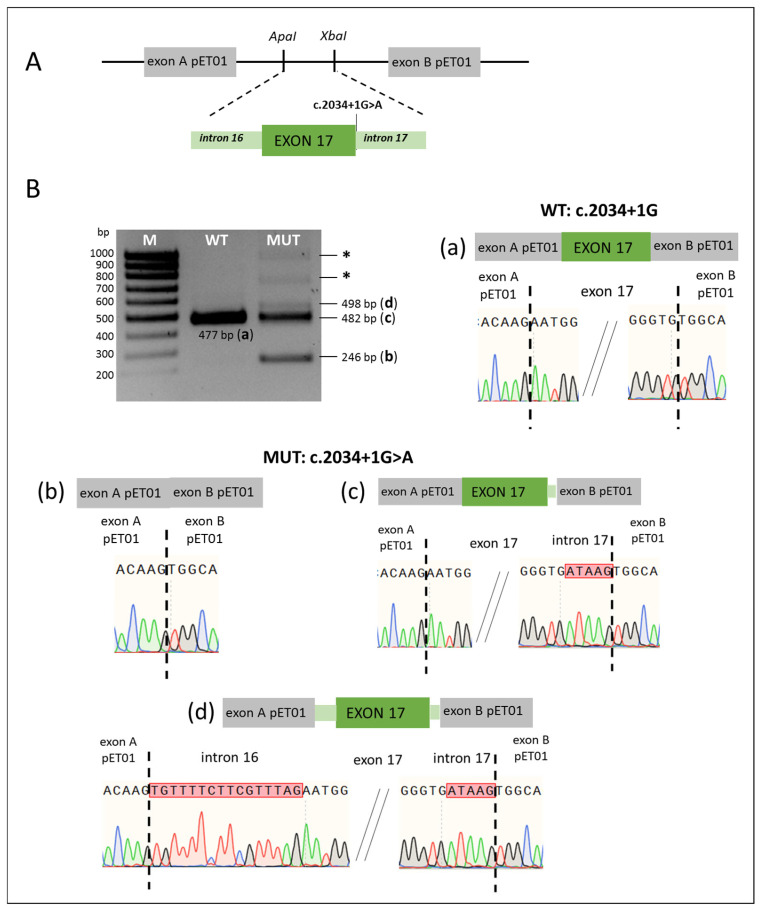 Figure 1
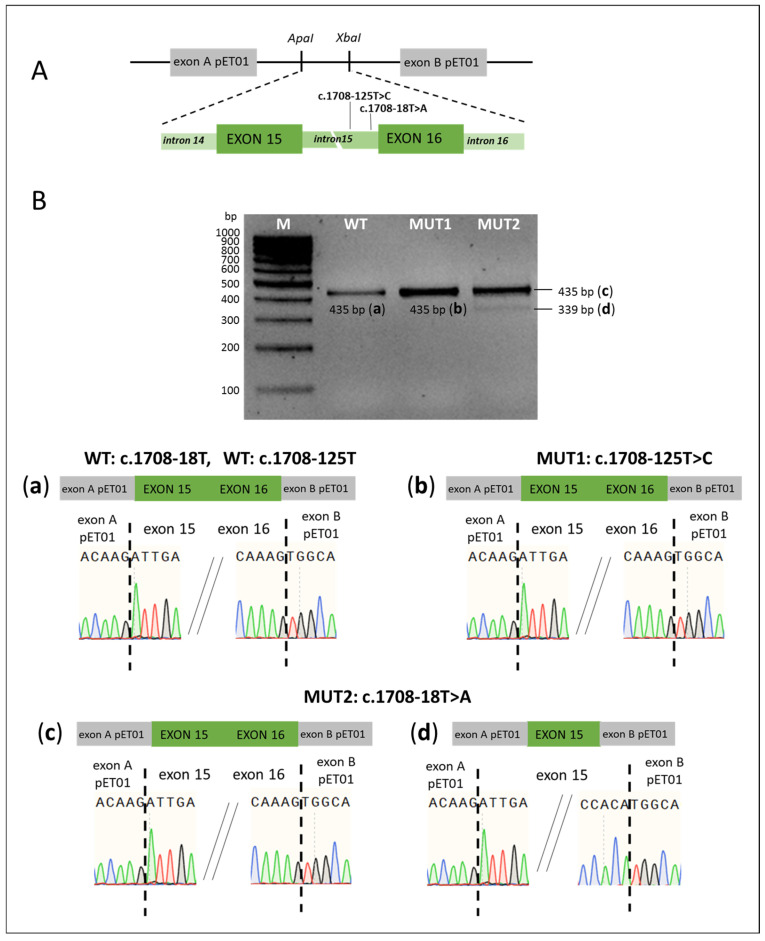 Figure 2
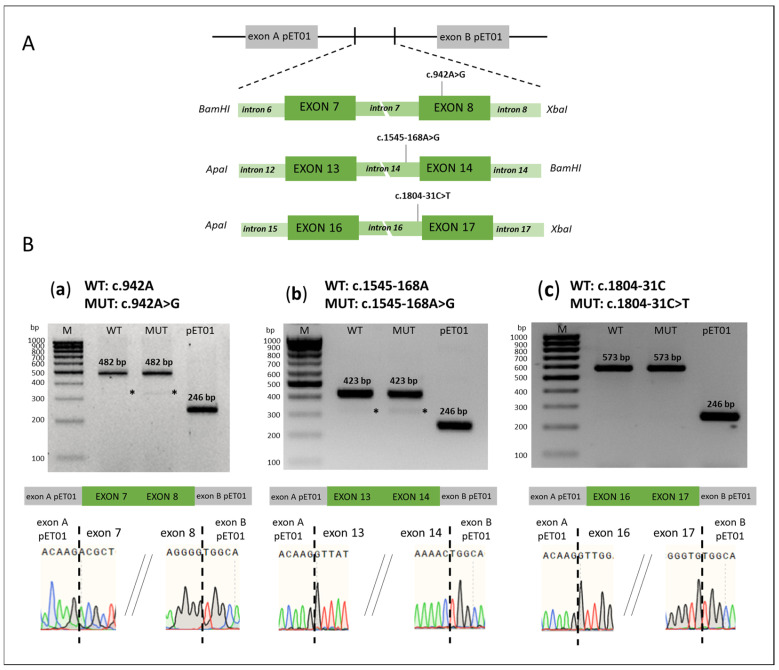 Figure 3
Peer Reviews
No public reviews on file for this paper yet. If you reviewed it on a platform where reviews are public (OpenReview, ICLR, NeurIPS, ICML), you can paste yours below so the community can read it here.
Videos
No videos yet. Explain this paper in a talk, walkthrough, or lecture? Add one.
Taxonomy
TopicsHearing, Cochlea, Tinnitus, Genetics · Vestibular and auditory disorders · Ion channel regulation and function