Preparation and Characterization of Camellia Oil Microcapsules Using Spray Drying Coupled with Sodium Caseinate/Xanthan Gum-Stabilized Emulsion Template
Lihua Zhang, Lala Li, Yingying Xin, Jiawei Xue, Zhenwei Li, Bakht Ramin Shah, Wei Xu

TL;DR
This study develops microcapsules from camellia oil using spray drying and emulsion templates, optimizing conditions for stability and functionality in food applications.
Contribution
The novel contribution is the systematic optimization of emulsion templates and spray drying parameters for high-performance camellia oil microcapsules.
Findings
0.3% xanthan gum and 165 °C drying temperature yielded optimal microcapsule properties.
Microcapsules showed high β-carotene encapsulation efficiency (89.6%) and DPPH scavenging rate (74.8%).
FTIR and TGA confirmed successful encapsulation and thermal stability of the microcapsules.
Abstract
To enhance the high-value utilization of camellia oil and innovation in functional foods, this study developed a stable emulsion template using xanthan gum (XG) and sodium caseinate (CAS) for the preparation of camellia oil microcapsules via spray drying. Employing scanning electron microscopy (SEM), Fourier transform infrared spectroscopy (FTIR), and thermogravimetric analysis (TGA), alongside additional analytical methods, this study systematically examined the influence of drying temperature (145 °C, 165 °C, and 185 °C) and XG concentration (0.2%, 0.3%, and 0.4%) on the physicochemical properties and functional attributes of the microcapsules. Results indicated that 0.3% XG was the optimal concentration, enabling uniform emulsion droplet dispersion while balancing microcapsule bulk density and solubility, thereby optimizing processing and dissolution properties. 165 °C was identified…
Genes, proteins, chemicals, diseases, species, mutations and cell lines named across the full text — each resolved to its canonical identifier and authoritative record.
Click any figure to enlarge with its caption.
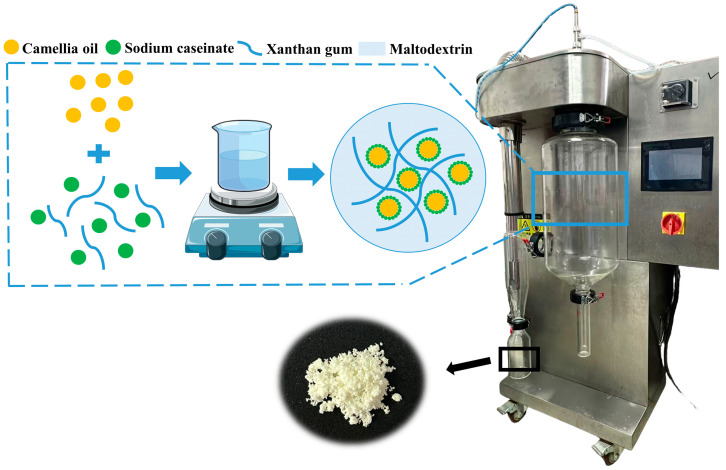 Figure 1
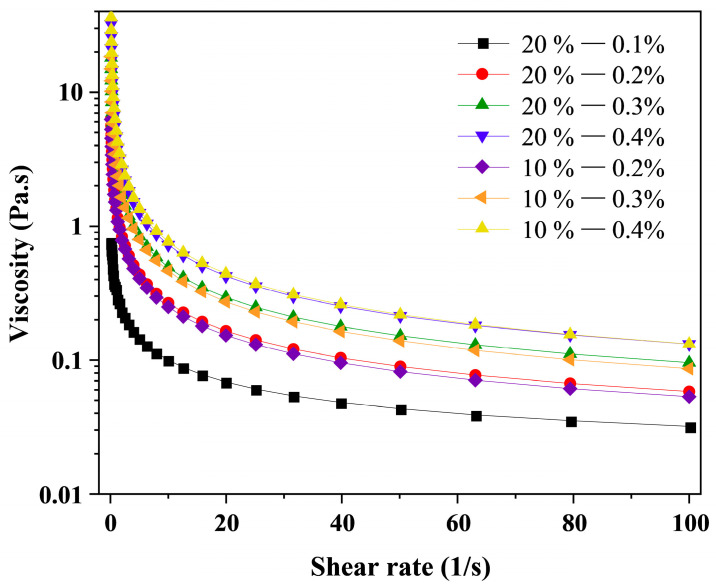 Figure 2
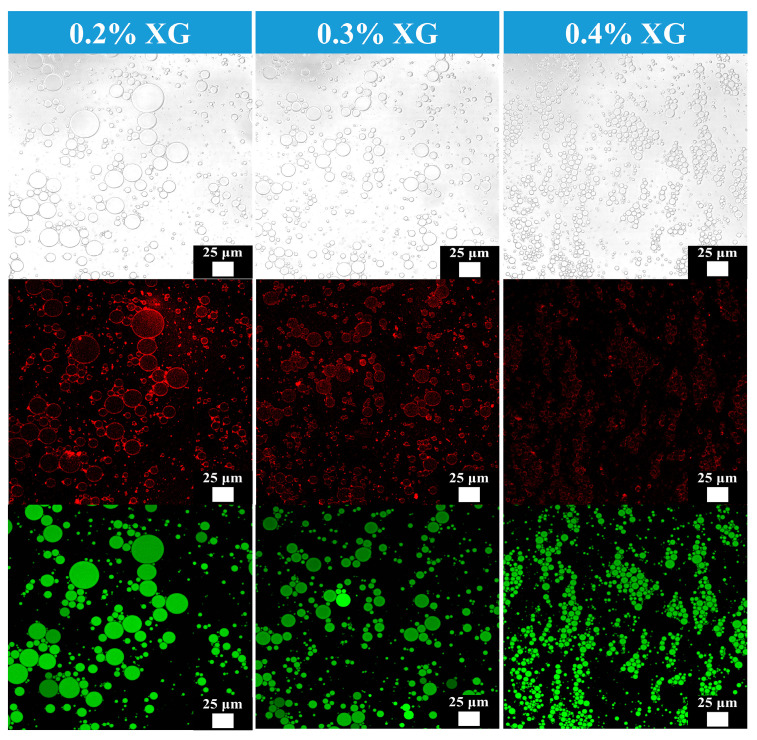 Figure 3
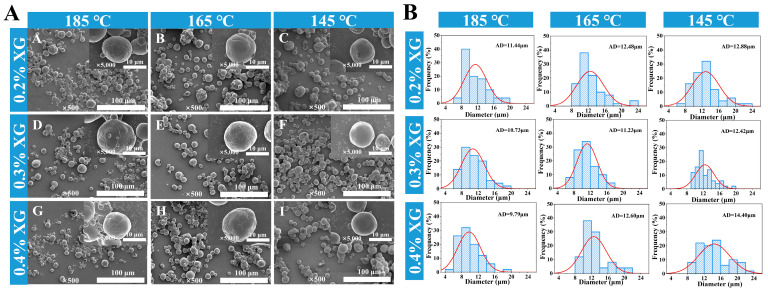 Figure 4
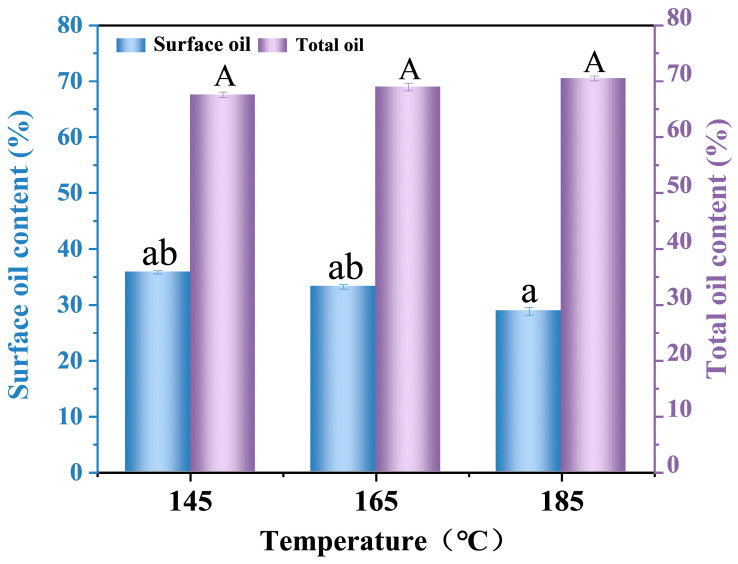 Figure 5
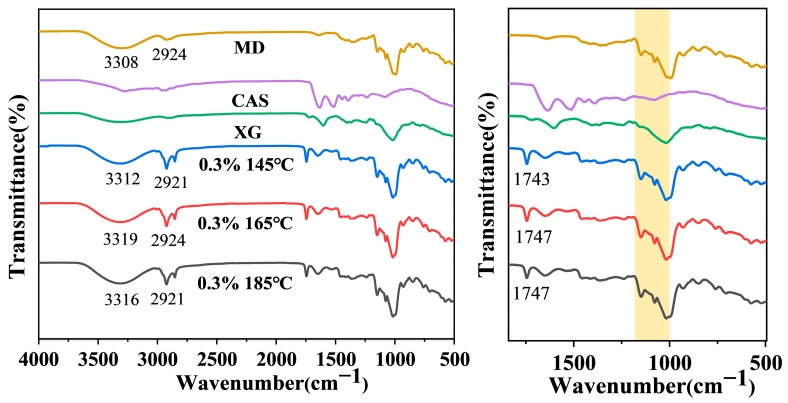 Figure 6
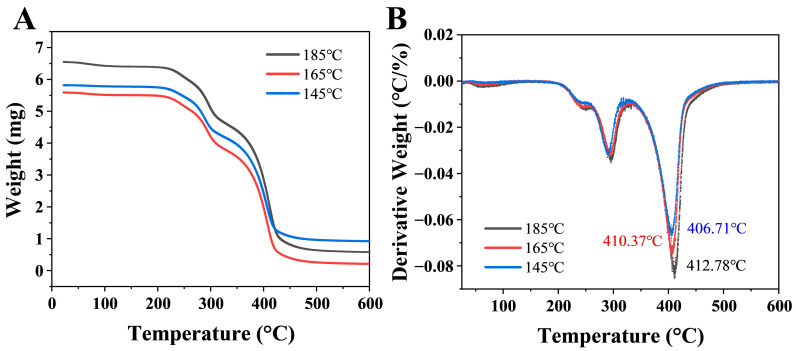 Figure 7
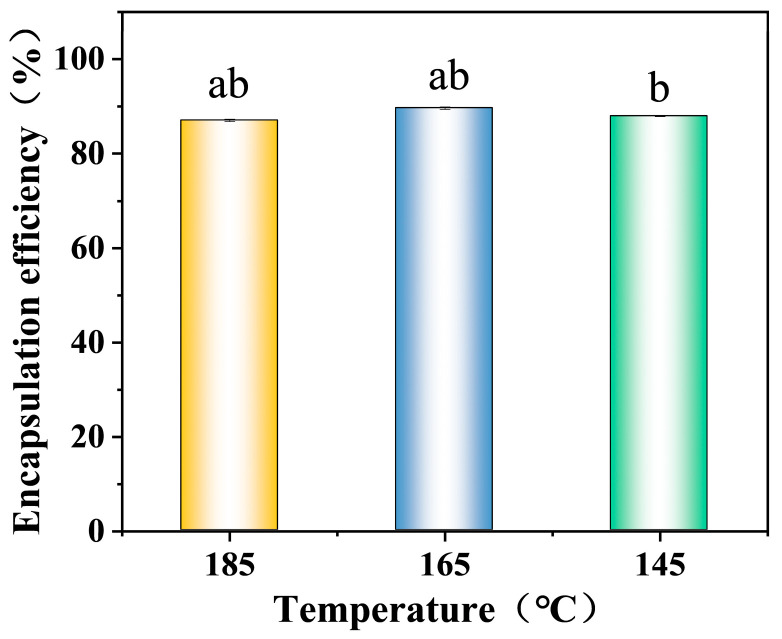 Figure 8
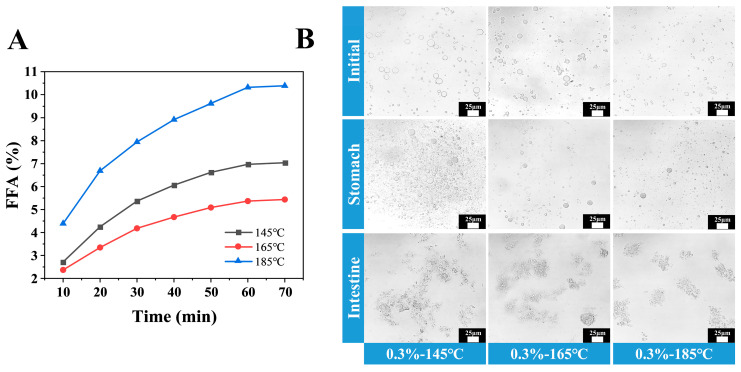 Figure 9
Peer Reviews
No public reviews on file for this paper yet. If you reviewed it on a platform where reviews are public (OpenReview, ICLR, NeurIPS, ICML), you can paste yours below so the community can read it here.
Videos
No videos yet. Explain this paper in a talk, walkthrough, or lecture? Add one.
Taxonomy
TopicsMicroencapsulation and Drying Processes · Proteins in Food Systems · Polysaccharides Composition and Applications