Gαi2 Signaling Regulates Neonatal Respiratory Adaptation
Veronika Leiss, Katja Pexa, Andreas Nowacki, James P. Bridges, Benedikt Duckworth-Mothes, Susanne Ammon-Treiber, Ana Novakovic, Franziska Zeyer, Hartwig Wolburg, Petra Fallier-Becker, Roland P. Piekorz, Matthias Schwab, Letizia Quintanilla-Martínez, Sandra Beer-Hammer

TL;DR
This study shows that Gαi2 signaling is important for neonatal breathing adaptation and that its absence can lead to respiratory distress and death in newborn mice.
Contribution
The study identifies neonatal respiratory adaptation as a novel physiological process regulated by Gαi2 signaling.
Findings
Gnai2-deficient neonates die shortly after birth due to impaired respiratory adaptation.
Deficiency in Gαi2 leads to structural and functional defects in alveolar surfactant organization.
Some neonates survive, indicating a regulatory rather than essential role for Gαi2 in this process.
Abstract
Heterotrimeric Gi proteins are crucial modulators of G protein-coupled receptor signaling, with Gαi2 ubiquitously expressed and implicated in diverse physiological processes. Previous reports described partial lethality in Gnai2-deficient mice, but the timing and mechanism of death remained unclear. Here, we demonstrate that impaired neonatal respiratory adaptation contributes to mortality in Gnai2-deficient neonates. Despite normal Mendelian distribution at birth and no overt malformations, at least 20% of the expected Gnai2-deficient neonates died within minutes after birth, displaying abnormal breathing, cyanosis, and features resembling neonatal respiratory distress syndrome (RDS). Histological and ultrastructural analyses revealed reduced alveolar surface area, thickened septa, increased mesenchymal tissue, and impaired surfactant ultrastructure, despite unaltered alveolar…
Genes, proteins, chemicals, diseases, species, mutations and cell lines named across the full text — each resolved to its canonical identifier and authoritative record.
Click any figure to enlarge with its caption.
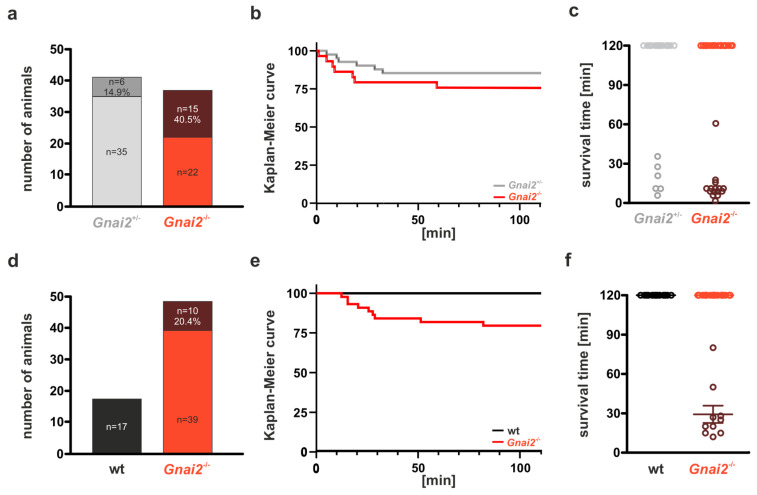 Figure 1
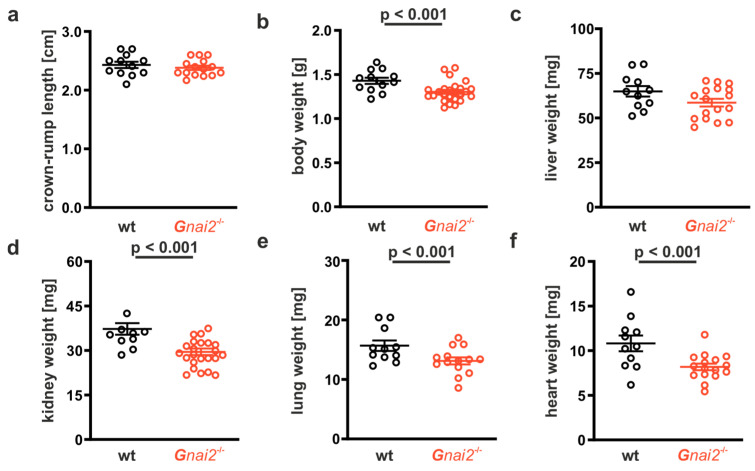 Figure 2
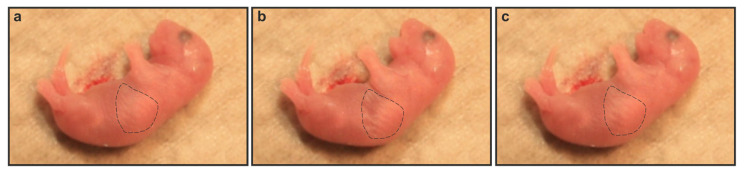 Figure 3
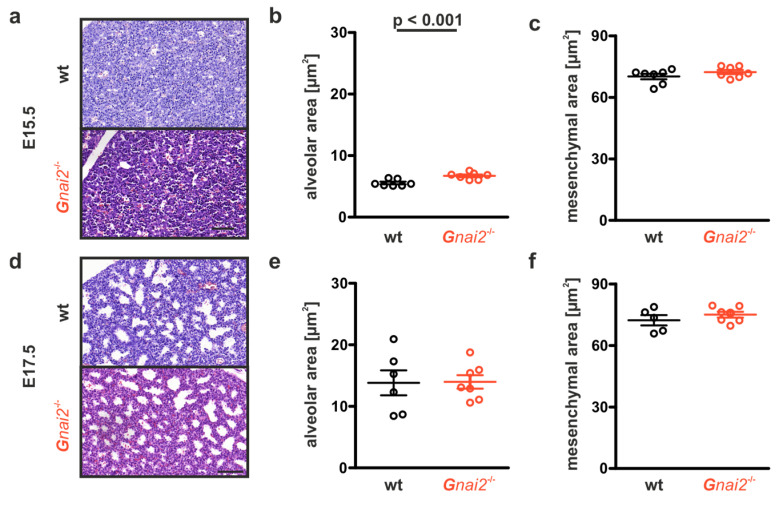 Figure 4
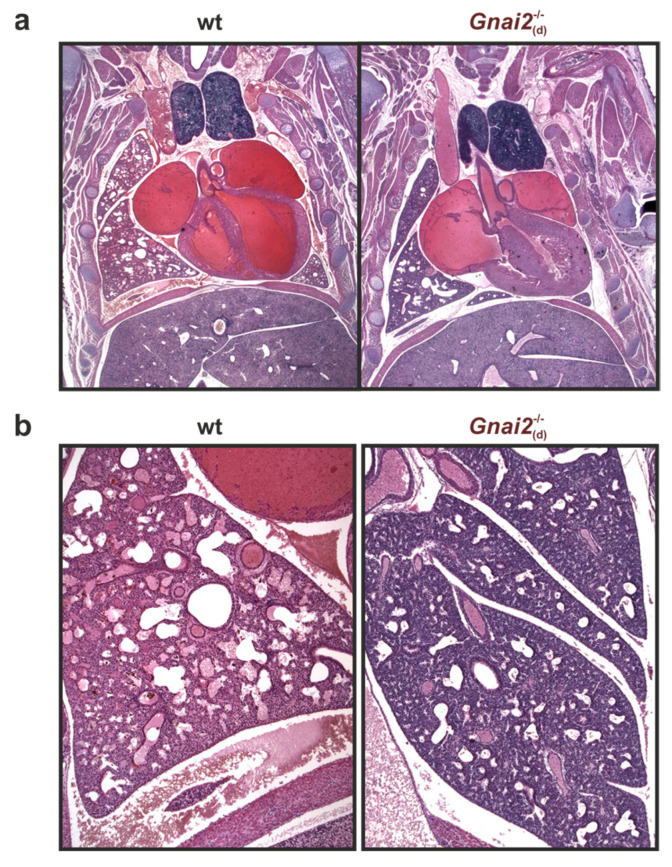 Figure 5
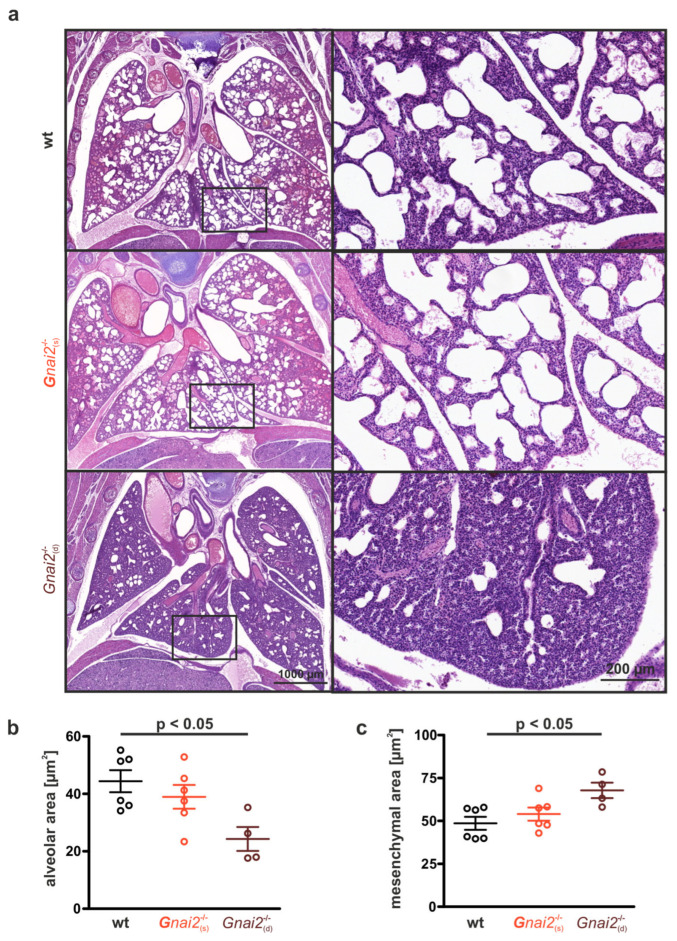 Figure 6
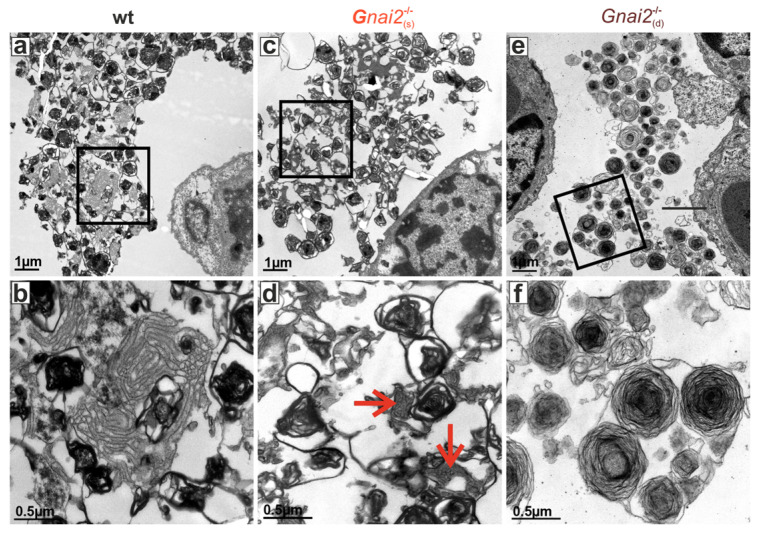 Figure 7
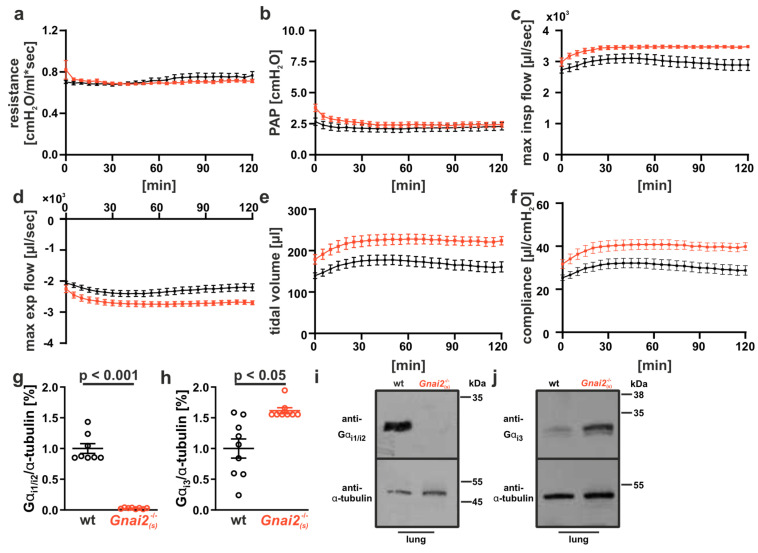 Figure 8
Peer Reviews
No public reviews on file for this paper yet. If you reviewed it on a platform where reviews are public (OpenReview, ICLR, NeurIPS, ICML), you can paste yours below so the community can read it here.
Videos
No videos yet. Explain this paper in a talk, walkthrough, or lecture? Add one.
Taxonomy
TopicsProtein Kinase Regulation and GTPase Signaling · Proteoglycans and glycosaminoglycans research · Pancreatic function and diabetes