Reproducibility and Relevance of Acromial Morphology Measurements in Shoulder Pathologies: A Critical Review of the Literature
Marc Mombellet, Ramy Samargandi, Julien Berhouet

TL;DR
This paper reviews how the shape of the acromion affects shoulder disorders, highlighting inconsistencies in measurements and suggesting the need for standardized 3D methods.
Contribution
The paper introduces a critical analysis of acromial morphology measurements, emphasizing the need for standardized 3D reference models to improve reproducibility.
Findings
Acromion morphology varies in posterior instability and massive cuff tears, but measurements lack consistency.
Current 2D methods and differing definitions limit reproducibility and clinical use of acromial parameters.
Standardized 3D models anchored to stable scapular landmarks are recommended for future research.
Abstract
Background: The morphology of the acromion has long been implicated in shoulder pathology, particularly in relation to subacromial impingement and rotator cuff disease. More recently, interest has shifted toward the posterior acromion, with studies examining its potential role in posterior instability, eccentric glenohumeral osteoarthritis, and massive rotator cuff tears. Methods: A critical literature review of nine studies assessing sagittal acromial tilt, posterior coverage, and acromial height was conducted, emphasizing reproducibility and clinical significance across different shoulder disorders. Results: In posterior instability and eccentric osteoarthritis, the acromion is generally described as more horizontally oriented, less covering posteriorly, and positioned higher. Conversely, in massive cuff tears, it tends to appear more posteriorly covering without consistent change in…
Genes, proteins, chemicals, diseases, species, mutations and cell lines named across the full text — each resolved to its canonical identifier and authoritative record.
Click any figure to enlarge with its caption.
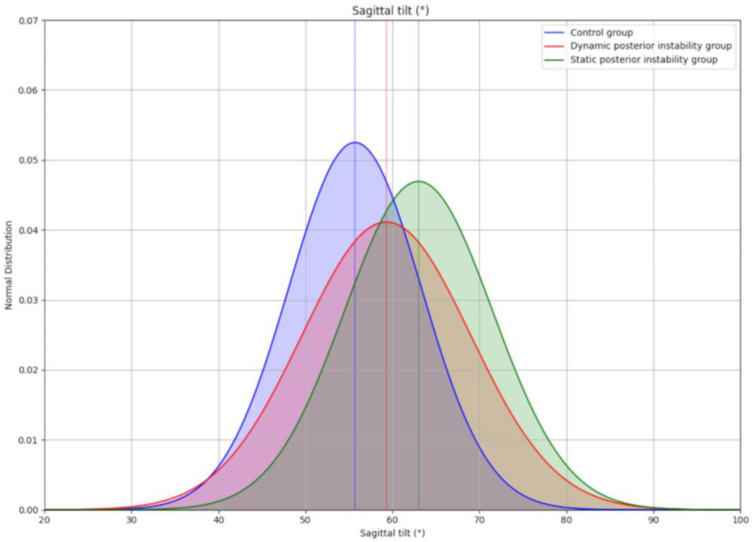 Figure 1
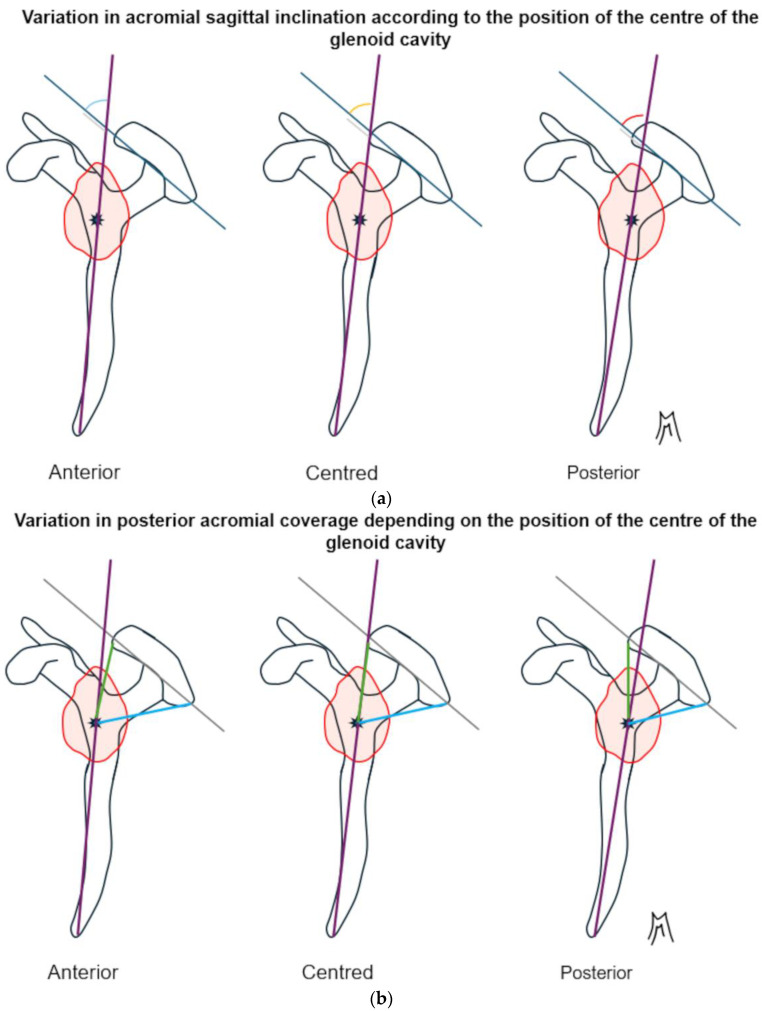 Figure 2
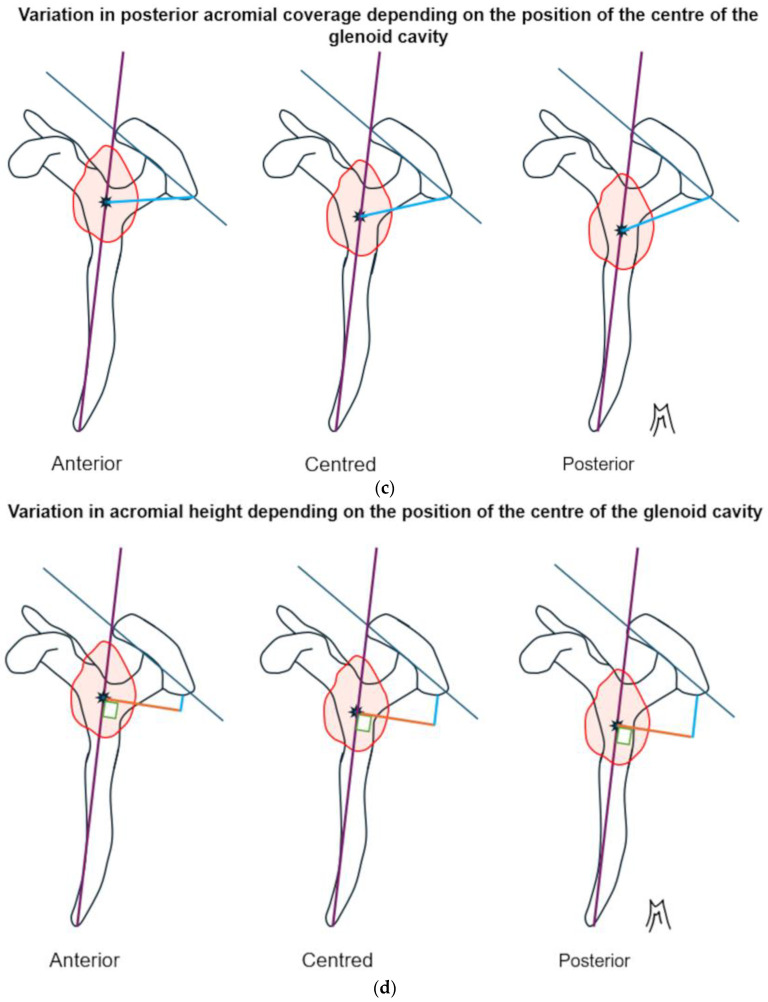 Figure 3
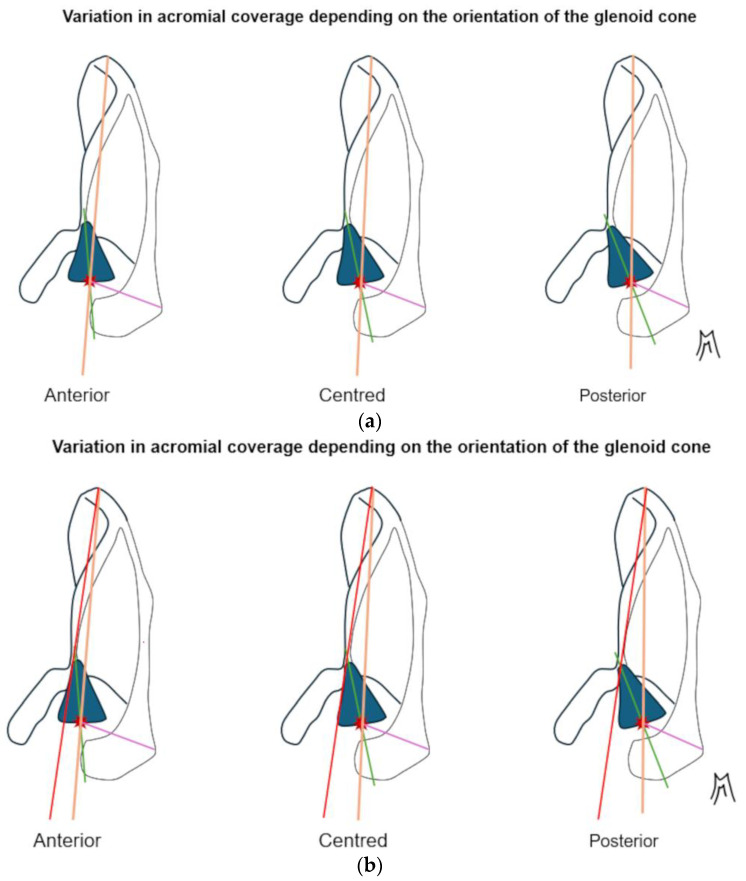 Figure 4
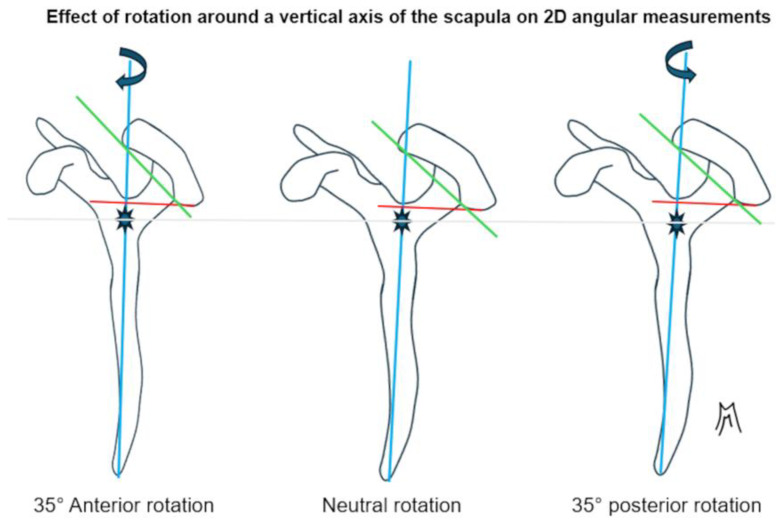 Figure 5
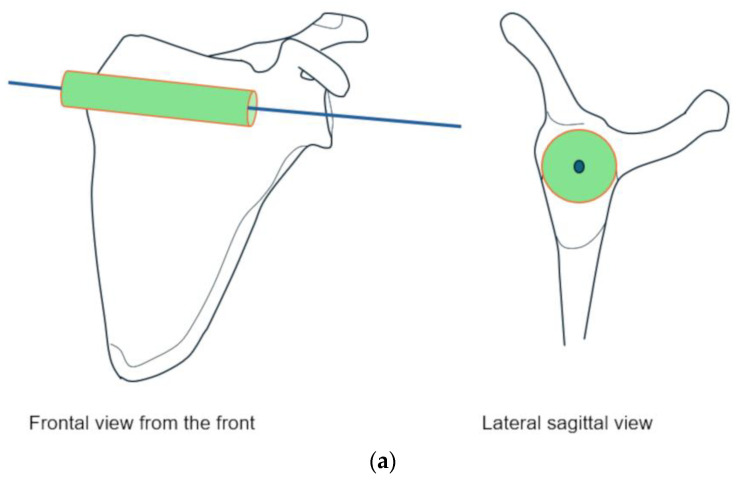 Figure 6
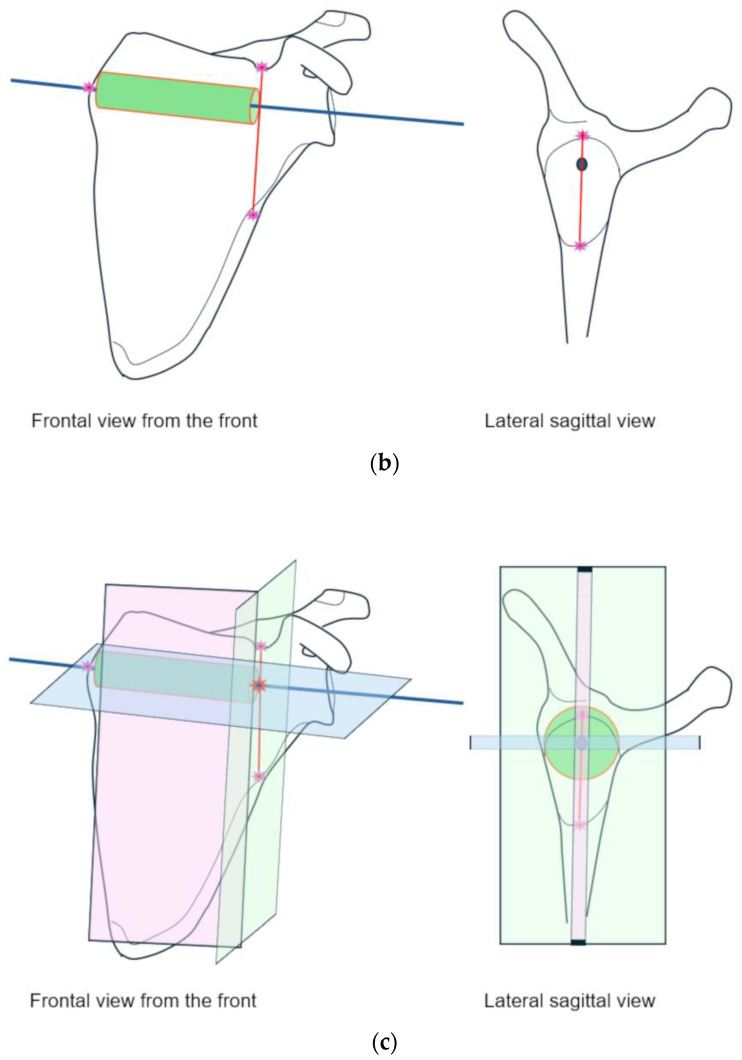 Figure 7
Peer Reviews
No public reviews on file for this paper yet. If you reviewed it on a platform where reviews are public (OpenReview, ICLR, NeurIPS, ICML), you can paste yours below so the community can read it here.
Videos
No videos yet. Explain this paper in a talk, walkthrough, or lecture? Add one.
Taxonomy
TopicsShoulder Injury and Treatment · Shoulder and Clavicle Injuries · Hip disorders and treatments