The Complete Mitochondrial Genome of the Stingless Bee Meliplebeia beccarii (Hymenoptera: Apidae: Meliponini) and Insights into Unusual Gene Rearrangement
Shi-Jie Wang, Jiao Wu, Abebe Jenberie Wubie, Cheng-Ye Wang

TL;DR
This paper reports the full mitochondrial genome of the Ethiopian stingless bee Meliplebeia beccarii and identifies unique gene rearrangements, offering insights into its evolution and conservation.
Contribution
The study presents the first complete mitogenome of M. beccarii and reveals unusual gene rearrangements and structural features.
Findings
The mitogenome is 15,458 bp with an A + T bias of 83.9%.
Unique gene features include the absence of trnI, trnK, and trnA, and translocations of trnQ and trnT-trnP.
Phylogenetic analysis places M. beccarii within the Apidae lineage.
Abstract
The stingless bee Meliplebeia beccarii, endemic to Ethiopia, plays a crucial ecological and economic role through pollination and high-quality honey production. However, habitat degradation and anthropogenic pressures threaten its survival. In this study, we present the complete mitochondrial genome (mitogenome) of M. beccarii, revealing a compact structure of 15,458 bp with 13 protein-coding genes (PCGs), 19 tRNAs, and two rRNAs, characterized by an A + T bias (83.9%). Unique features include the absence of trnI, trnK, and trnA, translocation of trnQ and a novel inversion in the trnT-trnP combination. These findings highlight species-specific genomic adaptations. Phylogenetic analysis based on concatenated PCGs places M. beccarii within the Apidae lineage, contributing to a deeper understanding of stingless bee evolution. Our results underscore the utility of mitogenomic studies in…
Genes, proteins, chemicals, diseases, species, mutations and cell lines named across the full text — each resolved to its canonical identifier and authoritative record.
Click any figure to enlarge with its caption.
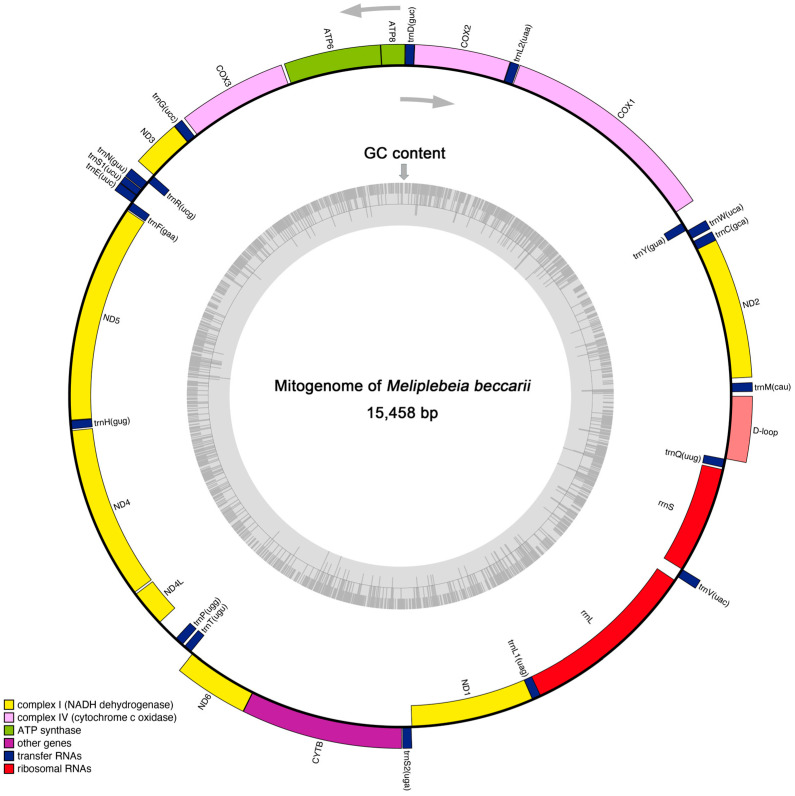 Figure 1
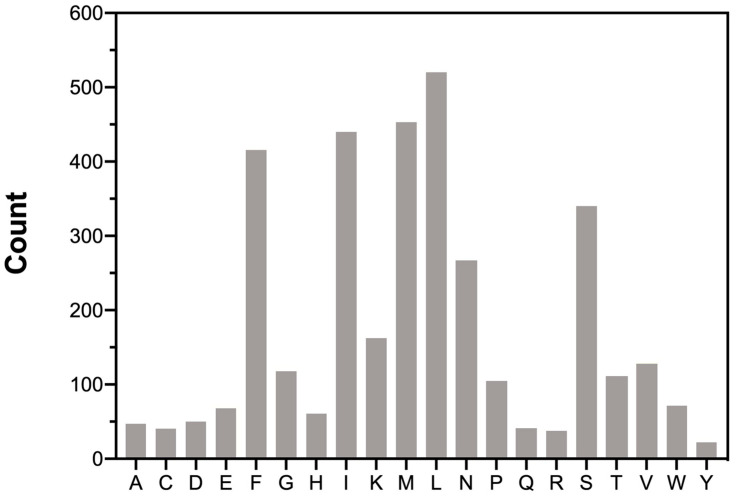 Figure 2
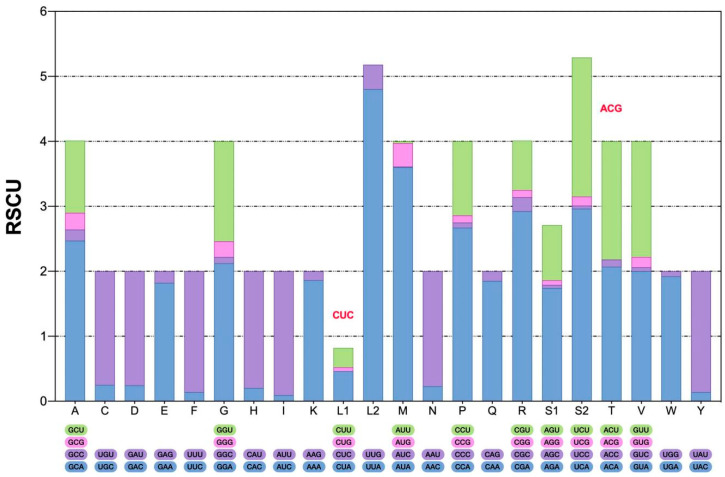 Figure 3
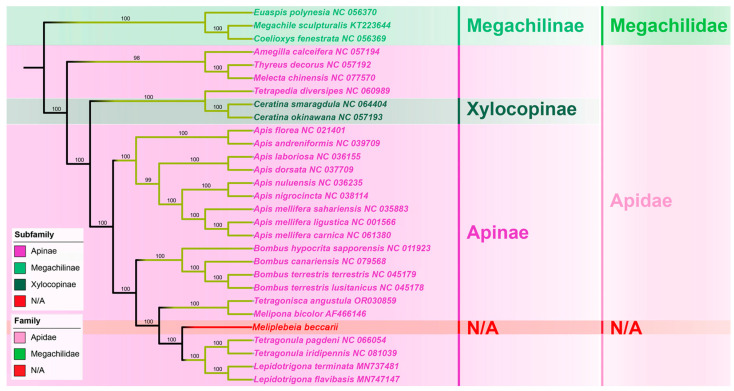 Figure 4
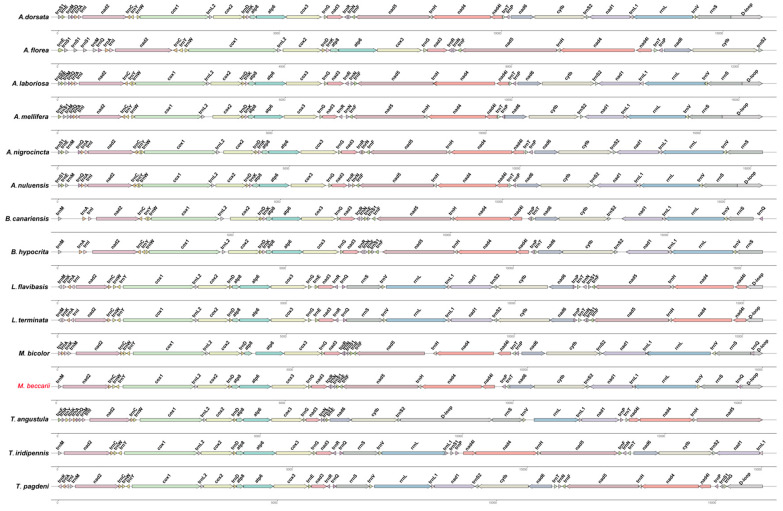 Figure 5
Peer Reviews
No public reviews on file for this paper yet. If you reviewed it on a platform where reviews are public (OpenReview, ICLR, NeurIPS, ICML), you can paste yours below so the community can read it here.
Videos
No videos yet. Explain this paper in a talk, walkthrough, or lecture? Add one.
Taxonomy
TopicsInsect and Arachnid Ecology and Behavior · Genomics and Phylogenetic Studies · Plant and animal studies