Small Intestine Tumors: Diagnostic Role of Multiparametric Ultrasound
Kathleen Möller, Christian Jenssen, Klaus Dirks, Alois Hollerweger, Heike Gottschall, Siegbert Faiss, Christoph F. Dietrich

TL;DR
This review discusses how ultrasound can help diagnose rare small intestine tumors, highlighting its underused potential compared to other imaging methods.
Contribution
The paper emphasizes the underutilized diagnostic value of modern transabdominal ultrasound for small intestine tumors.
Findings
Ultrasound can detect wall thickening, loss of wall stratification, and luminal stenosis in small intestine tumors.
US can also identify dilatation of proximal small-intestinal segments and associated lymphadenopathy.
The review advocates for increased use of ultrasound in the diagnostic workflow for these rare tumors.
Abstract
Small intestine tumors are rare. The four main groups include adenocarcinomas, neuroendocrine neoplasms (NEN), lymphomas, and mesenchymal tumors. The jejunum and ileum can only be examined endoscopically with device-assisted enteroscopy techniques (DAET), which are indicated only when specific clinical or imaging findings are present. The initial diagnosis of tumors of the small intestine is mostly made using computed tomography (CT). Video capsule endoscopy (VCE), computed tomography (CT) enterography, and magnetic resonance (MR) enterography are also time-consuming and costly modalities. Modern transabdominal gastrointestinal ultrasound (US) with high-resolution transducers is a dynamic examination method that is underrepresented in the diagnosis of small intestine tumors. US can visualize wall thickening, loss of wall stratification, luminal stenosis, and dilatation of proximal…
Genes, proteins, chemicals, diseases, species, mutations and cell lines named across the full text — each resolved to its canonical identifier and authoritative record.
Click any figure to enlarge with its caption.
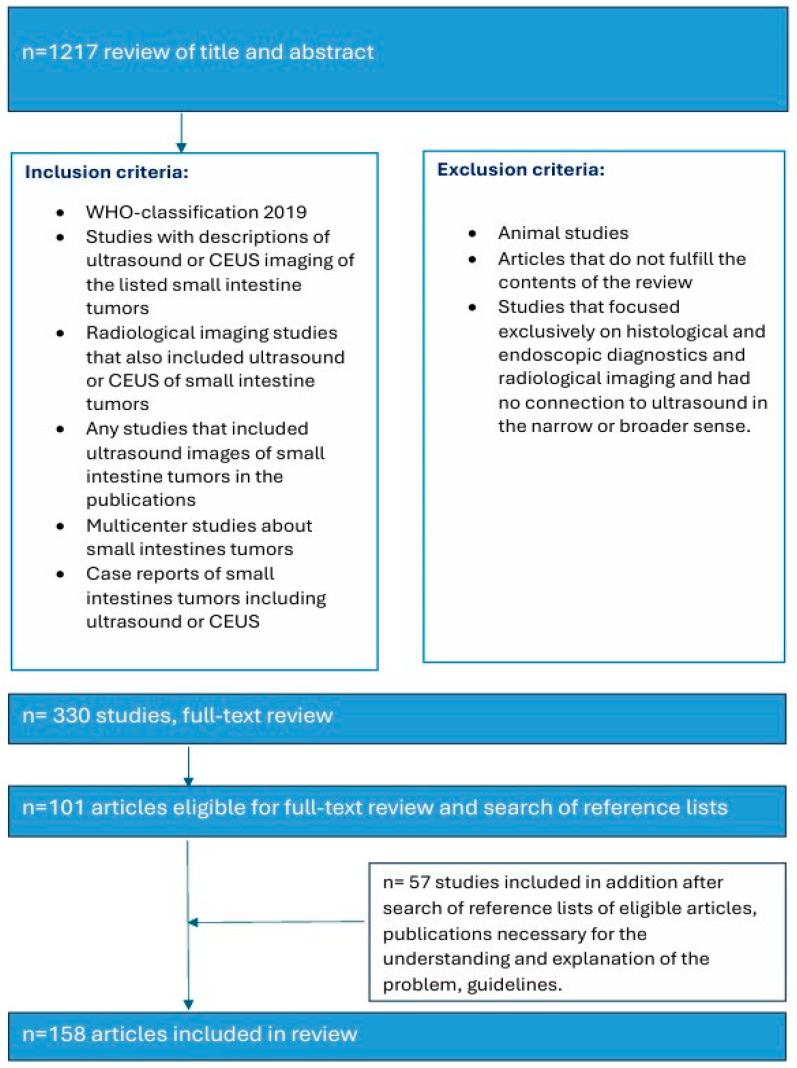 Figure 1
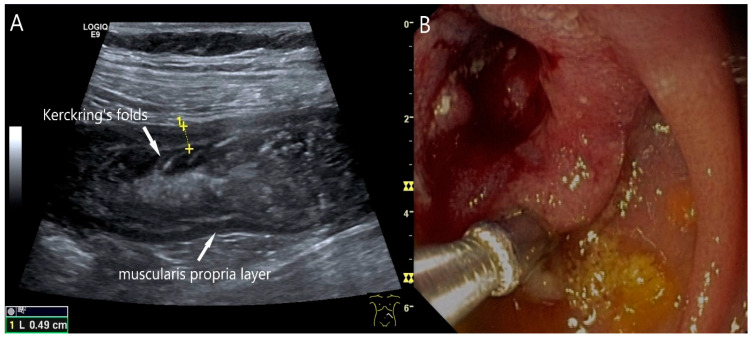 Figure 2
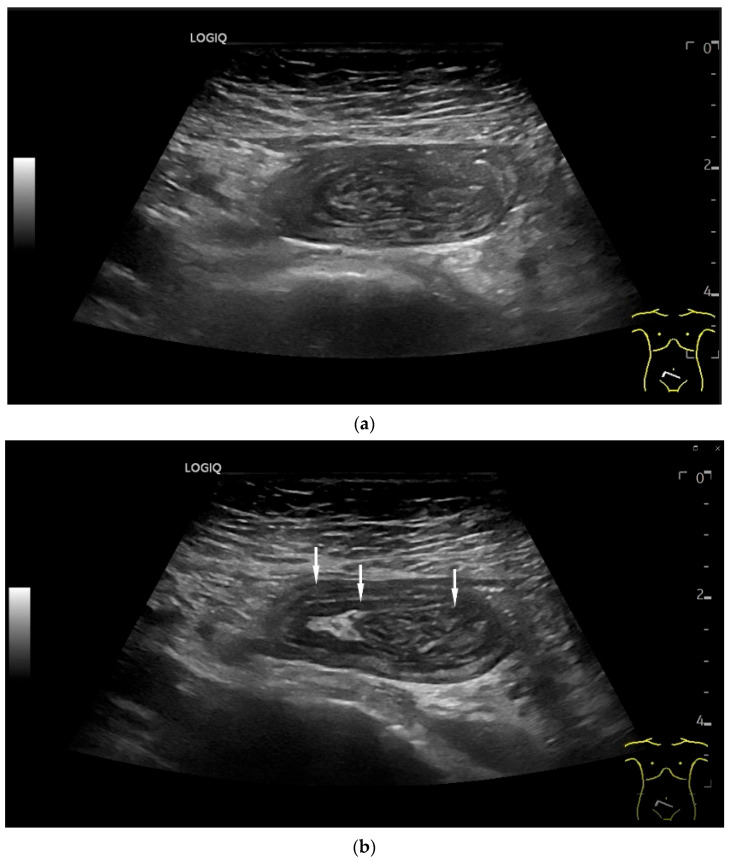 Figure 3
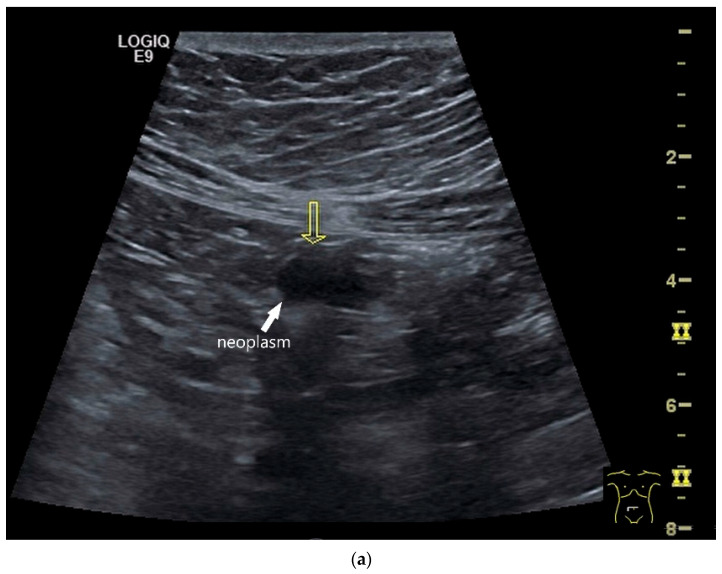 Figure 4
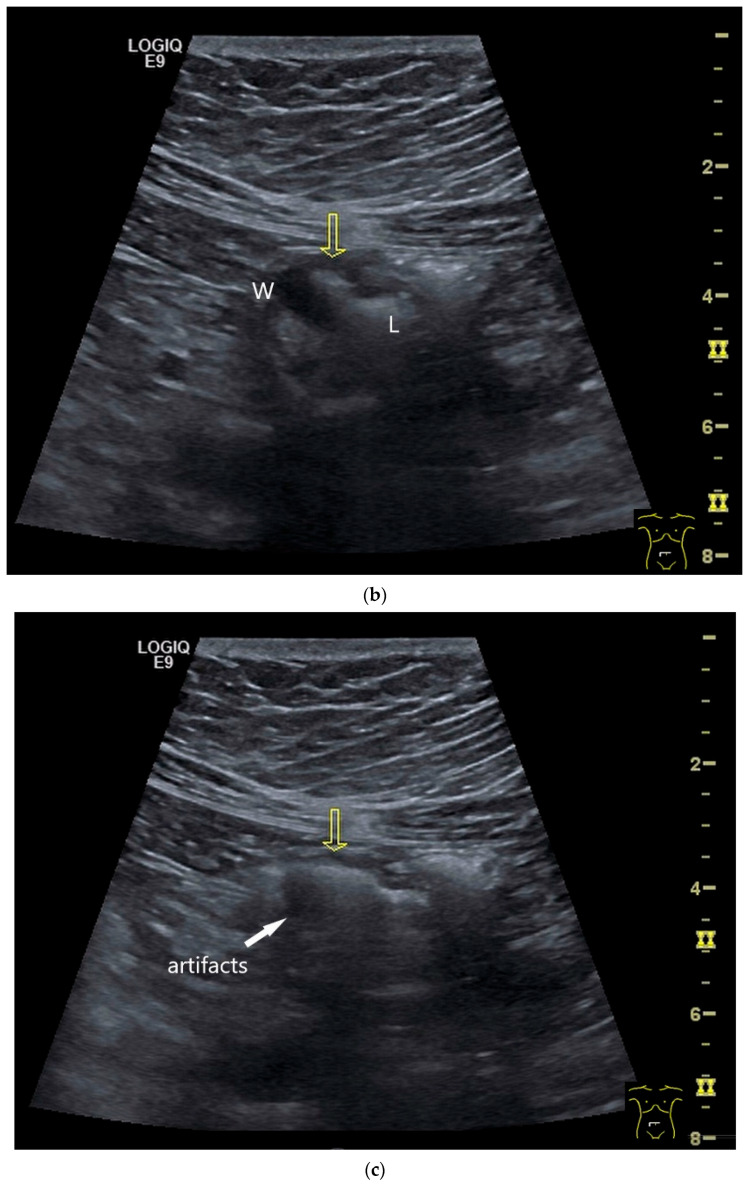 Figure 5
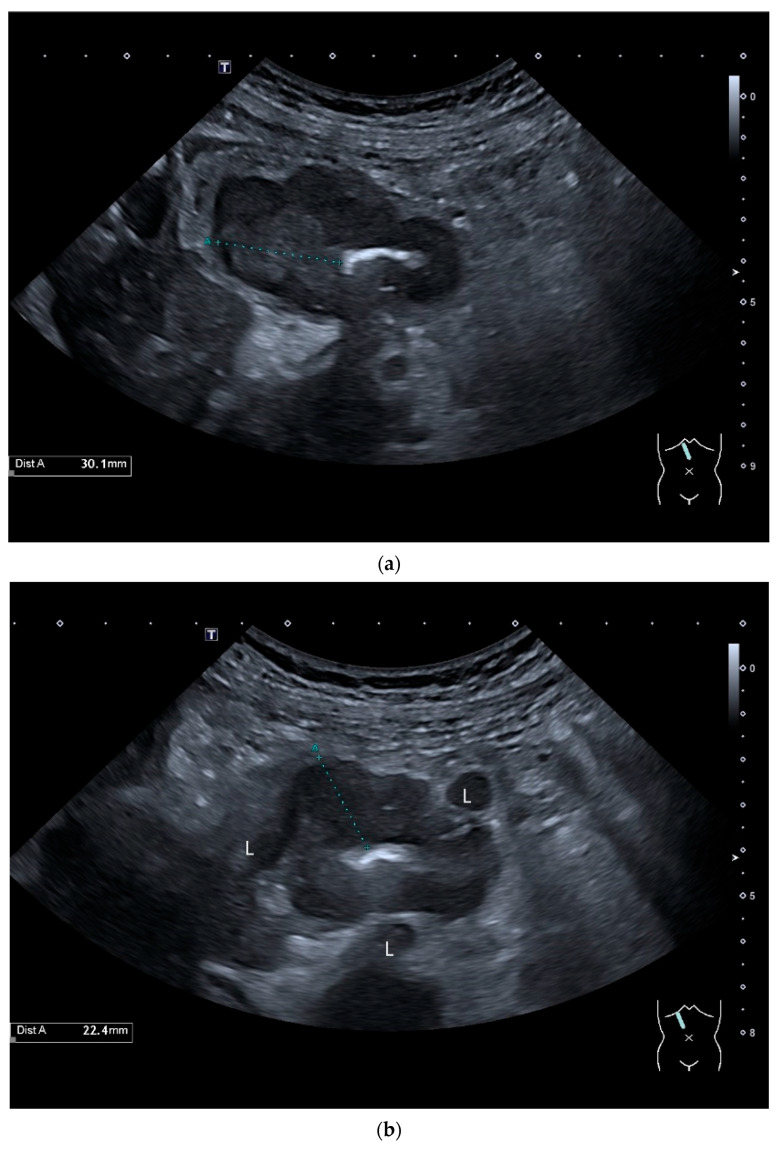 Figure 6
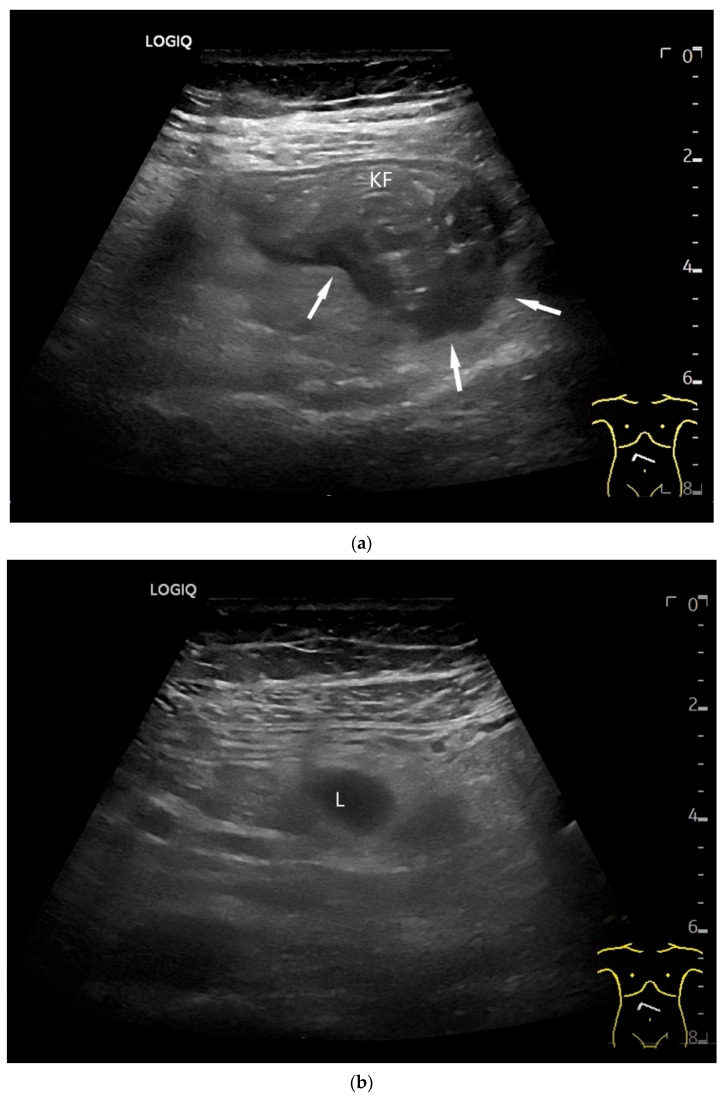 Figure 7
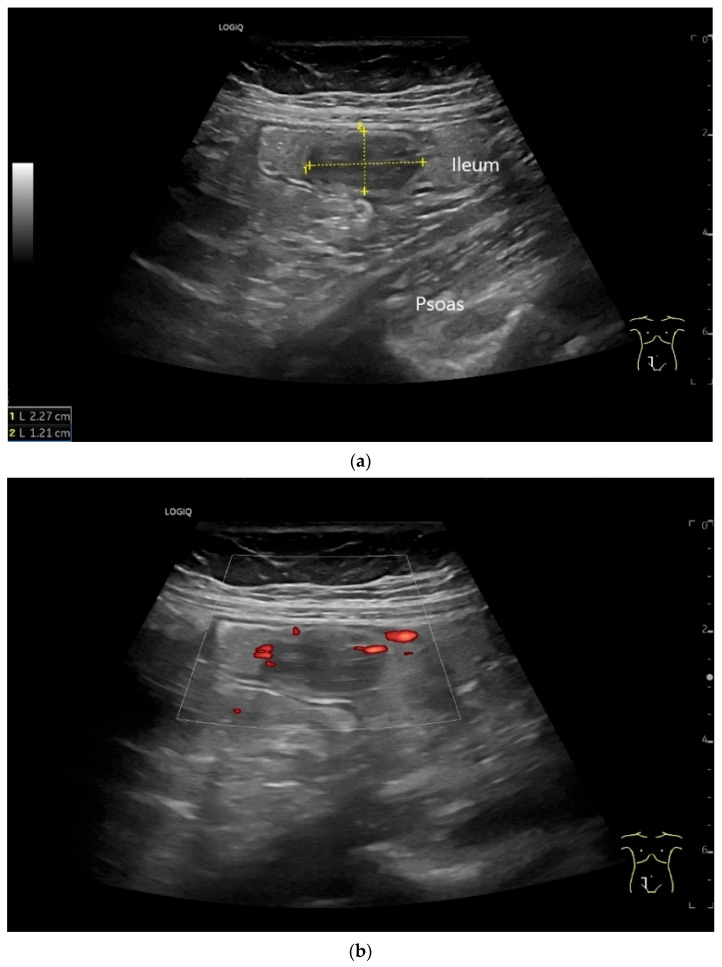 Figure 8
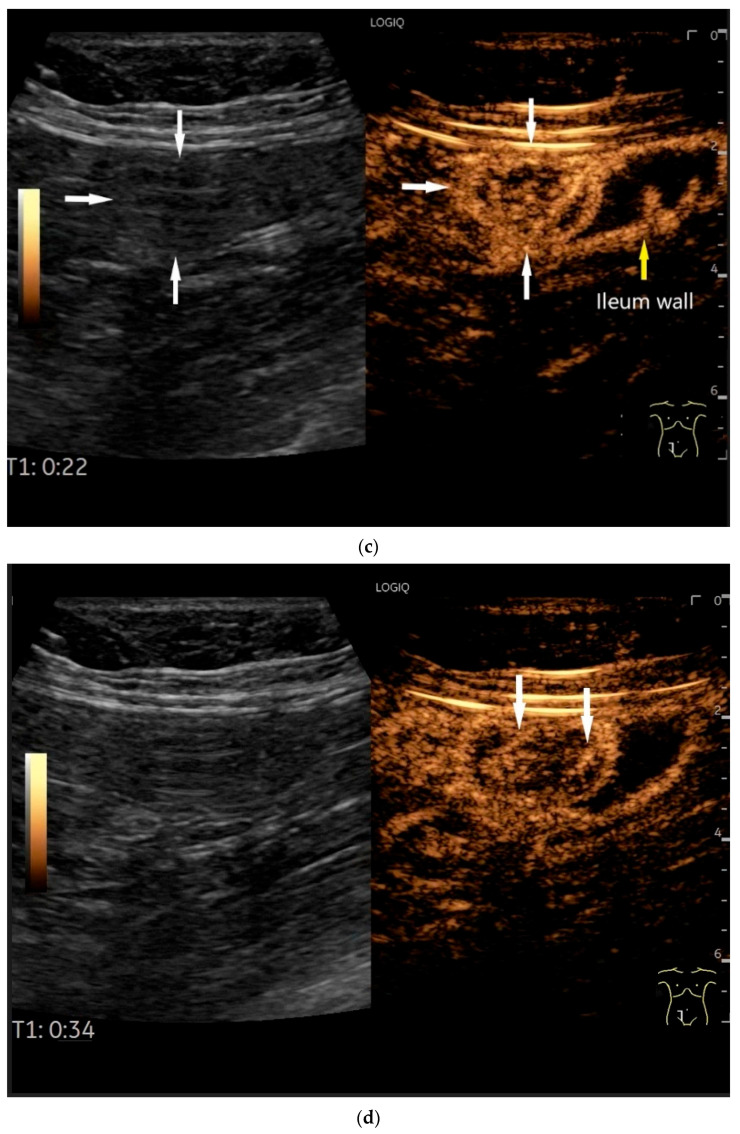 Figure 9
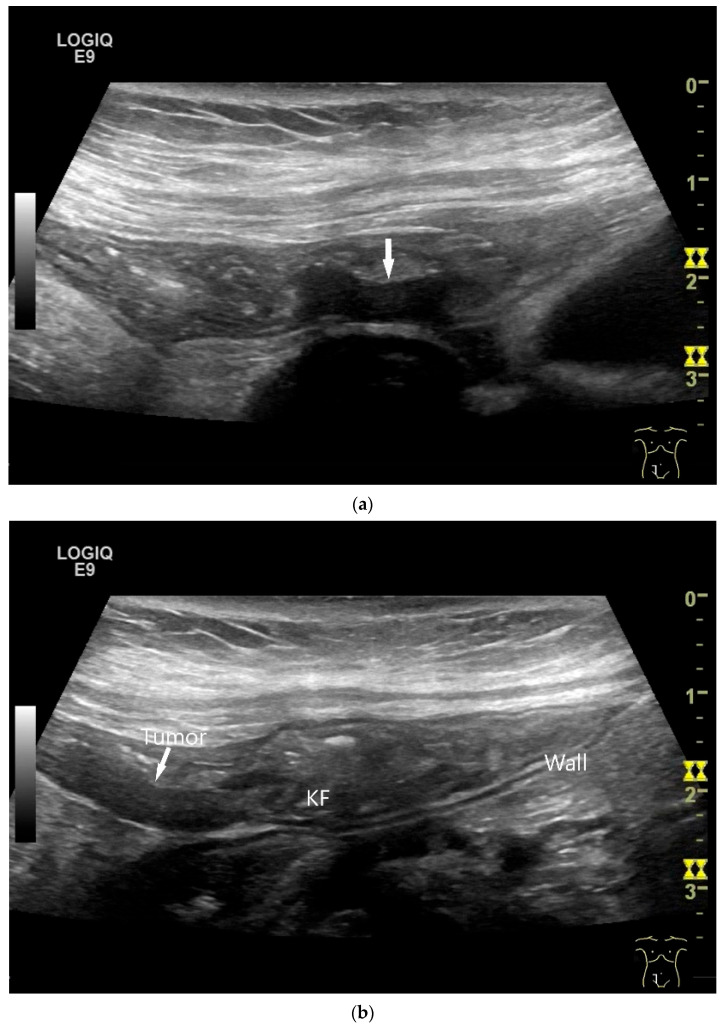 Figure 10
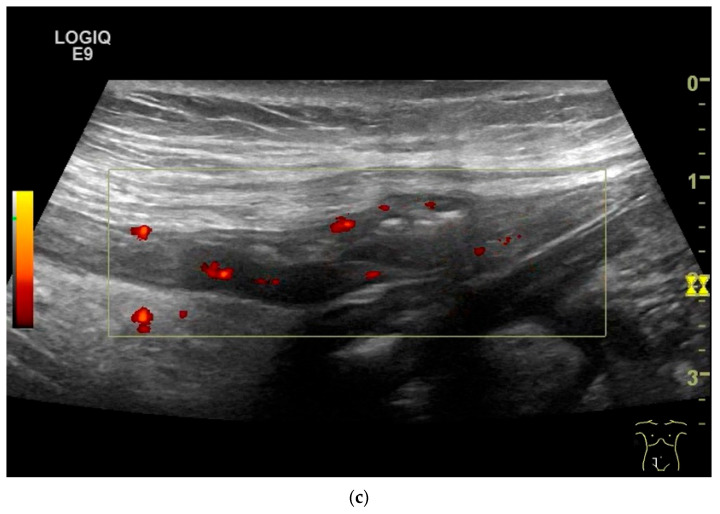 Figure 11
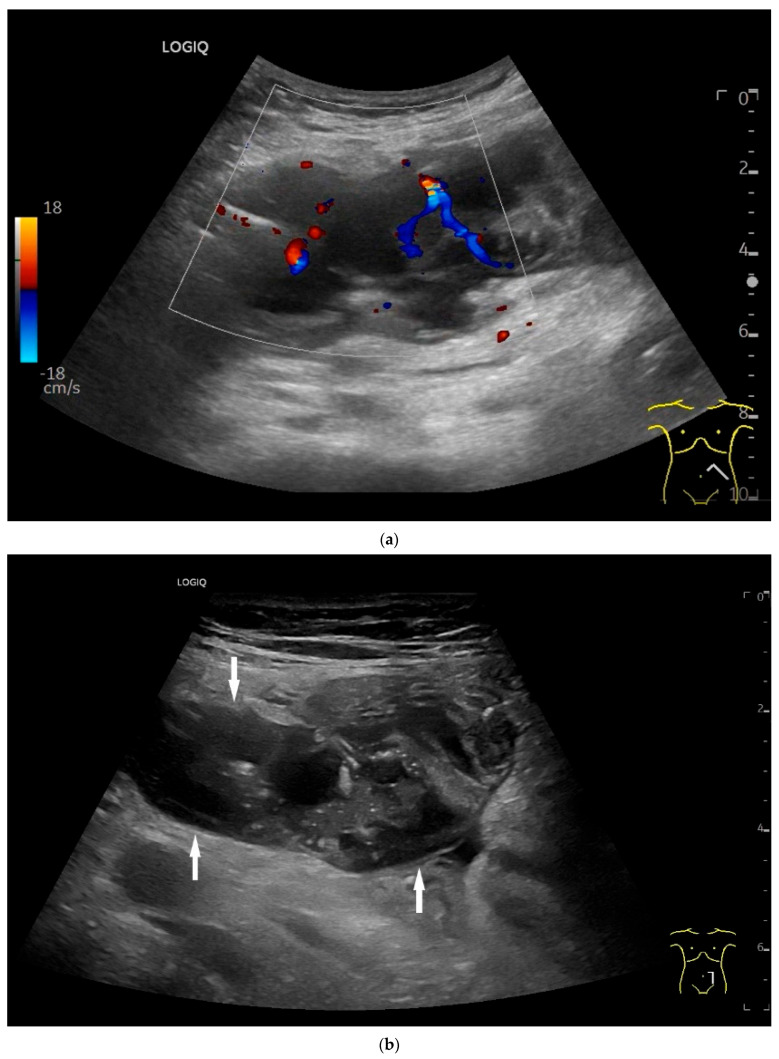 Figure 12
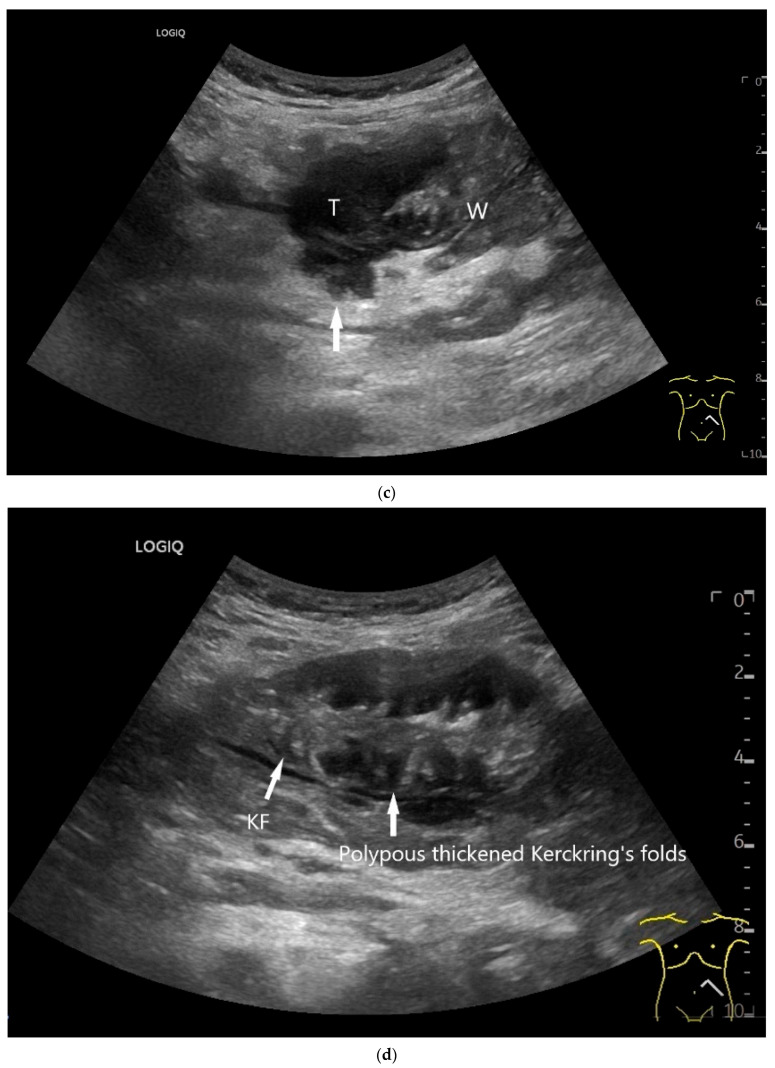 Figure 13
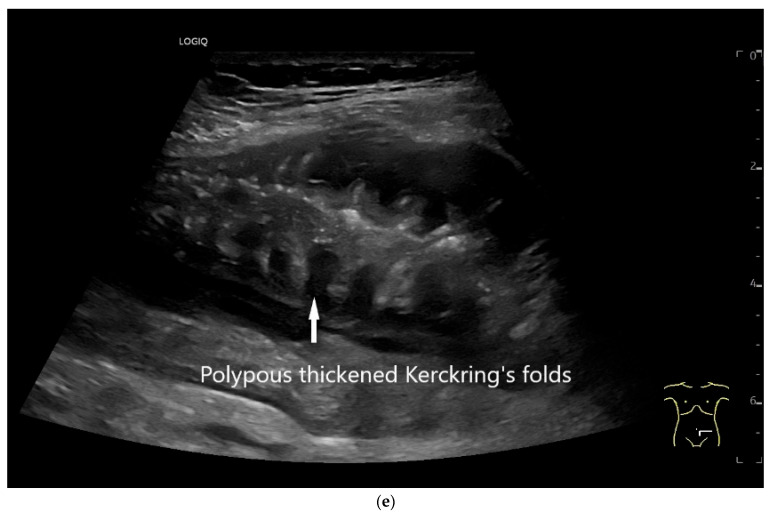 Figure 14
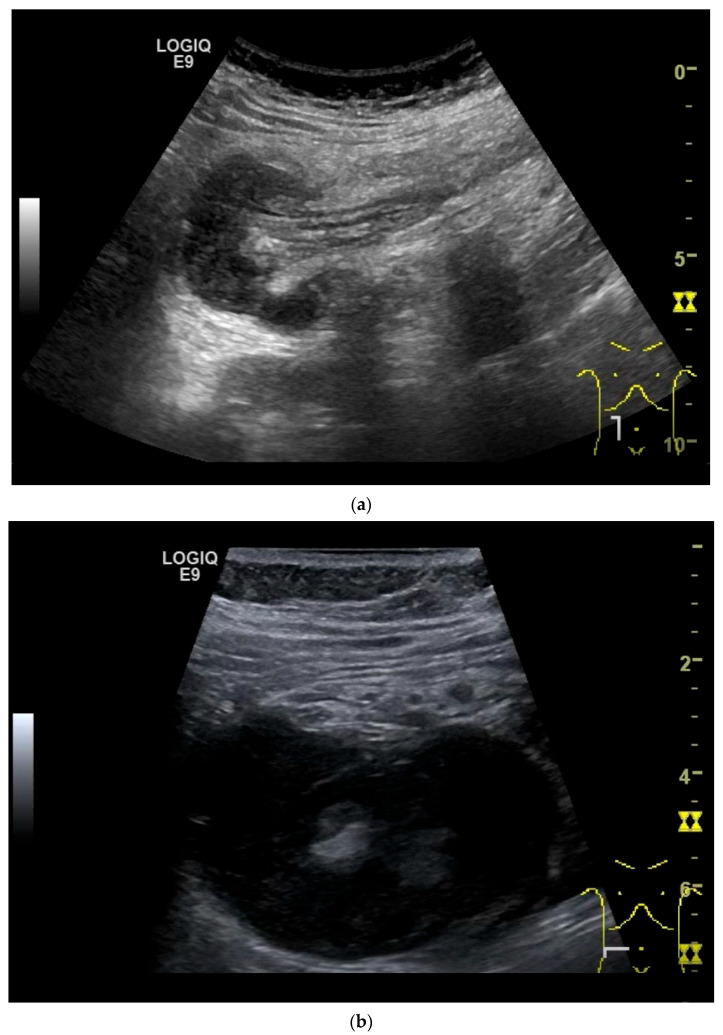 Figure 15
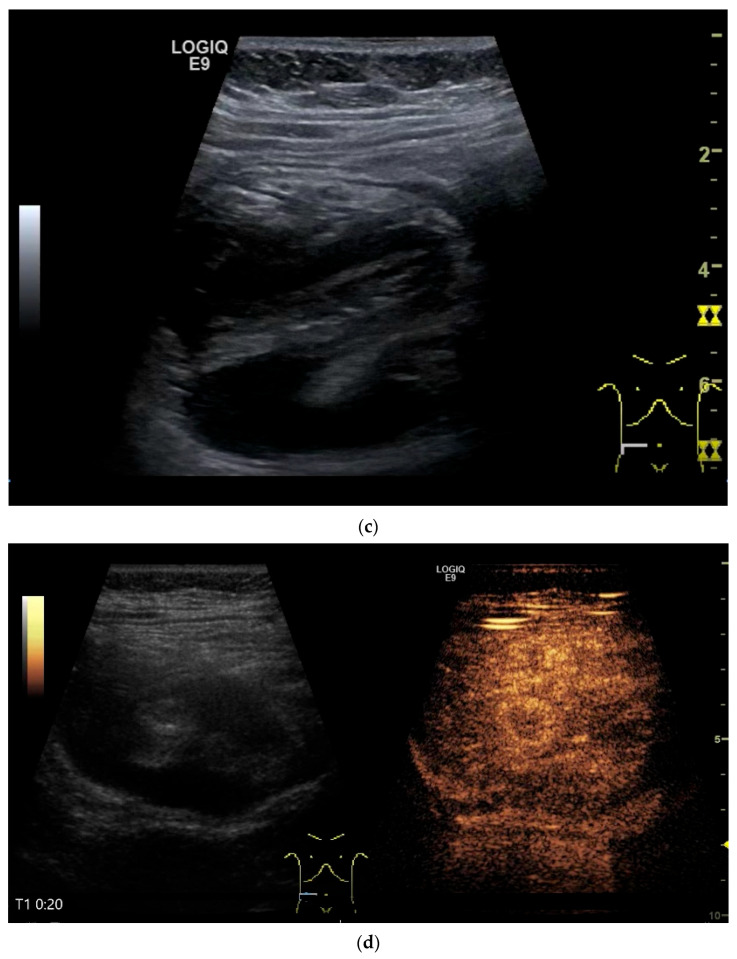 Figure 16
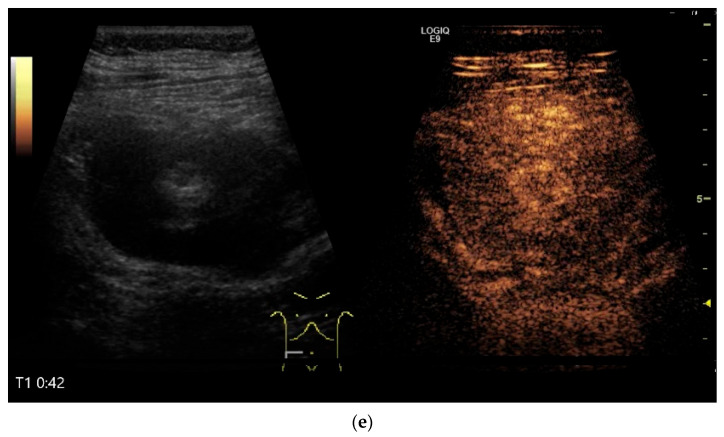 Figure 17
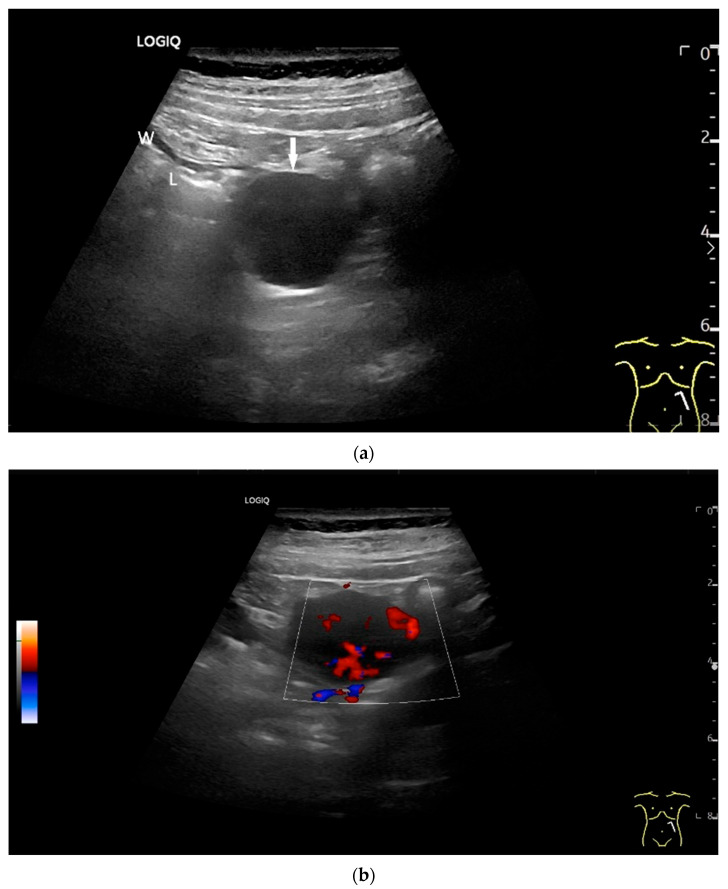 Figure 18
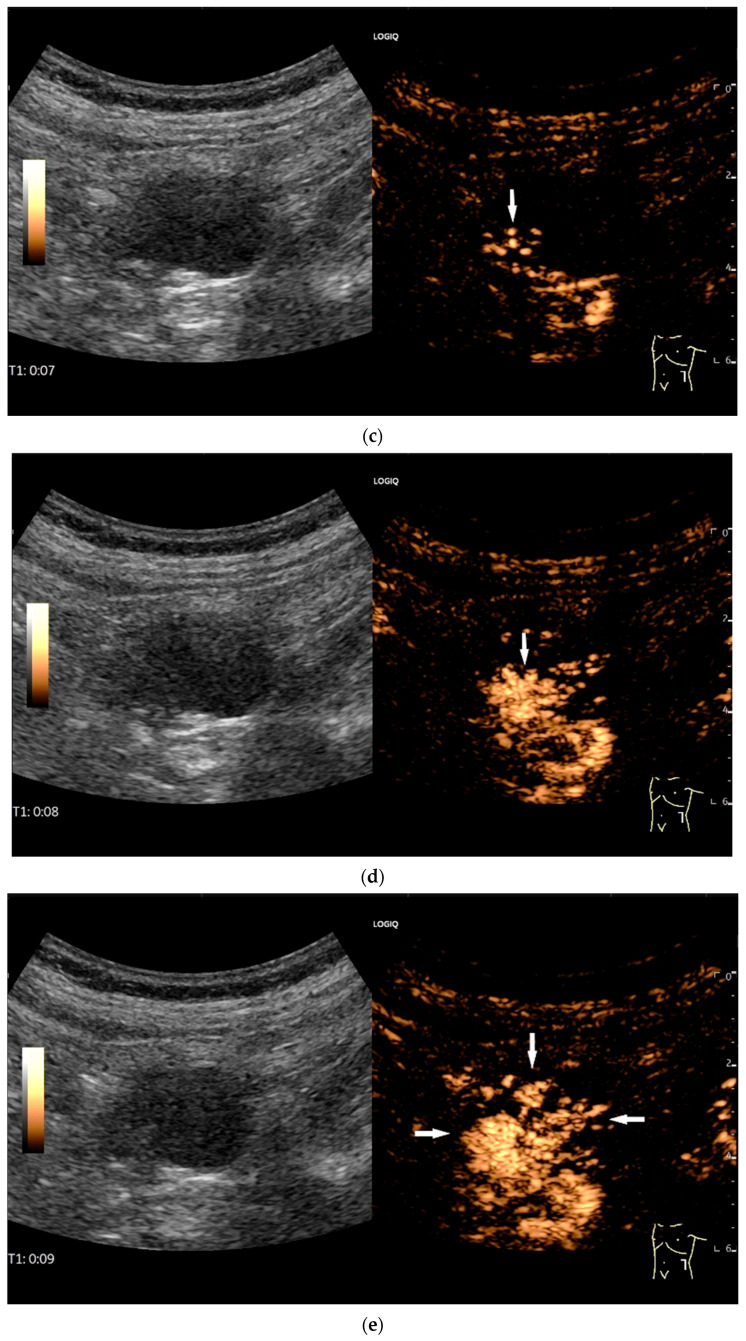 Figure 19
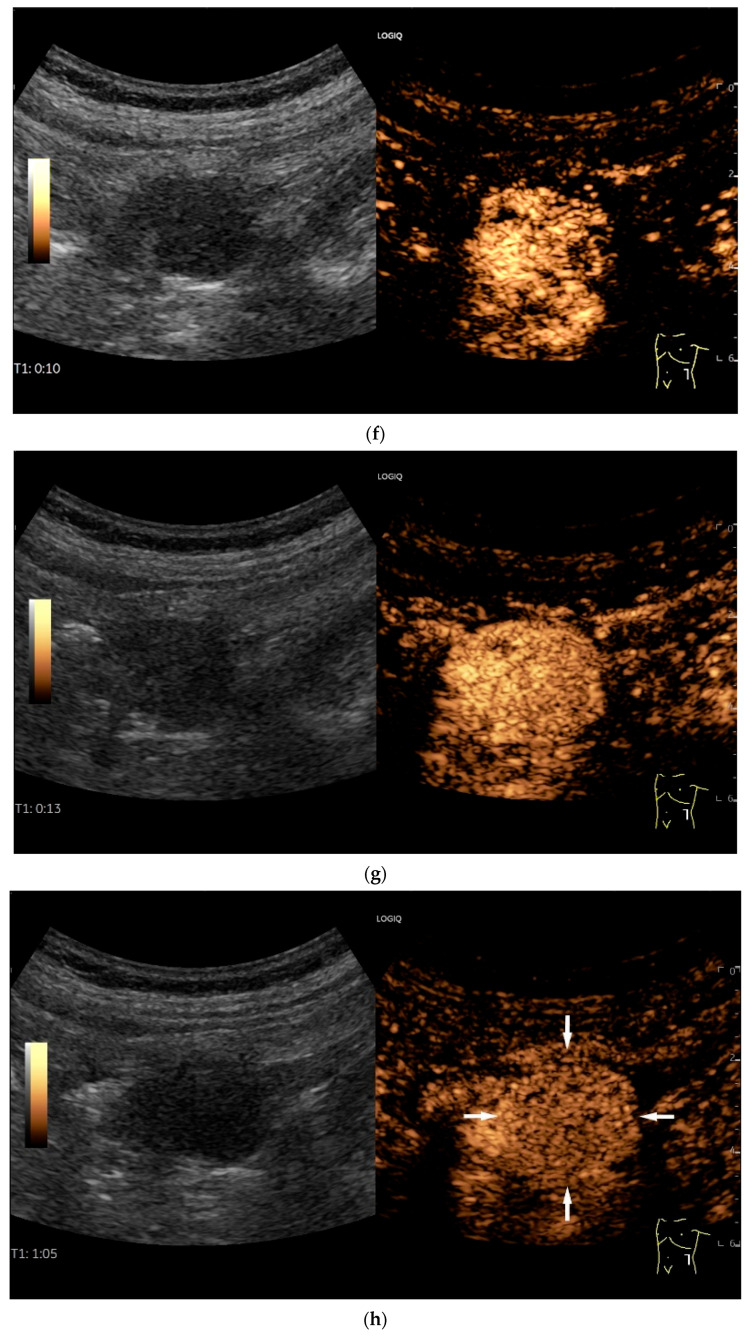 Figure 20
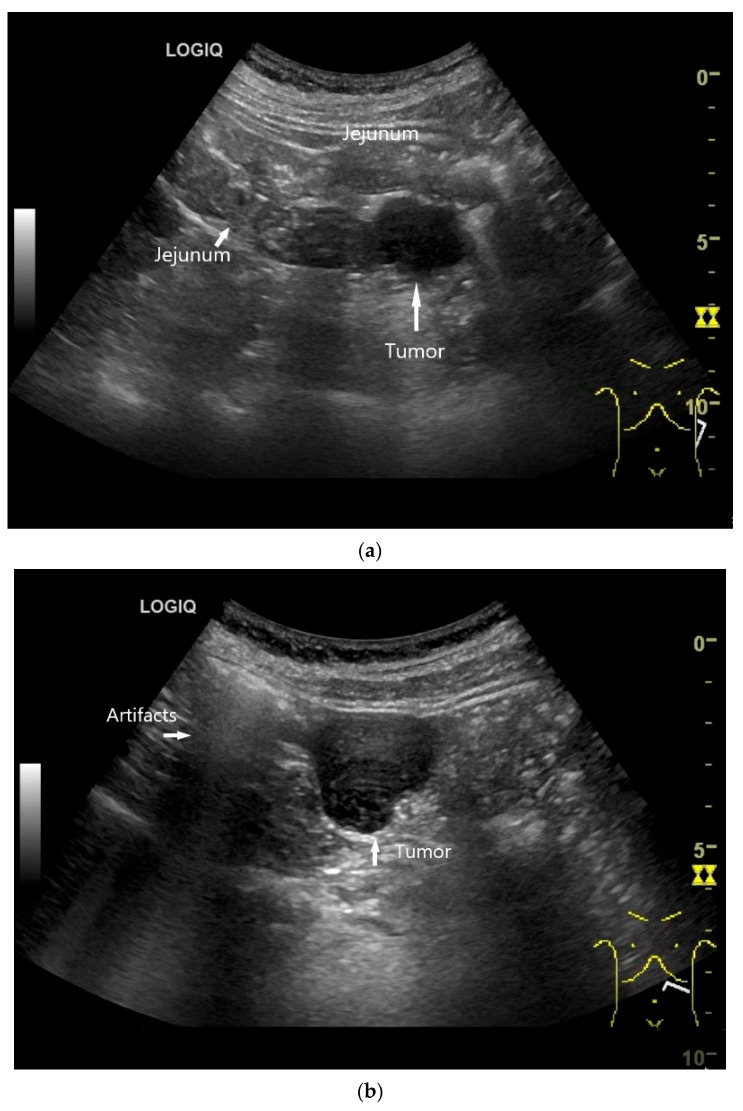 Figure 21
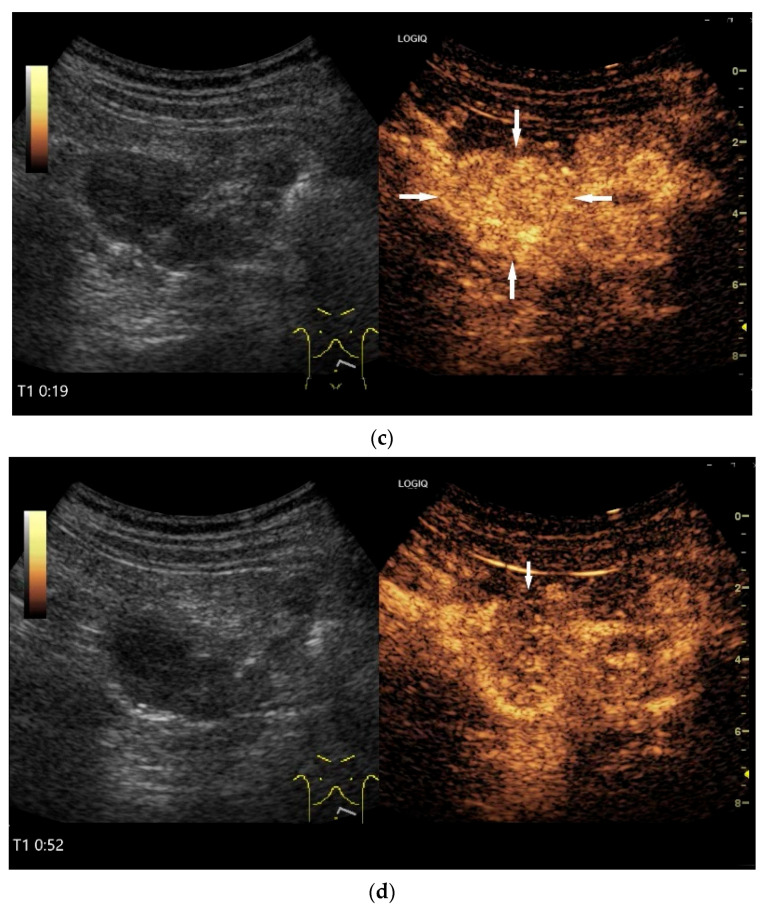 Figure 22
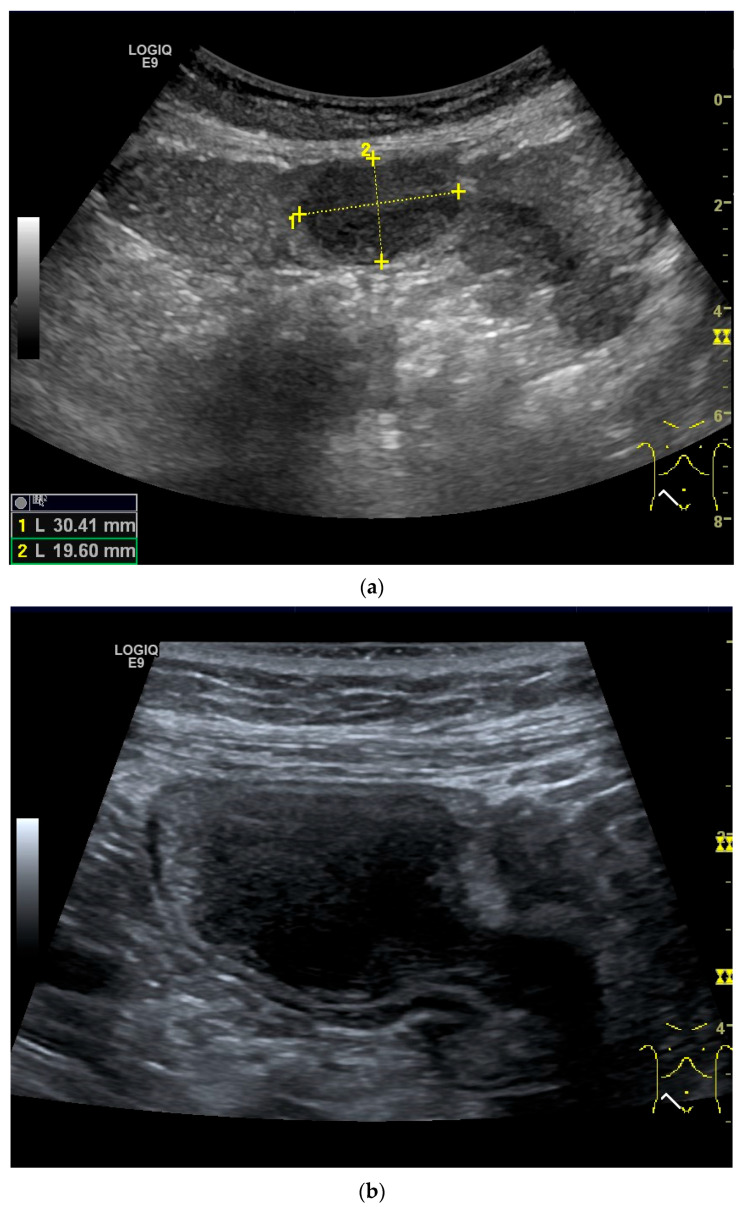 Figure 23
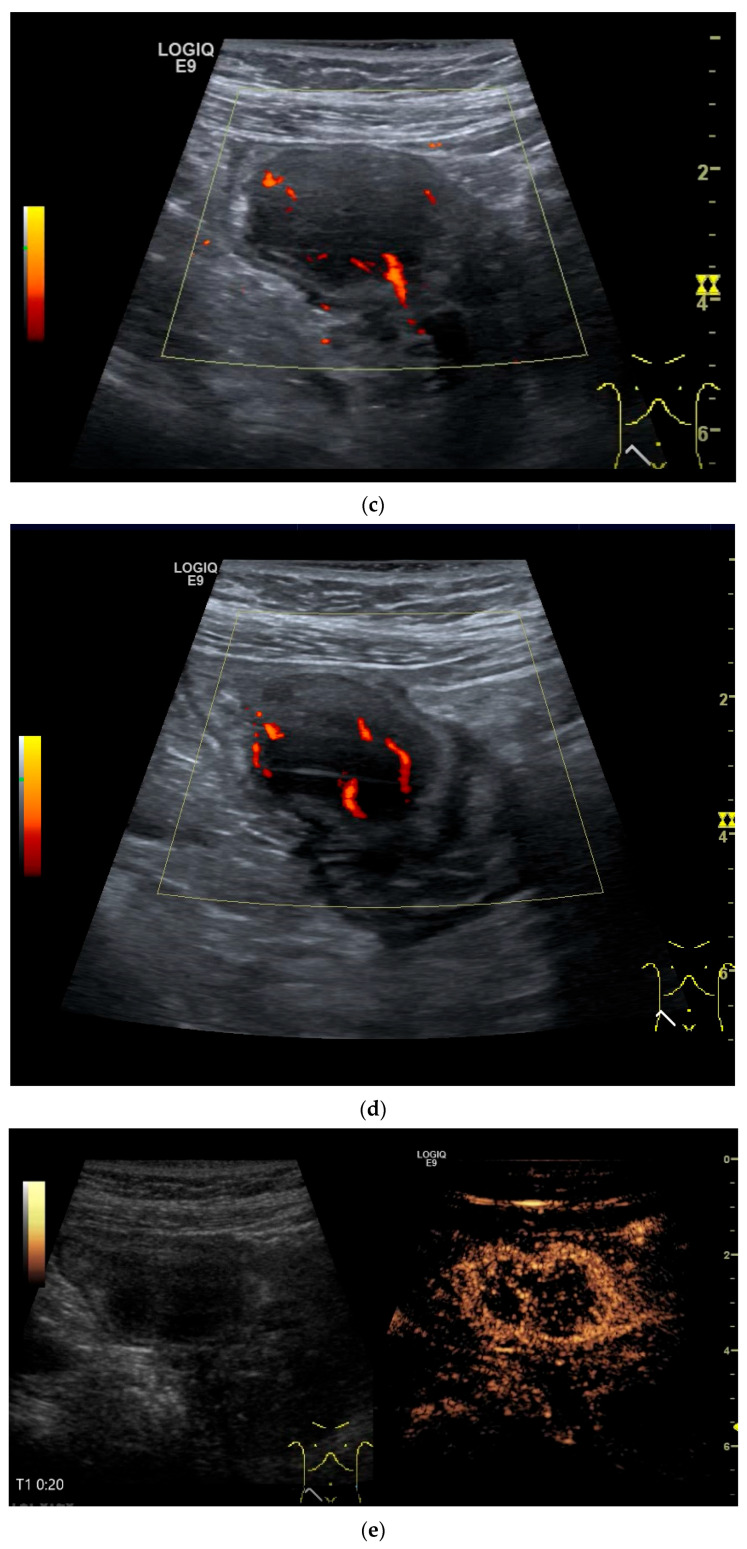 Figure 24
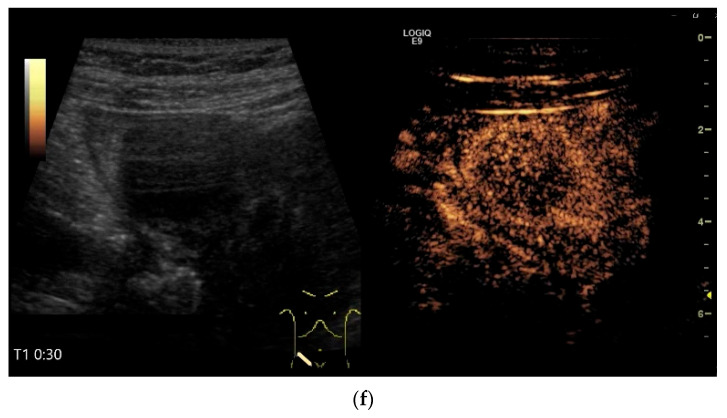 Figure 25
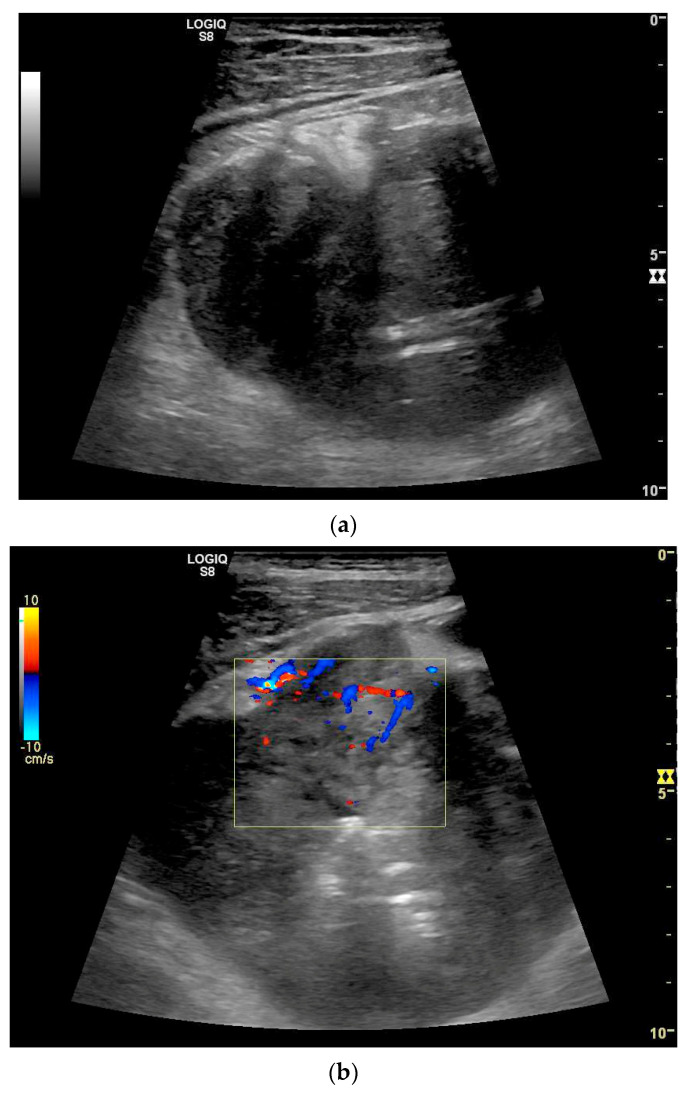 Figure 26
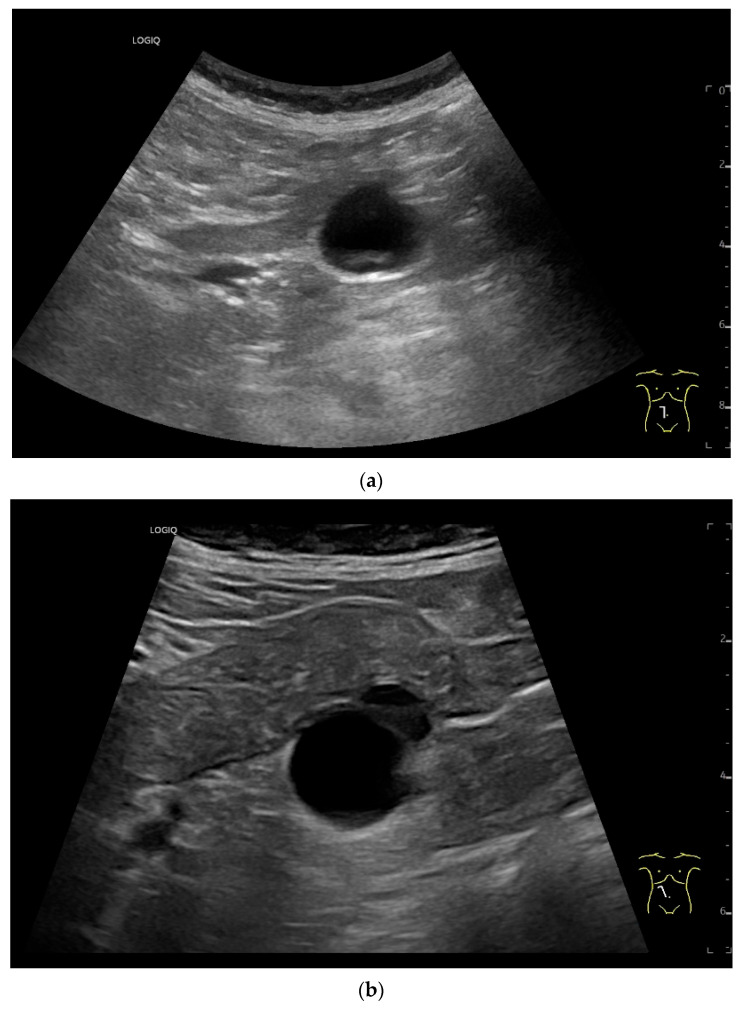 Figure 27
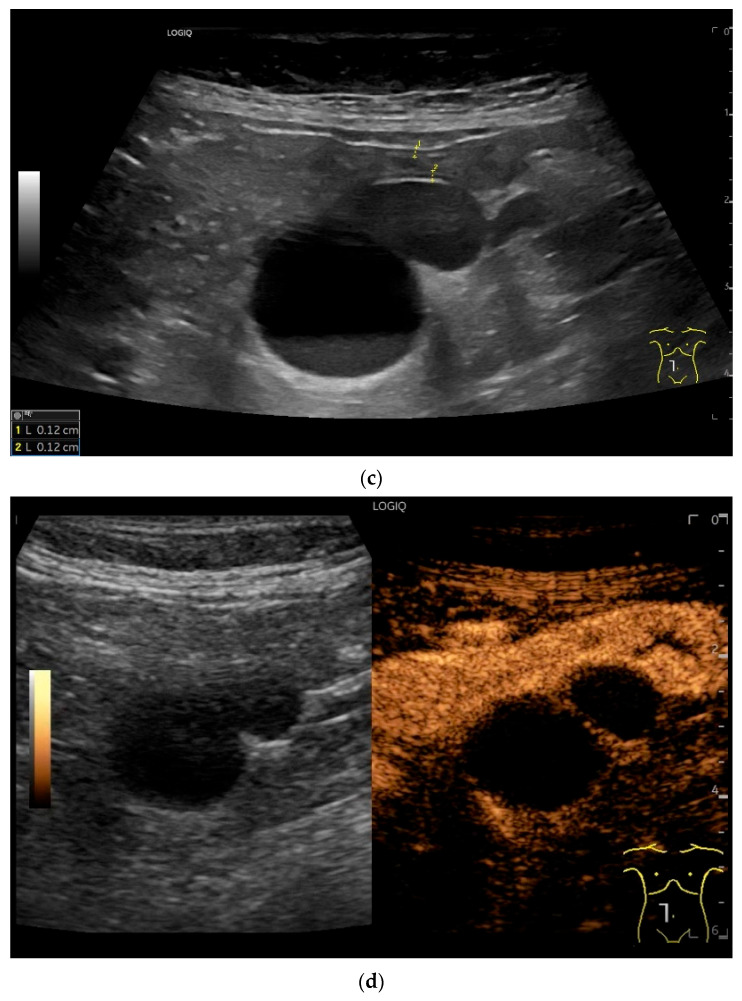 Figure 28
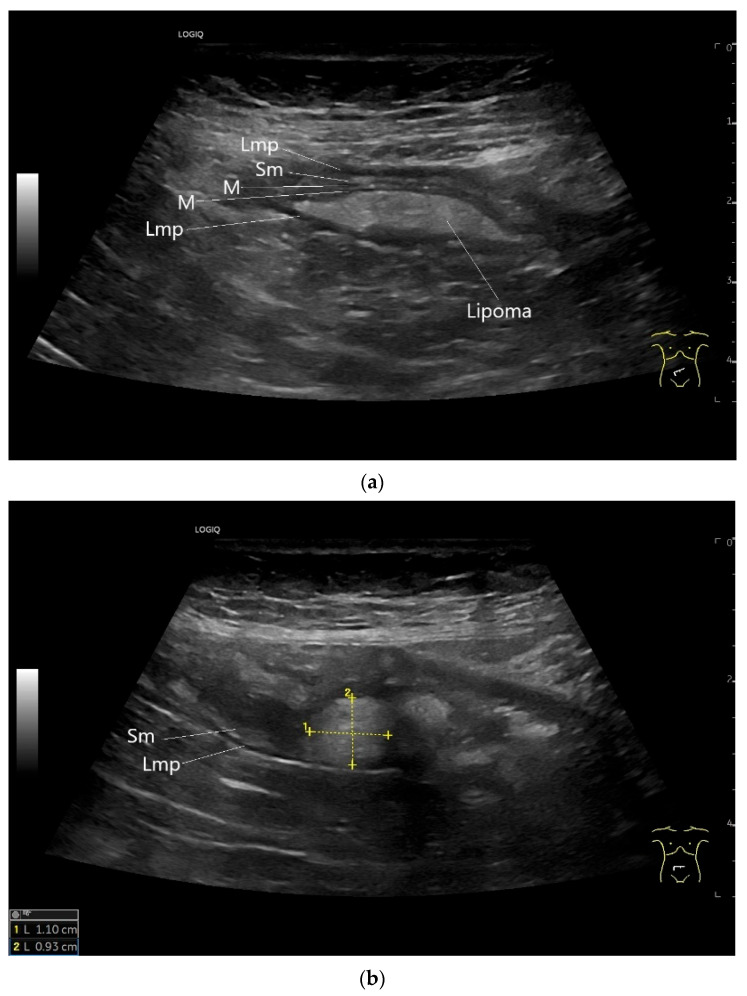 Figure 29
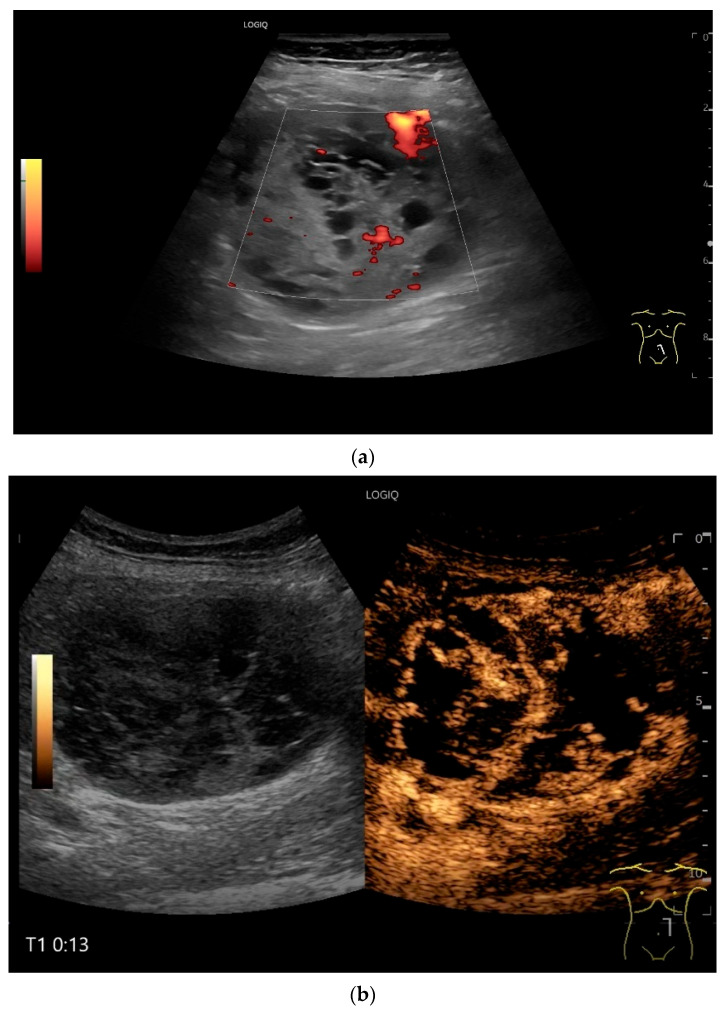 Figure 30
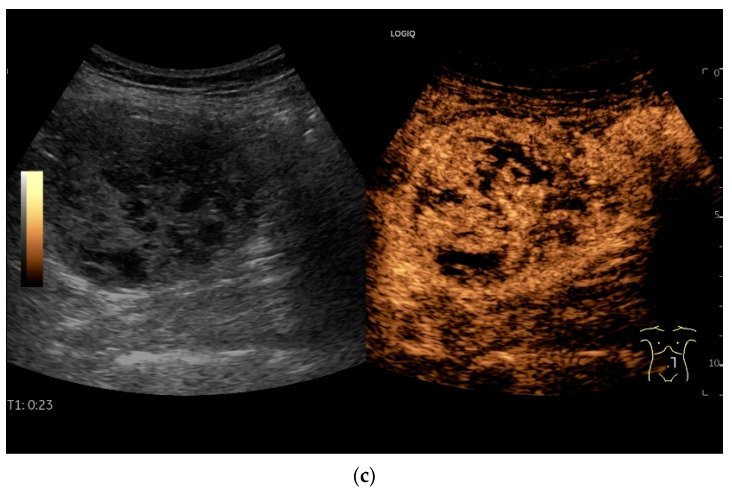 Figure 31
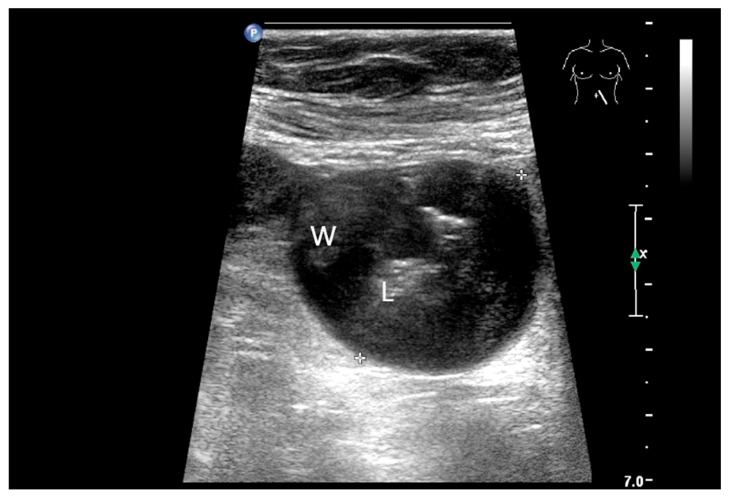 Figure 32
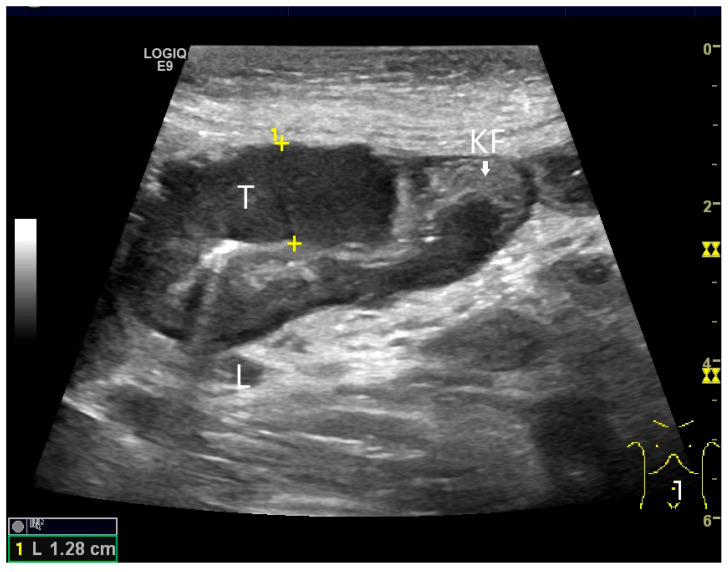 Figure 33
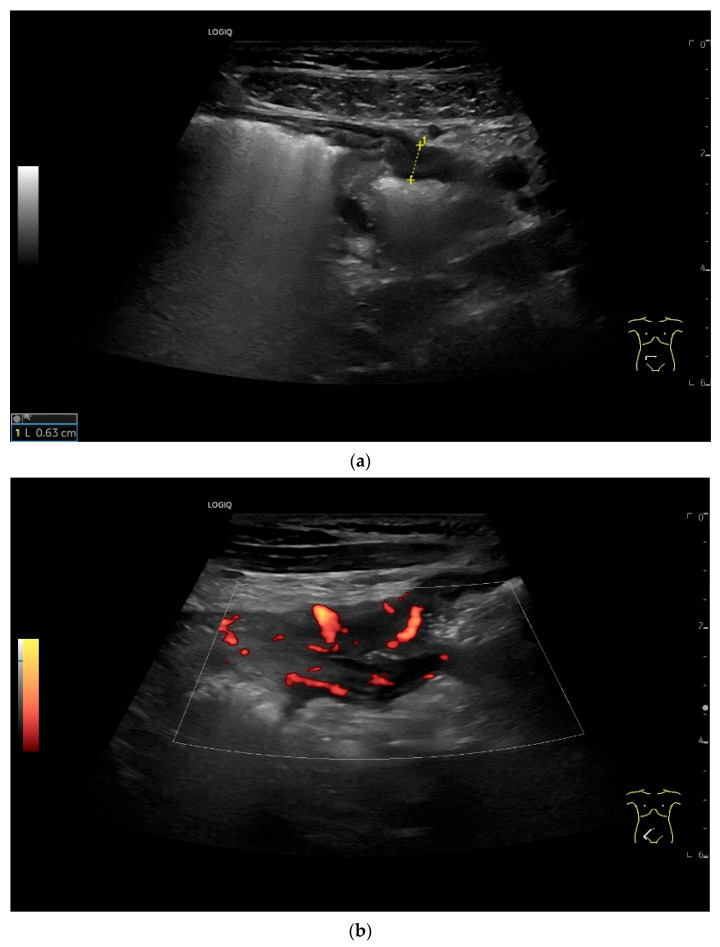 Figure 34
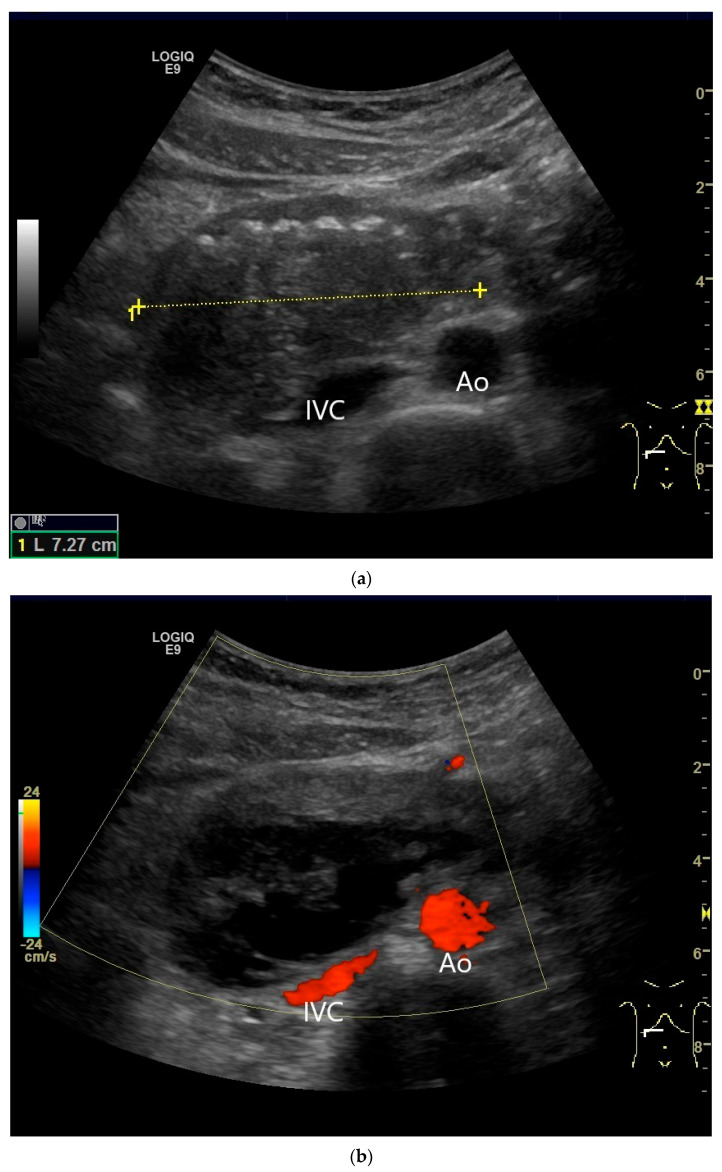 Figure 35
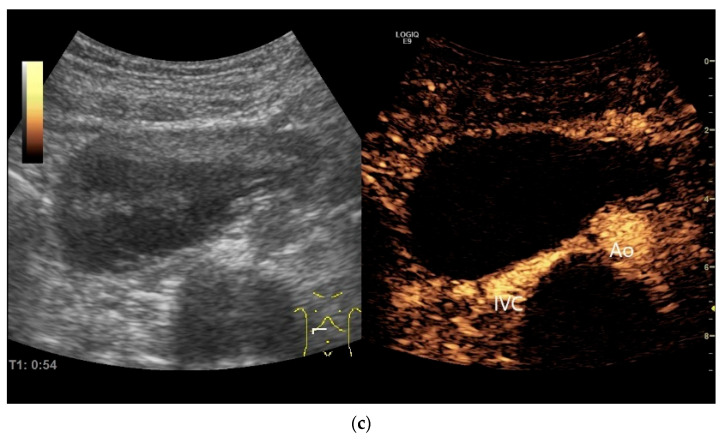 Figure 36
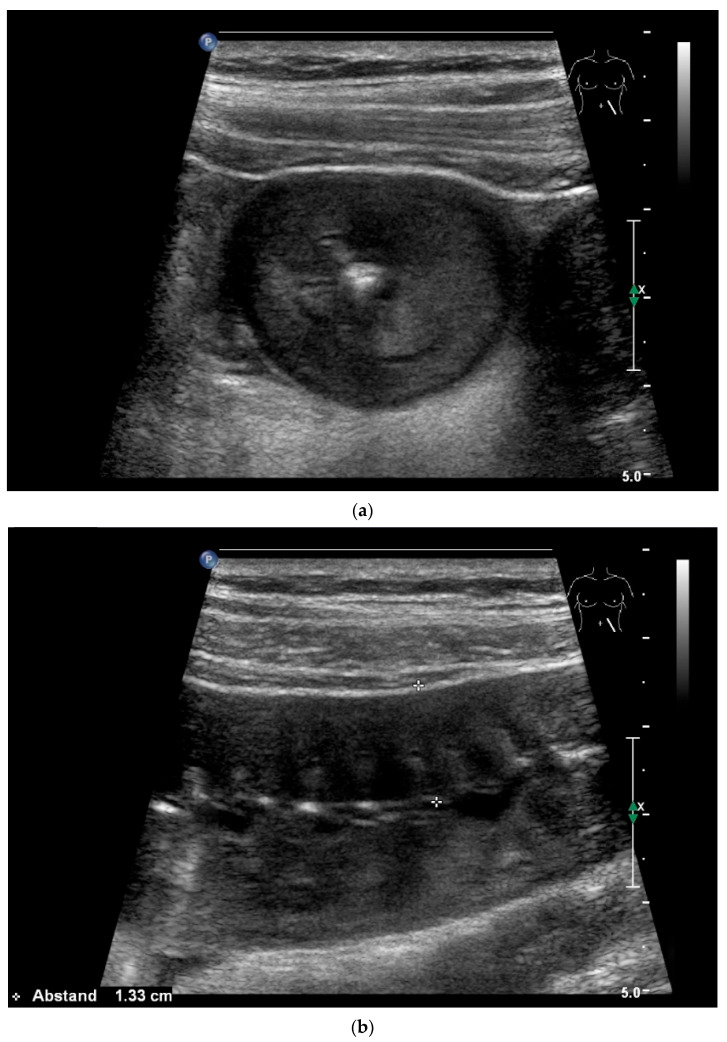 Figure 37
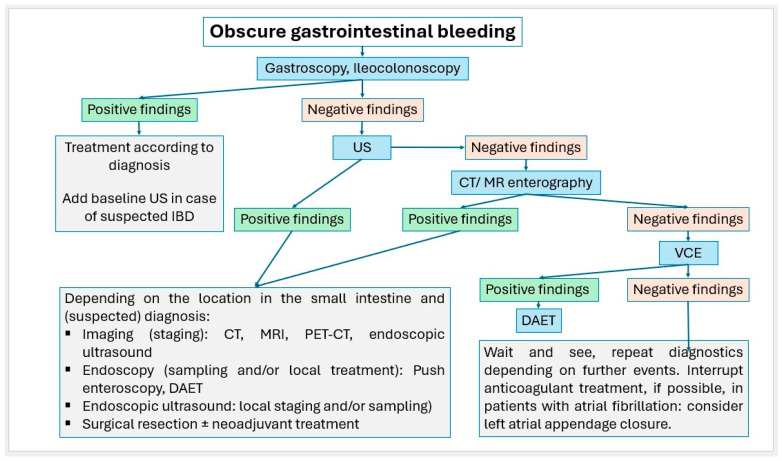 Figure 38
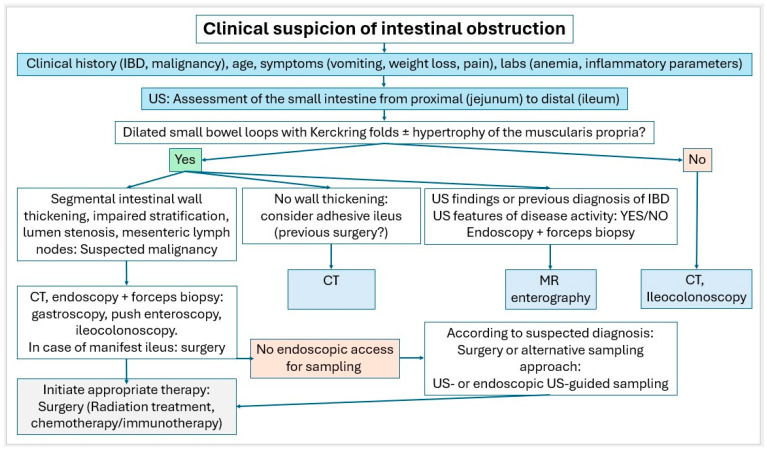 Figure 39
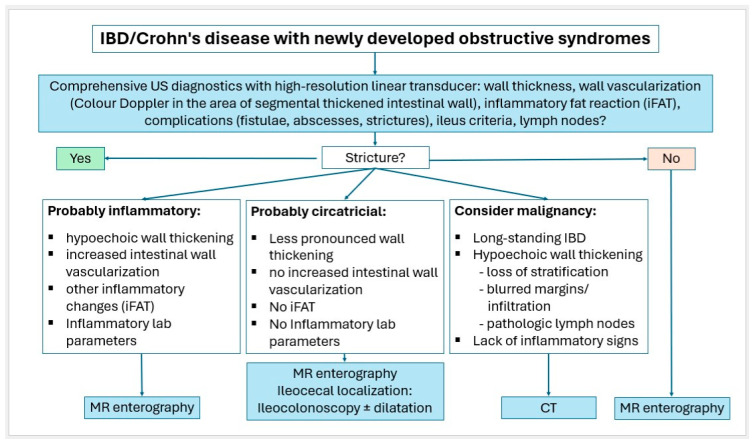 Figure 40
Peer Reviews
No public reviews on file for this paper yet. If you reviewed it on a platform where reviews are public (OpenReview, ICLR, NeurIPS, ICML), you can paste yours below so the community can read it here.
Videos
No videos yet. Explain this paper in a talk, walkthrough, or lecture? Add one.
Taxonomy
TopicsGastrointestinal Tumor Research and Treatment · Neuroendocrine Tumor Research Advances · Gastrointestinal Bleeding Diagnosis and Treatment