Characterisation of SapYZUs891@Fe/Mn-MOF Provides Insight into the Selection of Temperate Phage and Nanozyme for the Rapid and Sensitive Colourimetric Detection of Viable Staphylococcus aureus in Food Products
Wenyuan Zhou, Wenjuan Li, Yeling Han, Aiping Deng, Yajie Li, Qin Hu, Lei Yuan, Guoqiang Zhu, Zhenquan Yang

TL;DR
A new colorimetric biosensor using a phage and nanozyme detects Staphylococcus aureus in food quickly and accurately.
Contribution
A novel biosensor combining a temperate phage and Fe/Mn-MOF nanozyme for rapid and sensitive detection of viable S. aureus in food.
Findings
The biosensor detects S. aureus with a detection limit of 69 CFU/mL and a detection time of 19 minutes.
The system distinguishes viable from non-viable bacteria and is resistant to interference from food compounds.
The SapYZUs891 phage binds specifically to teichoic acid on S. aureus, enhancing detection accuracy.
Abstract
Although phage@nanozymes have proven to be a rapid, precise, and cost-effective method for detecting pathogens in food, the basis of phage and nanozyme selection remains poorly understood. In this study, a novel colourimetric biosensor utilising the temperate phage SapYZUs891 and an Fe/Mn-MOF nanozyme was constructed and assessed for its efficacy in detecting Staphylococcus aureus in food products. Notably, SapYZUs891 exhibited a high titre, broad host range, and strong pH and thermal stability. Moreover, the bimetallic Fe/Mn-MOF nanozyme exhibited an enhanced oxidase-mimicking ability, greater affinity, and a higher reaction rate. The biosensor had a detection time of 19 min, a detection limit of 69 CFU/mL, and a recovery rate between 92.52% and 121.48%, signifying its high reliability and accuracy in identifying S. aureus. This sensor distinguishes between viable and non-viable…
Genes, proteins, chemicals, diseases, species, mutations and cell lines named across the full text — each resolved to its canonical identifier and authoritative record.
Click any figure to enlarge with its caption.
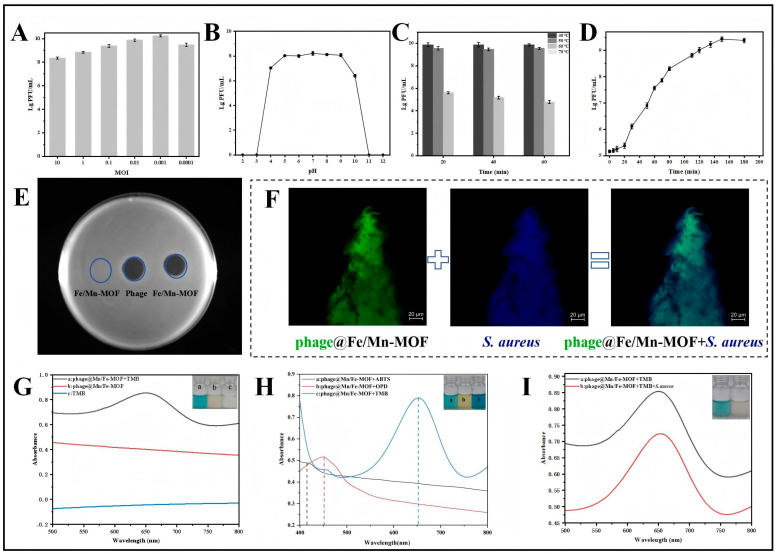 Figure 1
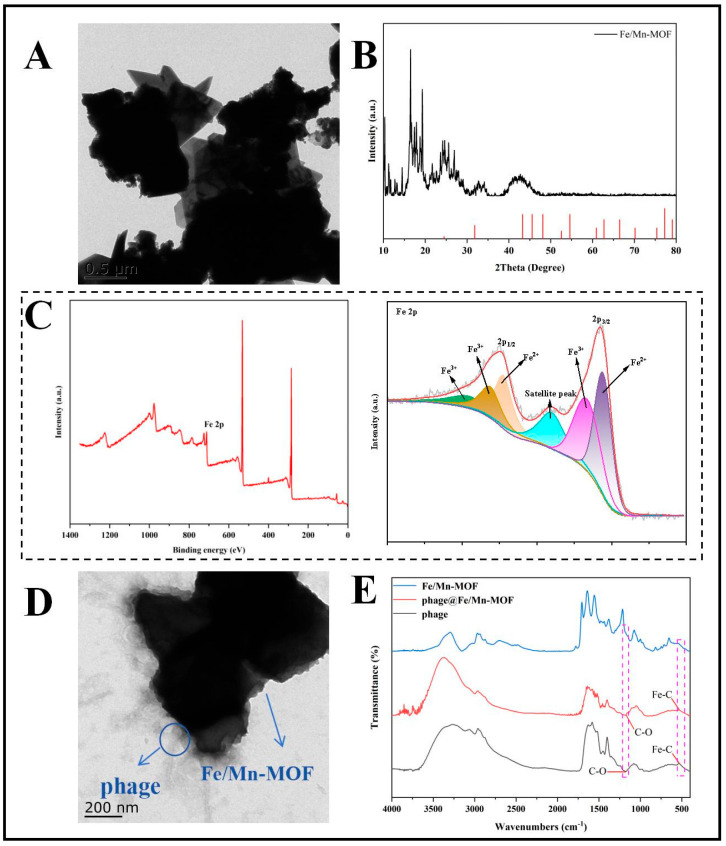 Figure 2
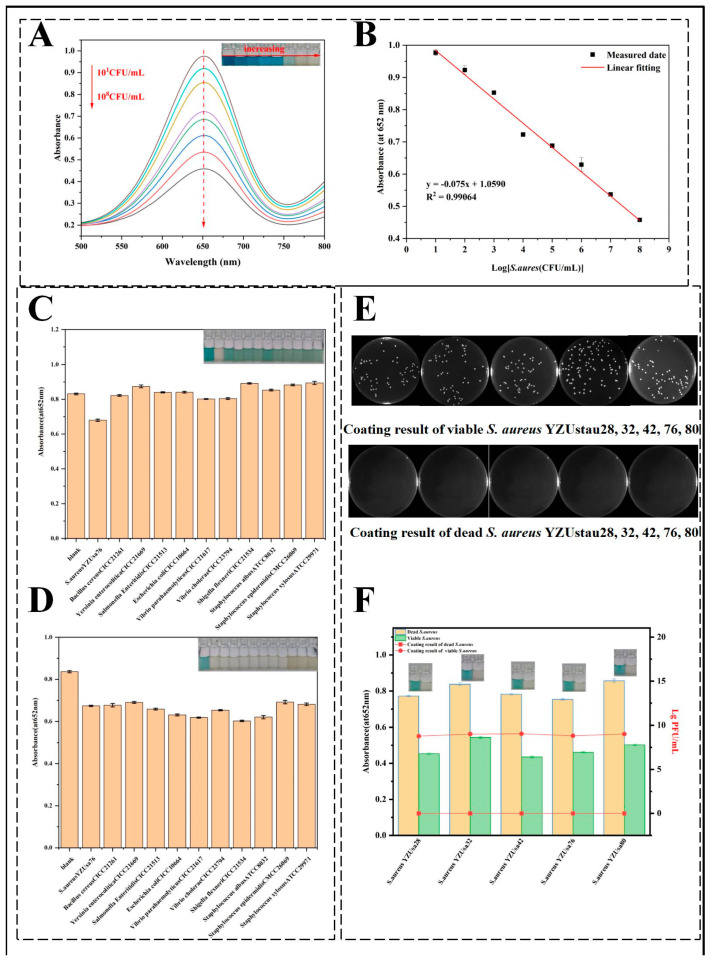 Figure 3
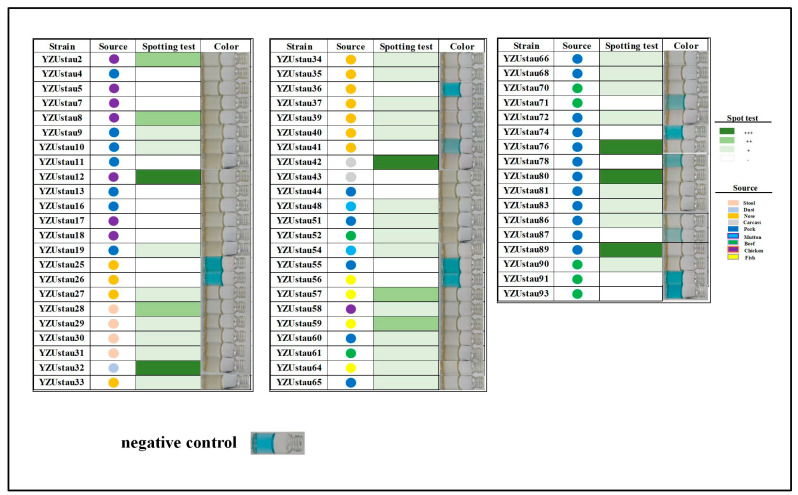 Figure 4
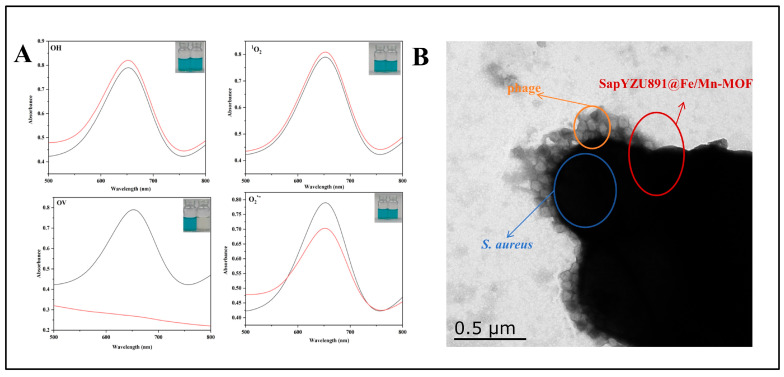 Figure 5
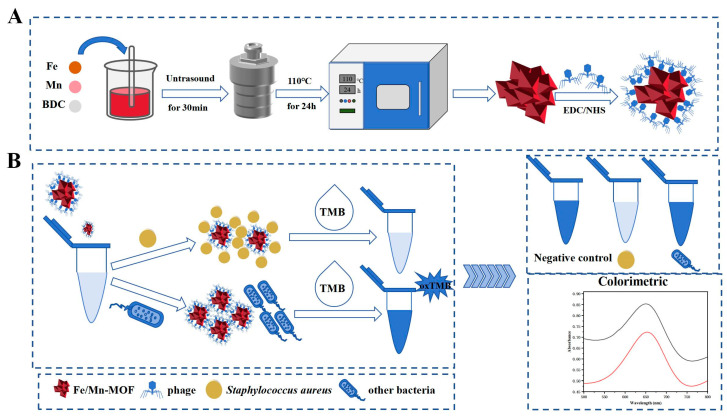 Figure 6
Peer Reviews
No public reviews on file for this paper yet. If you reviewed it on a platform where reviews are public (OpenReview, ICLR, NeurIPS, ICML), you can paste yours below so the community can read it here.
Videos
No videos yet. Explain this paper in a talk, walkthrough, or lecture? Add one.
Taxonomy
TopicsAdvanced Nanomaterials in Catalysis · Biosensors and Analytical Detection · Advanced biosensing and bioanalysis techniques