Verapamil Restores β-Cell Mass and Function in Diabetogenic Stress Models via Proliferation and Mitochondrial Respiration
Hossein Arefanian, Fatema Al-Rashed, Fawaz Alzaid, Fatemah Bahman, Nermeen Abukhalaf, Halemah Alsaeed, Shihab Kochumon, Michayla R. Williams, Sarah M. Kidwai, Ghadeer Alhamar, Rasheed Ahmad, Fahd Al-Mulla, Ashraf Al Madhoun

TL;DR
Verapamil, a drug for high blood pressure, helps protect and restore pancreatic β-cells in diabetes models by boosting cell growth and energy production.
Contribution
Verapamil's novel role in promoting β-cell proliferation and mitochondrial respiration under diabetogenic stress is demonstrated across multiple models.
Findings
Verapamil elevated cholecystokinin levels and preserved mitochondrial function in MIN6 β-cells under stress.
In zebrafish, verapamil promoted β-cell recovery and regeneration after ablation.
Verapamil showed protective effects before, during, and after stressors in a model-dependent manner.
Abstract
Diabetes remains a global health challenge, characterized by persistent hyperglycemia and gradual depletion or impairment of pancreatic β-cells. Current treatments focus on managing glycemic control, but do not mitigate β-cell mass. Verapamil, an FDA-approved calcium channel blocker for hypertension, has shown potential therapeutic action towards β-cells in the context of diabetes. In this study, we investigated the cytoprotective and metabolic efficacy of verapamil on mouse-derived MIN6 β-cells under metabolic and diabetogenic stressors like high glucose, toxins, and an inflammatory cytokine cocktail, as well as investigated a zebrafish model. At safe, non-toxic doses, verapamil elevated the levels of cholecystokinin (CCK), an incretin associated with β-cell preservation and enhanced mitochondrial respiration. Notably, pretreatment and co-treatment of verapamil in the presence of…
Genes, proteins, chemicals, diseases, species, mutations and cell lines named across the full text — each resolved to its canonical identifier and authoritative record.
Click any figure to enlarge with its caption.
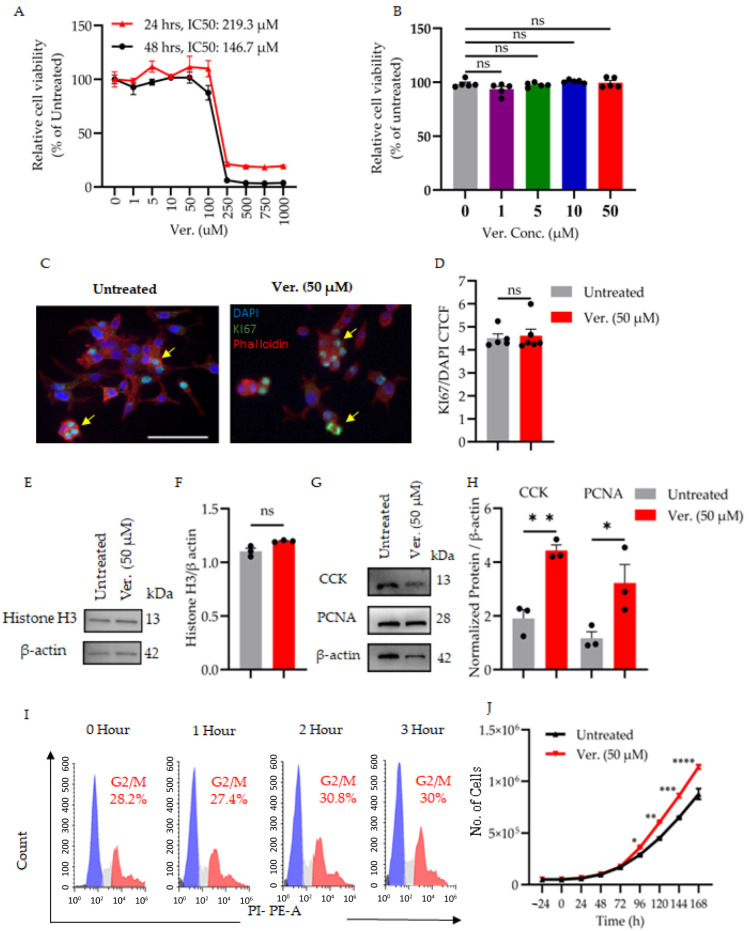 Figure 1
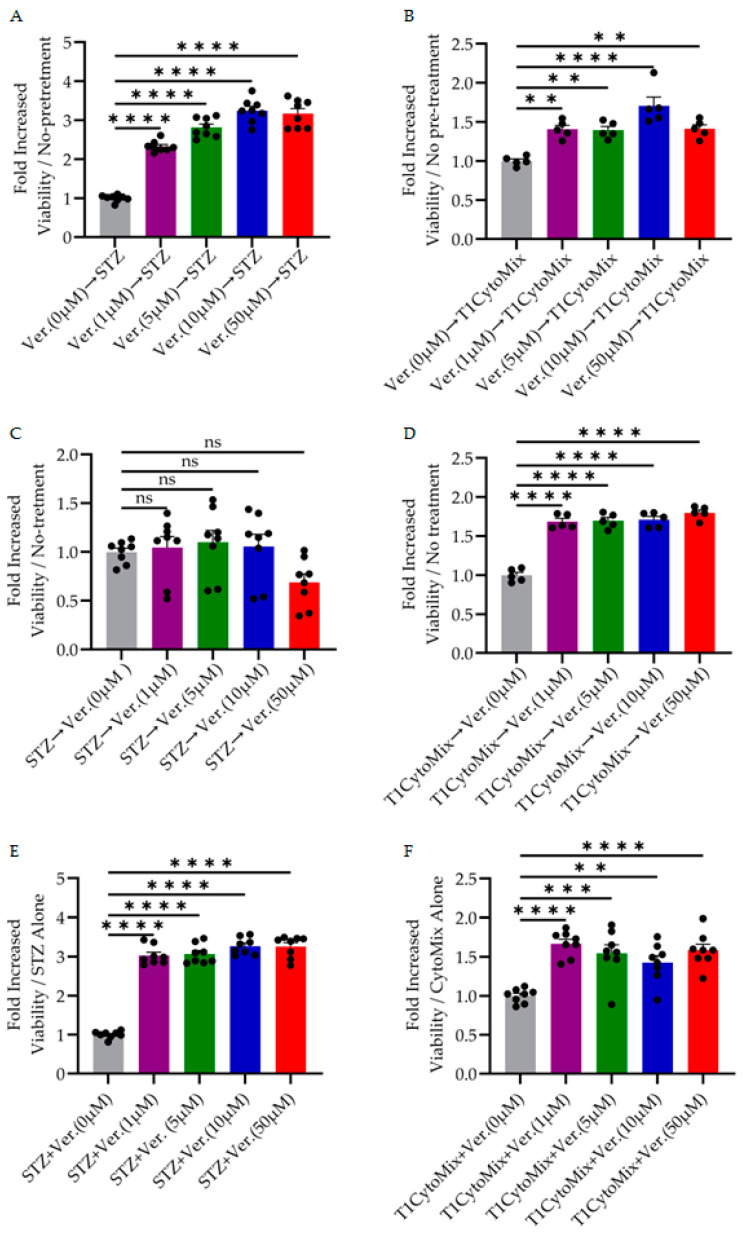 Figure 2
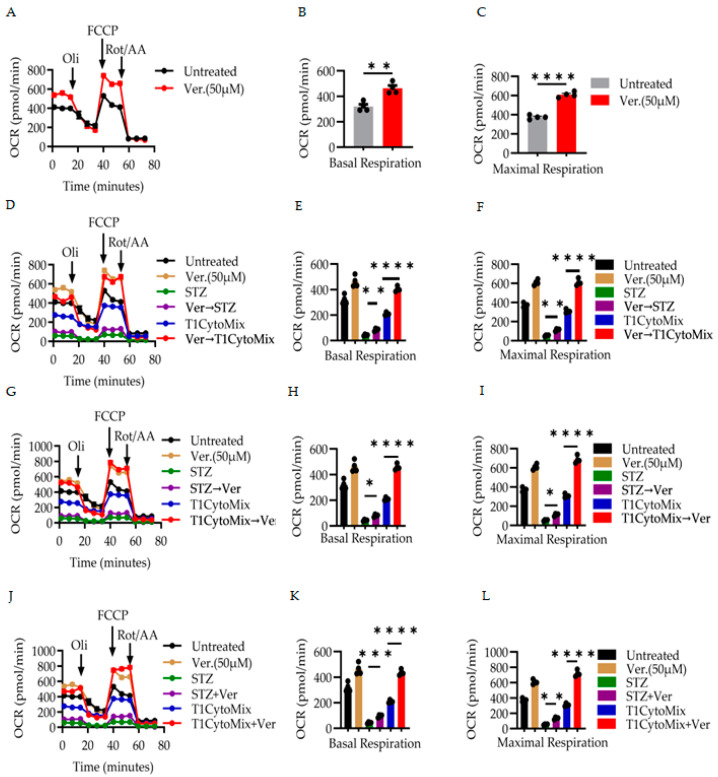 Figure 3
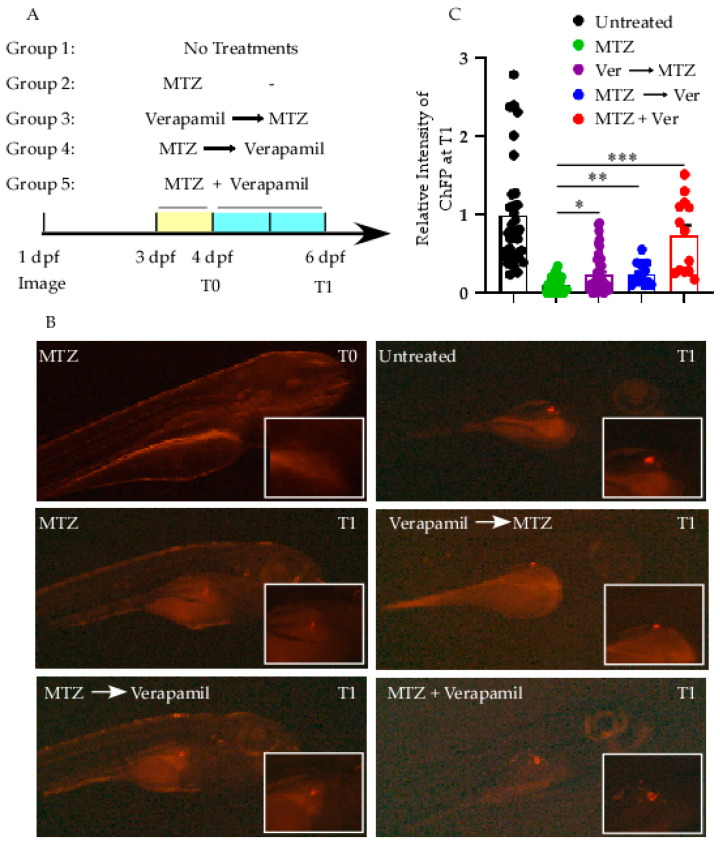 Figure 4
Peer Reviews
No public reviews on file for this paper yet. If you reviewed it on a platform where reviews are public (OpenReview, ICLR, NeurIPS, ICML), you can paste yours below so the community can read it here.
Videos
No videos yet. Explain this paper in a talk, walkthrough, or lecture? Add one.
Taxonomy
TopicsPancreatic function and diabetes · Diabetes and associated disorders · Diabetes Treatment and Management