The Enhance-Fuse-Align Principle: A New Architectural Blueprint for Robust Object Detection, with Application to X-Ray Security
Yuduo Lin, Yanfeng Lin, Heng Wu, Ming Wu

TL;DR
This paper introduces a new architecture for object detection in X-ray security imaging that improves performance by enhancing features before fusing and aligning them.
Contribution
The Enhance-Fuse-Align principle is introduced as a novel architectural blueprint for robust object detection in noisy and ambiguous imaging domains.
Findings
SecureDet, implementing the E-F-A principle, outperforms baseline and improperly ordered architectures in X-ray contraband detection.
Applying enhancement before fusion reduces noise amplification during cross-scale aggregation.
Final alignment modules correct mis-registrations caused by occluding materials.
Abstract
Object detection in challenging imaging domains like security screening, medical analysis, and satellite imaging is often hindered by signal degradation (e.g., noise, blur) and spatial ambiguity (e.g., occlusion, extreme scale variation). We argue that many standard architectures fail by fusing multi-scale features prematurely, which amplifies noise. This paper introduces the Enhance-Fuse-Align (E-F-A) principle: a new architectural blueprint positing that robust feature enhancement and explicit spatial alignment are necessary preconditions for effective feature fusion. We implement this blueprint in a model named SecureDet, which instantiates each stage: (1) an RFCBAMConv module for feature Enhancement; (2) a BiFPN for weighted Fusion; (3) ECFA and ASFA modules for contextual and spatial Alignment. To validate the E-F-A blueprint, we apply SecureDet to the highly challenging task of…
Genes, proteins, chemicals, diseases, species, mutations and cell lines named across the full text — each resolved to its canonical identifier and authoritative record.
Click any figure to enlarge with its caption.
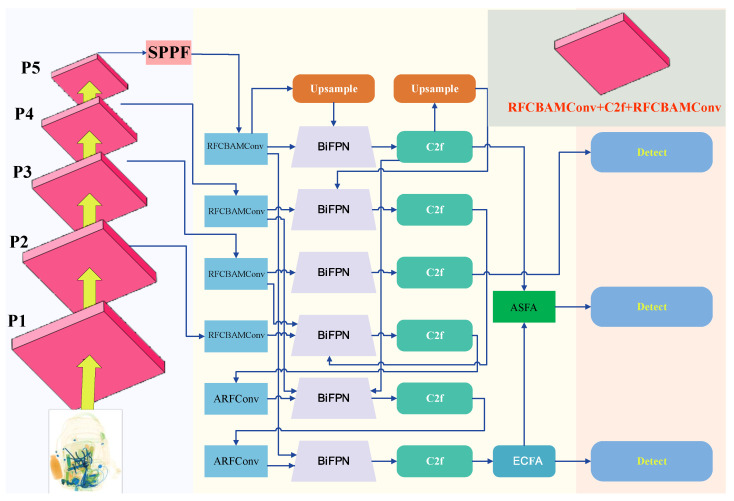 Figure 1
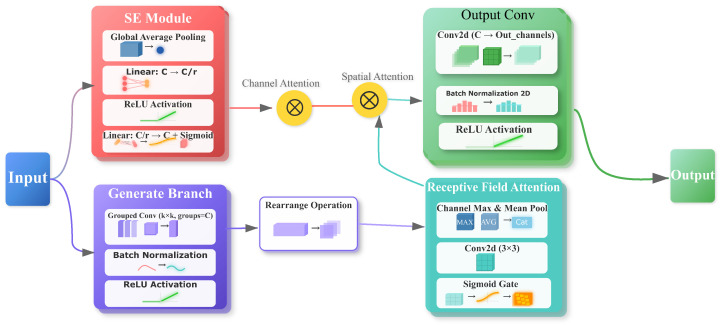 Figure 2
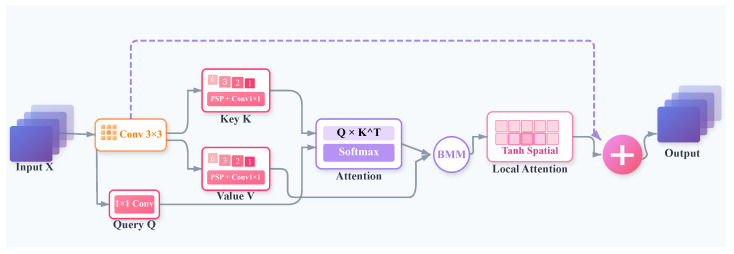 Figure 3
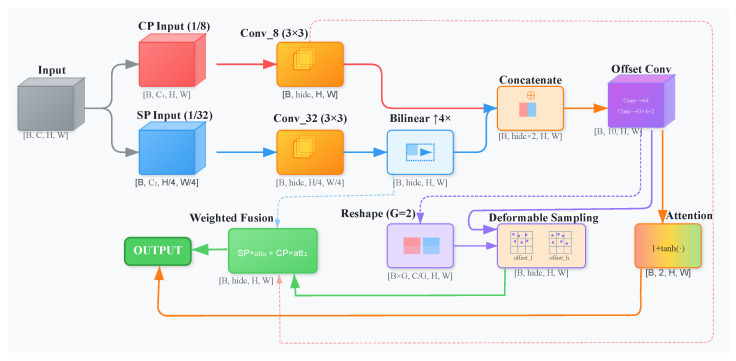 Figure 4
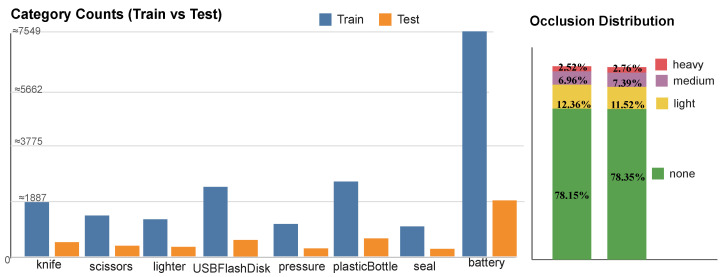 Figure 5
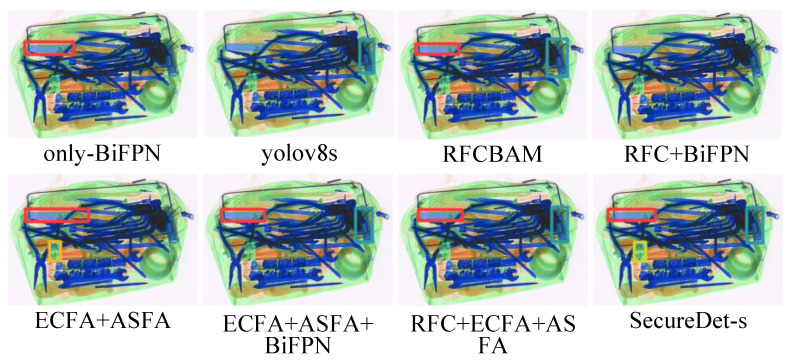 Figure 6
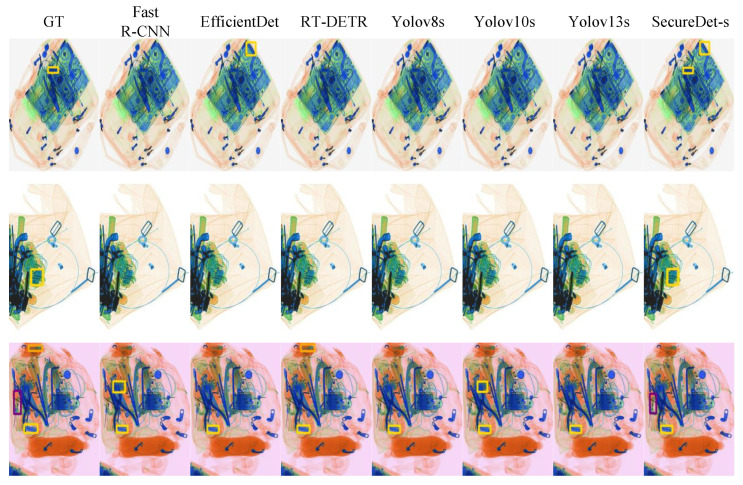 Figure 7
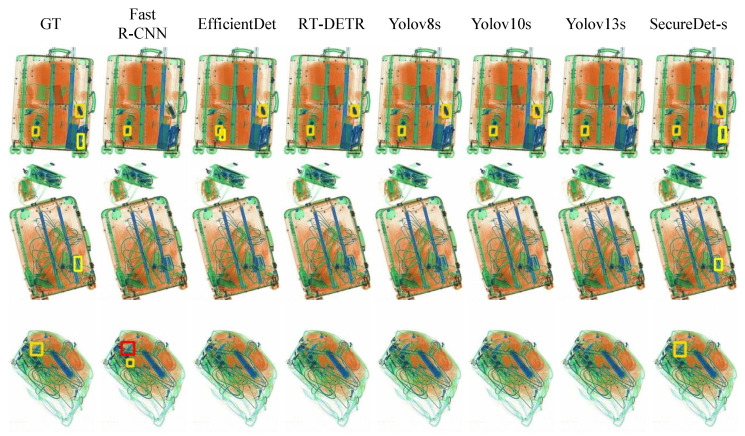 Figure 8
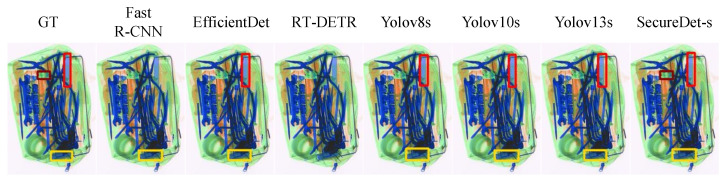 Figure 9
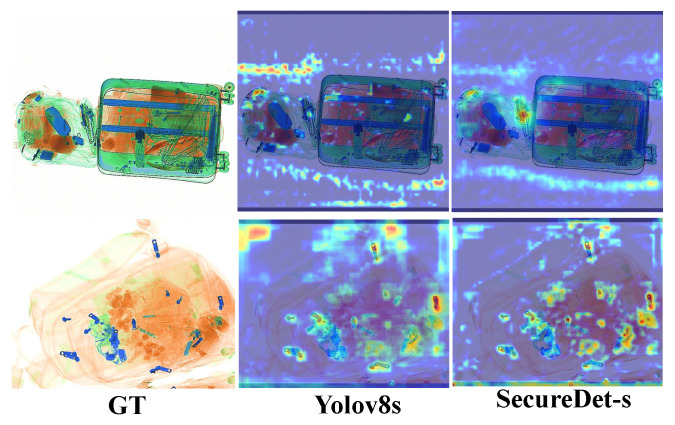 Figure 10
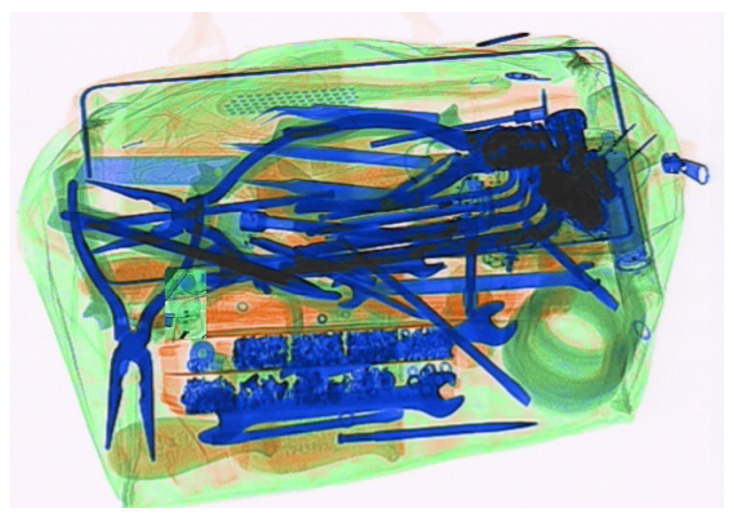 Figure 11
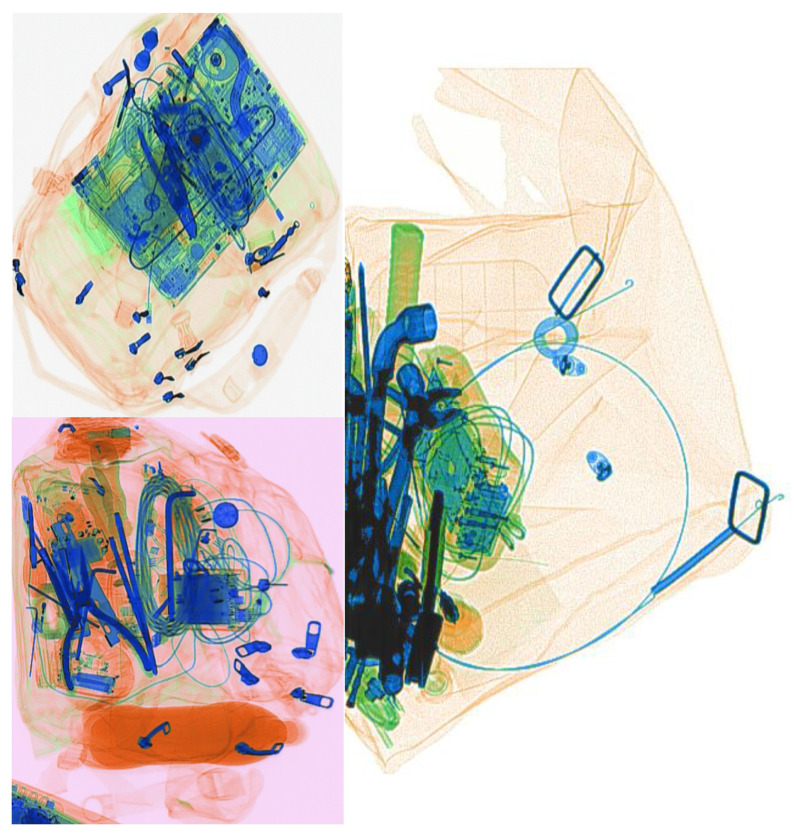 Figure 12
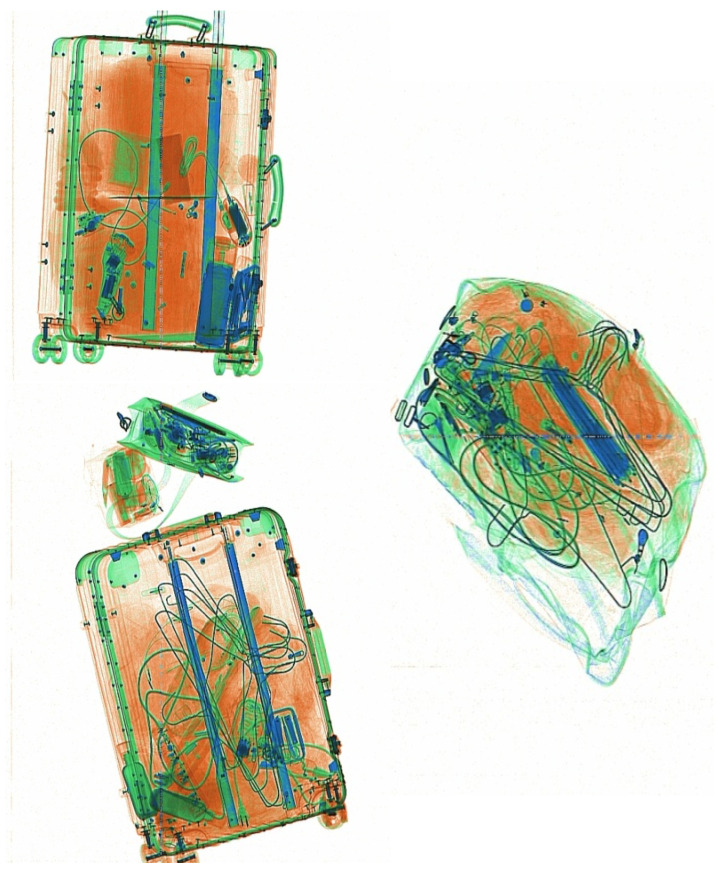 Figure 13
Peer Reviews
No public reviews on file for this paper yet. If you reviewed it on a platform where reviews are public (OpenReview, ICLR, NeurIPS, ICML), you can paste yours below so the community can read it here.
Videos
No videos yet. Explain this paper in a talk, walkthrough, or lecture? Add one.
Taxonomy
TopicsAdvanced Neural Network Applications · Adversarial Robustness in Machine Learning · Radiation Detection and Scintillator Technologies