A Celsr3 Mutation Linked to Tourette Disorder Disrupts Cortical Dendritic Patterning and Striatal Cholinergic Interneuron Excitability
Cara Nasello, G. Duygu Yilmaz, Lauren A. Poppi, Tess F. Kowalski, K. T. Ho-Nguyen, Junbing Wu, Matthew Matrongolo, Joshua K. Thackray, Anna Shi, Nicolas L. Carayannopoulos, Nithisha Cheedalla, Julianne McGinnis, Jasmine Chen, Adyan Khondker, Fadel Tissir, Gary A. Heiman

TL;DR
A mutation in the CELSR3 gene linked to Tourette Disorder disrupts brain cell structure and function in mice, but does not cause tics.
Contribution
A novel viable mouse model with a human CELSR3 mutation reveals specific neural changes without causing tic-like behaviors.
Findings
Mice with the CELSR3 R774H mutation show altered cortical dendritic patterning and spine distribution.
Cholinergic interneurons in the striatum of these mice exhibit mild hyperexcitability and spine density changes.
Despite these changes, the mice do not display repetitive motor behaviors but show sensorimotor gating deficits.
Abstract
Tourette Disorder (TD) is a prevalent neurodevelopmental condition characterized by chronic motor and vocal tics. A mechanistic understanding of both the genetic etiology and brain pathophysiology remains poor. To gain insight into the molecular underpinnings of TD, we have generated a novel mouse model expressing an orthologous human mutation in CELSR3, a high-confidence TD risk gene. This putative damaging de novo variant, R774H, causes an amino acid substitution within the fifth cadherin repeat. Unlike previous Celsr3 TD models and Celsr3 constitutive null mice, mice homozygous for the R774H amino acid substitution are viable. They have grossly normal forebrain development and no changes to the density of cortical and striatal interneuron subpopulations. However, 3D geometric analysis of cortical pyramidal neurons revealed changes to dendritic patterning and the types and…
Genes, proteins, chemicals, diseases, species, mutations and cell lines named across the full text — each resolved to its canonical identifier and authoritative record.
Click any figure to enlarge with its caption.
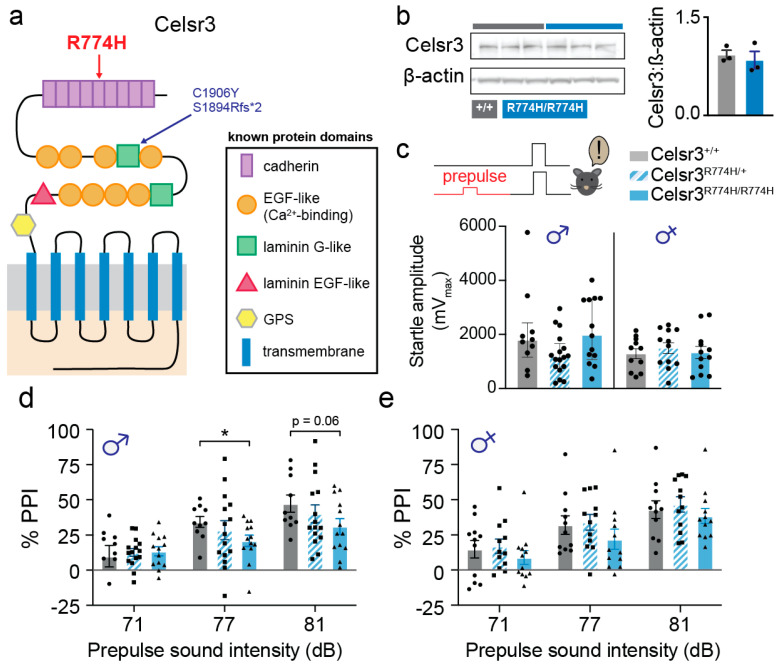 Figure 1
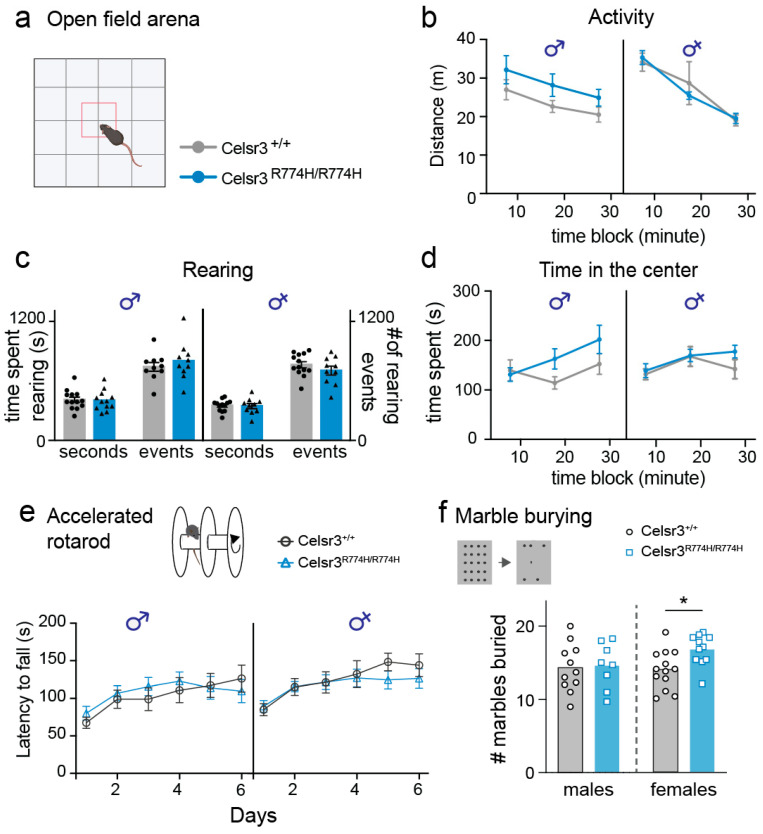 Figure 2
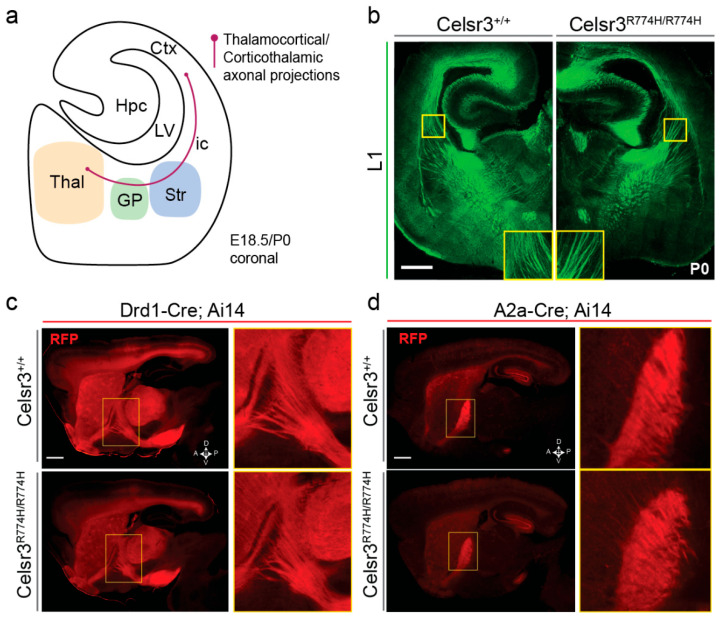 Figure 3
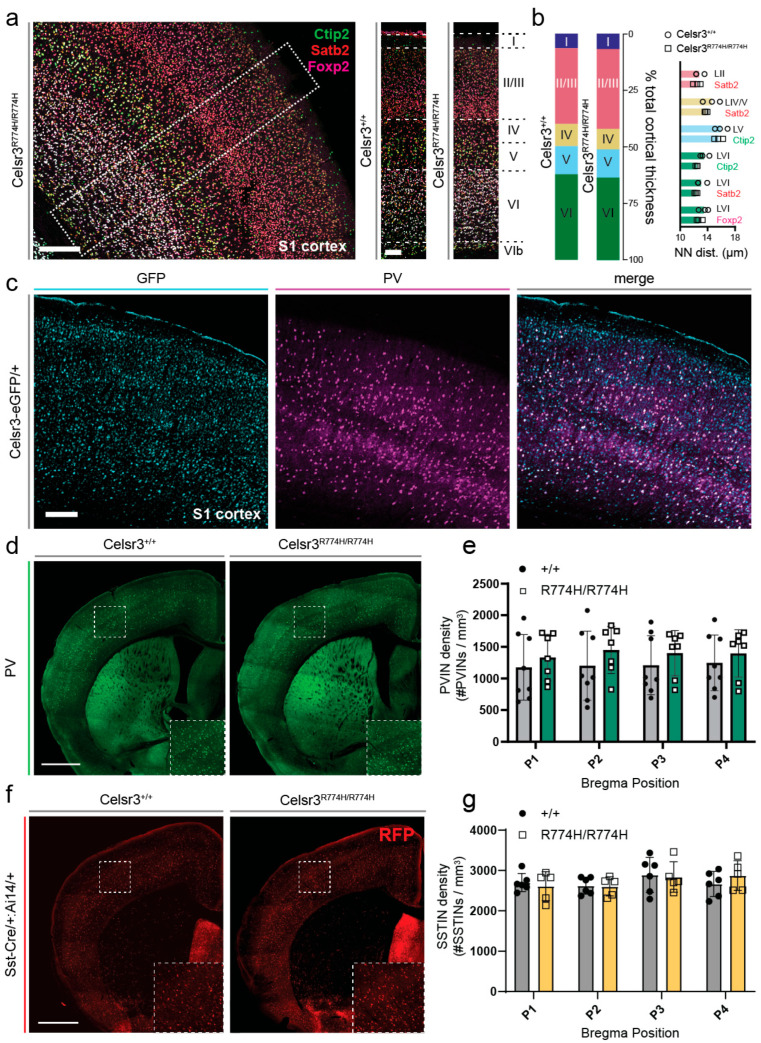 Figure 4
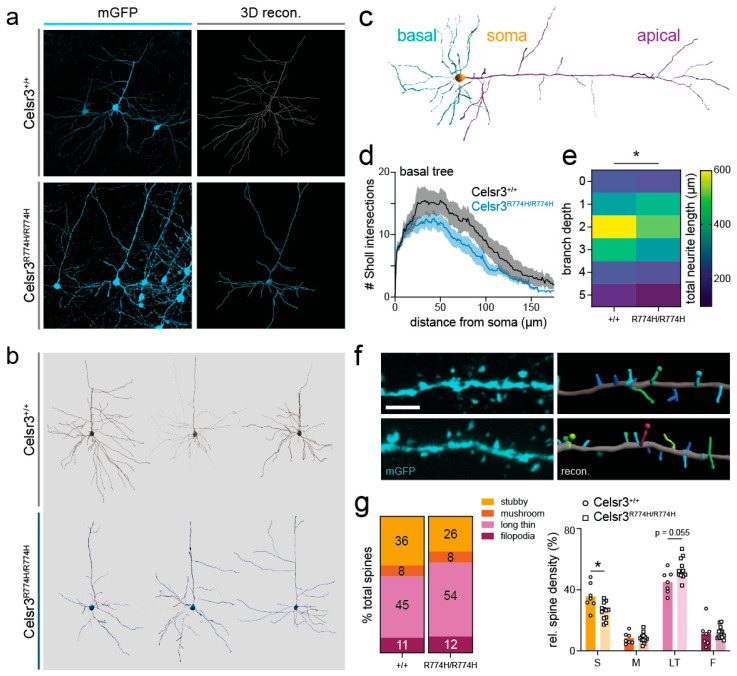 Figure 5
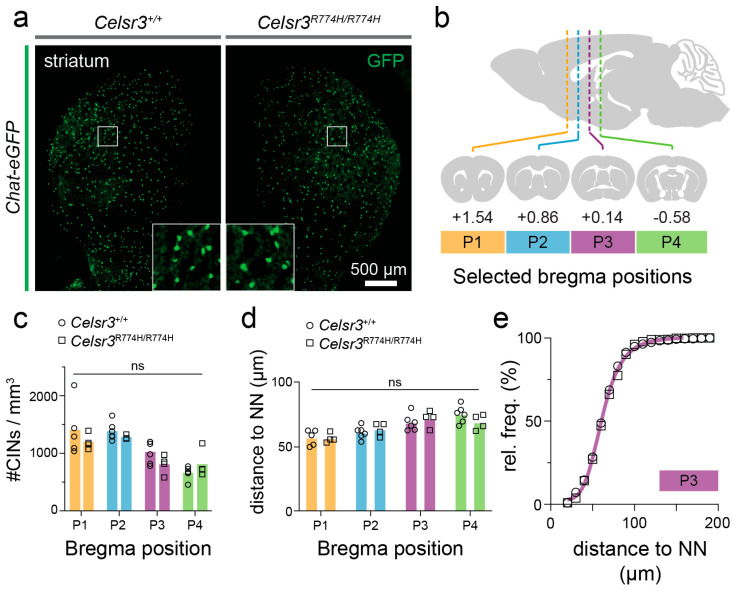 Figure 6
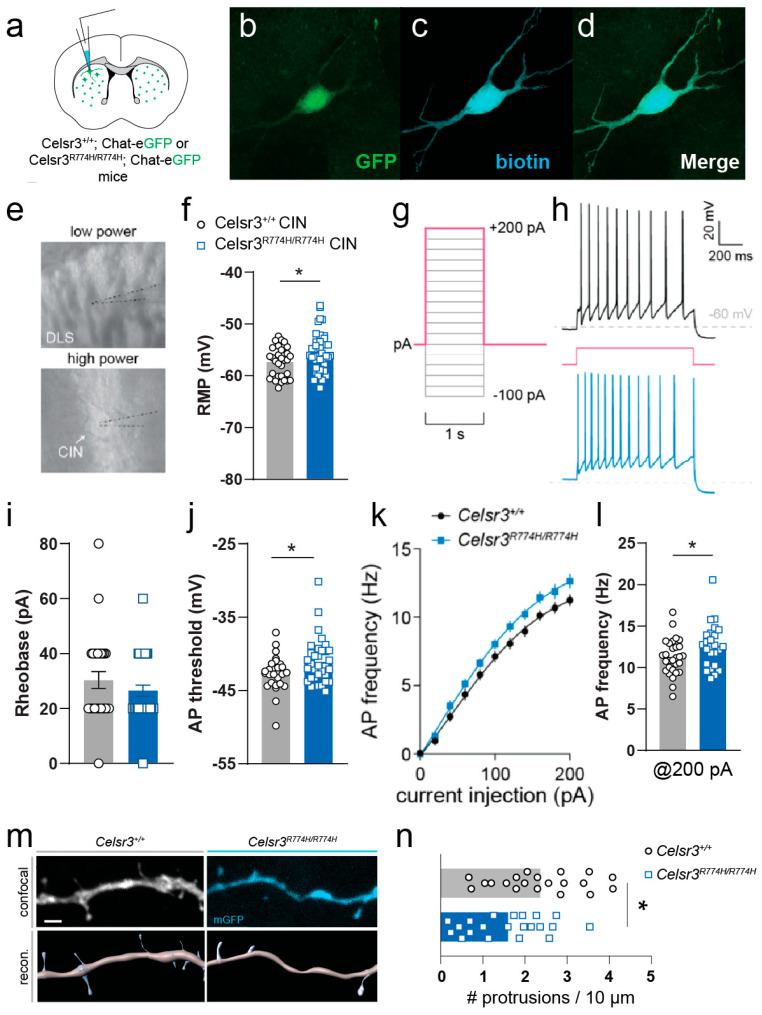 Figure 7
Peer Reviews
No public reviews on file for this paper yet. If you reviewed it on a platform where reviews are public (OpenReview, ICLR, NeurIPS, ICML), you can paste yours below so the community can read it here.
Videos
No videos yet. Explain this paper in a talk, walkthrough, or lecture? Add one.
Taxonomy
TopicsNeurobiology and Insect Physiology Research · Obsessive-Compulsive Spectrum Disorders · Insect and Pesticide Research