A novel ene-reductase from Halomonas elongata for flow biocatalytic synthesis of 3-phenylpropionaldehyde and sustainable indigo-carmine dyeing
Lauriane Pillet, Cristina Lía Fernández Reguerio, Markus Richard Busch, David Roura Padrosa, Francesca Paradisi

TL;DR
A new enzyme from Halomonas elongata efficiently reduces carbon-carbon double bonds and is used in a biocatalytic process to produce a chemical and a sustainable dye.
Contribution
A novel halophilic ene-reductase is characterized and applied in a flow biocatalytic system for efficient synthesis.
Findings
The ene-reductase from Halomonas elongata showed high activity across various substrates.
Flow biocatalytic reduction of cinnamaldehyde achieved a 62-fold process intensification compared to batch.
An enzymatic cascade converted indole to leuco-indigo with co-production of 2-oxindole.
Abstract
In order to broaden the toolbox of enzymes available for biocatalytic reductions of carbon-carbon double bonds, we investigated four promising ene-reductases (ERs) stemming from extremophilic organisms or showing homology with thermophilic ERs. The novel ene-reductase from the halophilic organism Halomonas elongata showed consistently high activity across a range of tested substrates. Upon immobilisation of the ERs, the flow biocatalytic ene-reduction of cinnamaldhehyde into 3-phenylpropionaldehyde was successfully achieved with an intensification of the process of 62-fold with respect to batch (2173.9 mg L−1 h−1 and 34.7 mg L−1 h−1, respectively). Additionally, to expand the scope of ERs applications, we describe a proof-of concept of a novel enzymatic cascade to convert indole to indigo using an unspecific peroxygenase, and its subsequent reduction to the water-soluble leuco-indigo.…
Genes, proteins, chemicals, diseases, species, mutations and cell lines named across the full text — each resolved to its canonical identifier and authoritative record.
Click any figure to enlarge with its caption.
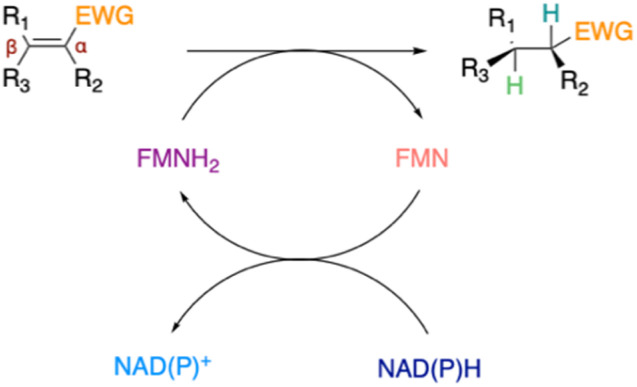 Figure 1
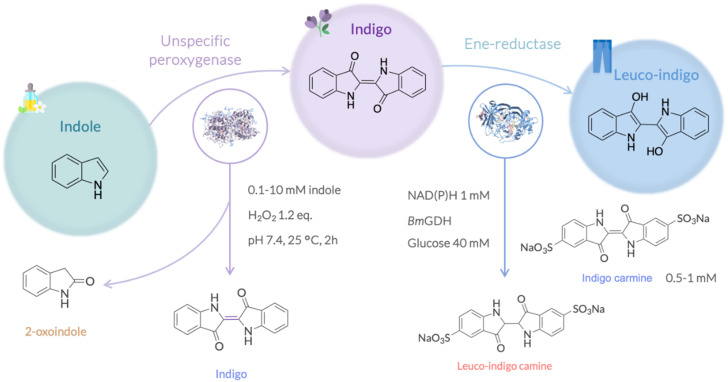 Figure 2
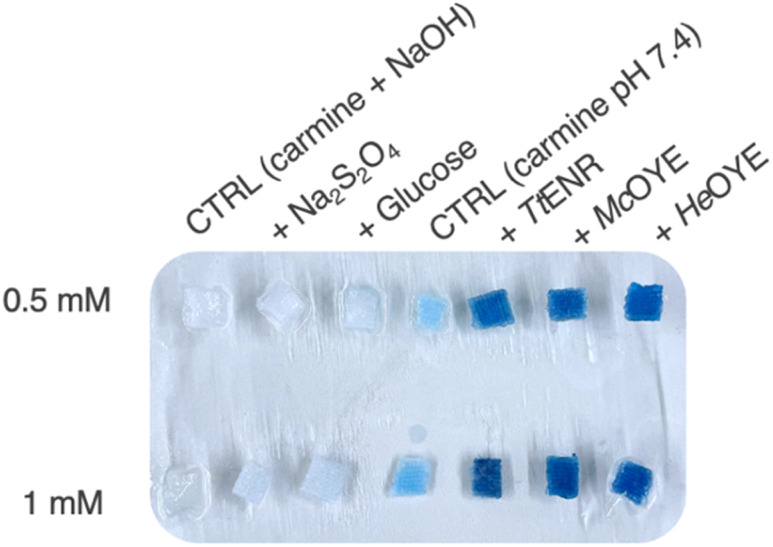 Figure 3
 Figure 4
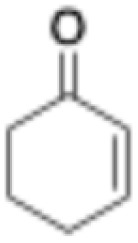 Figure 5
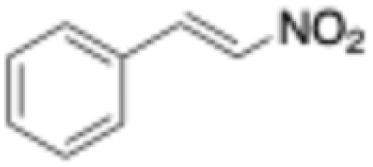 Figure 6
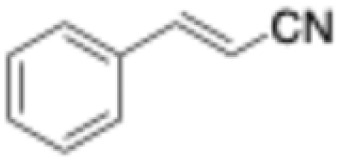 Figure 7
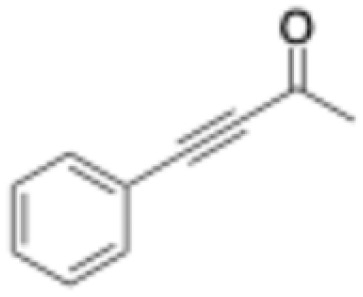 Figure 8
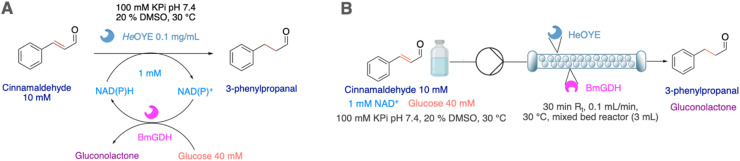 Figure 9
 Figure 10
 Figure 11
 Figure 12
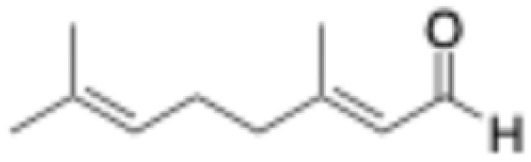 Figure 13
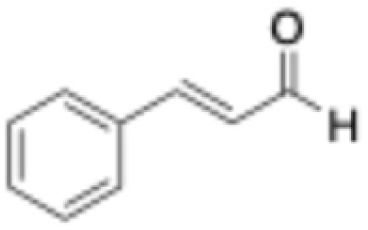 Figure 14
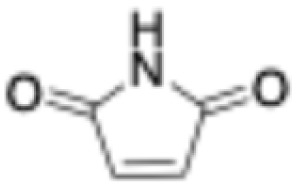 Figure 15
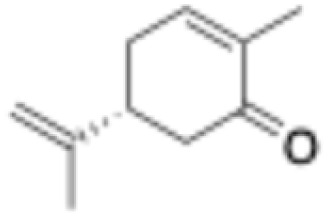 Figure 16
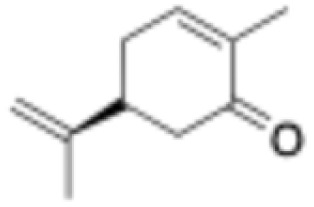 Figure 17
Peer Reviews
No public reviews on file for this paper yet. If you reviewed it on a platform where reviews are public (OpenReview, ICLR, NeurIPS, ICML), you can paste yours below so the community can read it here.
Videos
No videos yet. Explain this paper in a talk, walkthrough, or lecture? Add one.
Taxonomy
TopicsEnzyme Catalysis and Immobilization · Enzyme-mediated dye degradation · Biochemical and biochemical processes