Development of a Machine Learning Interatomic Potential for Zirconium and Its Verification in Molecular Dynamics
Yuxuan Wan, Xuan Zhang, Liang Zhang

TL;DR
This paper develops a machine learning model to accurately simulate zirconium's atomic behavior under various conditions, outperforming traditional methods.
Contribution
A new machine learning interatomic potential for Zr is developed and validated against DFT simulations.
Findings
The DP model shows high consistency with DFT in predicting lattice constants and melting point.
It accurately captures atomic migration and structural transformations under thermal excitation.
The model reproduces plastic deformation and stress-induced phase transitions in Zr.
Abstract
Molecular dynamics (MD) can dynamically reveal the structural evolution and mechanical response of Zirconium (Zr) at the atomic scale under complex service conditions such as high temperature, stress, and irradiation. However, traditional empirical potentials are limited by their fixed function forms and parameters, making it difficult to accurately describe the multi-body interactions of Zr under conditions such as multi-phase structures and strong nonlinear deformation, thereby limiting the accuracy and generalization ability of simulation results. This paper combines high-throughput first-principles calculations (DFT) with the machine learning method to develop the Deep Potential (DP) for Zr. The developed DP of Zr was verified by performing molecular dynamic simulations on lattice constants, surface energies, grain boundary energies, melting point, elastic constants, and tensile…
Genes, proteins, chemicals, diseases, species, mutations and cell lines named across the full text — each resolved to its canonical identifier and authoritative record.
Click any figure to enlarge with its caption.
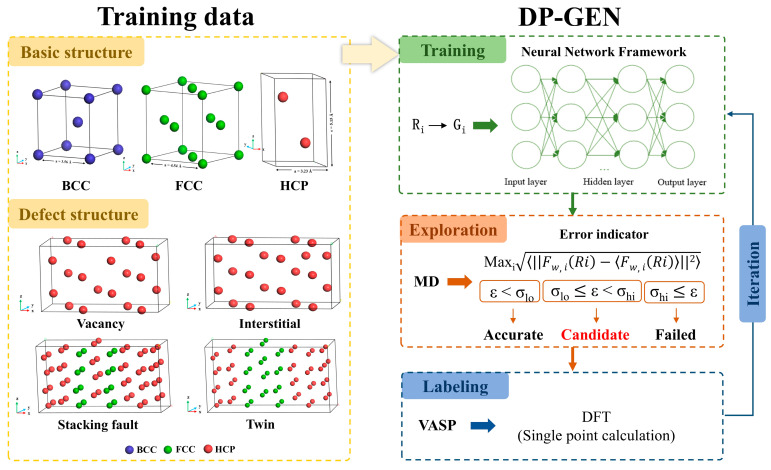 Figure 1
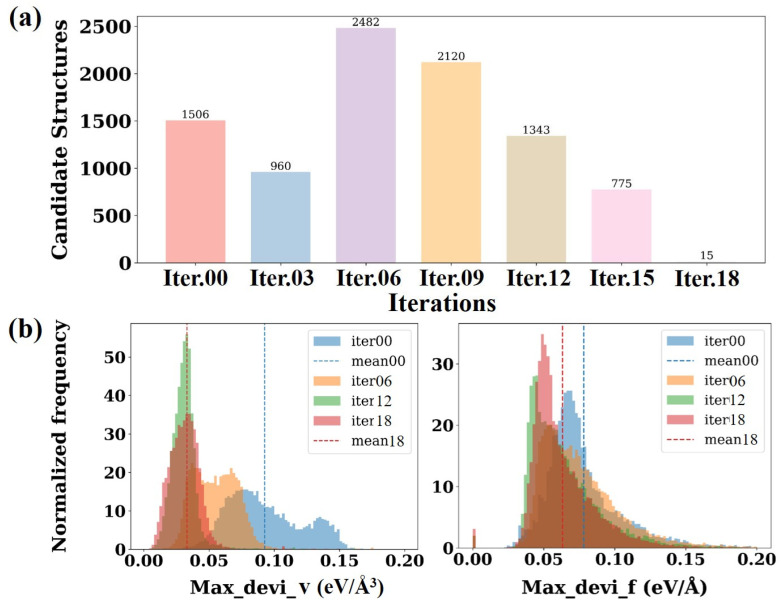 Figure 2
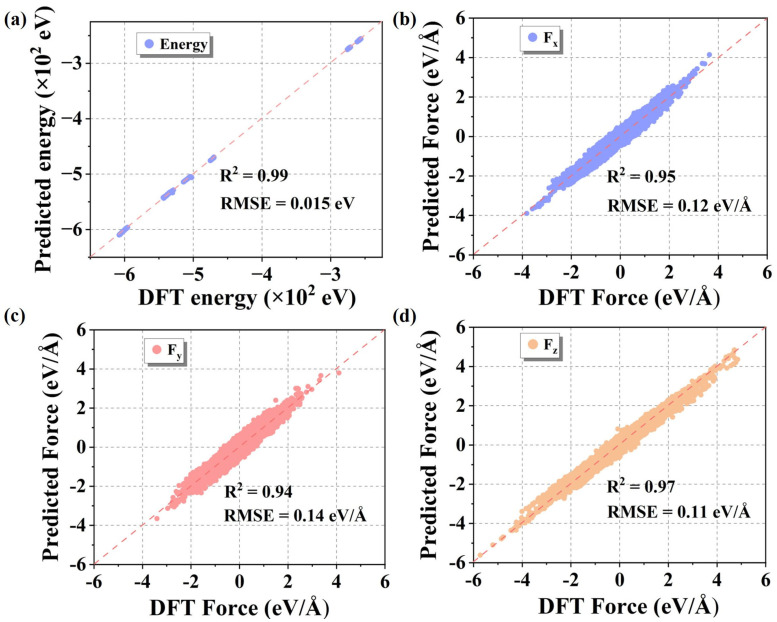 Figure 3
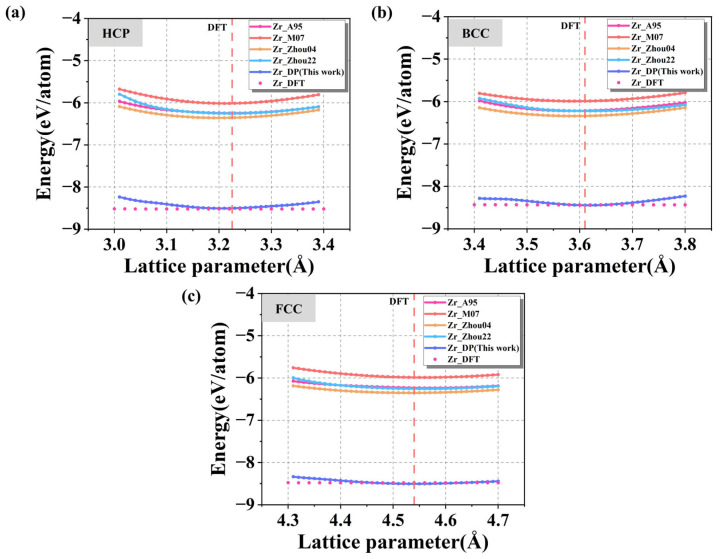 Figure 4
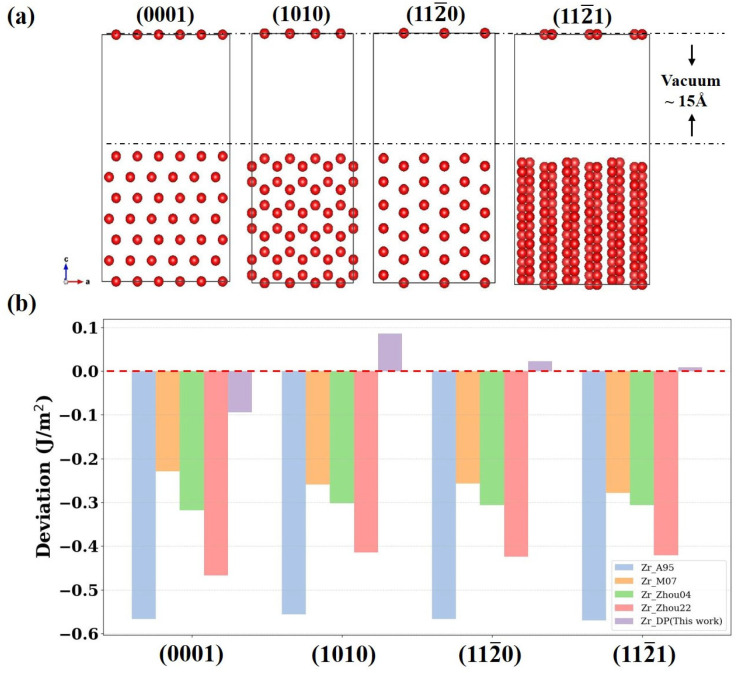 Figure 5
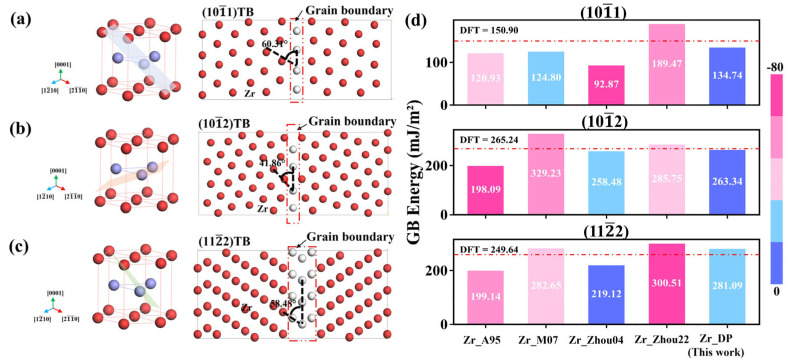 Figure 6
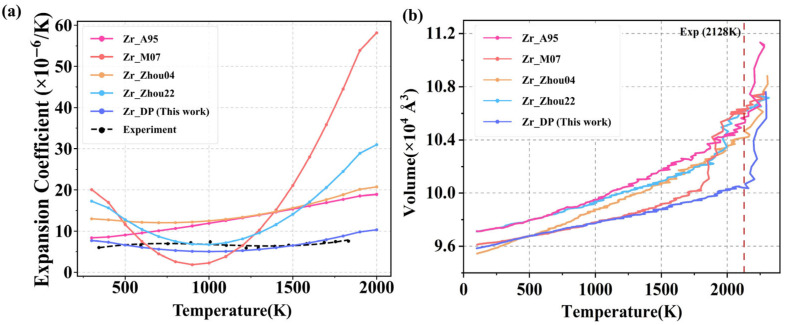 Figure 7
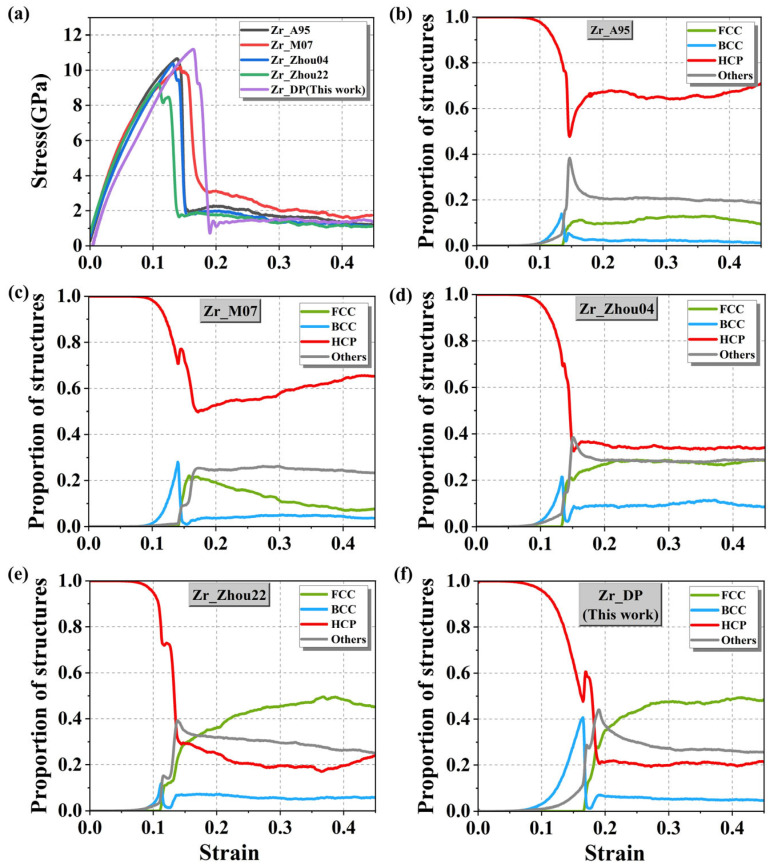 Figure 8
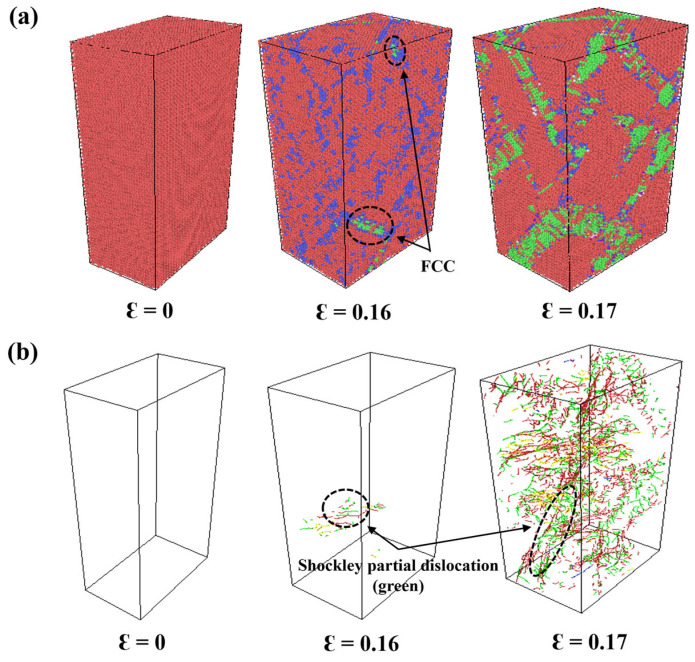 Figure 9
Peer Reviews
No public reviews on file for this paper yet. If you reviewed it on a platform where reviews are public (OpenReview, ICLR, NeurIPS, ICML), you can paste yours below so the community can read it here.
Videos
No videos yet. Explain this paper in a talk, walkthrough, or lecture? Add one.
Taxonomy
TopicsMachine Learning in Materials Science