Precise Control of Micropipette Flow Rate for Fluorescence Imaging in In Vivo Micromanipulation
Ruimin Li, Shaojie Fu, Zijian Guo, Jinyu Qiu, Yuzhu Liu, Mengya Liu, Qili Zhao, Xin Zhao

TL;DR
A new system for controlling micropipette flow rates improves precision in fluorescence imaging during in vivo experiments.
Contribution
A closed-loop pressure regulation system with high-resolution flow control and a novel droplet-based calibration method.
Findings
The system achieved a flow control error of less than 10 fL/s.
Fluorescence intensity fluctuations were maintained at around 1.3% in brain-slice experiments.
A linear pressure–flow relationship was established with R2 > 0.99.
Abstract
Precise regulation of micropipette outlet flow is critical for fluorescence imaging in vivo micromanipulations. In such procedures, a micropipette with a micro-sized opening is driven by gas pressure to deliver internal solution into the in vivo environment. The outlet flow rate needs to be precisely regulated to ensure a uniform and stable fluorescence distribution. However, conventional manual pressure injection methods face inherent limitations, including insufficient precision and poor reproducibility. Existing commercial microinjection systems lack a quantitative relationship between pressure and flow rate. And existing calibration methods in the field of microfluidics suffer from a limited flow-rate measurement resolution, constraining the establishment of a precise pressure–flow quantitative relationship. To address these challenges, we developed a closed-loop pressure regulation…
Genes, proteins, chemicals, diseases, species, mutations and cell lines named across the full text — each resolved to its canonical identifier and authoritative record.
Click any figure to enlarge with its caption.
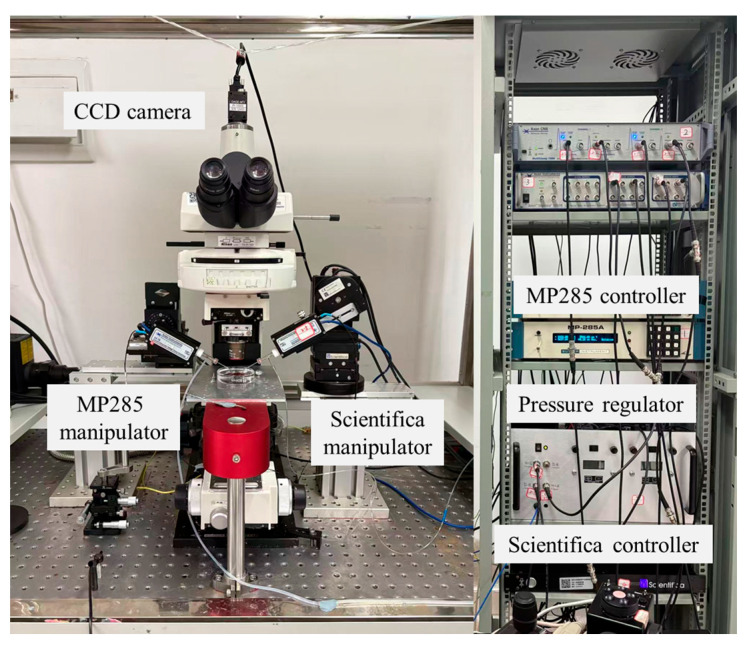 Figure 1
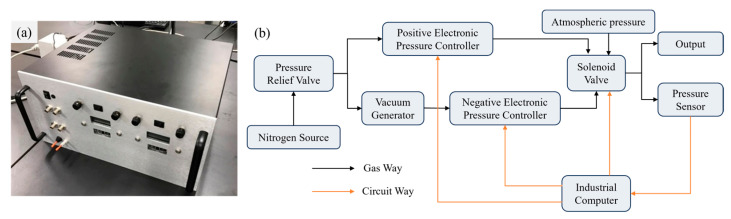 Figure 2
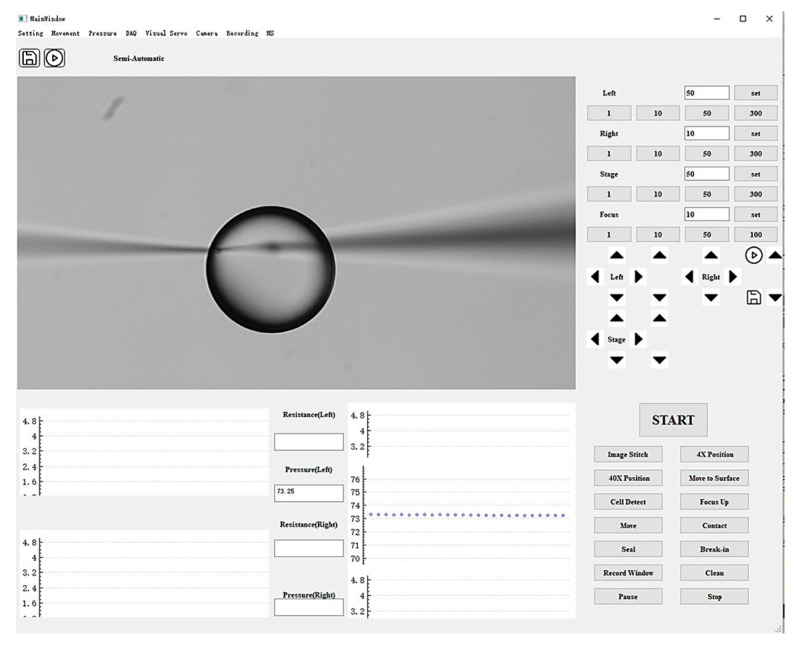 Figure 3
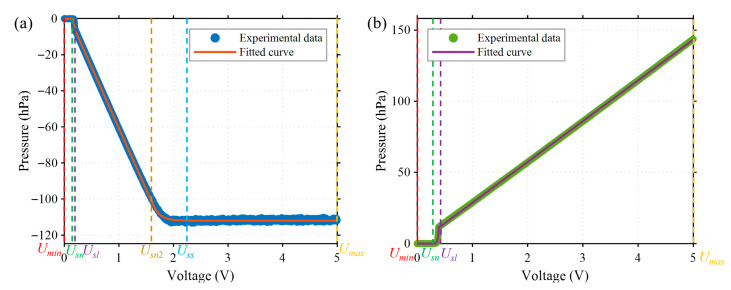 Figure 4
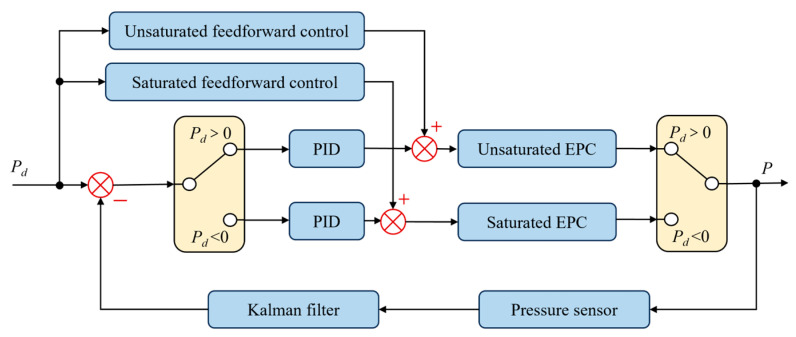 Figure 5
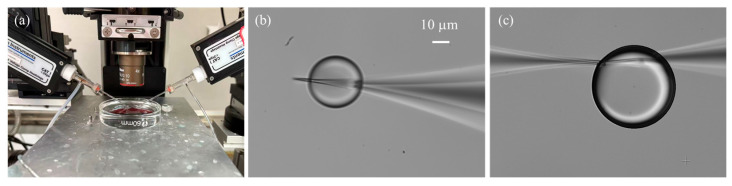 Figure 6
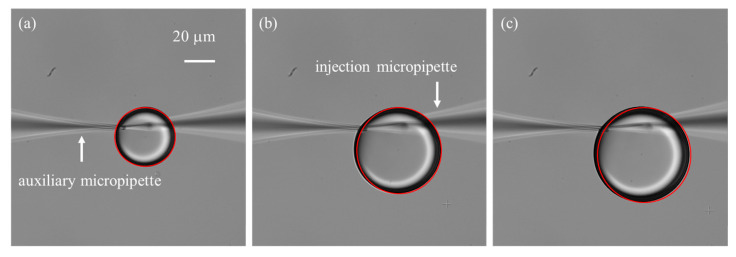 Figure 7
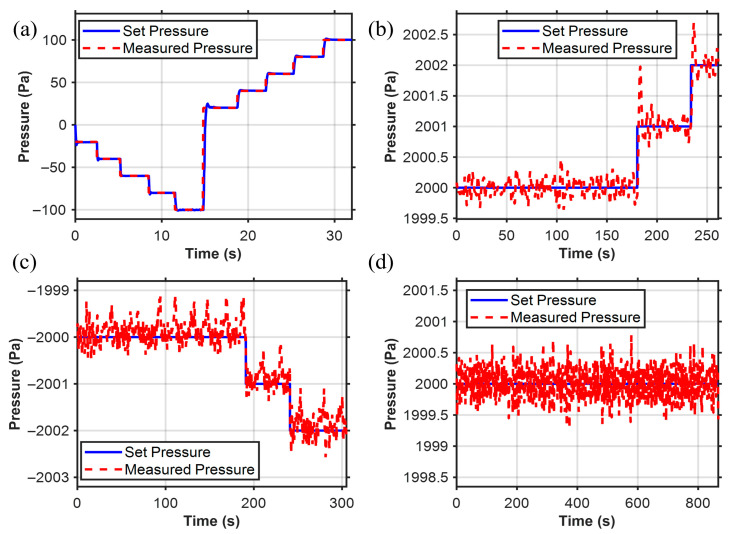 Figure 8
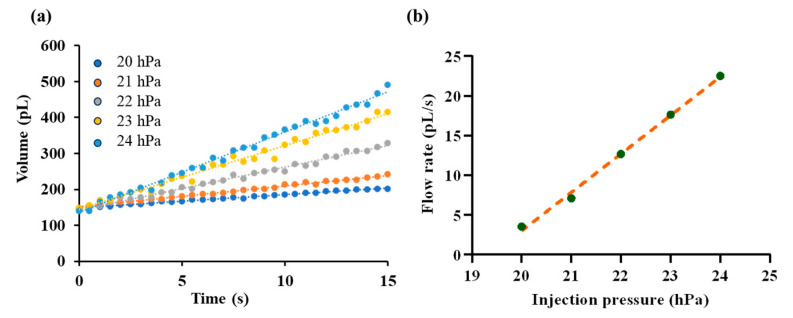 Figure 9
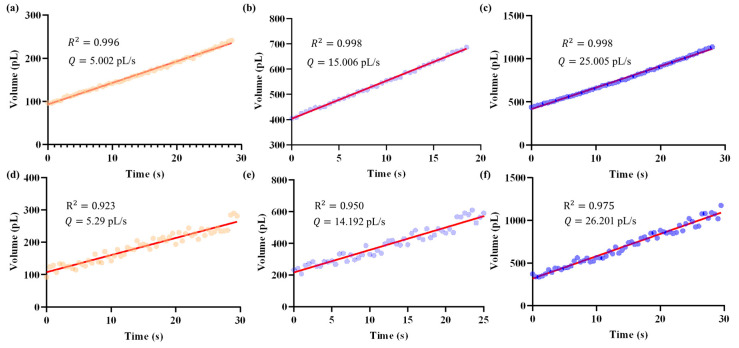 Figure 10
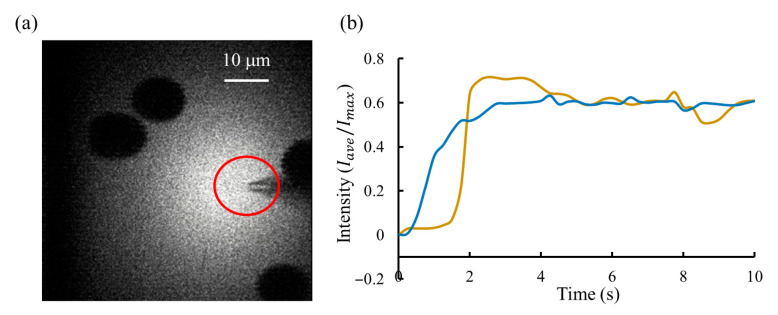 Figure 11
Peer Reviews
No public reviews on file for this paper yet. If you reviewed it on a platform where reviews are public (OpenReview, ICLR, NeurIPS, ICML), you can paste yours below so the community can read it here.
Videos
No videos yet. Explain this paper in a talk, walkthrough, or lecture? Add one.
Taxonomy
Topics3D Printing in Biomedical Research · Microfluidic and Capillary Electrophoresis Applications · Microfluidic and Bio-sensing Technologies