Automated Control of Rehabilitation Process in Physical Therapy Using a Novel Human Skeleton-Based Balanced Time Warping Algorithm
Oleg Seredin, Andrey Kopylov, Egor Surkov, Nikita Mityugov, Alexei Tokarev, Parama Bagchi, Debotosh Bhattacharjee

TL;DR
This paper introduces a new computer vision system that uses a skeleton-based algorithm to monitor and evaluate physical therapy exercises in real time, improving rehabilitation accuracy and efficiency.
Contribution
A novel Human Skeleton-based Balanced Time Warping algorithm for automated rehabilitation monitoring without pre-alignment or calibration.
Findings
The system achieved a high Spearman’s rank correlation coefficient of 0.977 between computed dissimilarity and exercise accuracy.
The method effectively clusters exercise performance into 'good,' 'intermediate,' and 'bad' accuracy levels.
The approach enables real-time feedback and reduces therapist workload while supporting remote rehabilitation monitoring.
Abstract
Physical therapy is a critical component of medical rehabilitation, aiding recovery from conditions such as stroke, spinal cord injuries, and musculoskeletal disorders. Effective rehabilitation requires precise monitoring of patient performance to ensure exercises are executed correctly and progress is accurately assessed. This paper presents a novel automated system for controlling the rehabilitation process and evaluating physical therapy exercise quality using computer vision and a customized Human Skeleton-based Balanced Time Warping algorithm. The proposed method quantitatively assesses the similarity between a physiotherapist and patient performance by analyzing skeletal motion data extracted from RGB-D video sequences without requiring pre-alignment or sensor-specific calibration. A motion-dependent, weighted Euclidean distance between 3D skeletal models is used to compute pose…
Genes, proteins, chemicals, diseases, species, mutations and cell lines named across the full text — each resolved to its canonical identifier and authoritative record.
Click any figure to enlarge with its caption.
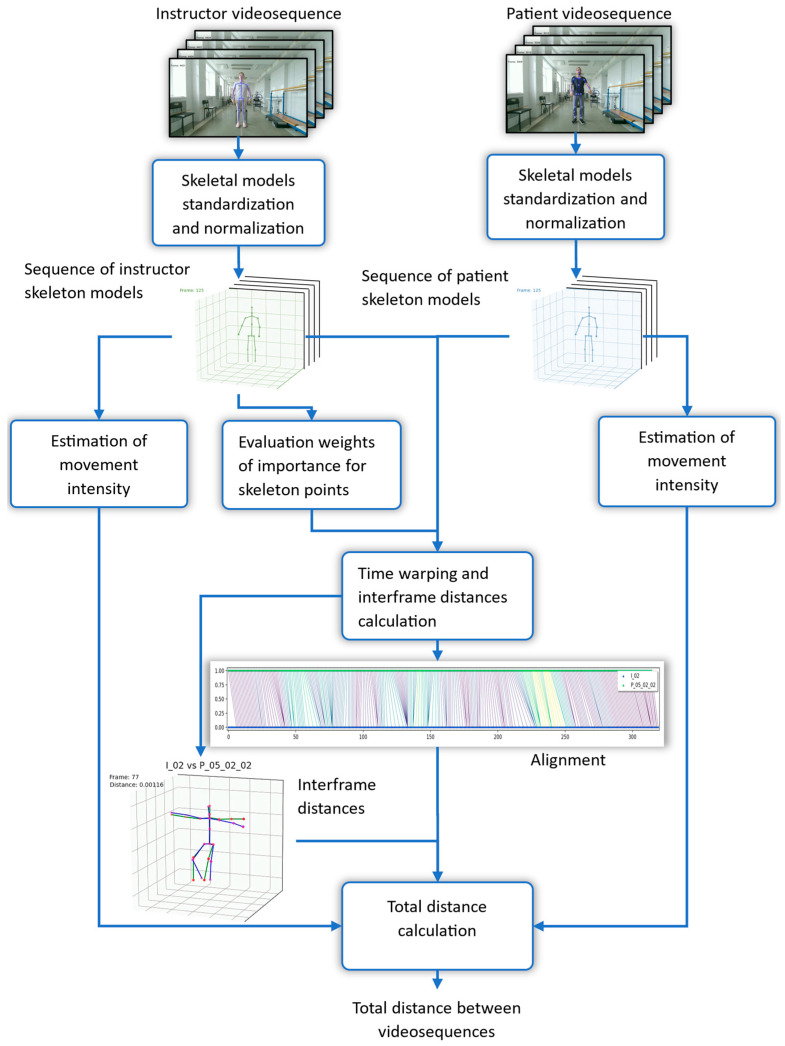 Figure 1
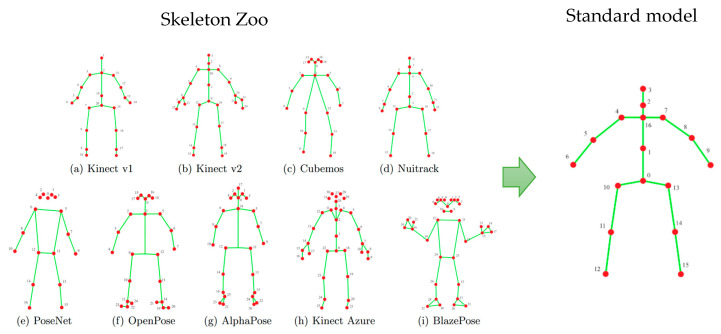 Figure 2
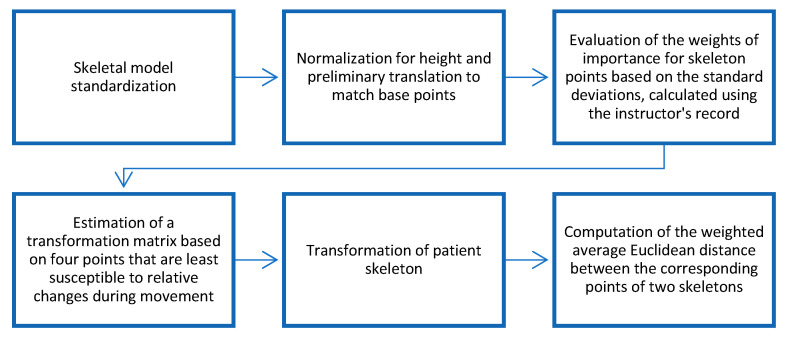 Figure 3
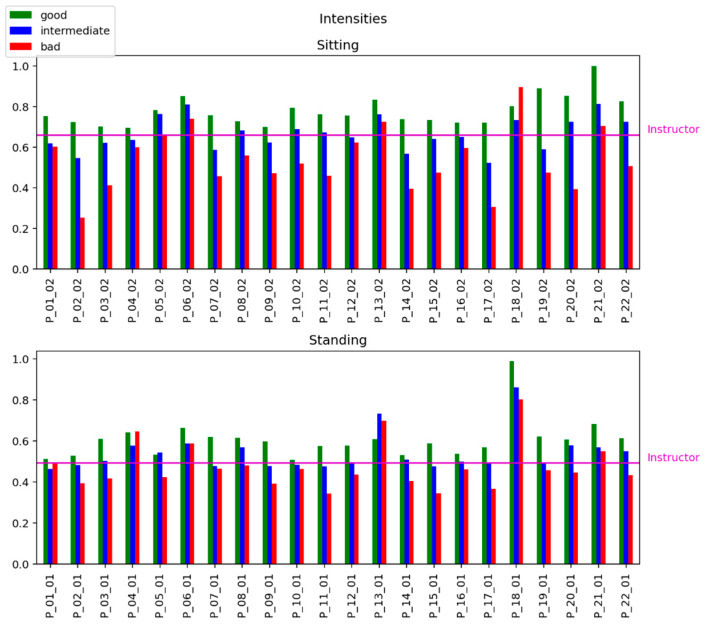 Figure 4
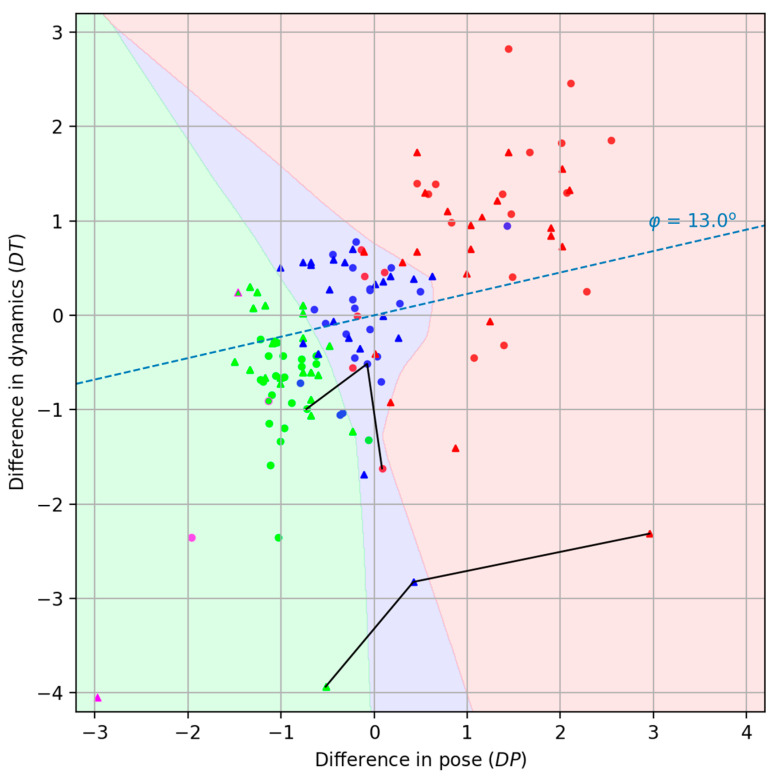 Figure 5
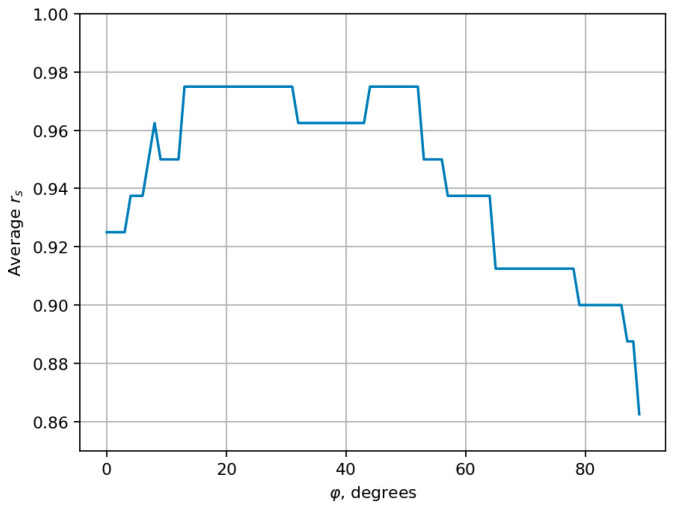 Figure 6
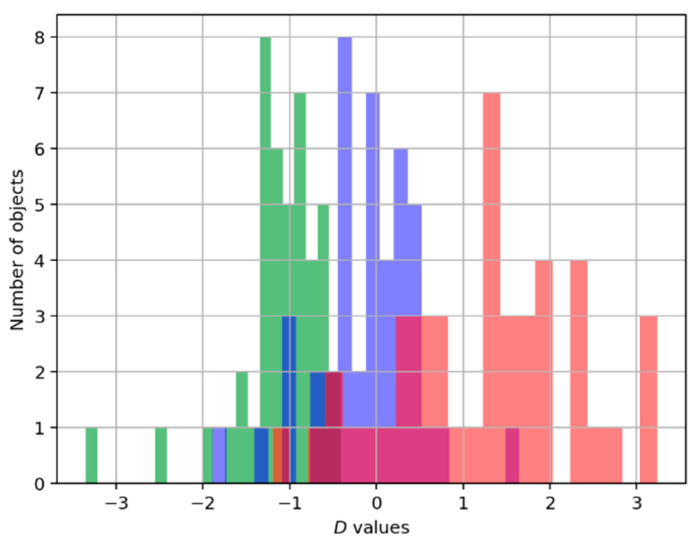 Figure 7
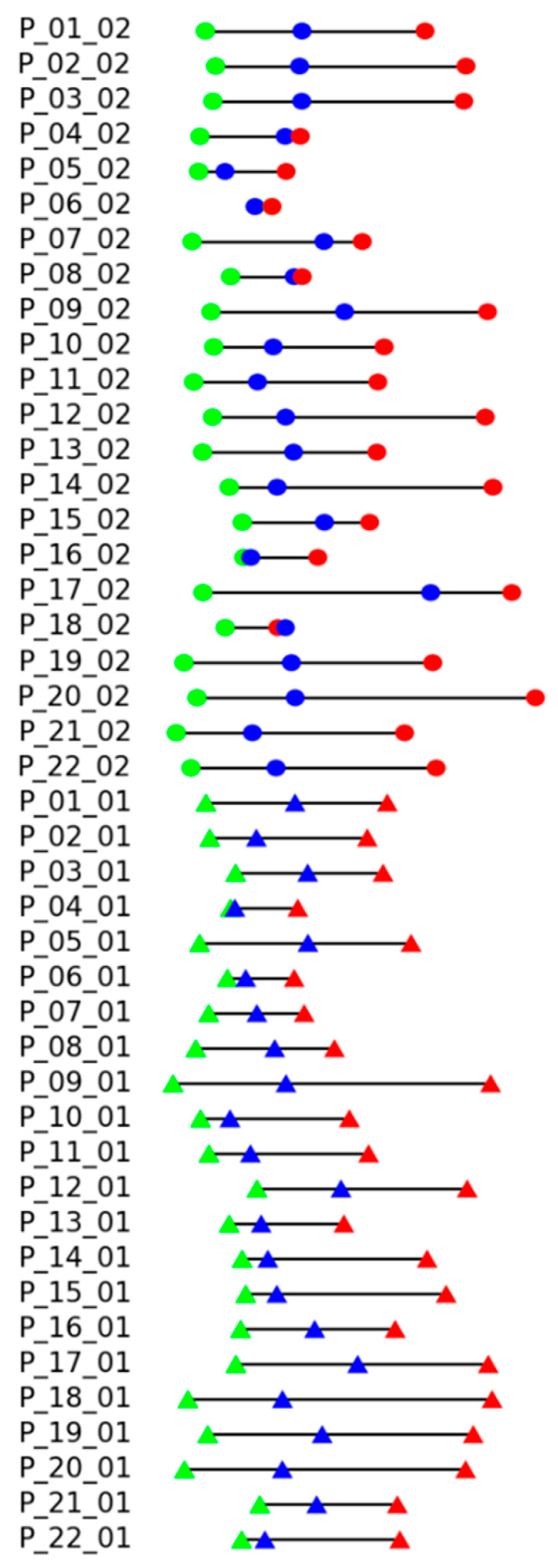 Figure 8
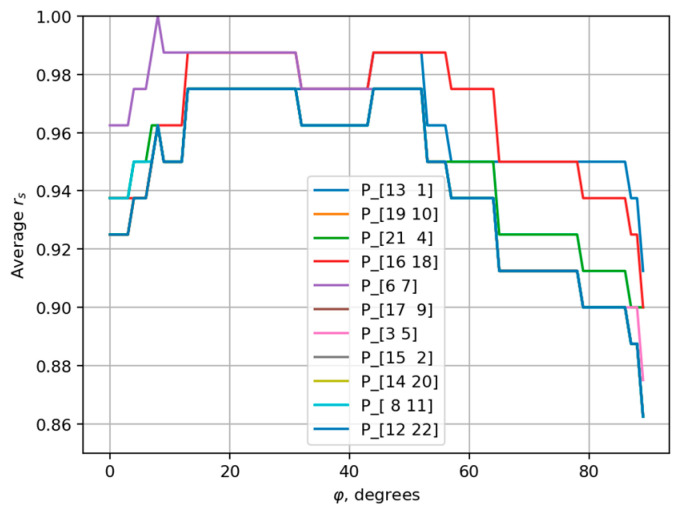 Figure 9
Peer Reviews
No public reviews on file for this paper yet. If you reviewed it on a platform where reviews are public (OpenReview, ICLR, NeurIPS, ICML), you can paste yours below so the community can read it here.
Videos
No videos yet. Explain this paper in a talk, walkthrough, or lecture? Add one.
Taxonomy
TopicsHuman Pose and Action Recognition · Stroke Rehabilitation and Recovery · Balance, Gait, and Falls Prevention