SMA-Driven Assistive Hand for Rehabilitation Therapy
Grace Mayhead, Megan Rook, Rosario Turner, Owen Walker, Nabila Naz, Soumya K. Manna

TL;DR
A lightweight, SMA-based assistive glove helps with home rehabilitation by supporting hand movements and reducing muscle fatigue.
Contribution
A compact, SMA-driven assistive glove with mirrored control and EMG-based activation for home-based rehabilitation.
Findings
The device reduces actuation time at higher voltages and can lift light to moderate weights.
Polyurethane foam insulation minimizes thermal effects while maintaining wearability.
The glove enables natural motion and reduces muscle fatigue during therapy.
Abstract
Home-based rehabilitation supports neuromuscular patients while minimising the need for extensive clinical supervision. Due to a growing number of stroke survivors, this approach appears to be more practical for patients across diverse demographics. Although existing hardware-based assistive devices are pretty common, they have limitations in terms of usability, wearability, and safety, as well as other technical constraints such as bulkiness and torque-to-weight ratios. To overcome these issues, soft actuator–based assistance prioritises user safety and ergonomics, as it is more wearable and lightweight, offering overall support while reducing the social stigma associated with disability. Among the existing soft actuation techniques and related materials, shape memory alloys (SMA) present a feasible option, offering current-controlled actuation and compatibility with integration into…
Genes, proteins, chemicals, diseases, species, mutations and cell lines named across the full text — each resolved to its canonical identifier and authoritative record.
Click any figure to enlarge with its caption.
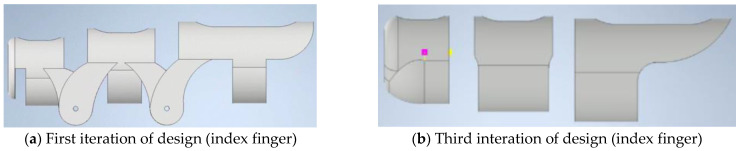 Figure 1
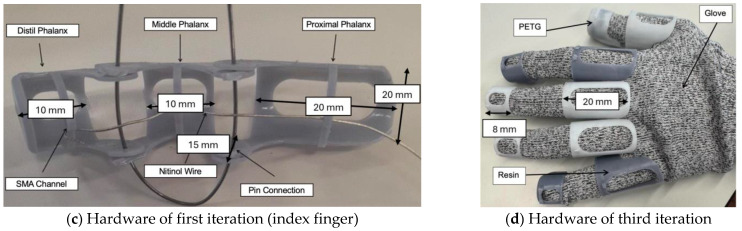 Figure 2
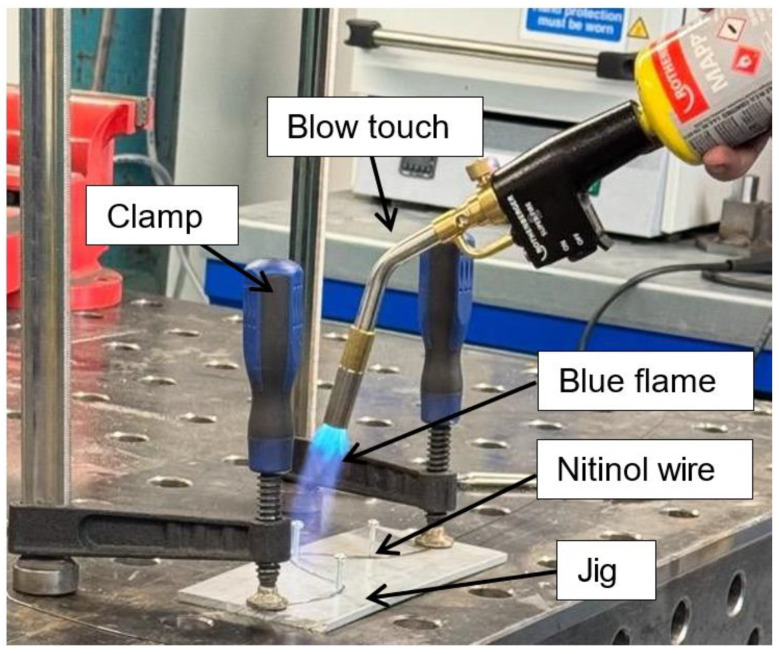 Figure 3
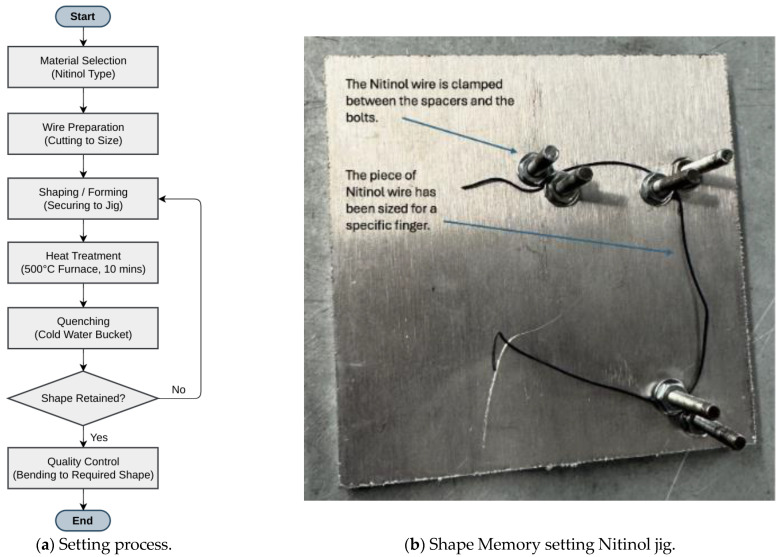 Figure 4
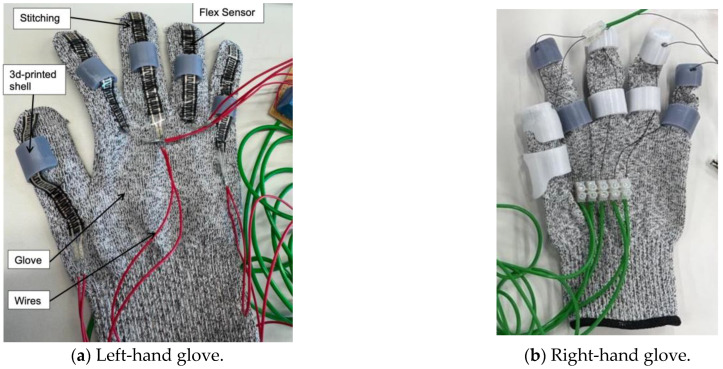 Figure 5
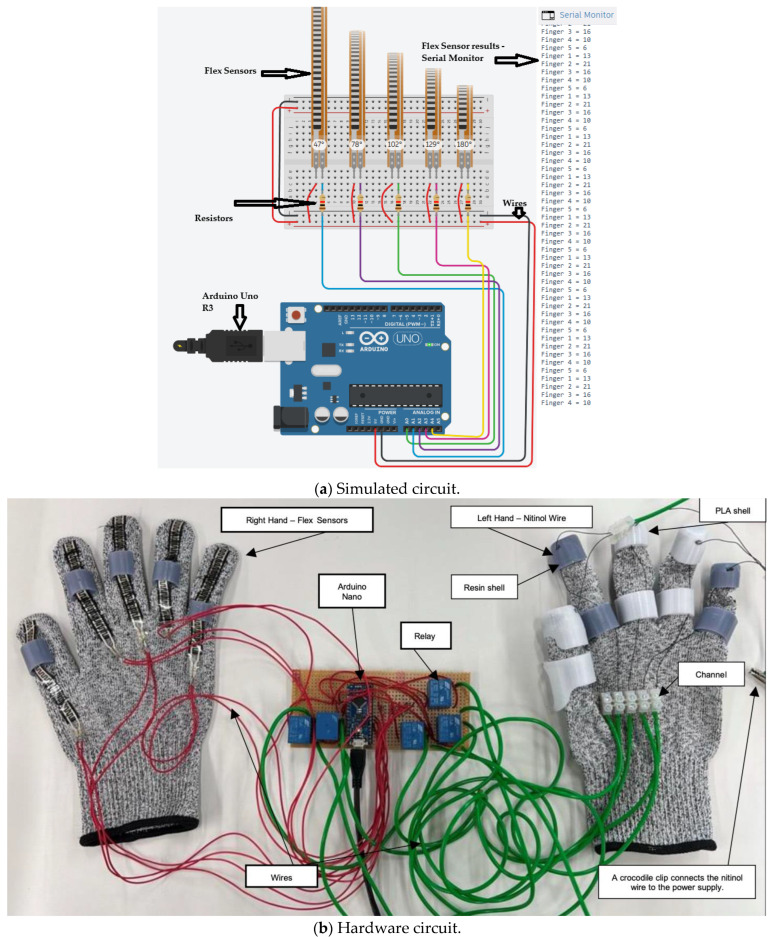 Figure 6
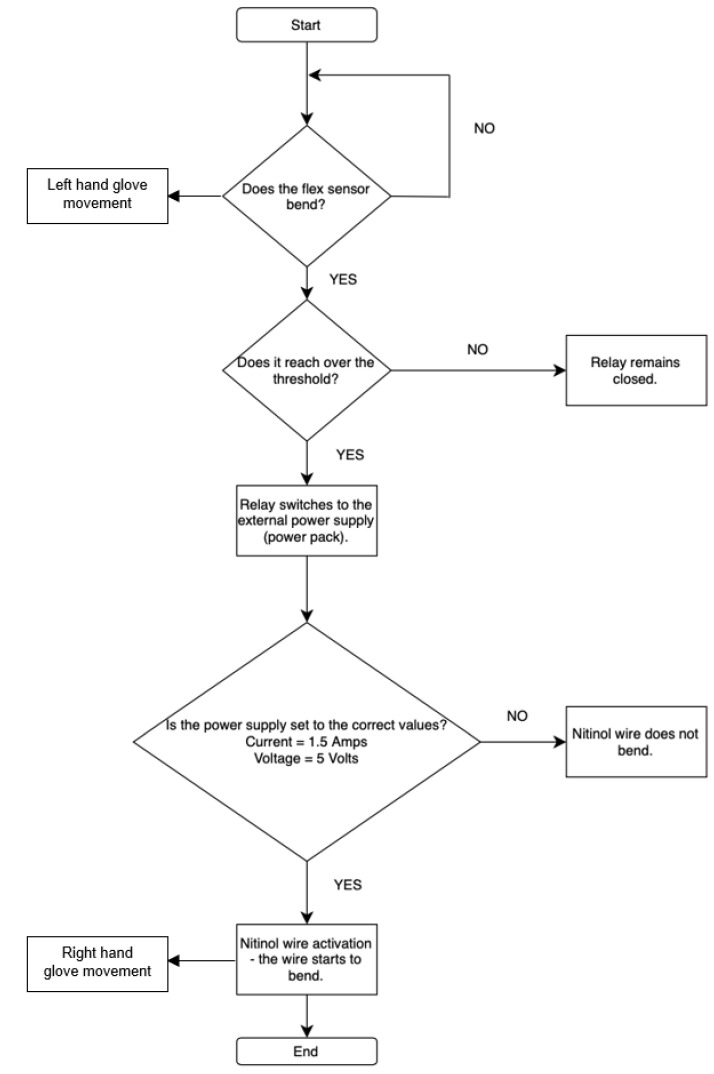 Figure 7
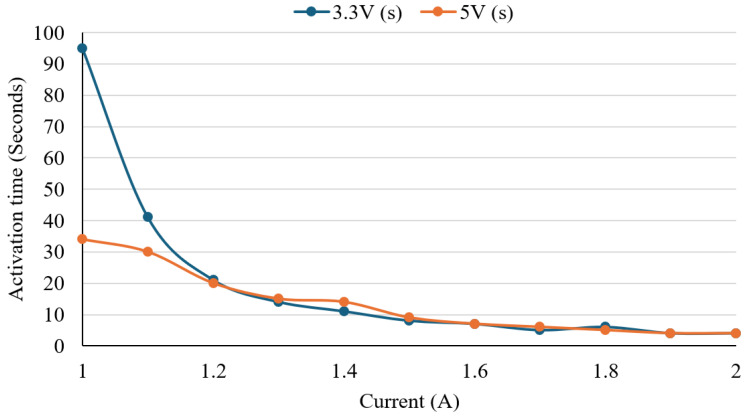 Figure 8
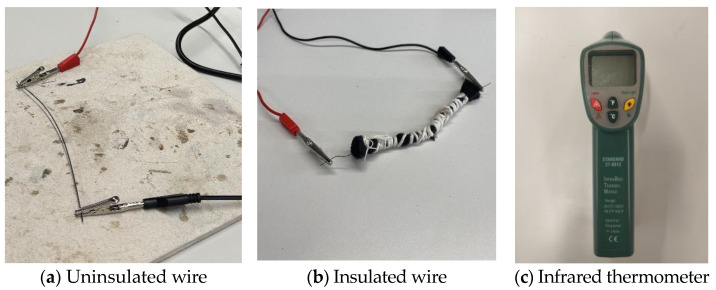 Figure 9
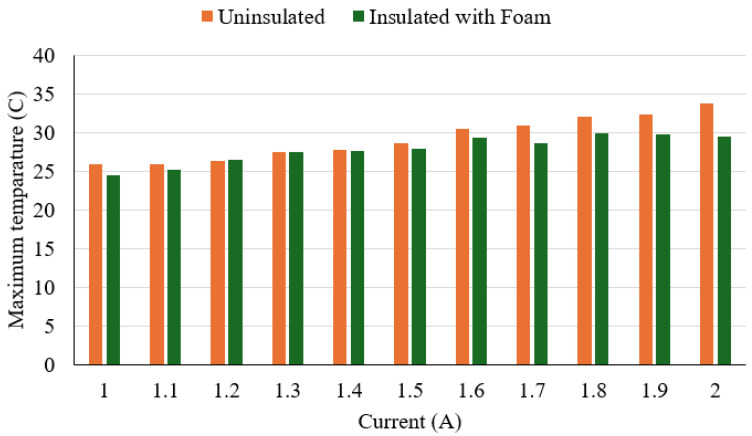 Figure 10
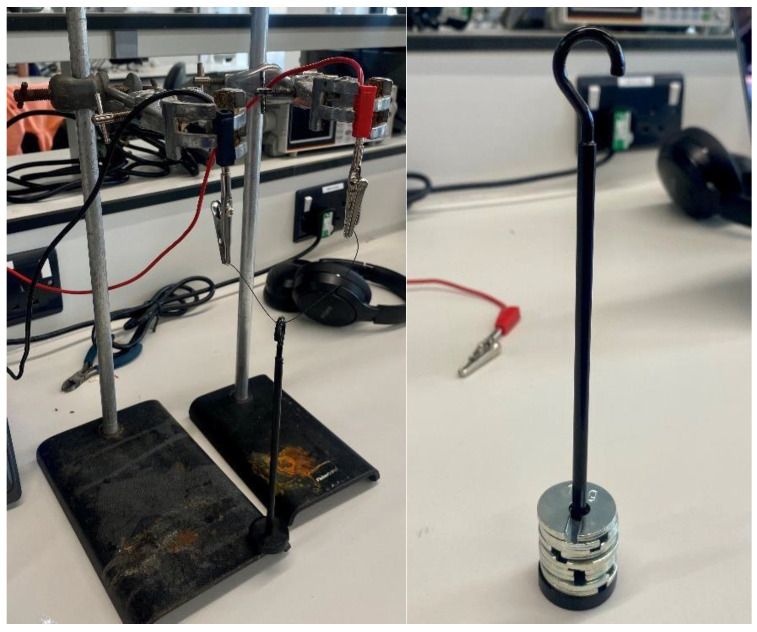 Figure 11
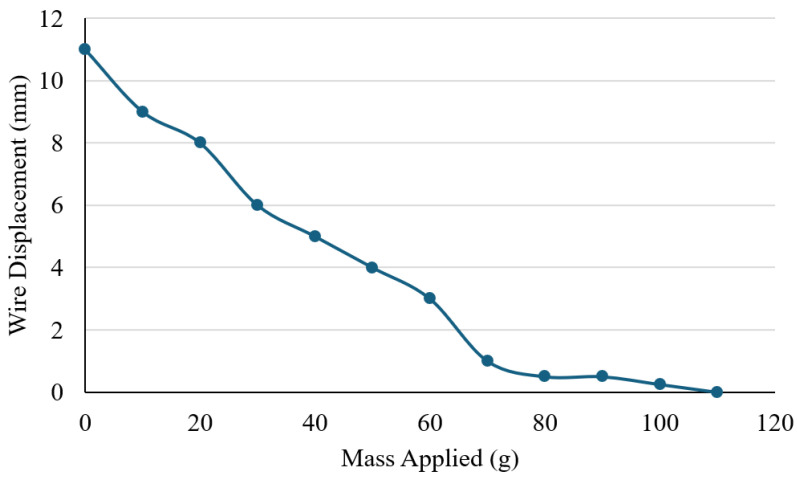 Figure 12
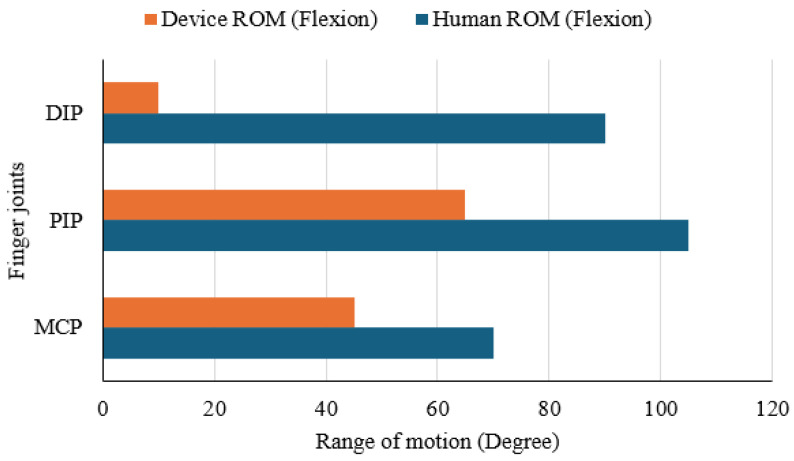 Figure 13
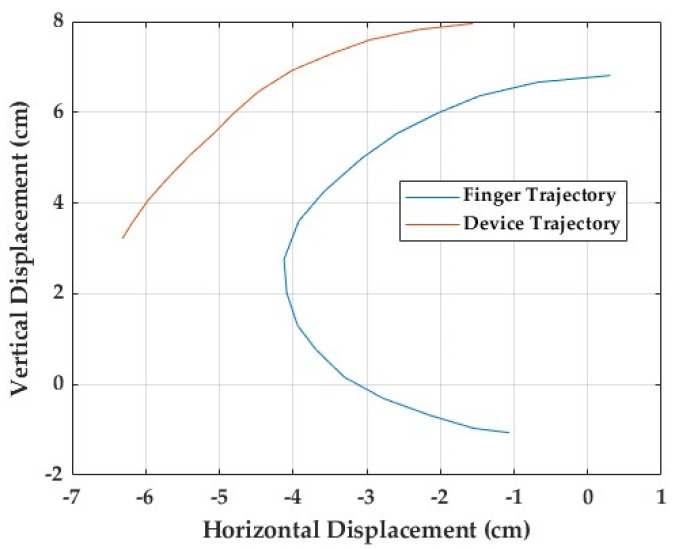 Figure 14
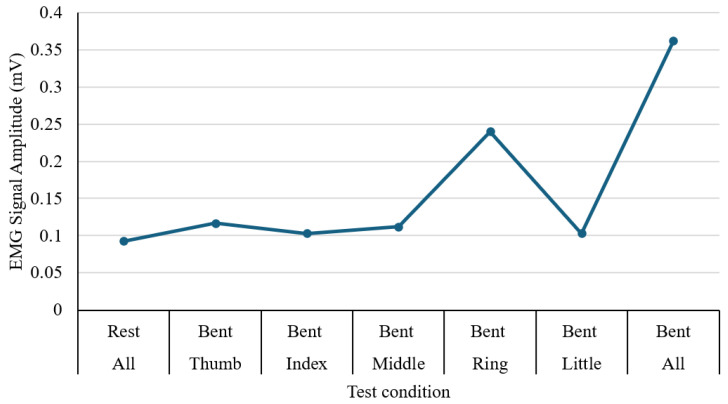 Figure 15
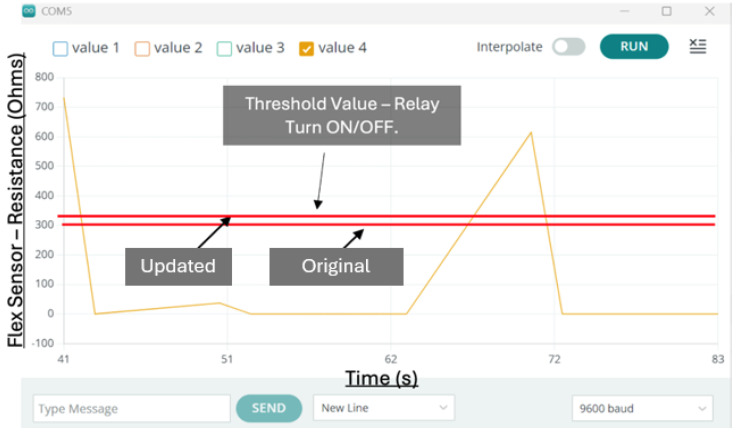 Figure 16
Peer Reviews
No public reviews on file for this paper yet. If you reviewed it on a platform where reviews are public (OpenReview, ICLR, NeurIPS, ICML), you can paste yours below so the community can read it here.
Videos
No videos yet. Explain this paper in a talk, walkthrough, or lecture? Add one.
Taxonomy
TopicsProsthetics and Rehabilitation Robotics · Musicians’ Health and Performance · Shape Memory Alloy Transformations