Lightweight Deep Learning Models with Explainable AI for Early Alzheimer’s Detection from Standard MRI Scans
Falah Sheikh, Ahmed Al Marouf, Jon George Rokne, Reda Alhajj

TL;DR
This paper introduces a lightweight deep learning model with explainable AI to detect early signs of Alzheimer's disease using standard MRI scans, aiming to improve early diagnosis in resource-limited settings.
Contribution
The novelty lies in combining lightweight deep learning models with explainable AI techniques for early Alzheimer's detection using standard MRI scans.
Findings
EfficientNetV2B0 achieved 88.0% mean accuracy in distinguishing between cognitive states in Alzheimer's progression.
Explainability methods like Grad-CAM++ were integrated to visualize the anatomical basis of model predictions.
The approach offers an accessible and interpretable tool for early Alzheimer's diagnosis in routine clinical settings.
Abstract
Background: Dementia refers to a spectrum of clinical conditions characterized by impairments in memory, language, and cognitive function. Alzheimer’s Disease (AD) is the most common cause of dementia and it accounted for 60–70% of the estimated 57 million cases worldwide as of 2021. The exact pathology of this neurodegenerative condition is not fully understood. While it is currently incurable, progression to more critical stages can be slowed, and early diagnosis is crucial to alleviate and manage some of its symptoms. Contemporary diagnostic practices hinder early detection due to the high costs and inaccessibility of advanced neuroimaging tools and specialists, particularly for populations with resource-constrained clinical settings. Methods: This paper addresses this challenge by developing and evaluating computationally efficient lightweight deep learning models, MobileNetV2 and…
Genes, proteins, chemicals, diseases, species, mutations and cell lines named across the full text — each resolved to its canonical identifier and authoritative record.
Click any figure to enlarge with its caption.
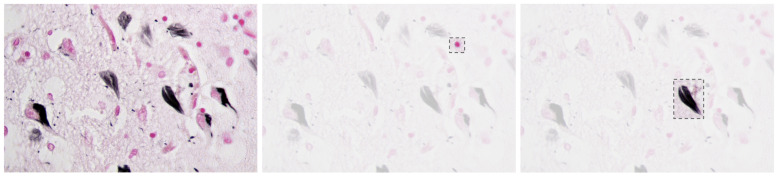 Figure 1
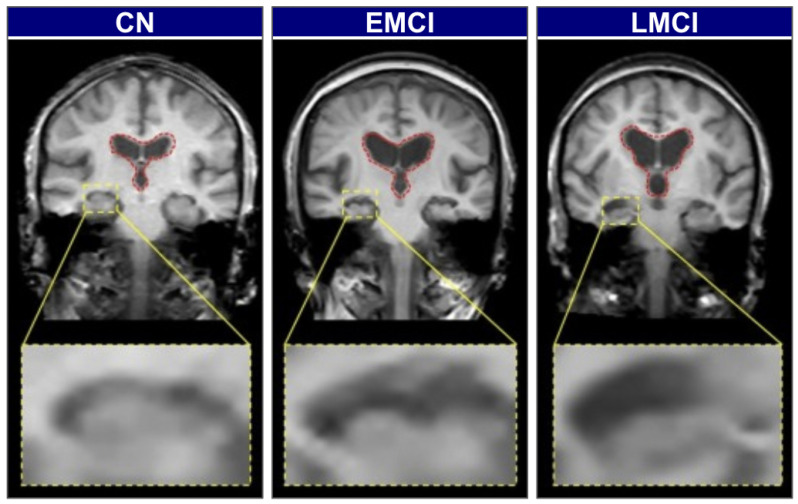 Figure 2
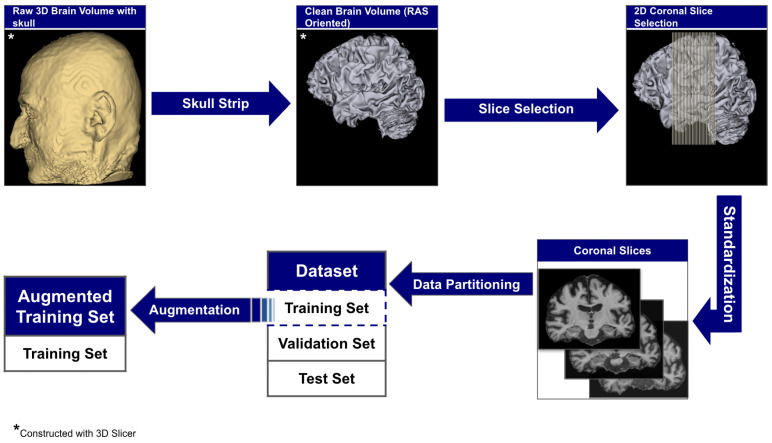 Figure 3
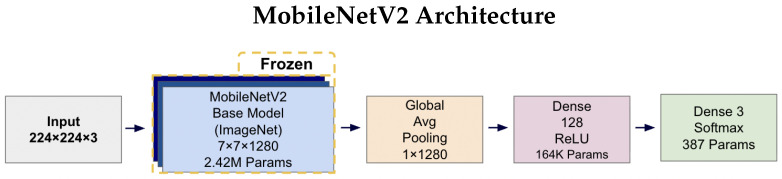 Figure 4
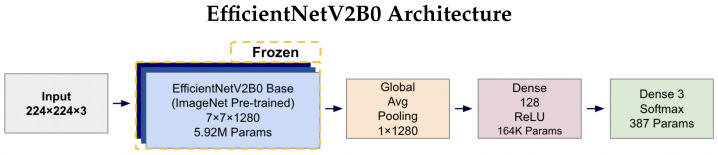 Figure 5
 Figure 6
 Figure 7
 Figure 8
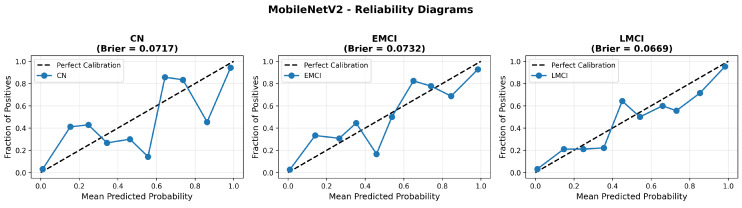 Figure 9
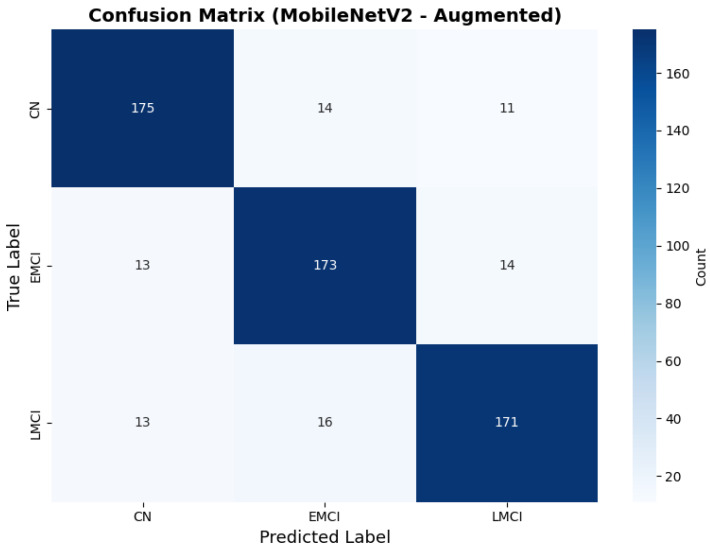 Figure 10
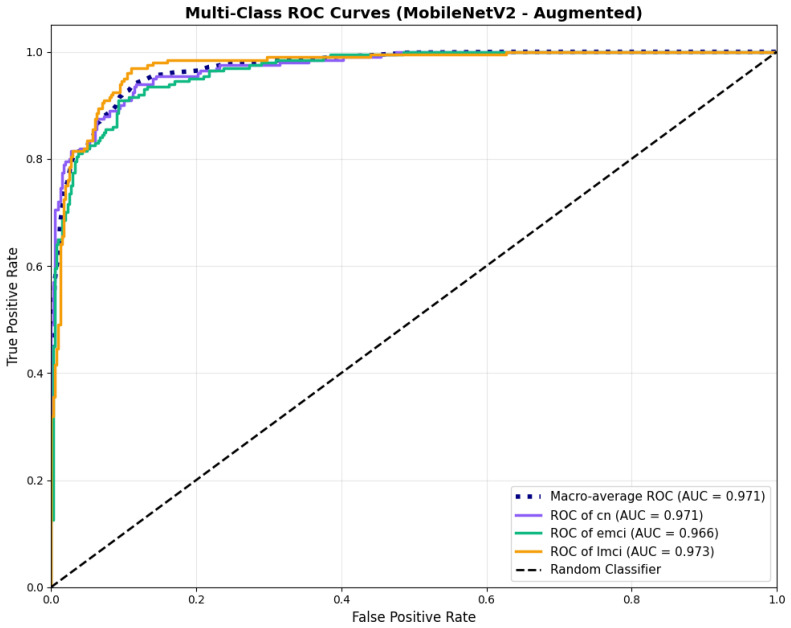 Figure 11
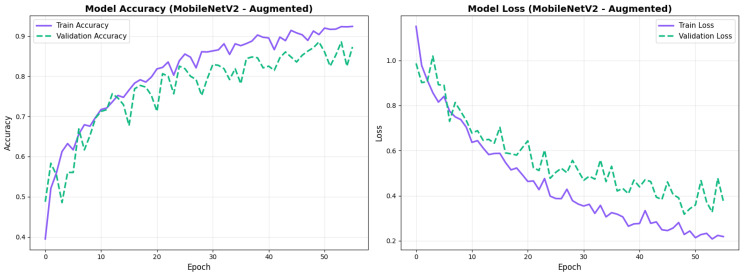 Figure 12
 Figure 13
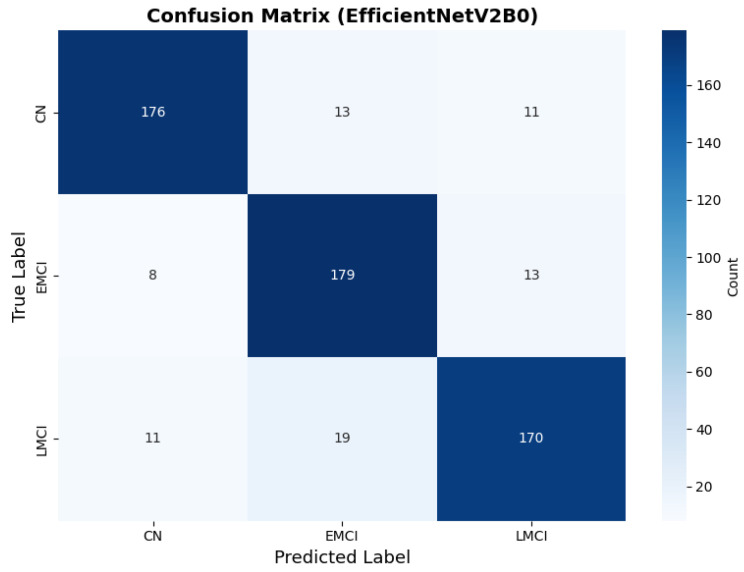 Figure 14
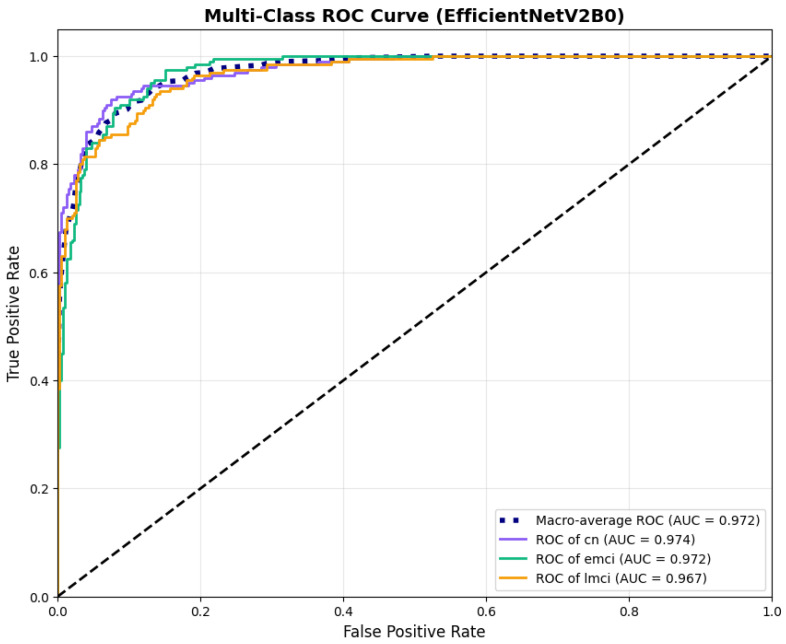 Figure 15
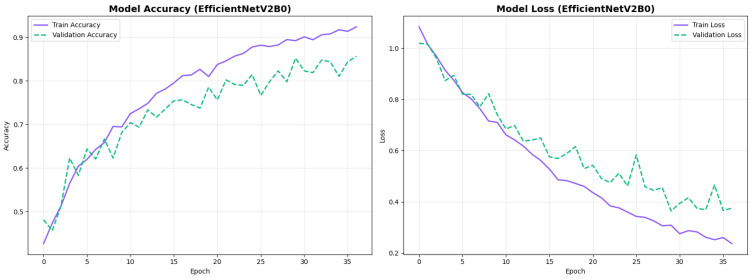 Figure 16
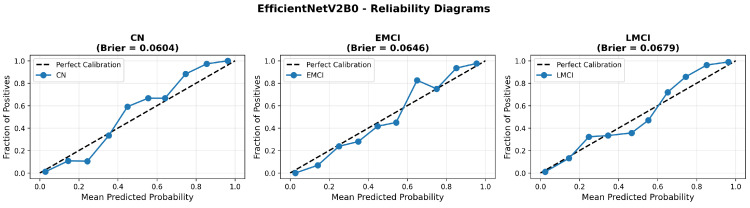 Figure 17
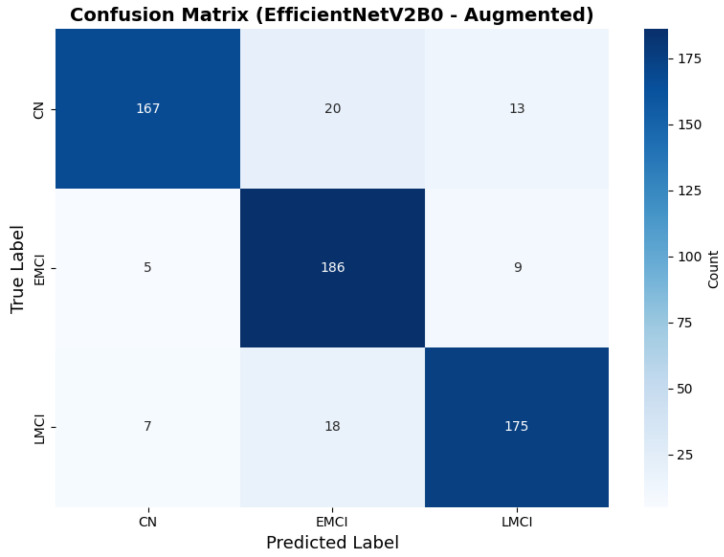 Figure 18
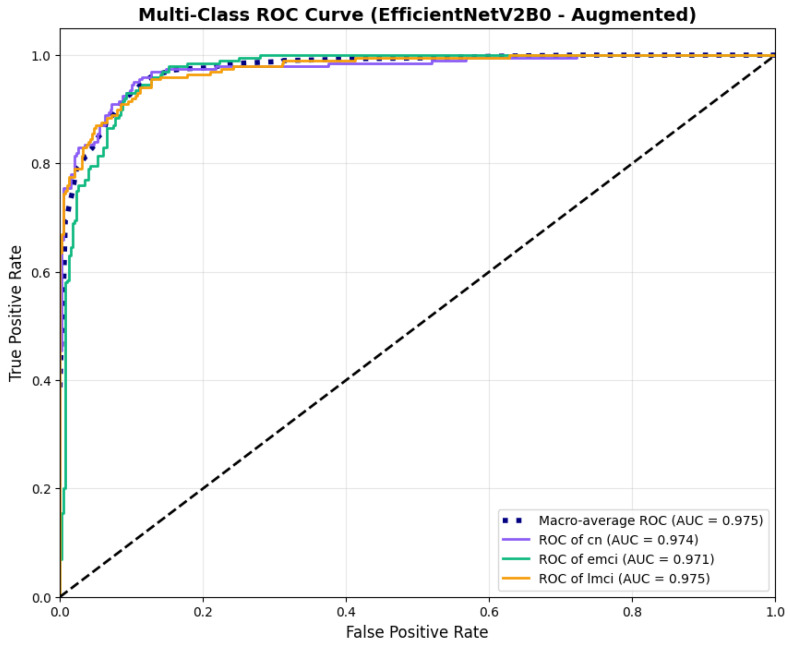 Figure 19
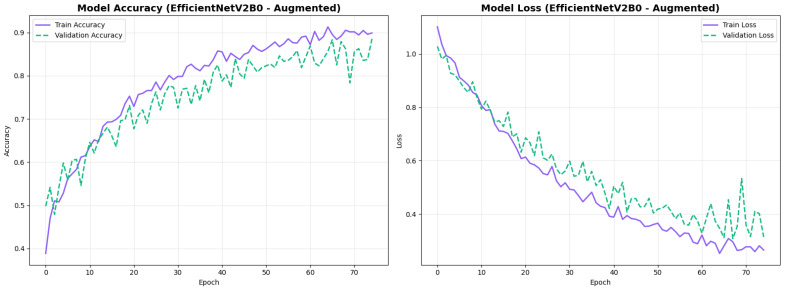 Figure 20
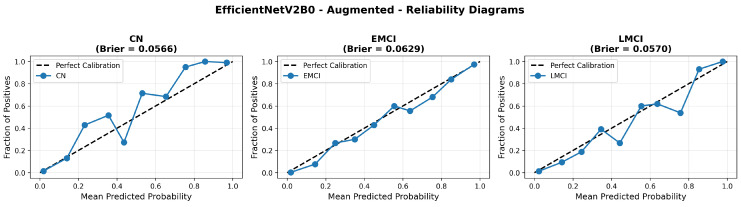 Figure 21
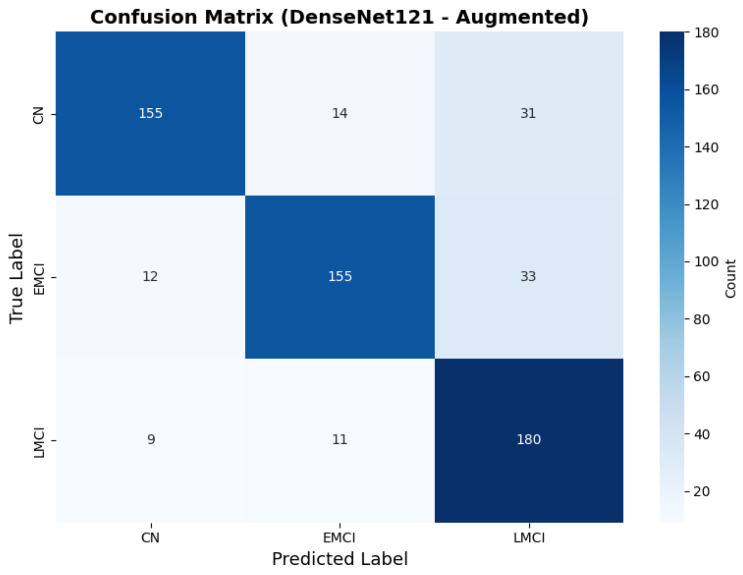 Figure 22
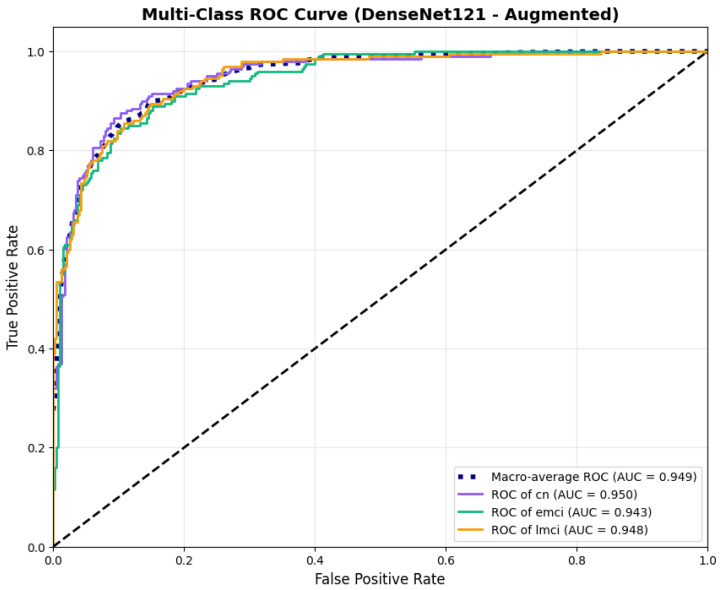 Figure 23
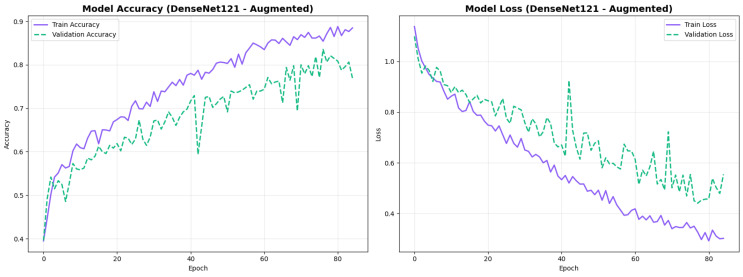 Figure 24
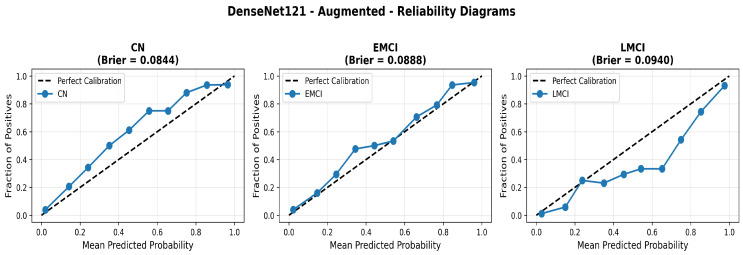 Figure 25
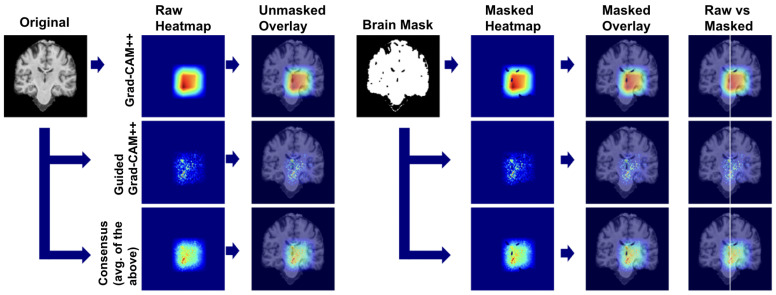 Figure 26
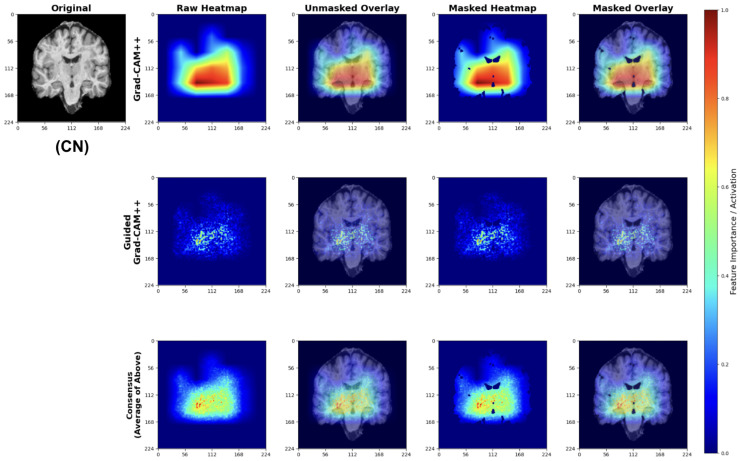 Figure 27
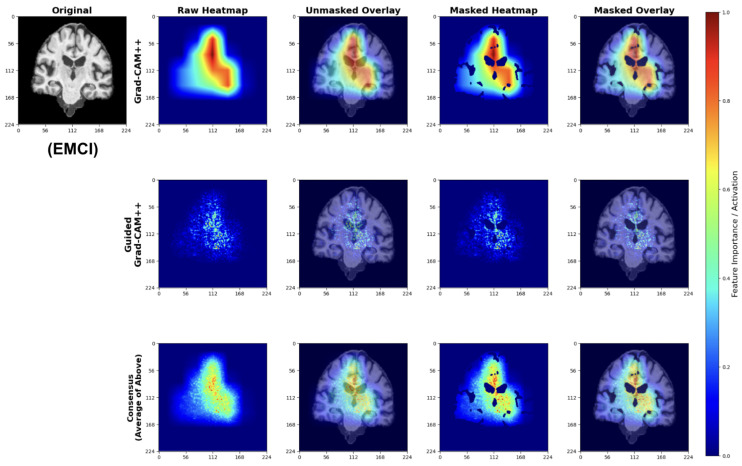 Figure 28
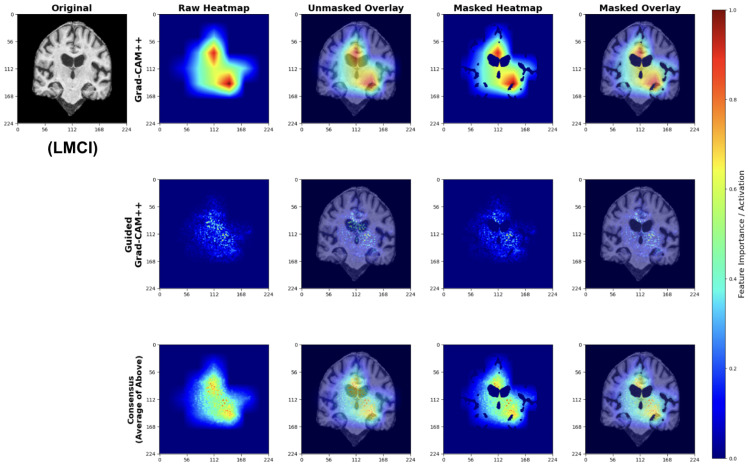 Figure 29
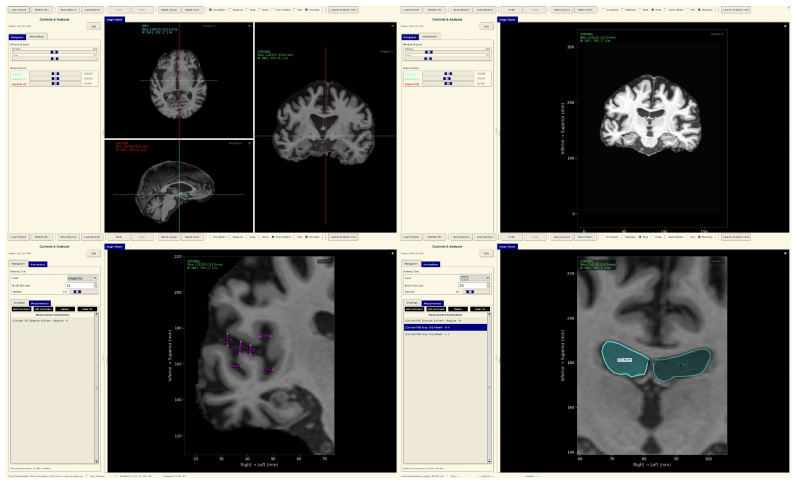 Figure 30
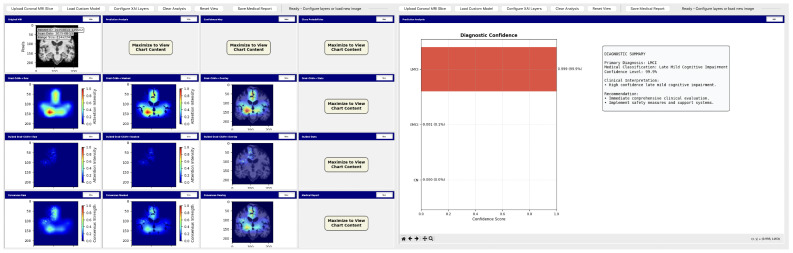 Figure 31
Peer Reviews
No public reviews on file for this paper yet. If you reviewed it on a platform where reviews are public (OpenReview, ICLR, NeurIPS, ICML), you can paste yours below so the community can read it here.
Videos
No videos yet. Explain this paper in a talk, walkthrough, or lecture? Add one.
Taxonomy
TopicsBrain Tumor Detection and Classification · Machine Learning in Healthcare · Radiomics and Machine Learning in Medical Imaging