Comparative Phytochemical, Colloidal, and Antioxidant Profiling of Artemisia albida, Artemisia leucodes, and Artemisia scopaeformis: Potentials for Cosmeceutical and Nutraceutical Applications
Janar Jenis, Ayaulym Minkayeva, Orynkul Yessimova, Saltanat Kumargaliyeva, Abdul Bari Shah, Thiruventhan Karunakaran, Kuzembekova Gulnur, Haji Akber Aisa, Aizhamal Baiseitova

TL;DR
This study compares three Artemisia species for their phytochemical and antioxidant properties, highlighting A. leucodes as a promising plant for cosmeceutical and nutraceutical uses.
Contribution
The study provides a comparative analysis of three Artemisia species for their potential in cosmeceutical and nutraceutical applications.
Findings
A. leucodes showed the strongest antioxidant activity and highest SPF, comparable to natural UV-protection agents.
A. leucodes demonstrated over 90% DNA protection, indicating high biological effectiveness.
Hydrolates from A. albida and A. leucodes significantly reduced water surface tension, showing good colloidal properties.
Abstract
Artemisia albida, Artemisia leucodes, and Artemisia scopaeformis were selected for this study based on their traditional medicinal uses and phytochemical profiles. A. albida exhibited the highest level of extractive substances (20.76%) and showed the greatest concentration of water-soluble polysaccharides (2.14%). Tannins, well known for their astringency and antioxidant activity, were most abundant in A. scopaeformis (2.81%) and A. albida (1.52%). The phenolics coumarins were concentrated in A. scopaeformis (6.49%) and A. leucodes (4.46%). Among the extracts, A. leucodes exhibited the strongest antioxidant activity (DPPH IC50 = 13.53 μM, FRAP = 52.02 μmol TE/g), the highest SPF (23.24), and the most effective DNA protection (91.4%). It indicated a high level of biological effectiveness, with an SPF comparable to natural UV-protection agents and DNA protection exceeding 90%, suggesting…
Genes, proteins, chemicals, diseases, species, mutations and cell lines named across the full text — each resolved to its canonical identifier and authoritative record.
Click any figure to enlarge with its caption.
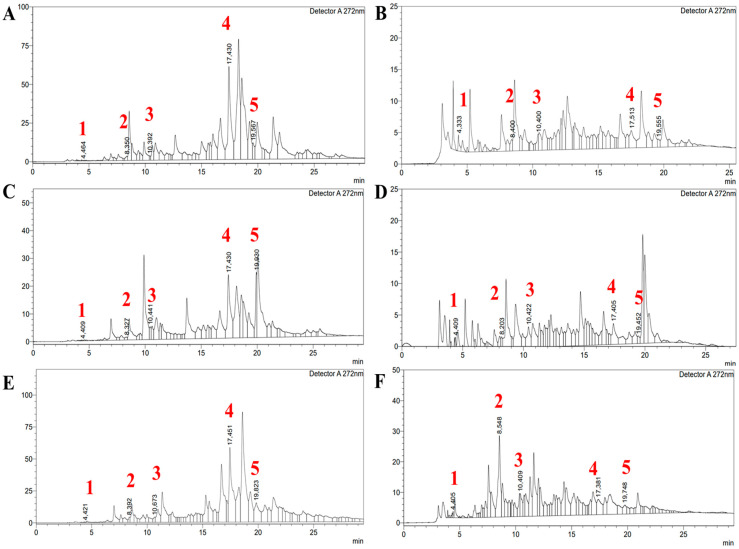 Figure 1
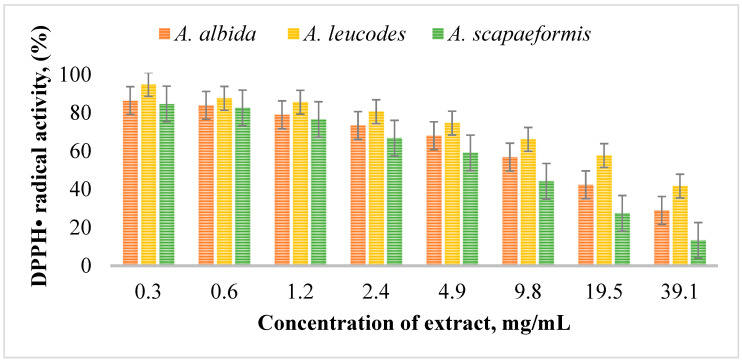 Figure 2
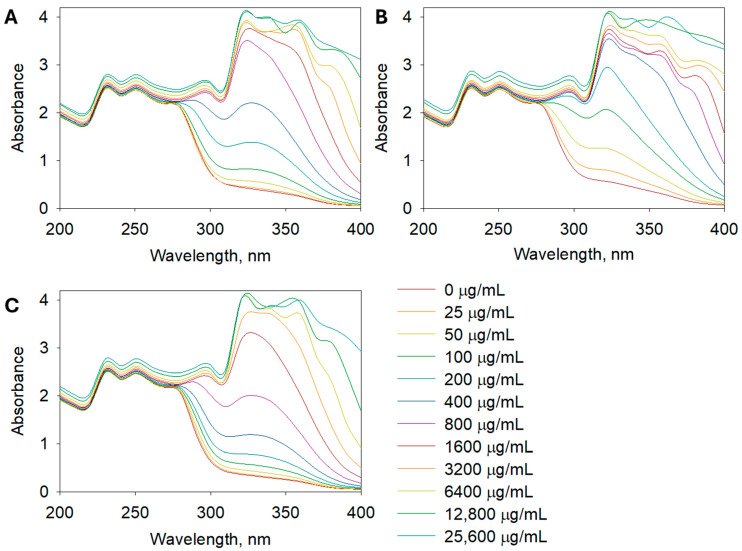 Figure 3
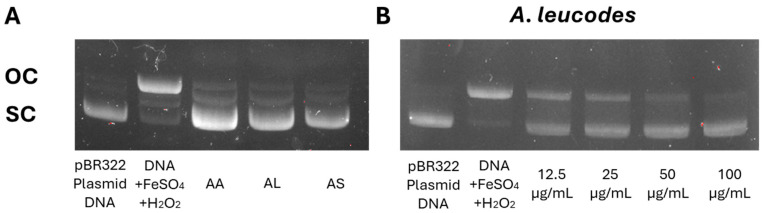 Figure 4
 Figure 5
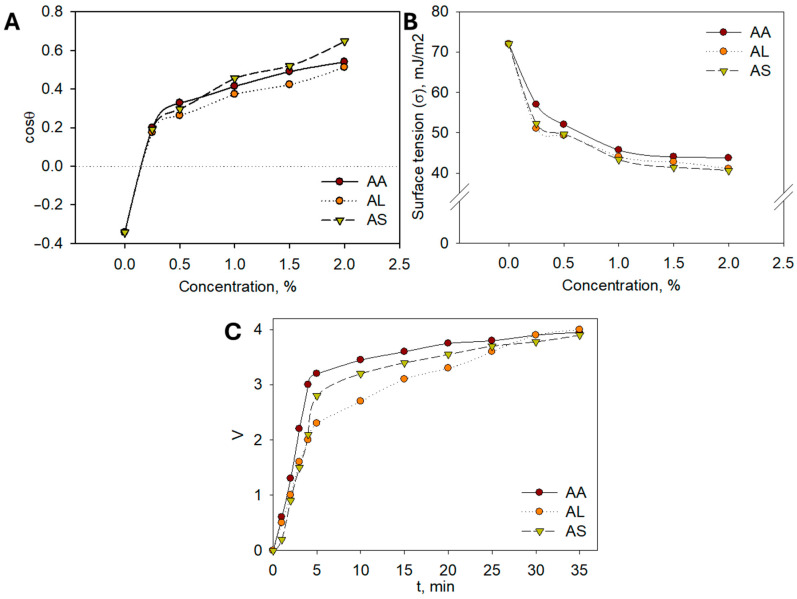 Figure 6
Peer Reviews
No public reviews on file for this paper yet. If you reviewed it on a platform where reviews are public (OpenReview, ICLR, NeurIPS, ICML), you can paste yours below so the community can read it here.
Videos
No videos yet. Explain this paper in a talk, walkthrough, or lecture? Add one.
Taxonomy
TopicsEssential Oils and Antimicrobial Activity · Phytochemicals and Antioxidant Activities · Bee Products Chemical Analysis