Fe–Ce Bimetallic MOFs for Water Environment Remediation: Efficient Removal of Fluoride and Phosphate
Jinyun Zhao, Yuhuan Su, Jiangyan Song, Ruilai Liu, Fangfang Wu, Jing Xu, Tao Xu, Jilin Mu, Hao Lin, Jiapeng Hu

TL;DR
A new bimetallic MOF material is developed to efficiently remove fluoride and phosphate from water, showing strong performance and potential for environmental remediation.
Contribution
The study introduces Fe–Ce bimetallic MOFs with rice-grain-like morphology for simultaneous and efficient removal of fluoride and phosphate from water.
Findings
Fe–Ce-MOFs achieved maximum adsorption capacities of 183.82 mg g−1 for fluoride and 110.74 mg g−1 for phosphate.
The adsorbent maintained high removal efficiencies (85.17% for fluoride and 47.34% for phosphate) after three regeneration cycles.
Fluoride removal was dominated by electrostatic attraction and ion exchange, while phosphate removal involved inner-sphere complex formation.
Abstract
Fe–Ce-MOFs with a rice-grain-like morphology were successfully obtained via hydrothermal synthesis, where ferric chloride (FeCl3) and cerium nitrate [Ce(NO3)3] served as the metal precursors and terephthalic acid (PTA) acted as the organic coordinating ligand. The effects of the Fe:Ce molar ratio, (Fe/Ce):PTA ratio, reaction duration, and synthesis temperature on adsorption performance of the Fe–Ce-MOFs were systematically studied. A comprehensive evaluation was conducted on the removal of fluoride and phosphate ions from aqueous solution. Under optimized conditions, the maximum adsorption capacities of Fe–Ce-MOFs for fluoride and phosphate reached 183.82 mg g−1 and 110.74 mg g−1, respectively. Adsorption data correlated strongly with the Langmuir isotherm, were best represented by the pseudo-second-order kinetic model, and were identified as a spontaneous and endothermic reaction.…
Genes, proteins, chemicals, diseases, species, mutations and cell lines named across the full text — each resolved to its canonical identifier and authoritative record.
Click any figure to enlarge with its caption.
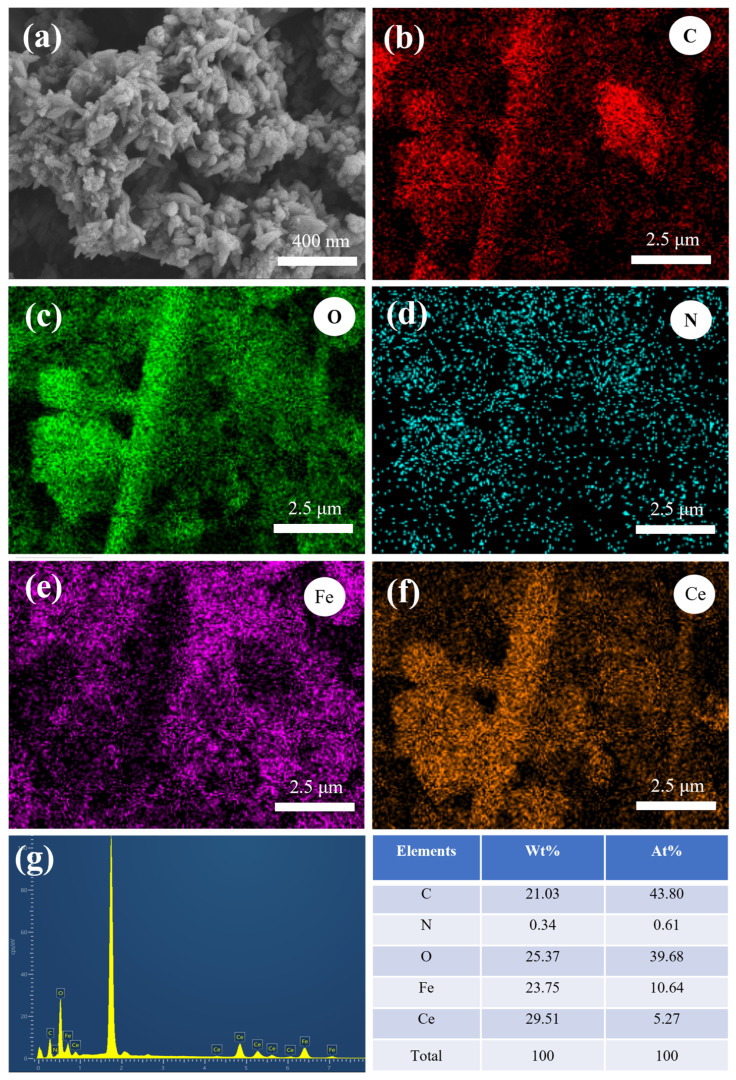 Figure 1
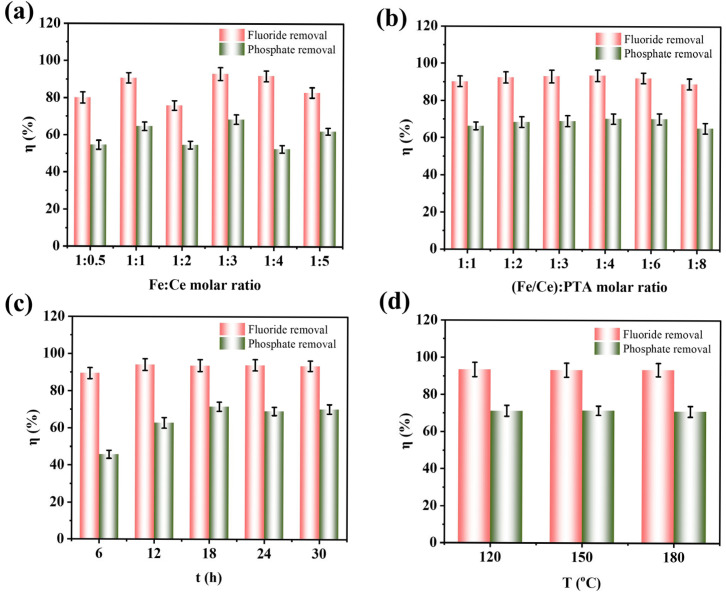 Figure 2
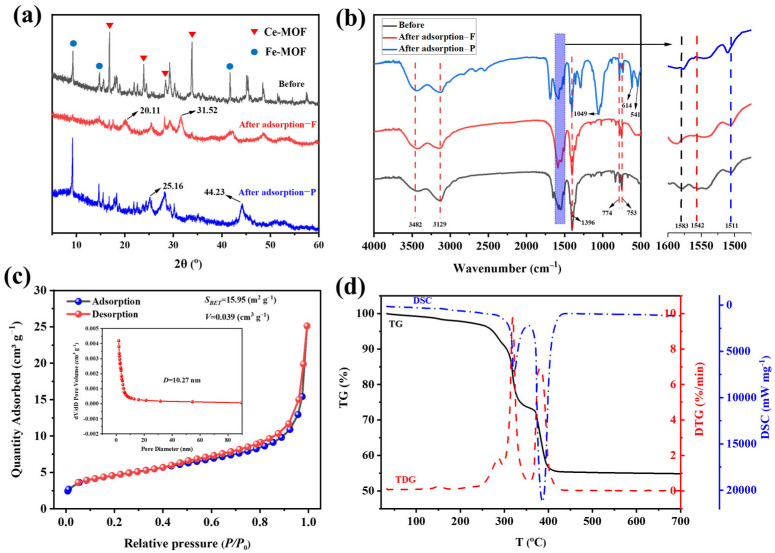 Figure 3
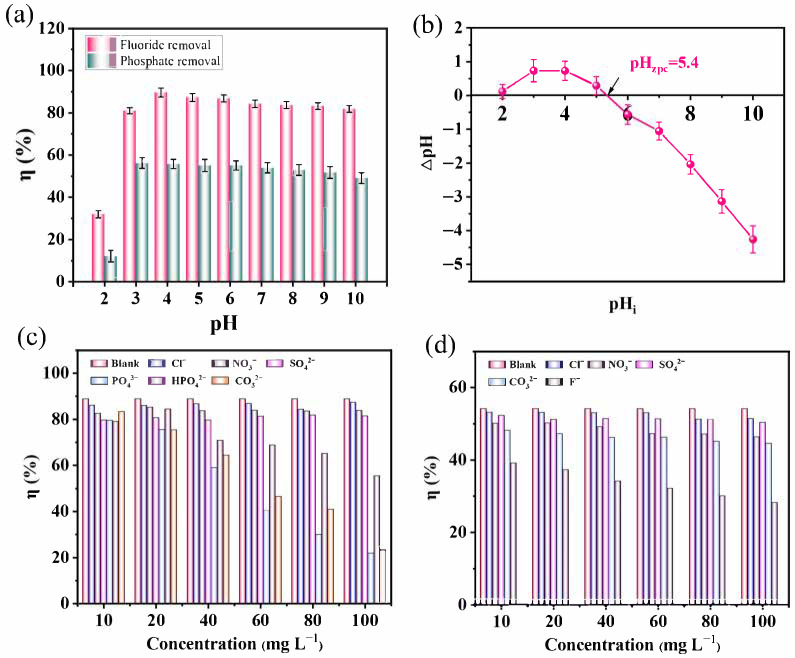 Figure 4
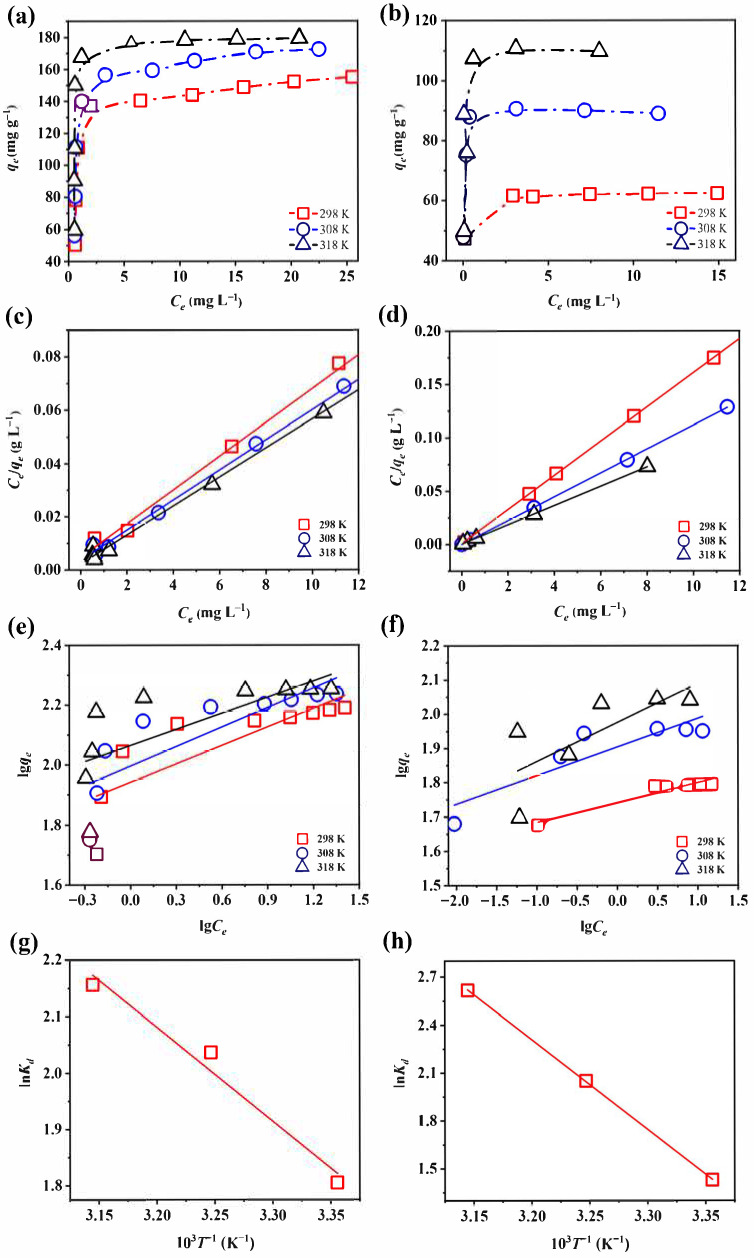 Figure 5
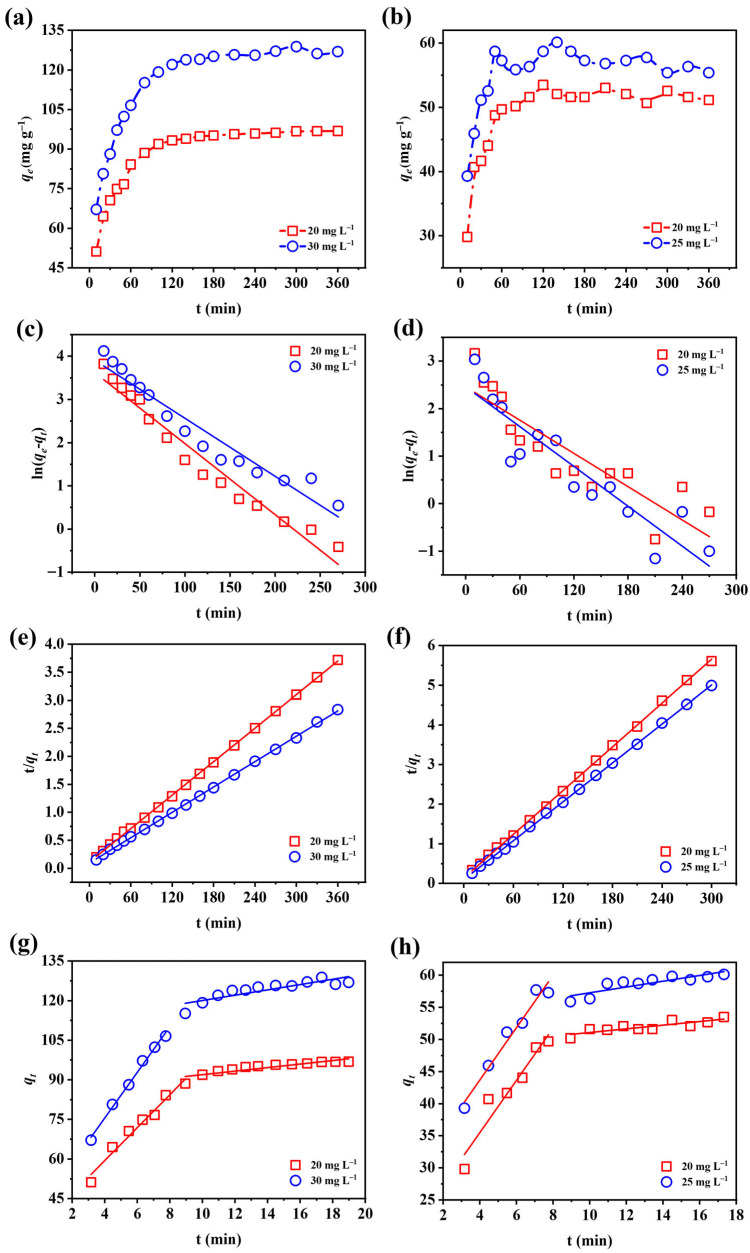 Figure 6
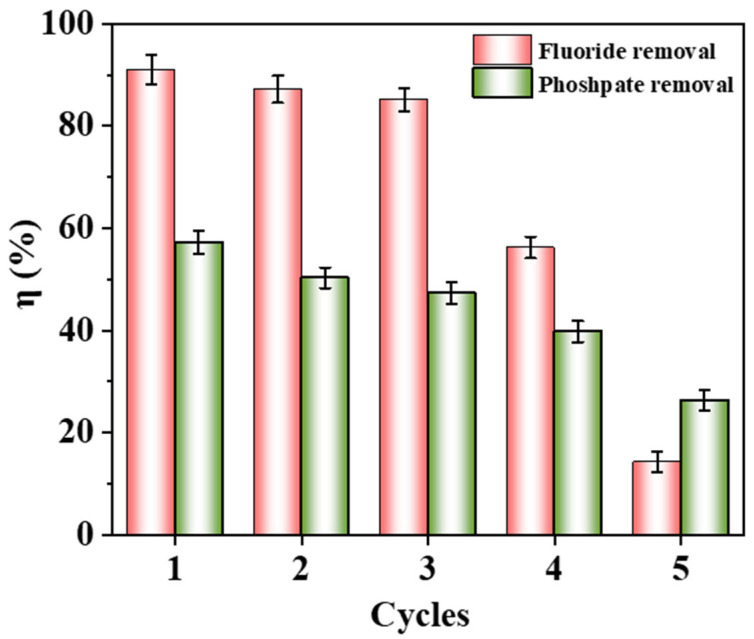 Figure 7
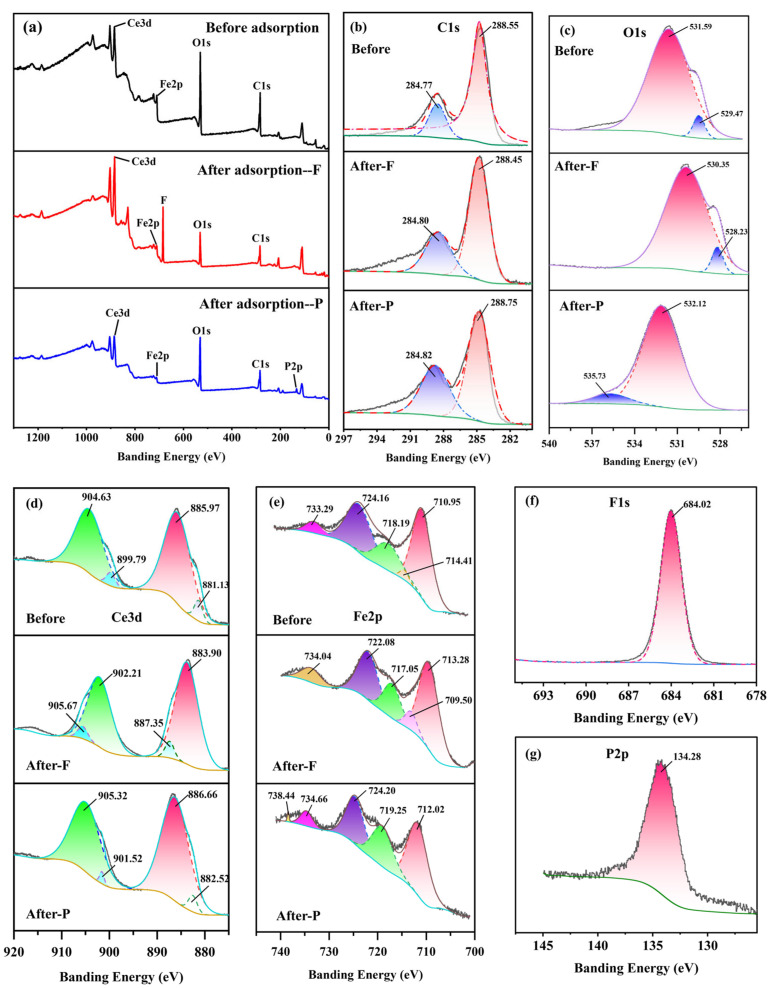 Figure 8
Peer Reviews
No public reviews on file for this paper yet. If you reviewed it on a platform where reviews are public (OpenReview, ICLR, NeurIPS, ICML), you can paste yours below so the community can read it here.
Videos
No videos yet. Explain this paper in a talk, walkthrough, or lecture? Add one.
Taxonomy
TopicsFluoride Effects and Removal · Phosphorus and nutrient management · Geochemistry and Elemental Analysis