Combinative Treatment of the PARP Inhibitor Olaparib and Antimetastasis Ruthenium(II)–Arene Compound RAPTA-T for Triple-Negative BRCA1 Wild-Type Breast Cancer Cells
Adisorn Ratanaphan

TL;DR
This study explores combining olaparib and RAPTA-T to treat triple-negative breast cancer cells with wild-type BRCA1, showing reduced cancer cell survival and metastasis.
Contribution
The study demonstrates the potential of combining PARP inhibitors with ruthenium-based compounds for treating BRCA1-proficient triple-negative breast cancer.
Findings
The combination of olaparib and RAPTA-T inhibited breast cancer cell growth and colony formation, especially in MDA-MB-468 cells.
The treatment reduced cell migration and promoted apoptosis, with the highest effect observed in MDA-MB-468 cells.
The combination treatment disrupted cell cycle progression and reduced EMT-related protein markers in tested breast cancer cells.
Abstract
To date, breast cancer remains one of the leading causes of death among women worldwide. Although various treatments are used in clinical settings, the efficacy and safety of such treatments are limited by tumor biology factors and patient preferences. Previous studies have shown that triple-negative BRCA1-deficient breast cancer is susceptible to DNA-damaging agents, including platinum-based drugs and poly(ADP-ribose) polymerase (PARP) inhibitors, alone or in combination. To address whether the combinative treatment of these DNA-damaging agents can be extended to the triple-negative BRCA1-proficient breast cancer population, we investigated the anticancer activity of the well-known FDA-approved PARP inhibitor olaparib in combination with the antimetastatic ruthenium(II)–arene PTA compound RAPTA-T for triple-negative BRCA1-competent breast cancer cells (MDA-MB-468 and MDA-MB-231), with…
Genes, proteins, chemicals, diseases, species, mutations and cell lines named across the full text — each resolved to its canonical identifier and authoritative record.
Click any figure to enlarge with its caption.
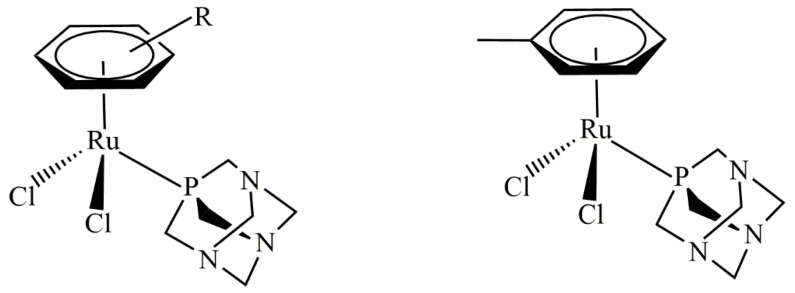 Figure 1
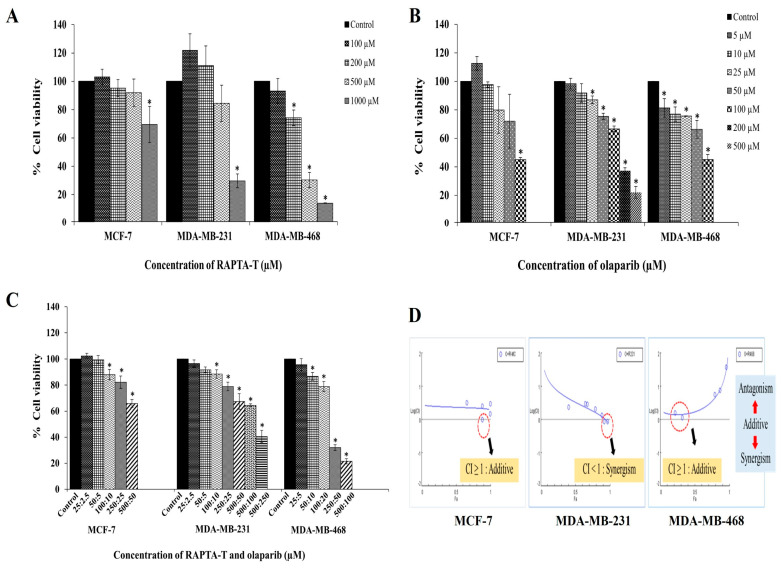 Figure 2
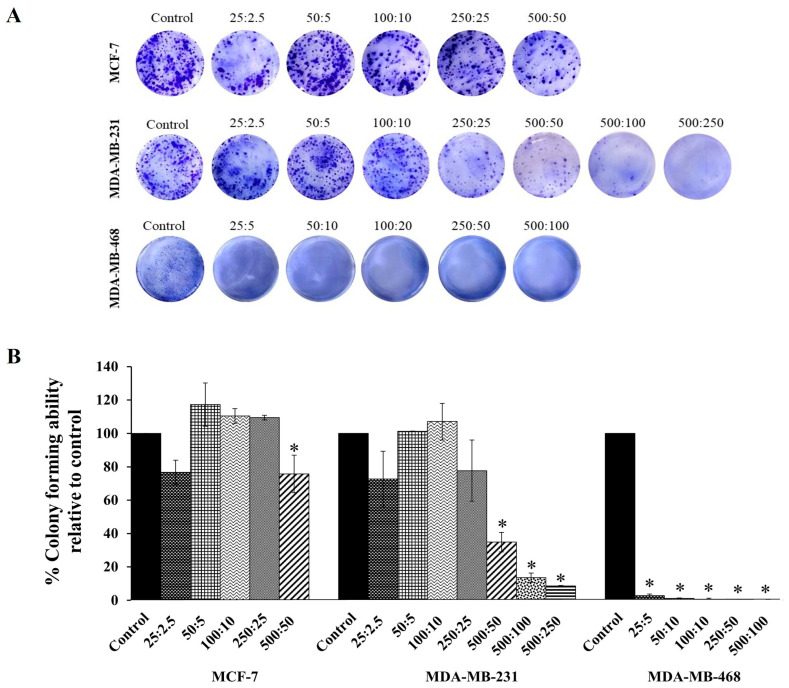 Figure 3
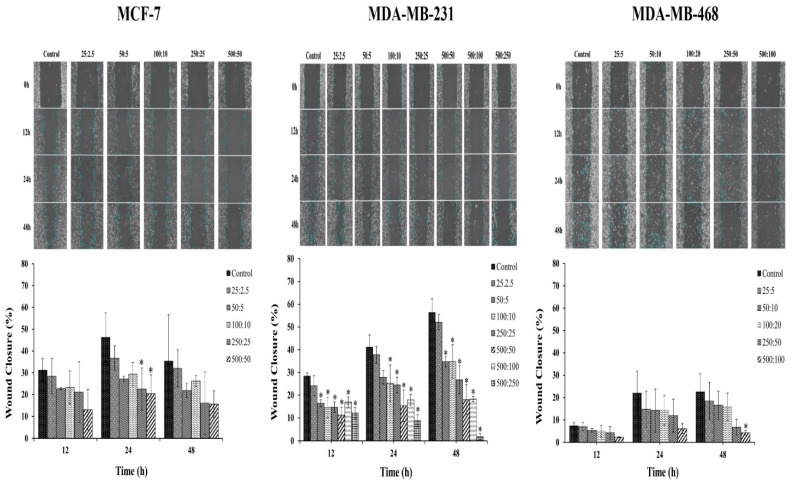 Figure 4
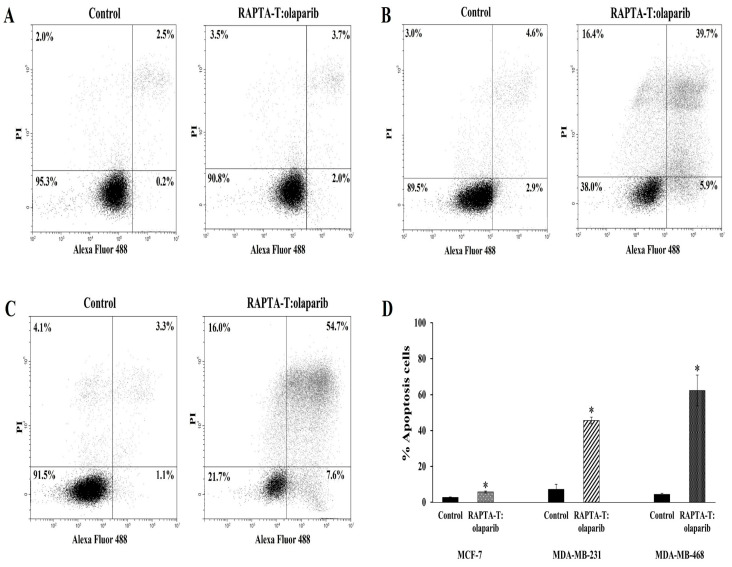 Figure 5
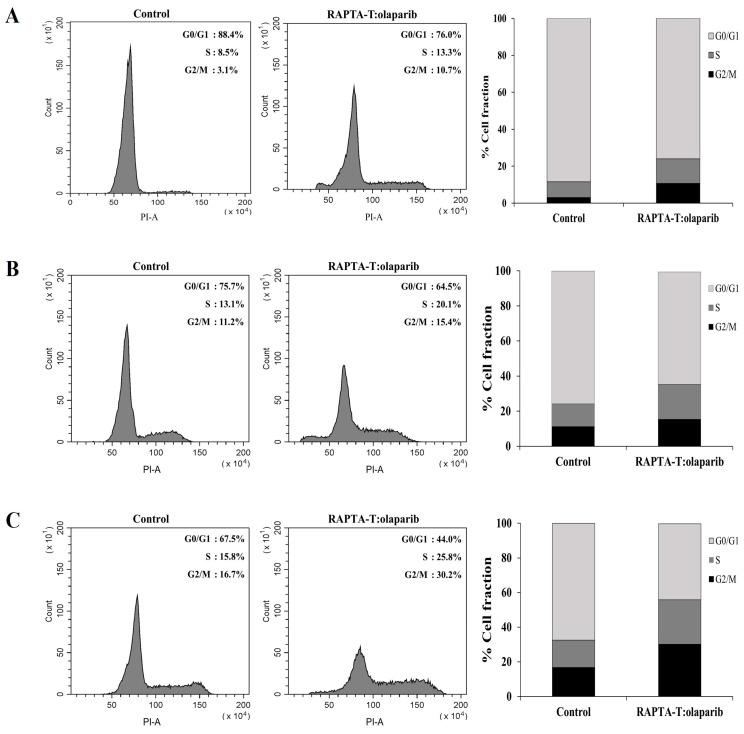 Figure 6
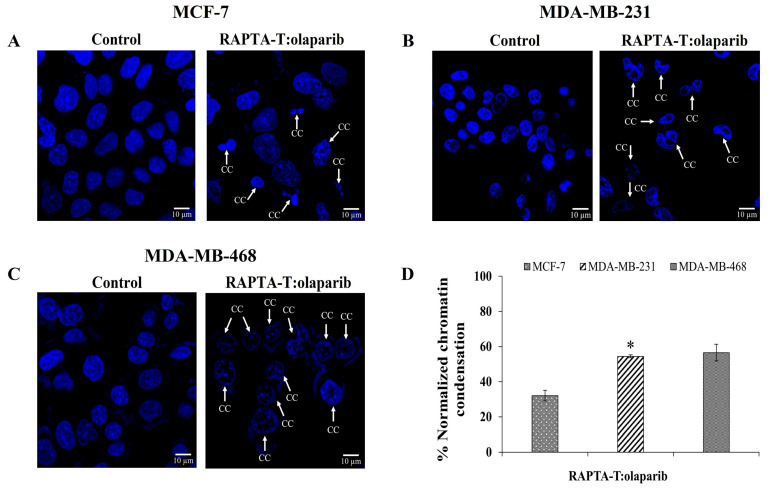 Figure 7
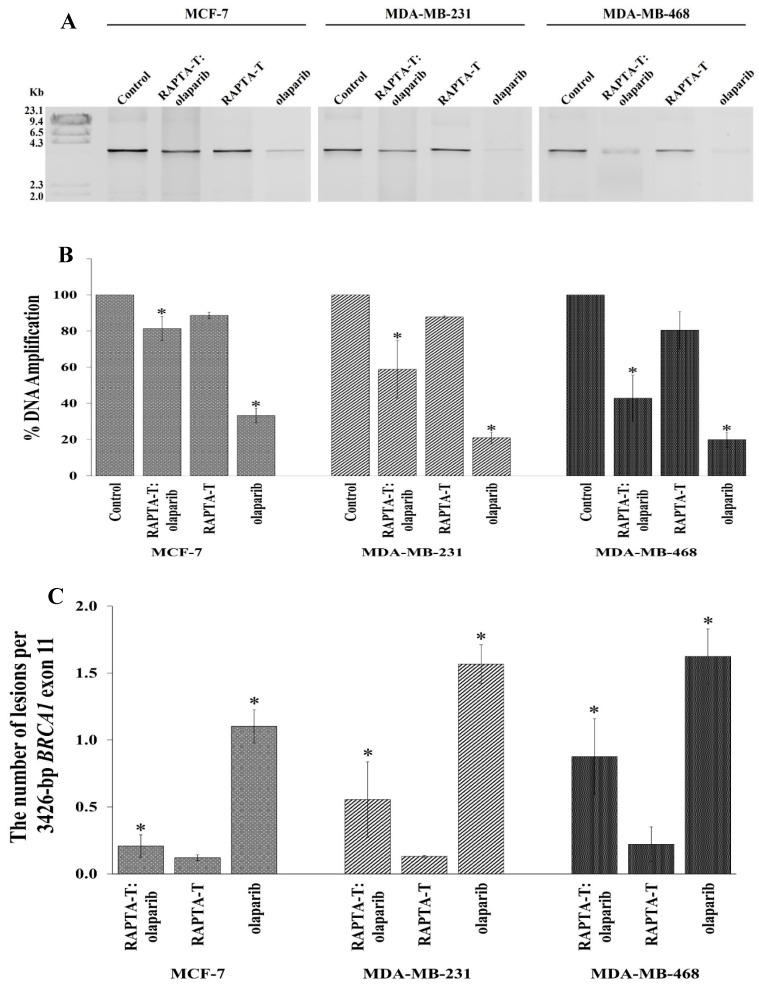 Figure 8
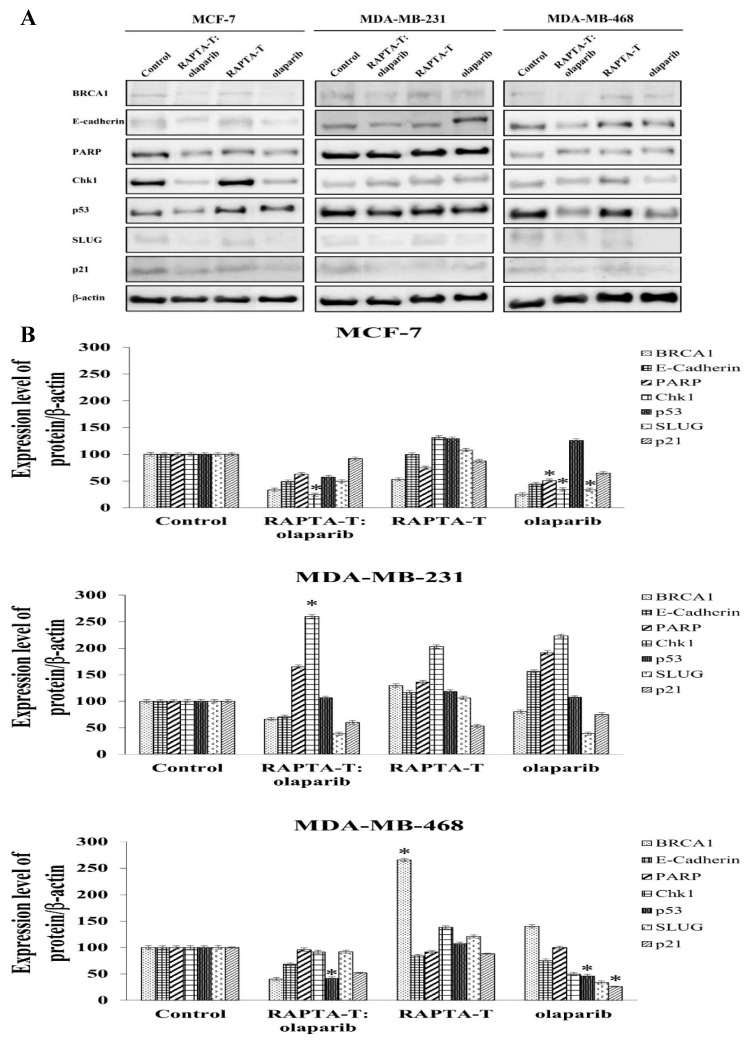 Figure 9
Peer Reviews
No public reviews on file for this paper yet. If you reviewed it on a platform where reviews are public (OpenReview, ICLR, NeurIPS, ICML), you can paste yours below so the community can read it here.
Videos
No videos yet. Explain this paper in a talk, walkthrough, or lecture? Add one.
Taxonomy
TopicsPARP inhibition in cancer therapy · Advanced Breast Cancer Therapies · DNA Repair Mechanisms