Phthalates, Bisphenol A, and Microbiological Investigations in Deep-Sea Shrimp Aristaeomorpha foliacea from Mediterranean Sea: Signs of Marine Anthropological Pollution
Nicoletta De Vietro, Porzia Maiorano, Giovanna Mancini, Angela Carluccio, Giusy Diella, Antonella Francesca Savino, Valentina Spagnuolo, Francesco Triggiano, Roberto Carlucci, Giuseppe Strisciullo, Alessia Di Gilio, Jolanda Palmisani, Antonella Maria Aresta, Francesco Bagordo

TL;DR
This study investigates chemical and microbiological risks in deep-sea shrimp from the Mediterranean Sea due to human pollution.
Contribution
A dual chemical and microbiological analysis approach is applied to assess pollution impacts on shrimp and food safety.
Findings
Phthalates and bisphenol A were detected in shrimp samples from multiple Mediterranean fishing sites.
Microbiological risks were identified, indicating potential threats to food safety from contaminated shrimp.
The study highlights the combined impact of chemical pollutants and microbial contamination in marine organisms.
Abstract
Sea pollution caused by anthropological activities represents a risk both for the organisms that inhabit it and for humans themselves. Great attention is paid to plastic waste because it takes decades to decompose and fragments into microscopic pieces that can be easily dispersed and ingested by marine fauna. Polymeric materials, in general, are rich in plasticizers (phthalates, PAEs; and bisphenol A, BPA), substances recognized as toxic both for aquatic organisms and for humans who could ingest them once contaminated marine organisms were to enter their diet. In this work, effective analytical protocols based on the use of solid phase microextraction (SPME) coupled with chromatography techniques were employed to evaluate the presence of PAEs and BPA in the extracted pulp of shrimps of the commercial species Aristaemorpha foliacea from four different fishing stations in the…
Genes, proteins, chemicals, diseases, species, mutations and cell lines named across the full text — each resolved to its canonical identifier and authoritative record.
Click any figure to enlarge with its caption.
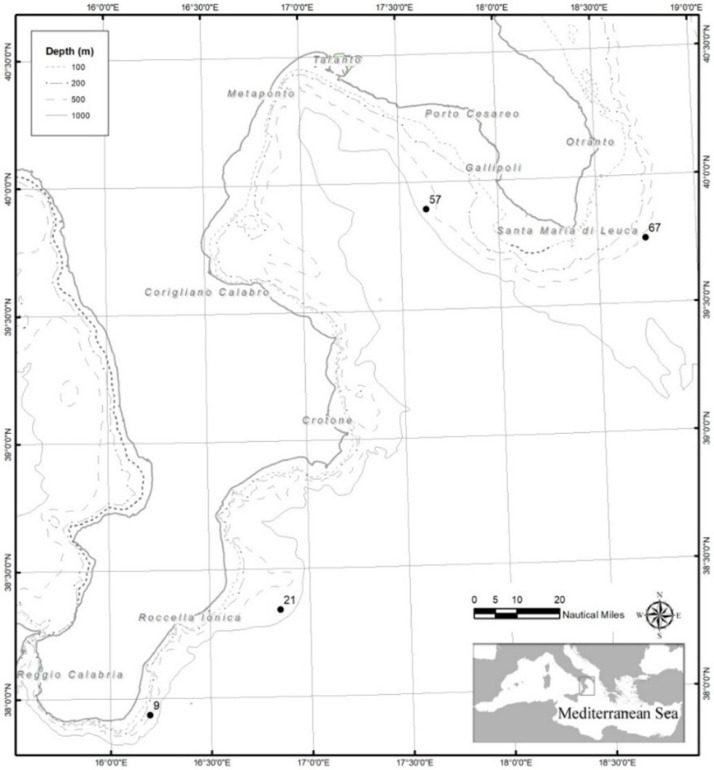 Figure 1
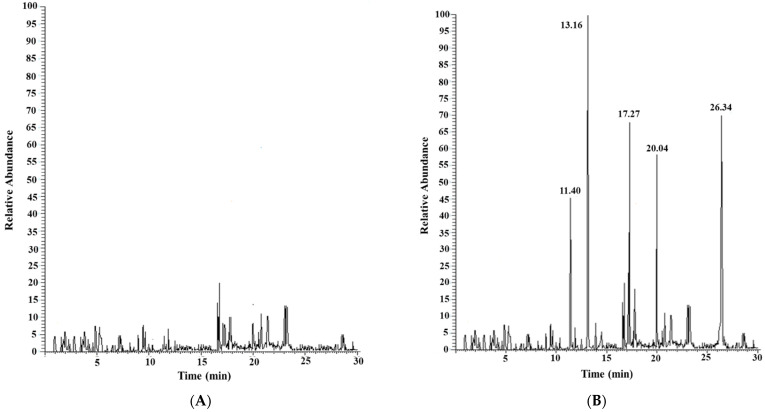 Figure 2
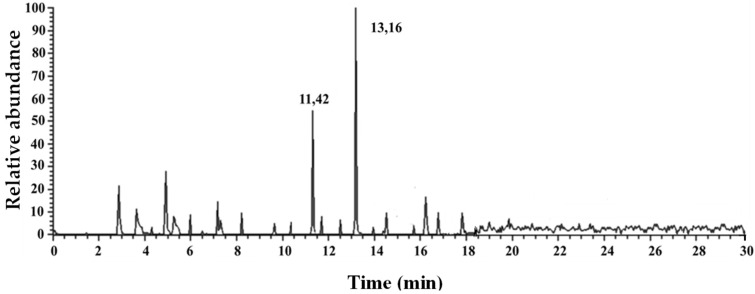 Figure 3
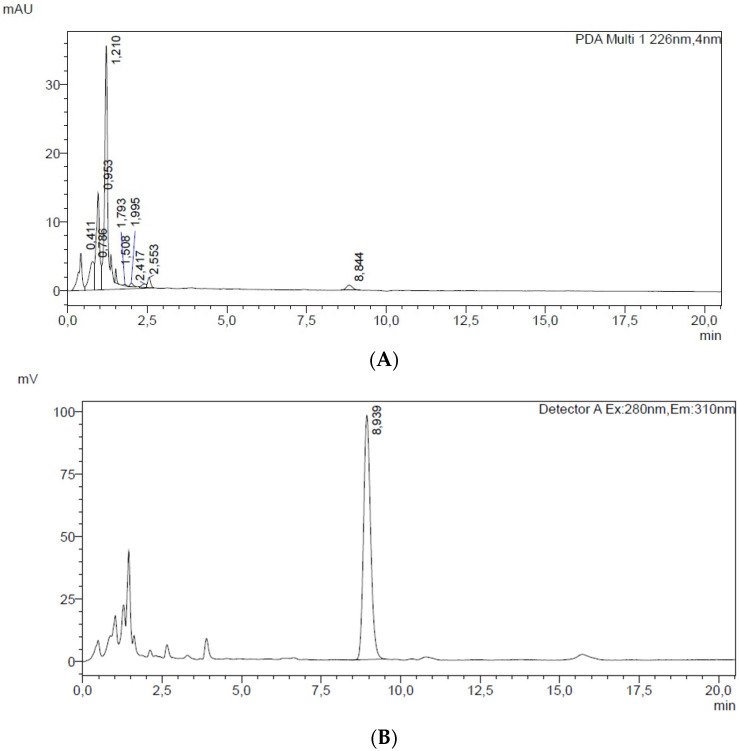 Figure 4
Peer Reviews
No public reviews on file for this paper yet. If you reviewed it on a platform where reviews are public (OpenReview, ICLR, NeurIPS, ICML), you can paste yours below so the community can read it here.
Videos
No videos yet. Explain this paper in a talk, walkthrough, or lecture? Add one.
Taxonomy
TopicsMicroplastics and Plastic Pollution · Effects and risks of endocrine disrupting chemicals · Recycling and Waste Management Techniques