An Improved Extensive Cancellation Method for Clutter Removal in Passive Bistatic Radar
Gang Chen, Siyuan Su, Dandan Zhang, Sujun Wang, Yifan Ping, Fu Li

TL;DR
This paper introduces a faster clutter cancellation method for passive bistatic radar that reduces computational demands while maintaining performance.
Contribution
A novel fast clutter cancellation method using low-order matrix decomposition for passive bistatic radar.
Findings
The proposed method reduces computational complexity by decomposing high-order matrices into low-order ones.
Simulation and real data applications show the method maintains clutter cancellation performance.
The approach is feasible for existing hardware with limited processing power.
Abstract
Passive bistatic radar experiences serious clutter echo interference problems; the target echo is submerged by the sidelobes of the strong clutter echoes. Extensive cancellation algorithm is an efficient method for clutter cancellation, but it requires high-order matrix inversion which poses a great challenge to the existing hardware performance and is even impossible to achieve. Aiming at this problem, a fast clutter cancellation method based on the extensive cancellation algorithm is proposed in this paper. In this novel method, the high-order clutter delay matrix is divided into several low-order matrices, and at the same time, multiple sub-matrices are utilized for clutter cancellation simultaneously, which significantly reduces the computational complexity. Simulation results and applications on real data illustrate that the proposed method ensures the clutter cancellation…
Genes, proteins, chemicals, diseases, species, mutations and cell lines named across the full text — each resolved to its canonical identifier and authoritative record.
Click any figure to enlarge with its caption.
 Figure 1
 Figure 2
 Figure 3
 Figure 4
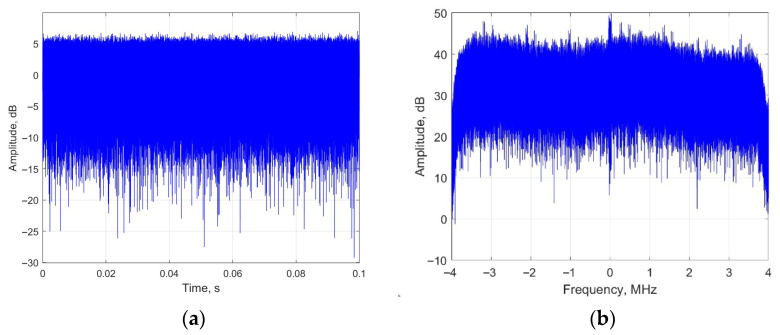 Figure 5
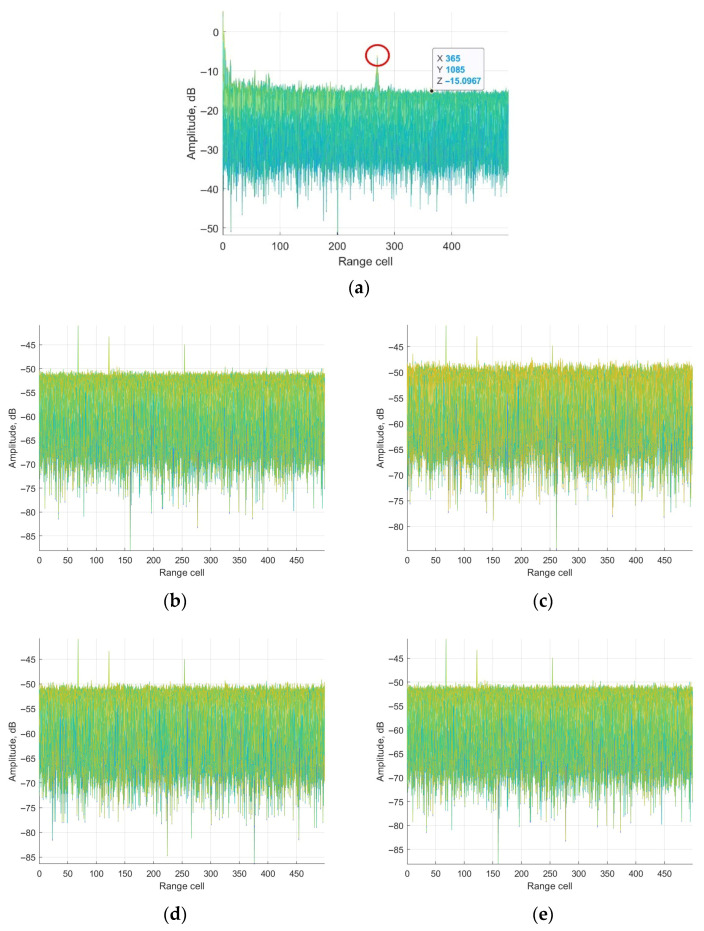 Figure 6
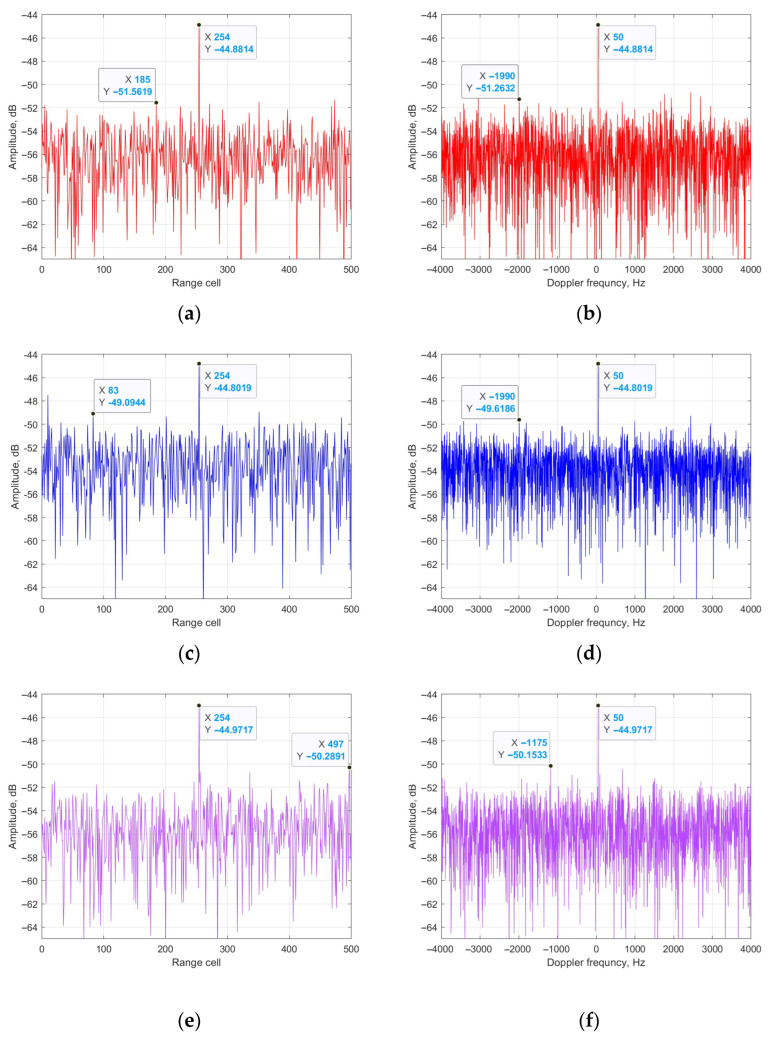 Figure 7
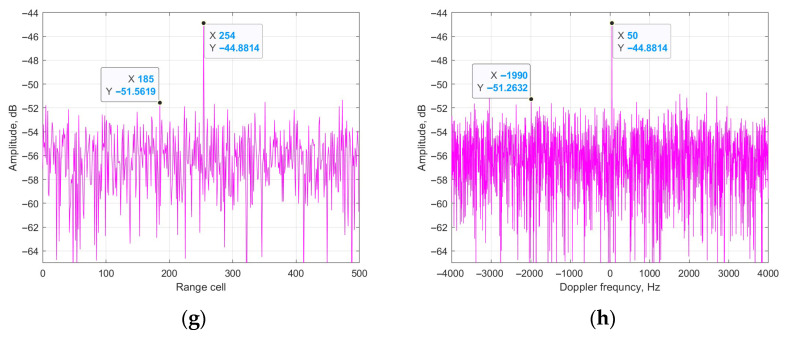 Figure 8
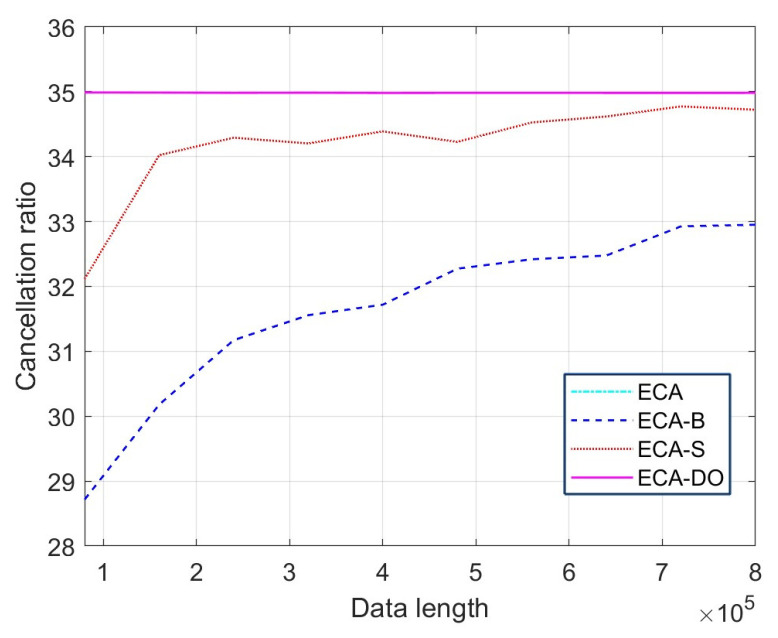 Figure 9
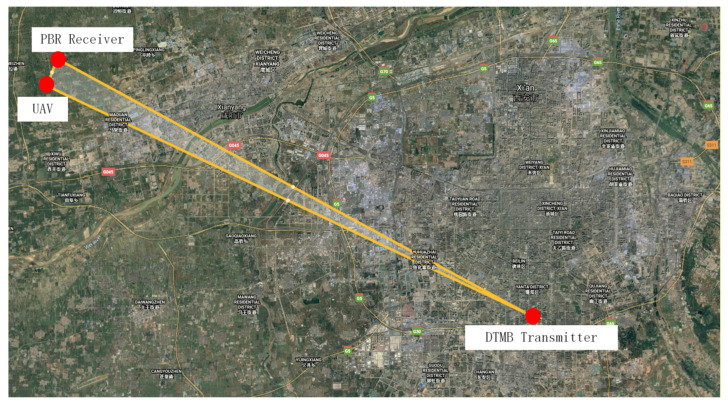 Figure 10
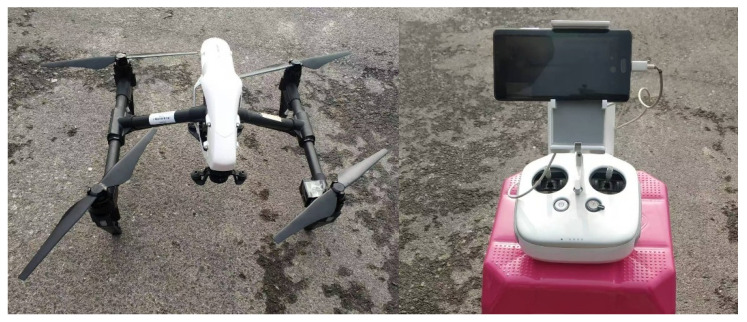 Figure 11
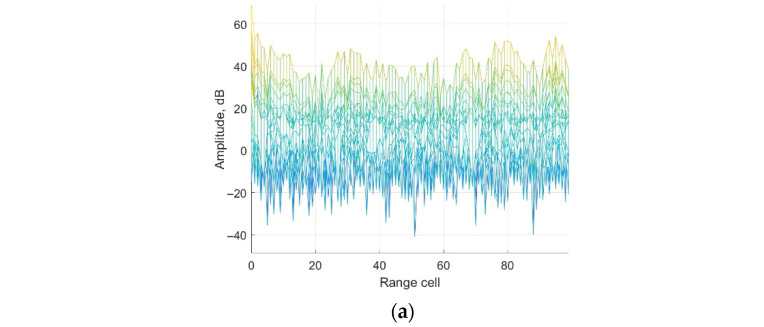 Figure 12
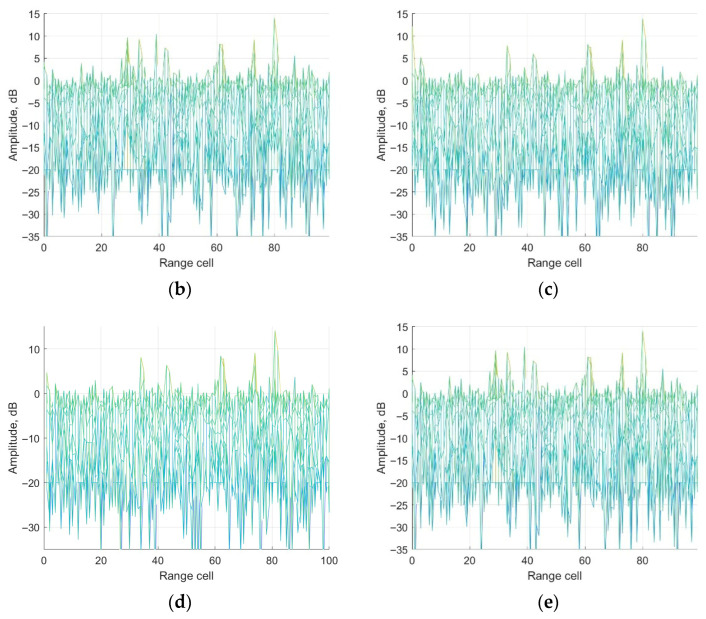 Figure 13
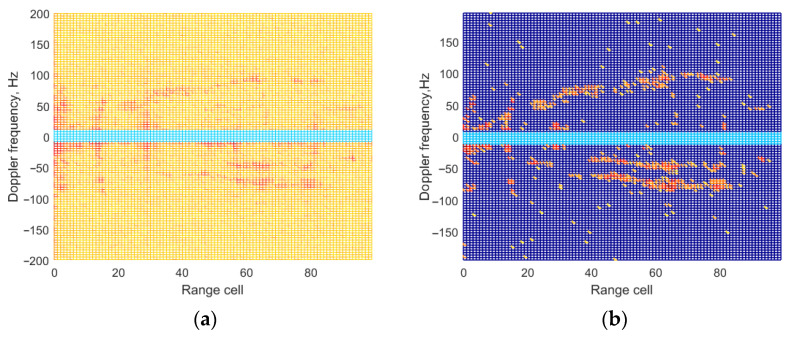 Figure 14
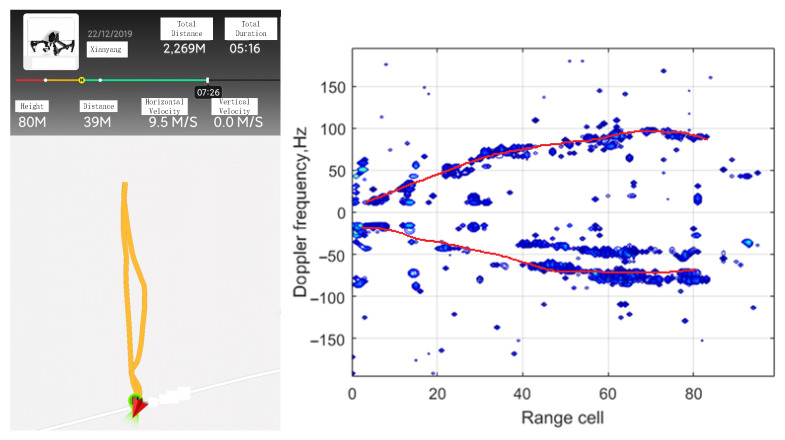 Figure 15
Peer Reviews
No public reviews on file for this paper yet. If you reviewed it on a platform where reviews are public (OpenReview, ICLR, NeurIPS, ICML), you can paste yours below so the community can read it here.
Videos
No videos yet. Explain this paper in a talk, walkthrough, or lecture? Add one.
Taxonomy
TopicsRadar Systems and Signal Processing · Full-Duplex Wireless Communications · Direction-of-Arrival Estimation Techniques