Identification of Marrubiin as a Cathepsin C Inhibitor for Treating Rheumatoid Arthritis
Fei-Long Zhou, Yu Zhang, Cui Chang, Da-Xing Shi, Xing Chen, Xin-Hua Liu, Xiao-Bao Shen

TL;DR
Marrubiin, a natural compound, was found to inhibit CTSC, a key enzyme in inflammation, and may help treat rheumatoid arthritis.
Contribution
Marrubiin is identified as a novel and potent CTSC inhibitor with therapeutic potential for inflammatory diseases.
Findings
Marrubiin inhibited CTSC with IC50 values of 57.5 nM (in vitro) and 51.6 nM (intracellular).
High-dose marrubiin reduced CTSC and NSPs activities in mice without toxicity and showed efficacy in an arthritis model.
Marrubiin's lactone structure is predicted to covalently target Cys234 in CTSC to inhibit its activity.
Abstract
Cathepsin C (CTSC) mediates neutrophil serine protease (NSP) maturation, contributing to inflammatory cascades, making it a key therapeutic target. In this study, through large-scale screening of a natural product library, marrubiin, a diterpenoid lactone compound, was identified as a potent CTSC inhibitor, which holds potential value in the treatment of inflammatory diseases. It inhibited human recombinant CTSC (IC50 = 57.5 nM) and intracellular CTSC (IC50 = 51.6 nM) with acceptable cytotoxicity, and reduced the activity and protein levels of downstream NSPs in vitro. Functionally, marrubiin inhibited lipopolysaccharide-induced nitric oxide release and regulated the levels of cytokines and chemokines. Docking result predicted marrubiin may achieve CTSC activity inhibition by using lactone structure as a covalent unit to target Cys234. In vivo study indicated that high-dose marrubiin…
Genes, proteins, chemicals, diseases, species, mutations and cell lines named across the full text — each resolved to its canonical identifier and authoritative record.
Click any figure to enlarge with its caption.
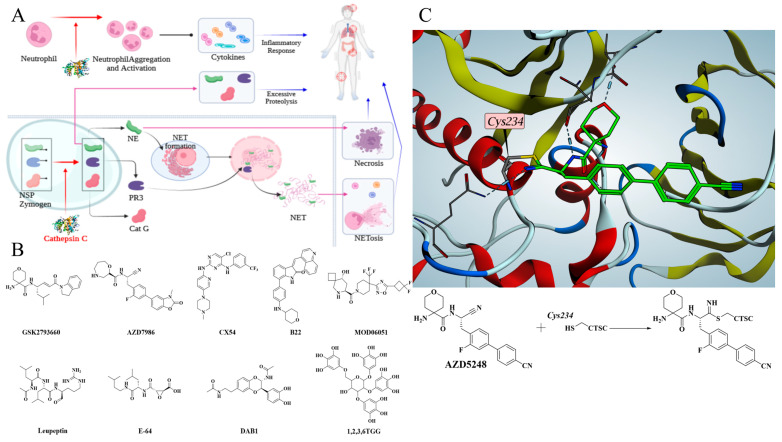 Figure 1
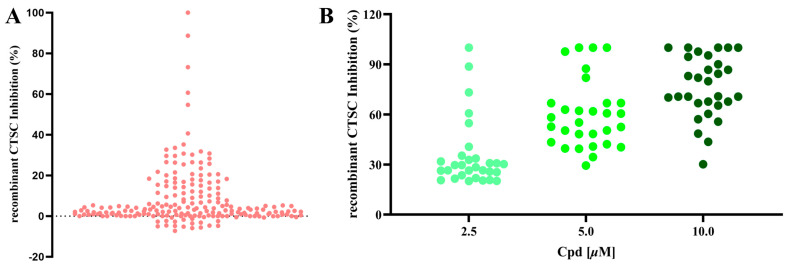 Figure 2
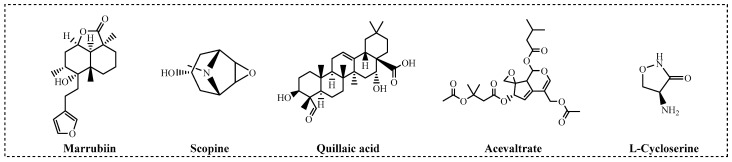 Figure 3
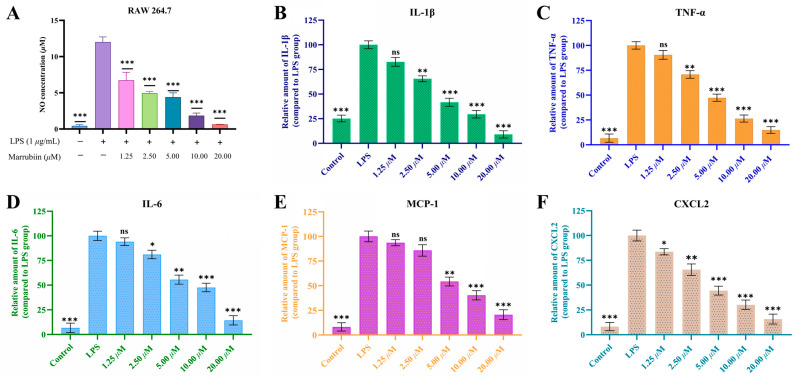 Figure 4
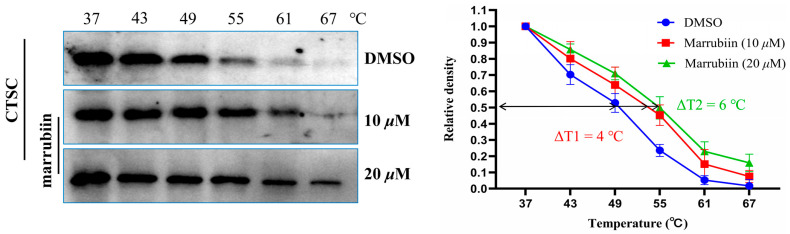 Figure 5
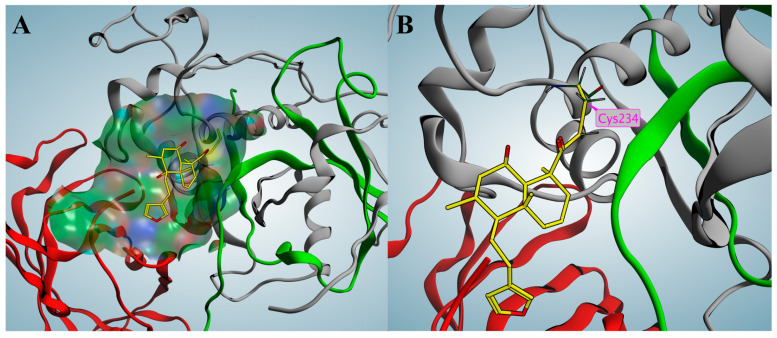 Figure 6
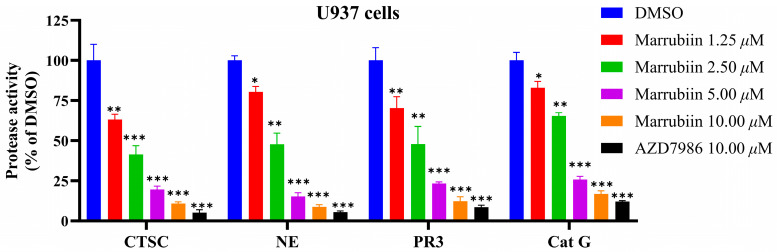 Figure 7
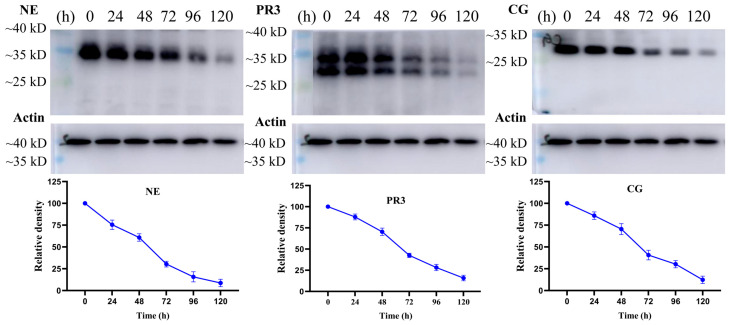 Figure 8
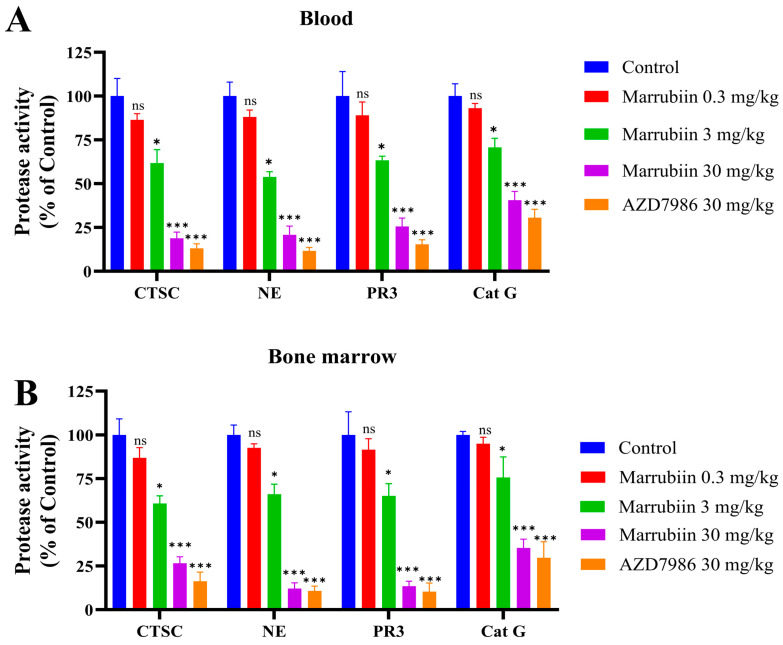 Figure 9
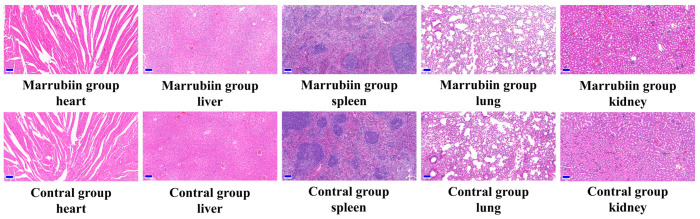 Figure 10
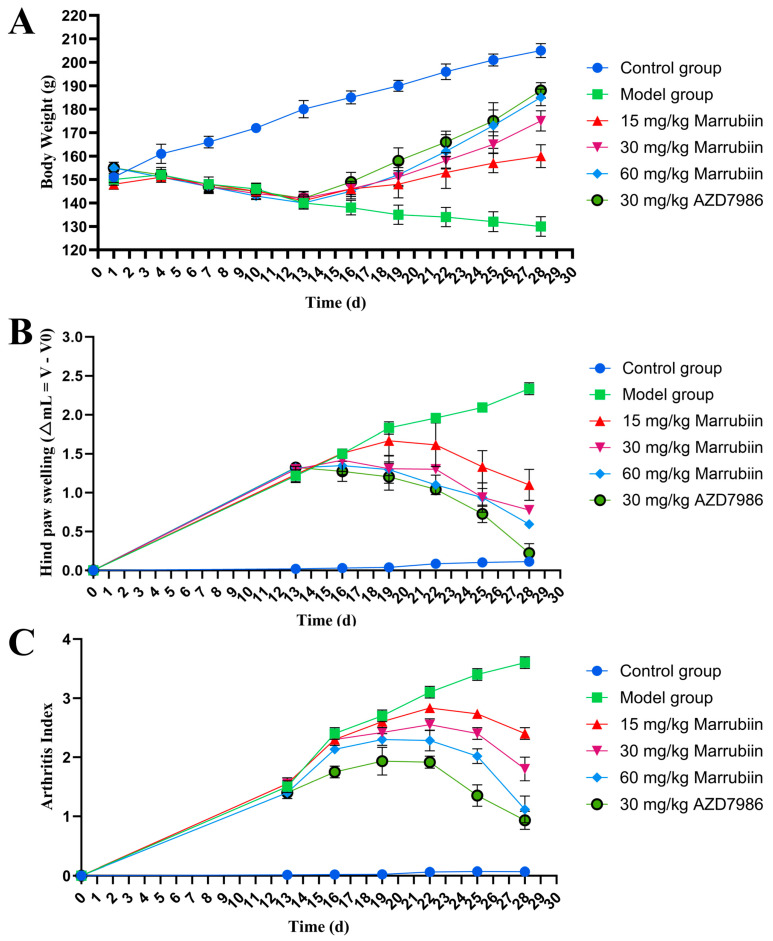 Figure 11
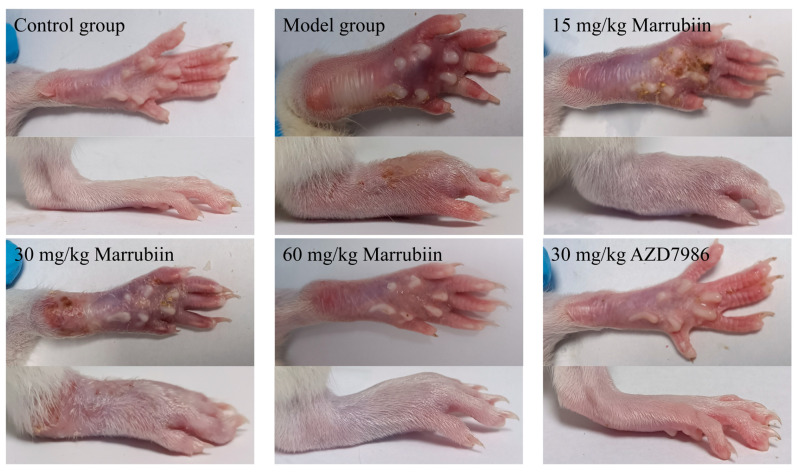 Figure 12
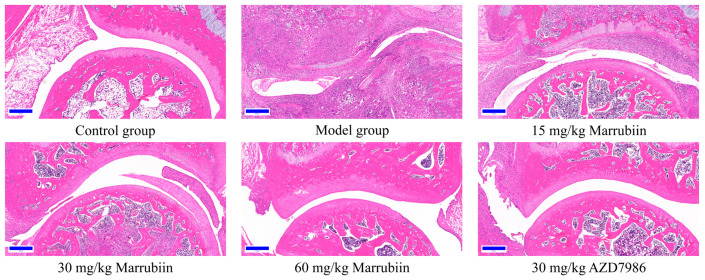 Figure 13
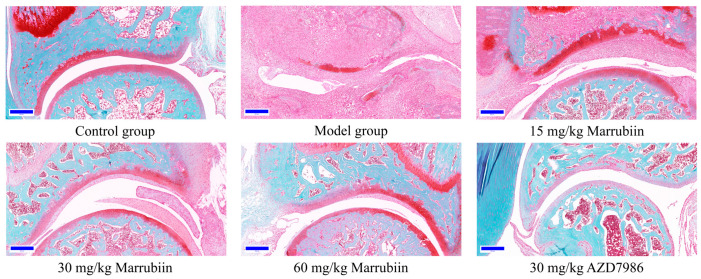 Figure 14
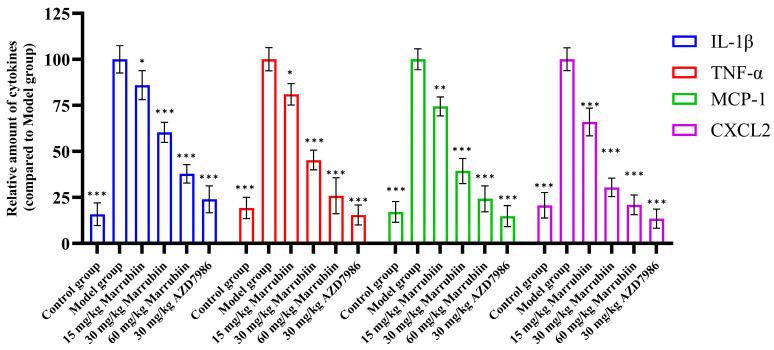 Figure 15
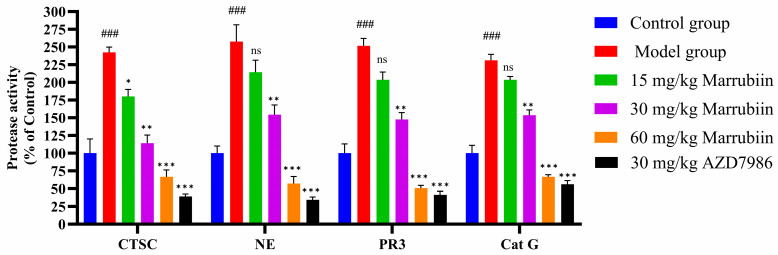 Figure 16
Peer Reviews
No public reviews on file for this paper yet. If you reviewed it on a platform where reviews are public (OpenReview, ICLR, NeurIPS, ICML), you can paste yours below so the community can read it here.
Videos
No videos yet. Explain this paper in a talk, walkthrough, or lecture? Add one.
Taxonomy
TopicsVenomous Animal Envenomation and Studies · Biochemical and Structural Characterization · Toxin Mechanisms and Immunotoxins