Members of Velvet Complex FpVeA and FpVelB Regulate Asexual Development, Fumonisin Biosynthesis and Virulence in Fusarium proliferatum
Ling Wang, Shaoqing Tang, Weiyang Liao, Zhonghua Sheng, Shikai Hu, Gui’ai Jiao, Gaoneng Shao, Lihong Xie, Peisong Hu

TL;DR
This study shows that the velvet complex proteins FpVeA and FpVelB are important for the growth, toxin production, and ability to infect rice in the fungus Fusarium proliferatum.
Contribution
The study identifies FpVeA and FpVelB as key regulators of asexual development, fumonisin biosynthesis, and virulence in Fusarium proliferatum.
Findings
Deletion of FpveA or FpvelB genes leads to slower hyphal growth but increased conidiation.
FpVeA and FpVelB are essential for fumonisin B1 production and pathogenicity in rice.
Loss of FpVeA or FpVelB reduces conidial trehalose and increases sensitivity to oxidative stress.
Abstract
Fusarium proliferatum is the causative agent of rice spikelet rot disease, which can produce a group of toxic secondary metabolites, especially fumonisins. Velvet complex is a master regulator governing the development processes and secondary metabolism in filamentous fungi. In this study, we investigated the biological functions of velvet members FpVeA and FpVelB in F. proliferatum. Compared with the wild-type Fp9 strain, deletion of FpveA or FpvelB genes resulted in retarded hyphal growth but promoted conidiation. Disruption mutants exhibited decreased conidial trehalose contents and enhanced sensitivity to H2O2 stress, as well as inducing expression of photoreceptors. Notably, inactivation of FpveA or FpvelB led to a reduction in production of fumonisin B1 (FB1), coinciding with downregulation of fumonisin biosynthetic genes. Furthermore, the absence of FpveA or FpvelB displayed…
Genes, proteins, chemicals, diseases, species, mutations and cell lines named across the full text — each resolved to its canonical identifier and authoritative record.
Click any figure to enlarge with its caption.
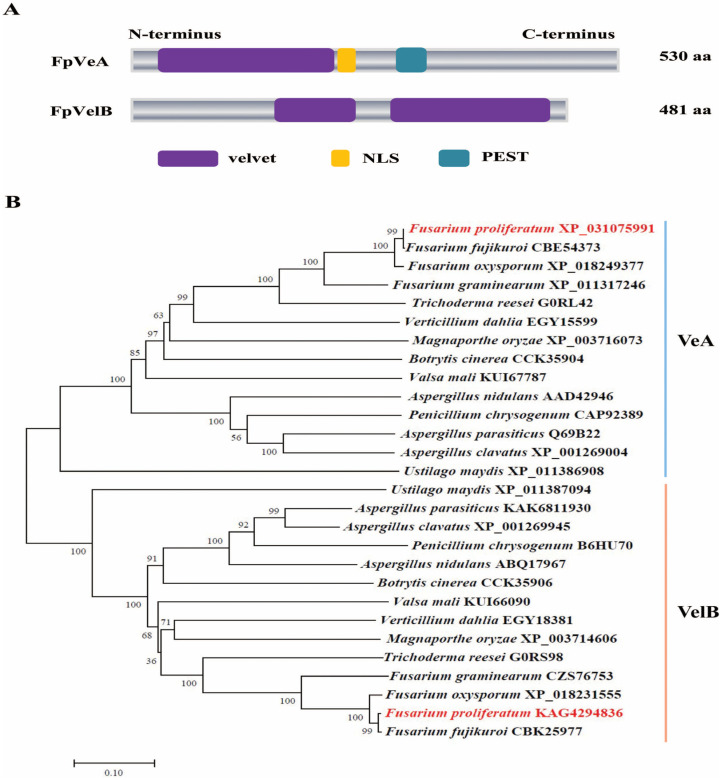 Figure 1
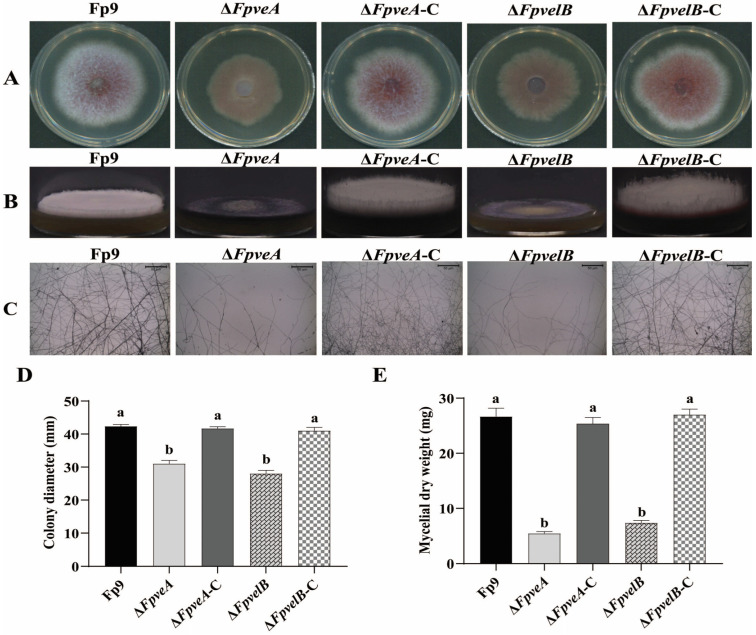 Figure 2
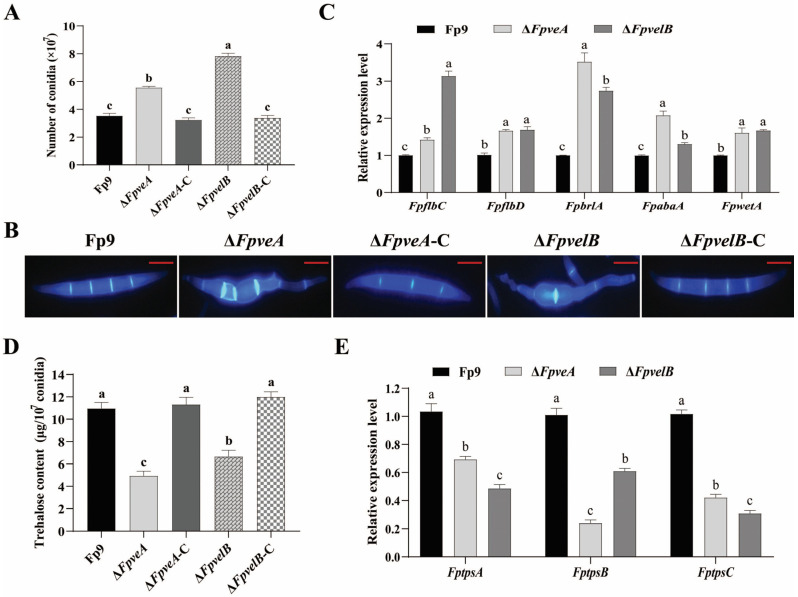 Figure 3
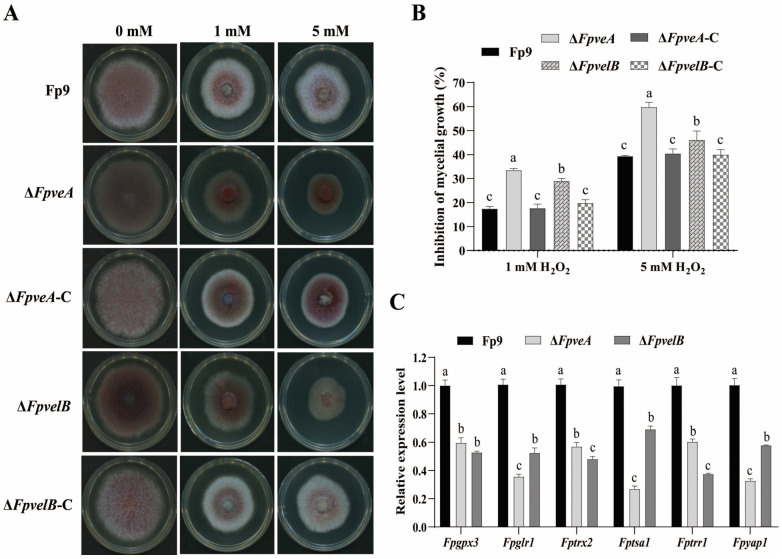 Figure 4
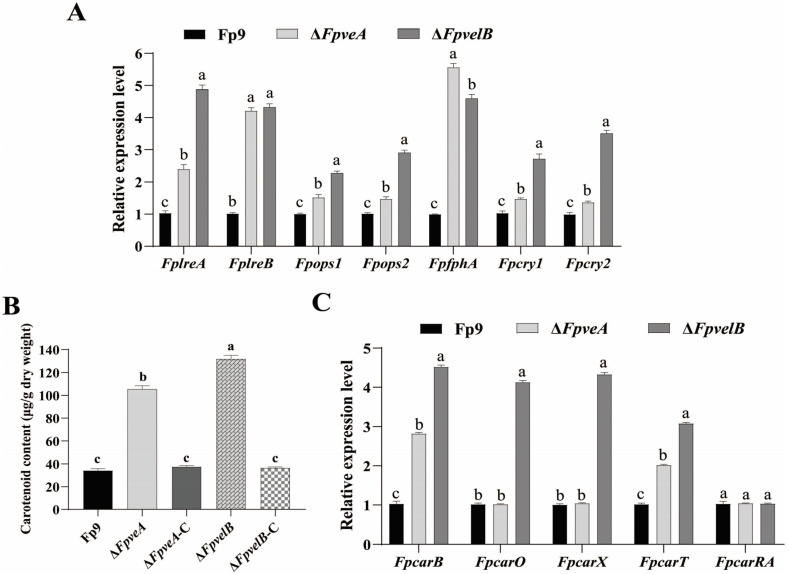 Figure 5
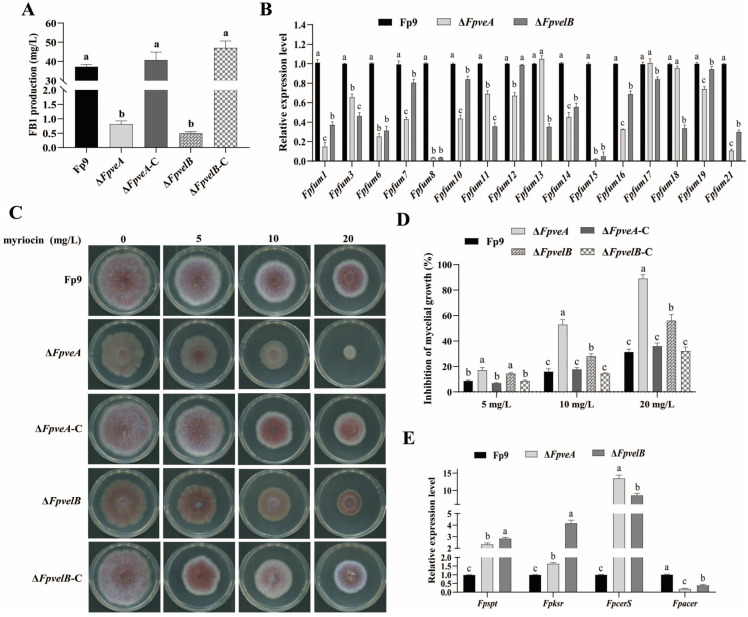 Figure 6
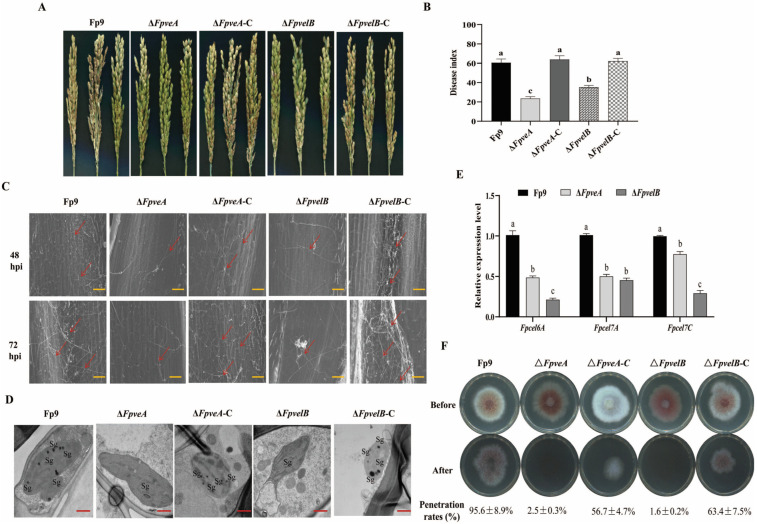 Figure 7
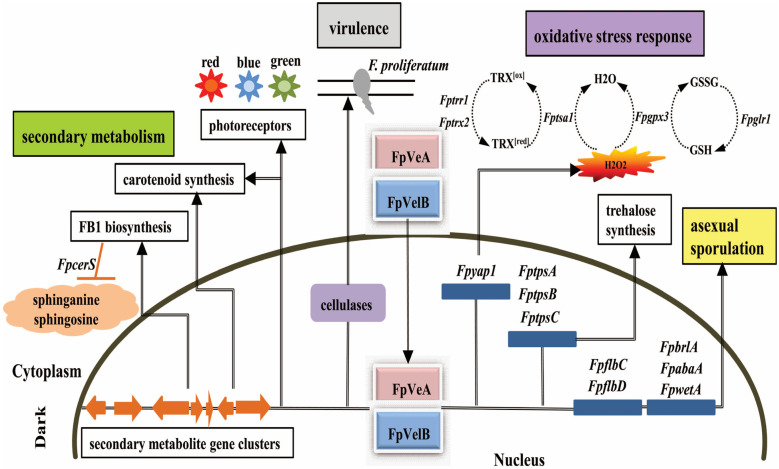 Figure 8
Peer Reviews
No public reviews on file for this paper yet. If you reviewed it on a platform where reviews are public (OpenReview, ICLR, NeurIPS, ICML), you can paste yours below so the community can read it here.
Videos
No videos yet. Explain this paper in a talk, walkthrough, or lecture? Add one.
Taxonomy
TopicsMycotoxins in Agriculture and Food · Fungal and yeast genetics research · Plant Pathogens and Fungal Diseases