Defining a Domain-Specific Language for Behavior Verification of Cyber–Physical Applications
Konstantinos Panayiotou, Emmanouil Tsardoulias, Theodoros Tsampouris, Andreas L. Symeonidis

TL;DR
This paper introduces a domain-specific language to simplify behavior verification for complex IoT and cyber-physical systems, enabling non-experts to build and verify applications more efficiently.
Contribution
A new domain-specific language and methodology for automating behavior verification in IoT and CPS development is proposed.
Findings
The proposed DSL and methodology improve productivity and reduce errors in IoT and CPS application development.
Scenario-based analysis and 43 use cases demonstrate the effectiveness of the approach in real-world applications.
The methodology allows domain experts to focus on verification rather than technical implementation.
Abstract
A common problem in the development of Internet-of-Things (IoT) and cyber–physical system (CPS) applications is the complexity of these domains, due to their hybrid and distributed nature at multiple layers (hardware, network, communication, frameworks, etc.). This complexity often leads to implementation errors, some of which result in undesired states of the application and/or the system. The current work focuses on low-code development of behavior verification processes for IoT and CPS applications, in order to raise productivity, minimize risks (due to errors) and enable access to a wider range of end-users to create and verify applications for state-of-the-art domains, such as smart home and smart industry. Model-Driven Development (MDD) approaches are employed for the implementation of a Domain-Specific Language (DSL) that enables the evaluation of IoT and CPS applications, among…
Genes, proteins, chemicals, diseases, species, mutations and cell lines named across the full text — each resolved to its canonical identifier and authoritative record.
Click any figure to enlarge with its caption.
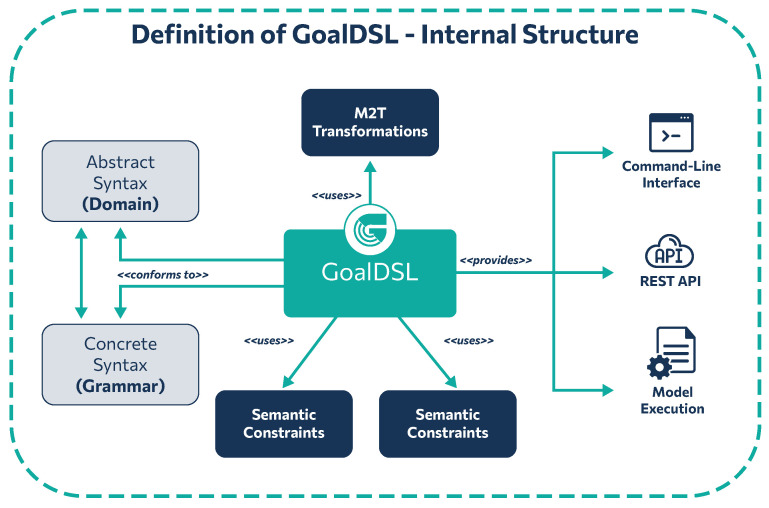 Figure 1
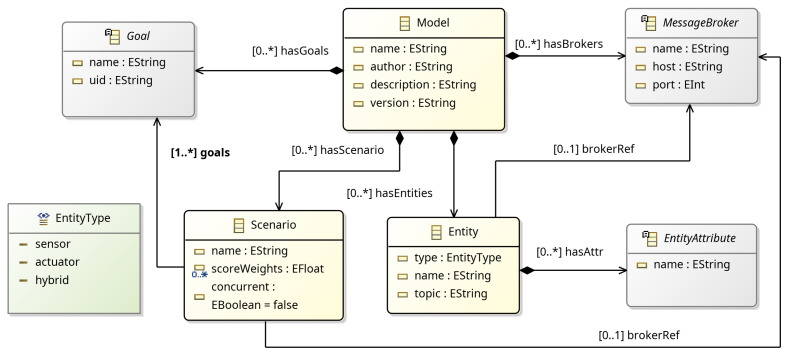 Figure 2
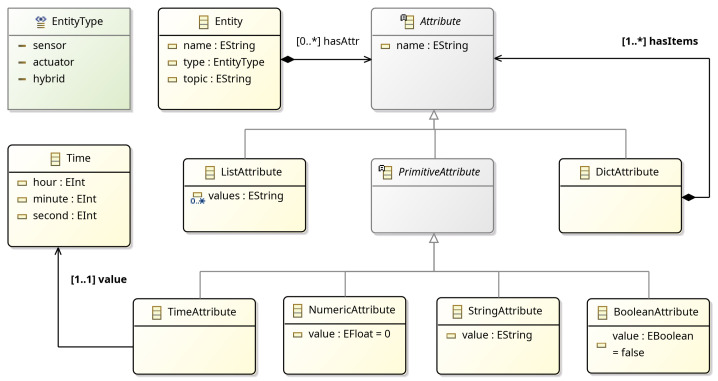 Figure 3
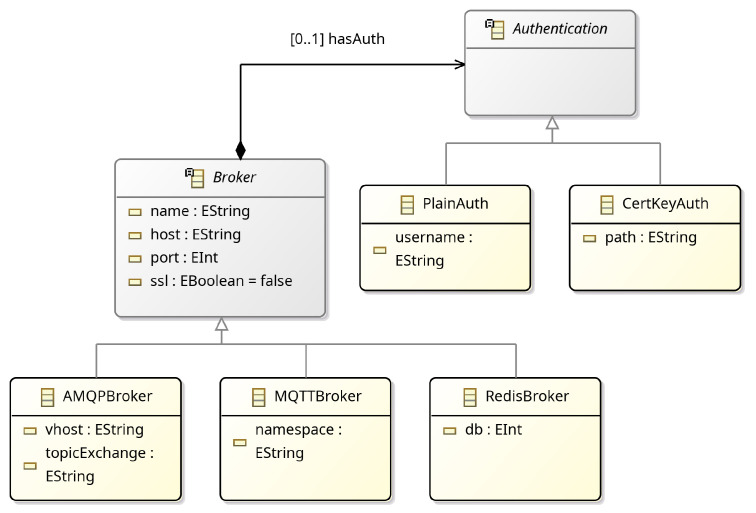 Figure 4
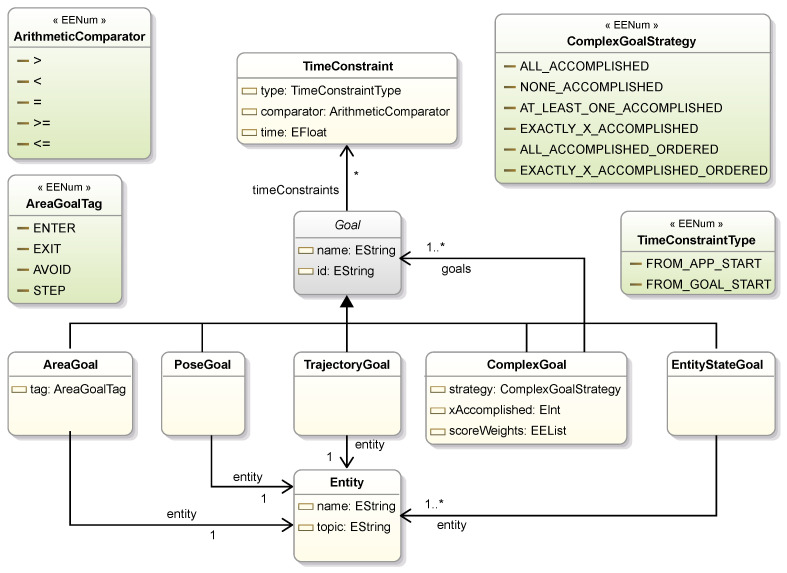 Figure 5
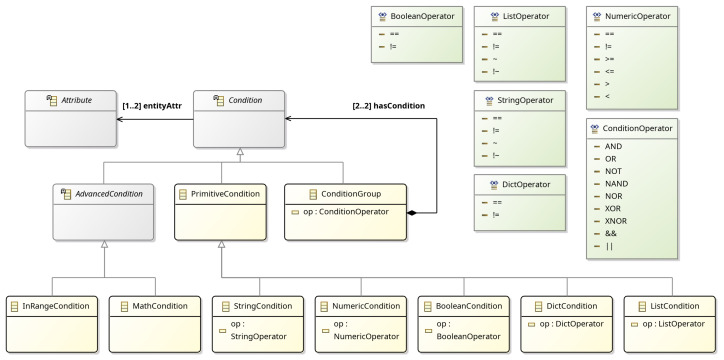 Figure 6
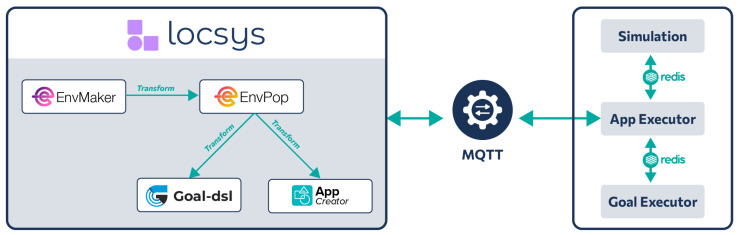 Figure 7
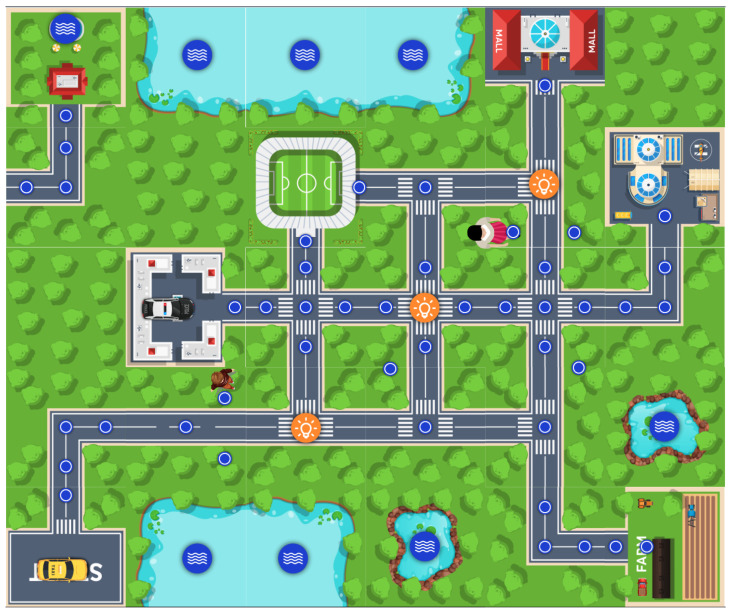 Figure 8
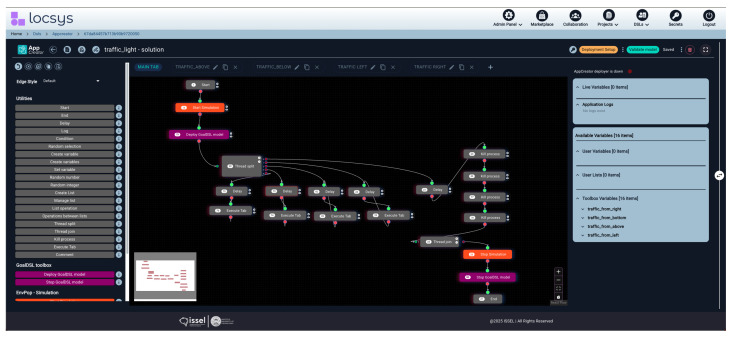 Figure 9
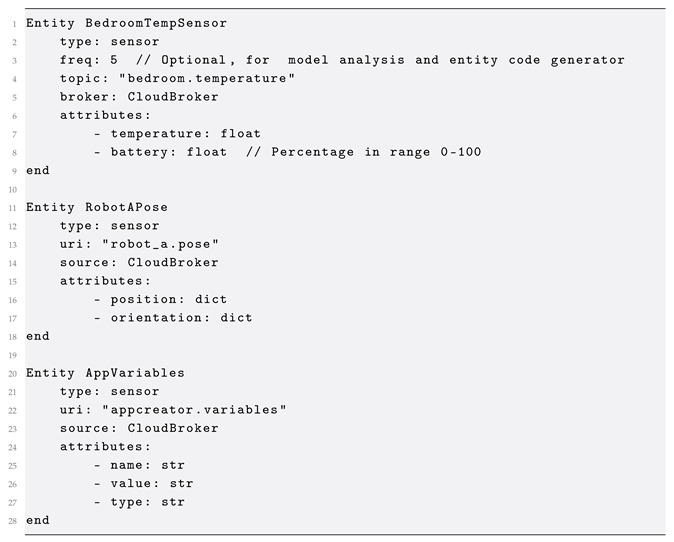 Figure 10
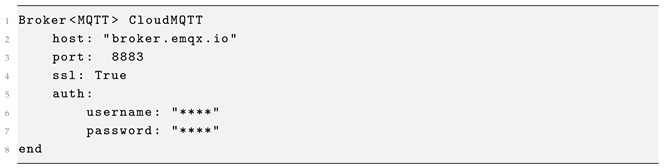 Figure 11
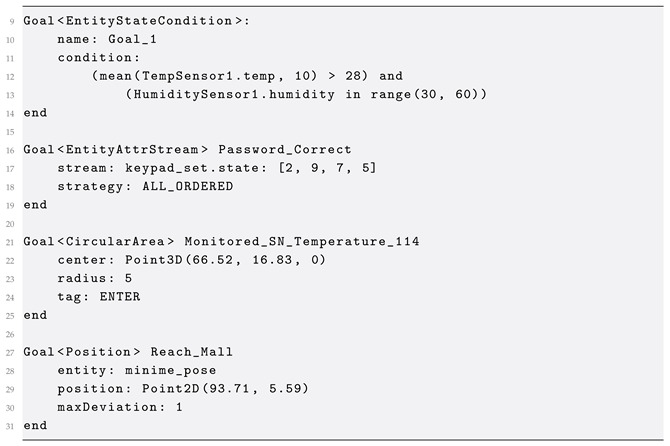 Figure 12
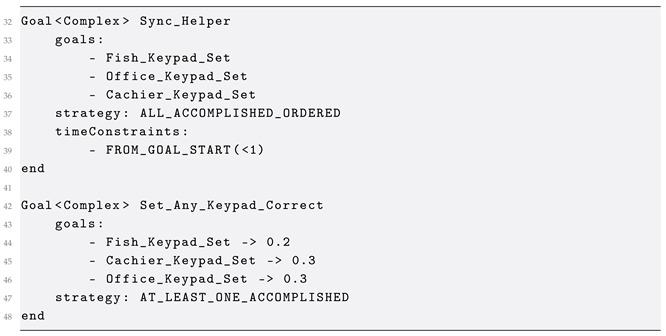 Figure 13
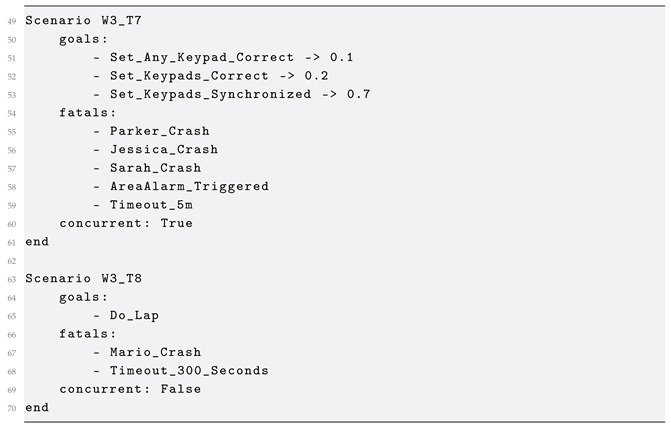 Figure 14
 Figure 15
Peer Reviews
No public reviews on file for this paper yet. If you reviewed it on a platform where reviews are public (OpenReview, ICLR, NeurIPS, ICML), you can paste yours below so the community can read it here.
Videos
No videos yet. Explain this paper in a talk, walkthrough, or lecture? Add one.
Taxonomy
TopicsAdvanced Software Engineering Methodologies · Model-Driven Software Engineering Techniques · Formal Methods in Verification