Integrated In Vitro and In Silico Evaluation of the Antimicrobial and Cytotoxic Potential of Calotropis procera Leaf Ethanolic Extract: From GC-MS Profiling to Molecular Docking and Dynamics
Juan David Rodríguez-Macías, Oscar Saurith-Coronell, Laura Martínez Parra, Domingo César Carrascal-Hernández, Fabio Fuentes-Gandara, Daniel Insuasty, Edgar A. Márquez-Brazón

TL;DR
This study explores the antimicrobial and safety properties of a plant extract from Calotropis procera, showing strong activity against bacteria and potential for drug development.
Contribution
The first report on Colombian C. procera demonstrating anti-Staphylococcus activity and MurG-targeted cardenolides.
Findings
EE-CP showed 93% inhibition of Staphylococcus aureus and 52% inhibition of Escherichia coli compared to amoxicillin.
Molecular docking and dynamics simulations confirmed strong binding of strophanthidin and NCGC00384918 to MurG.
EE-CP exhibited acceptable erythrocyte compatibility with <10% hemolysis at 1.5 mg mL−1.
Abstract
Calotropis procera, a drought-tolerant shrub widely used in folk medicine, was evaluated for its antimicrobial potential and safety using an integrative in vitro/in silico workflow. Ethanolic leaf extract (EE-CP) displayed a dose-dependent inhibition of Staphylococcus aureus ATCC 2913 and Escherichia coli ATCC 35218, reaching 93% and 52% of the amoxicillin control, respectively (MIC 207 µg mL−1 and 149 µg mL−1). GC-MS and LC-HRMS profiling revealed cardenolides (strophanthidin, gitoxigenin) and indole derivatives as major constituents. Pharmacophore mapping highlighted the essential glycosyltransferase MurG as a likely bacterial target; molecular docking showed that strophanthidin and NCGC00384918 bind MurG more strongly than the native substrate UDP-GlcNAc (ΔG ≤ −9.4 kcal mol−1), a result corroborated by 100 ns molecular dynamics simulations and MM-PBSA binding energies (−96.4 and…
Genes, proteins, chemicals, diseases, species, mutations and cell lines named across the full text — each resolved to its canonical identifier and authoritative record.
Click any figure to enlarge with its caption.
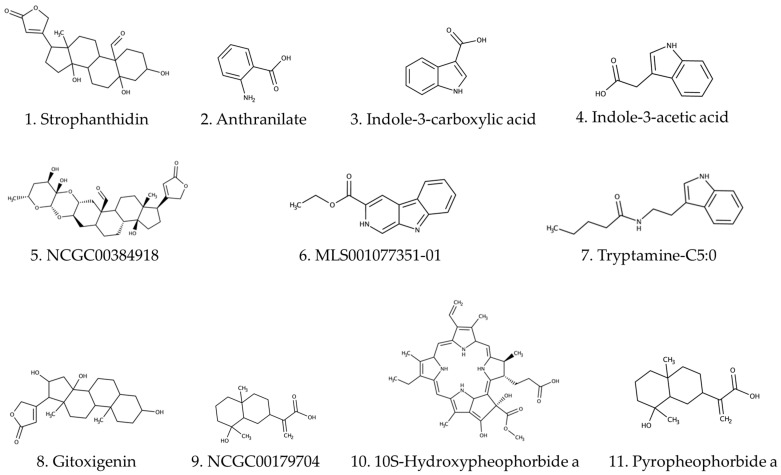 Figure 1
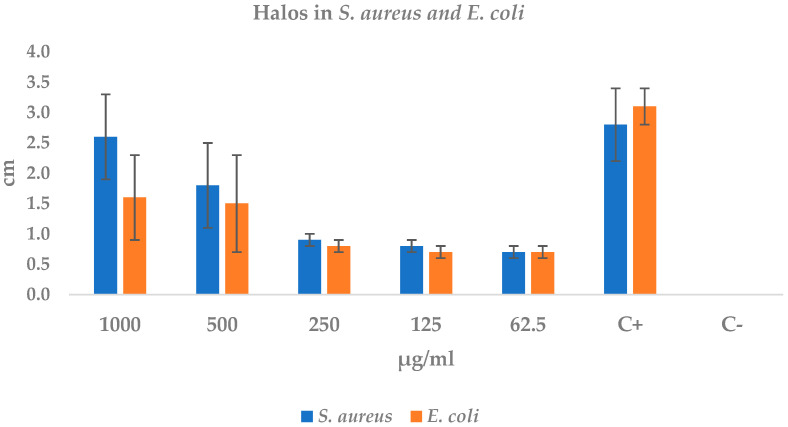 Figure 2
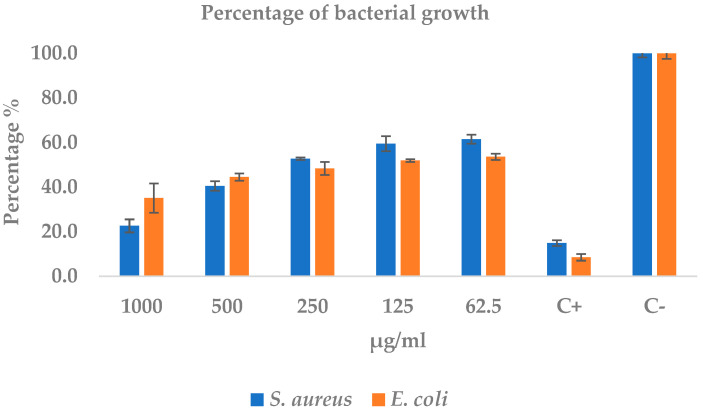 Figure 3
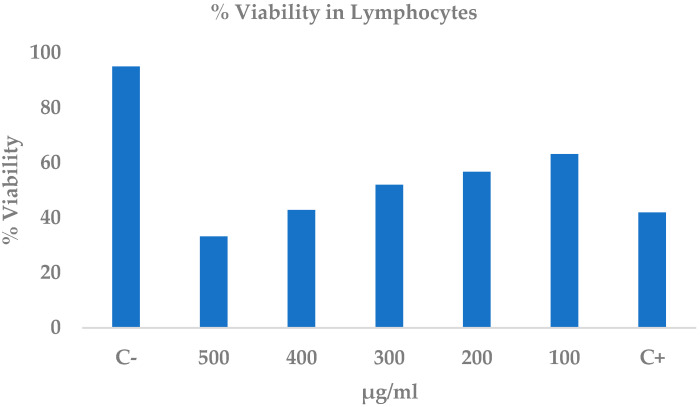 Figure 4
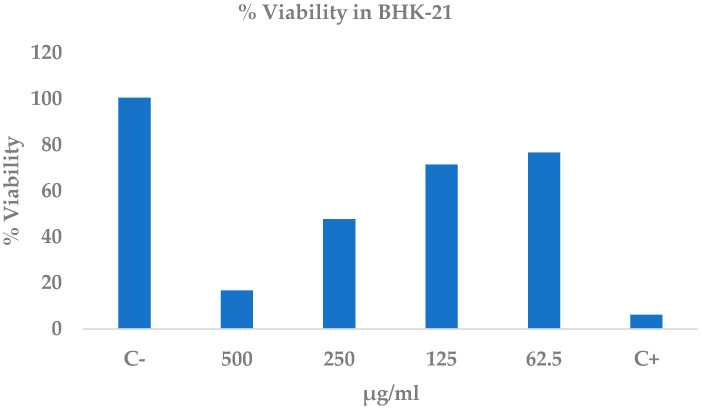 Figure 5
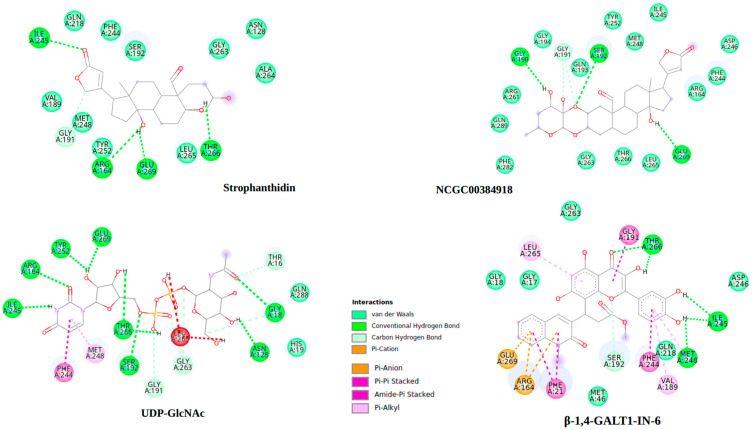 Figure 6
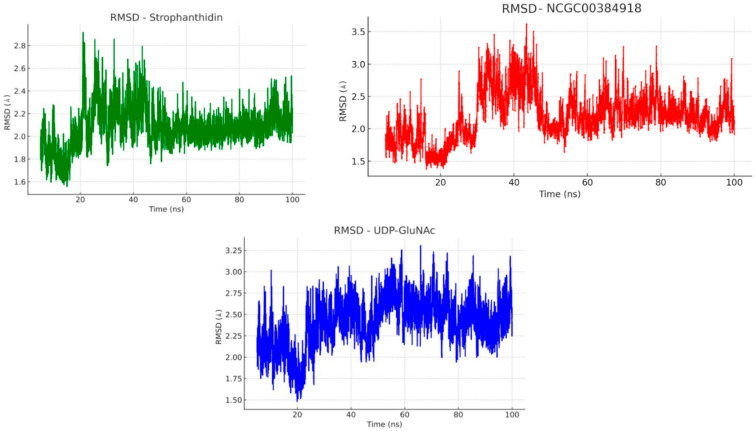 Figure 7
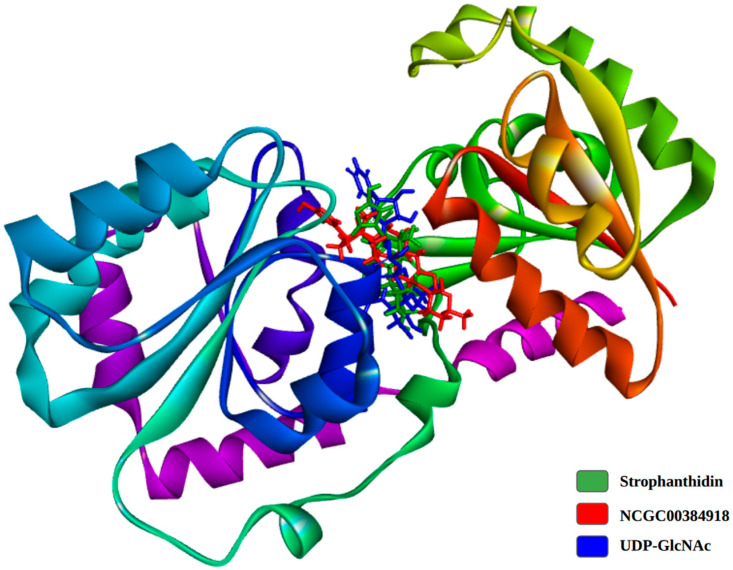 Figure 8
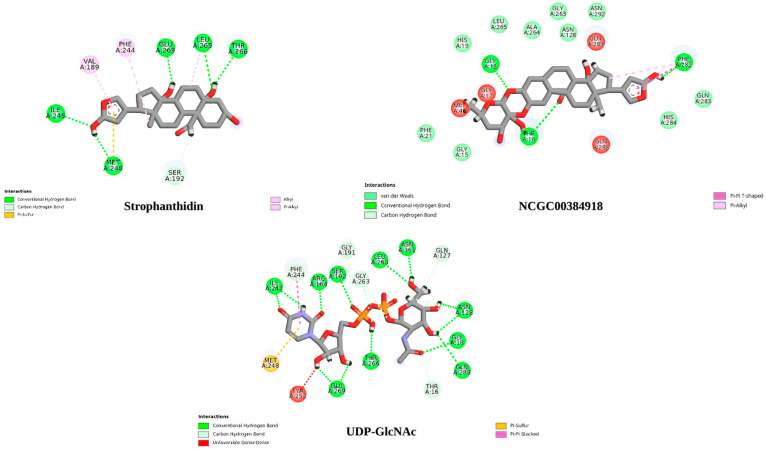 Figure 9
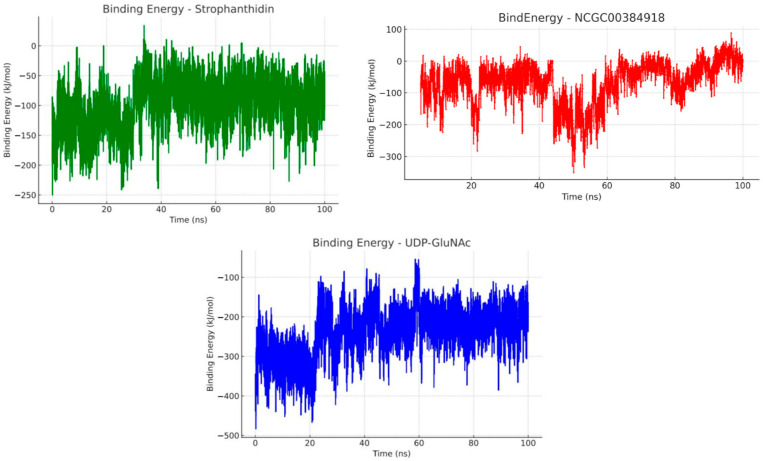 Figure 10
Peer Reviews
No public reviews on file for this paper yet. If you reviewed it on a platform where reviews are public (OpenReview, ICLR, NeurIPS, ICML), you can paste yours below so the community can read it here.
Videos
No videos yet. Explain this paper in a talk, walkthrough, or lecture? Add one.
Taxonomy
TopicsPhytochemistry and Bioactive Compounds · Phytochemistry and Biological Activities · Phytochemicals and Medicinal Plants