Lacerta agilis and Zootoca vivipara Lizards Infested with Ixodes ricinus Ticks Preferentially Maintain the Circulation of Borrelia lusitaniae and B. burgdorferi Sensu Stricto in Poland
Magdalena Wieczorek, Renata Grochowalska, Bartłomiej Najbar, Bożena Sikora, Jerzy Michalik

TL;DR
This study shows that certain lizards in Poland can host ticks that carry Lyme disease bacteria, potentially spreading the infection to humans.
Contribution
The study is the first to suggest that two lizard species may act as reservoir hosts for B. burgdorferi sensu stricto, a human pathogen.
Findings
Sand lizards (Lacerta agilis) are confirmed as competent reservoirs for B. lusitaniae.
Both sand lizards and common lizards may serve as reservoir hosts for B. burgdorferi sensu stricto.
B. lusitaniae was most prevalent in ticks from sand lizards, while B. burgdorferi s.s. dominated in ticks from common lizards.
Abstract
In Central Europe, lizards are frequent hosts for immature stages of the Ixodes ricinus tick, the principal vector of Lyme borreliosis (LB). This is the most common tick-borne disease and is caused by several species of bacteria from the Borrelia burgdorferi sensu lato (s.l.) complex. Of the 14 genospecies identified in I. ricinus, three account for the majority of LB cases in Europe: B. afzelii, B. garinii and B. burgdorferi sensu stricto. Each of these human-pathogenic species is associated with a particular vertebrate group acting as its natural reservoir. Borrelia afzelii depends on rodents, B. garinii depends on birds, whereas B. burgdorferi s.s. can use both birds and rodents. Certain lizard species are proven reservoir hosts of B. lusitaniae, which is implicated as a potential pathogen in humans. This study aimed to evaluate the prevalence of B. burgdorferi s.l. in sand lizards…
Genes, proteins, chemicals, diseases, species, mutations and cell lines named across the full text — each resolved to its canonical identifier and authoritative record.
Click any figure to enlarge with its caption.
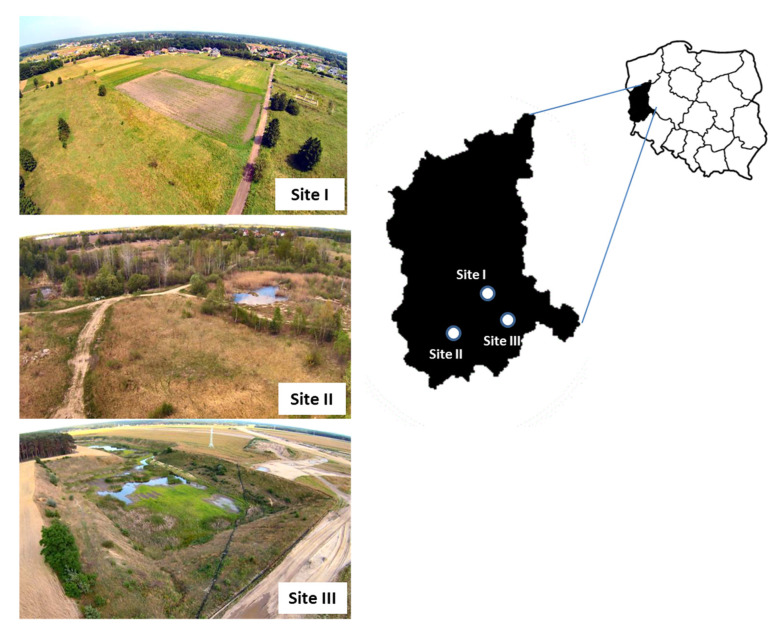 Figure 1
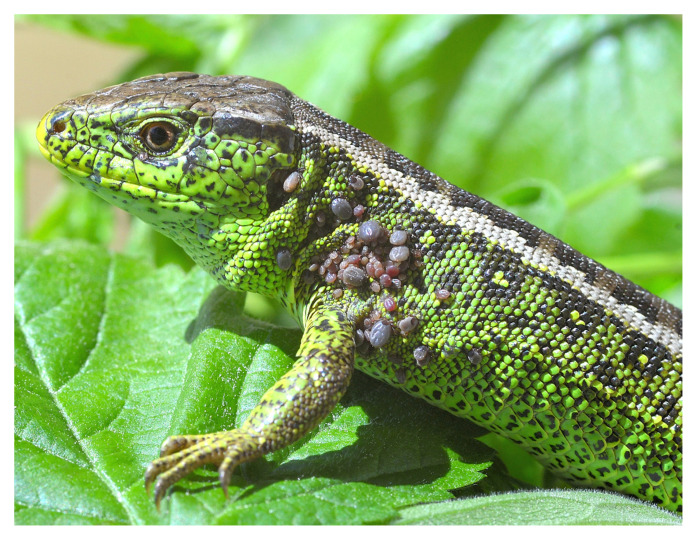 Figure 2
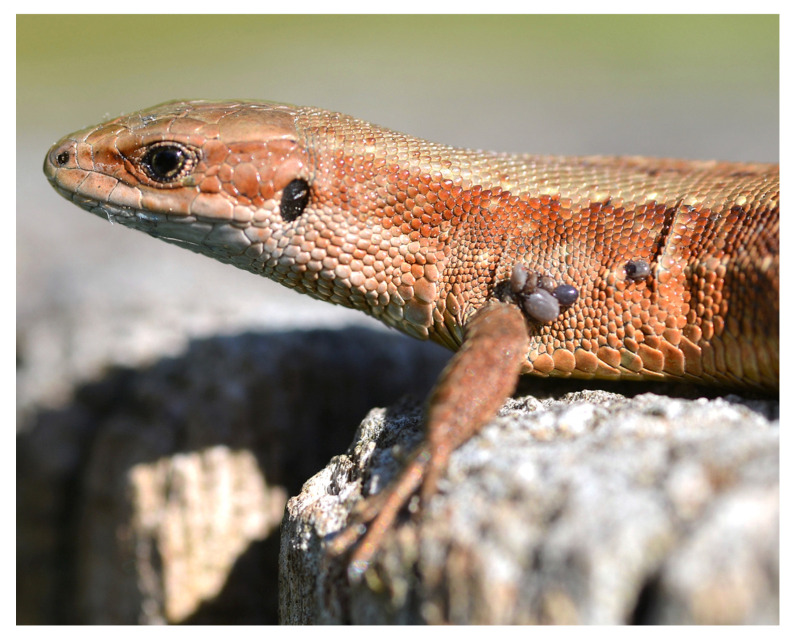 Figure 3
Peer Reviews
No public reviews on file for this paper yet. If you reviewed it on a platform where reviews are public (OpenReview, ICLR, NeurIPS, ICML), you can paste yours below so the community can read it here.
Videos
No videos yet. Explain this paper in a talk, walkthrough, or lecture? Add one.
Taxonomy
TopicsVector-borne infectious diseases · Bartonella species infections research · Parasite Biology and Host Interactions