Transcervical, Transabdominal and Transvaginal Chorionic Villus Sampling for Prenatal Diagnosis in Zagreb, Croatia: A Prospective Single-Operator Study on 5500 Cases
Petra Podobnik, Tomislav Meštrović, Mario Podobnik, Ivan Bertović-Žunec, Igor Lončar, Kristian Kurdija, Dženis Jelčić, Zlata Srebreniković, Slava Podobnik-Šarkanji

TL;DR
This study compares three methods of chorionic villus sampling for prenatal diagnosis, finding that the transabdominal method has the lowest fetal loss and best tissue quality.
Contribution
The study provides a large-scale, single-operator comparison of three CVS techniques, highlighting TA-CVS as the safest and most effective for prenatal diagnosis.
Findings
TA-CVS had significantly lower spontaneous abortion rates (0.18%) compared to TC-CVS (0.6%) and TV-CVS (1.3%).
TA-CVS provided optimal tissue weight (10–20 mg) more frequently (66.7%) than TC-CVS (35.3%) or TV-CVS (36.7%).
No diagnosed intellectual disability was observed in children after five years of follow-up.
Abstract
Background/Objectives: Chorionic villus sampling (CVS) is a pivotal diagnostic tool for early prenatal detection of chromosomal and genetic abnormalities; however, the safety and diagnostic efficacy of different CVS approaches remain a subject of clinical interest. This monocentric study compares transcervical (TC-CVS), transabdominal (TA-CVS) and transvaginal (TV-CVS) techniques, focusing on procedure-related fetal loss and diagnostic yield. Methods: In this 15-year, single-operator prospective study, a total of 5500 women underwent CVS between 10 and 14 weeks of gestation at a single center. Sampling was performed via TA-CVS (n = 4500), TC-CVS (n = 850), or TV-CVS (n = 150). Outcomes assessed included fetal loss rates, sample adequacy, early complications and hemodynamic changes measured by Doppler ultrasound. A p-value < 0.05 (two-tailed) was considered statistically significant.…
Genes, proteins, chemicals, diseases, species, mutations and cell lines named across the full text — each resolved to its canonical identifier and authoritative record.
Click any figure to enlarge with its caption.
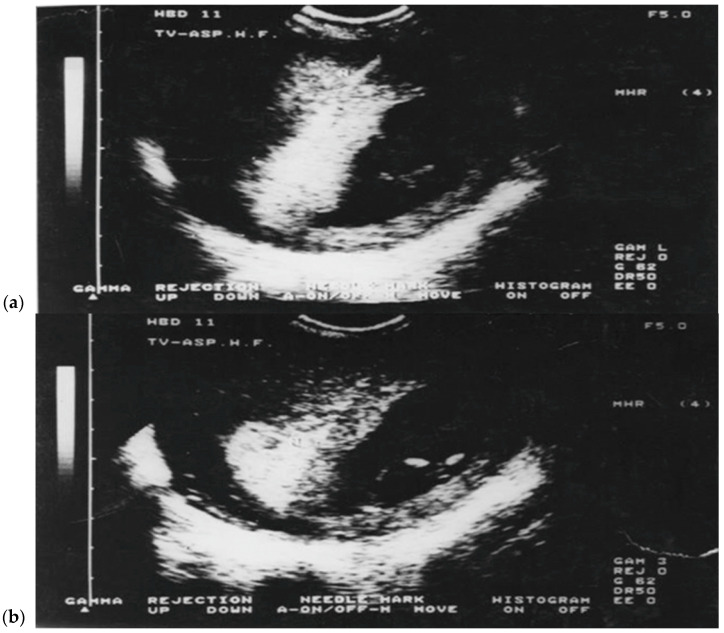 Figure 1
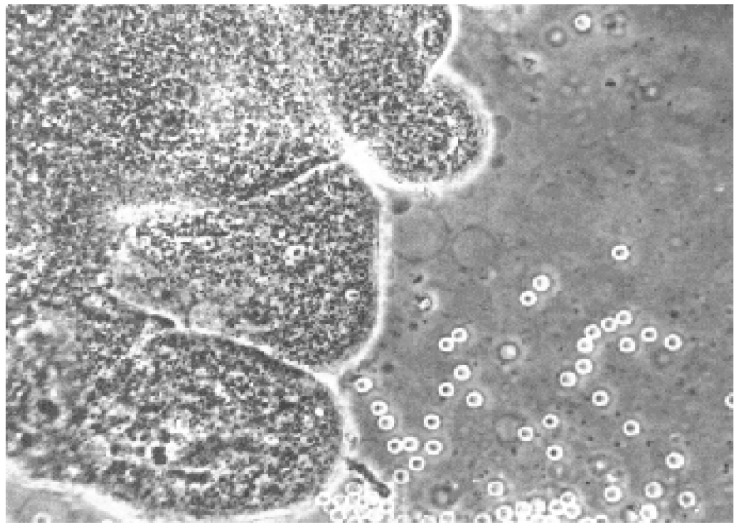 Figure 2
Peer Reviews
No public reviews on file for this paper yet. If you reviewed it on a platform where reviews are public (OpenReview, ICLR, NeurIPS, ICML), you can paste yours below so the community can read it here.
Videos
No videos yet. Explain this paper in a talk, walkthrough, or lecture? Add one.
Taxonomy
TopicsPrenatal Screening and Diagnostics · Fetal and Pediatric Neurological Disorders · Assisted Reproductive Technology and Twin Pregnancy