Machine Learning-Driven Prediction of Spatiotemporal Dynamics of Active Nuclei During Drosophila Embryogenesis
Parisa Boodaghi Malidarreh, Priyanshi Borad, Biraaj Rout, Anna Makridou, Shiva Abbasi, Mohammad Sadegh Nasr, Jillur Rahman Saurav, Kelli D. Fenelon, Jai Prakash Veerla, Jacob M. Luber, Theodora Koromila

TL;DR
This paper uses machine learning to predict gene expression patterns in fruit fly embryos, showing how spatial context influences gene regulation.
Contribution
The study introduces a machine learning pipeline that accurately predicts spatiotemporal gene expression dynamics during Drosophila embryogenesis.
Findings
The model accurately classifies and predicts active nuclei, particularly along the dorsal–ventral axis during nuclear cycle 14.
Bootstrap analysis shows higher prediction accuracy in central regions compared to edges of gene expression domains.
The model captures context-dependent regulatory roles of transcription factors like Su(H), functioning as activators or repressors depending on location.
Abstract
In this study, we apply machine learning to model the spatiotemporal dynamics of gene expression during early Drosophila embryogenesis. By optimizing model architecture, feature selection, and spatial grid resolution, we developed a predictive pipeline capable of accurately classifying active nuclei and forecasting their future distribution in time. We evaluated the model on two reporter constructs for the short gastrulation (sog) gene, sogD and sogD_∆Su(H), allowing us to assess its performance across distinct genetic contexts. The model achieved high accuracy on the wild-type sogD dataset, particularly along the dorsal–ventral (DV) axis during nuclear cycle 14 (NC14), and accurately predicted expression in the central regions of both wild-type and Suppressor of Hairless (Su(H)) mutant enhancers, sogD_∆Su(H). Bootstrap analysis confirmed that the model performed better in the central…
Genes, proteins, chemicals, diseases, species, mutations and cell lines named across the full text — each resolved to its canonical identifier and authoritative record.
Click any figure to enlarge with its caption.
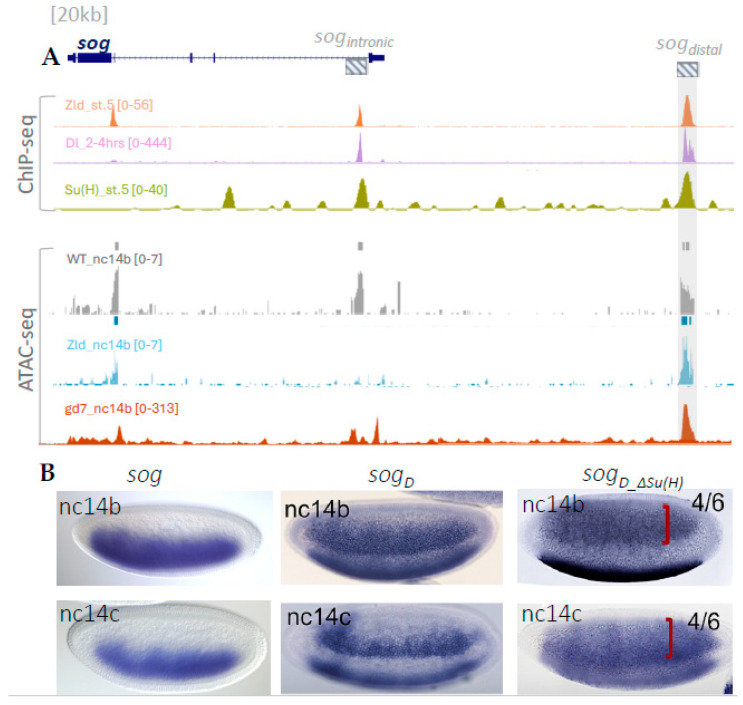 Figure 1
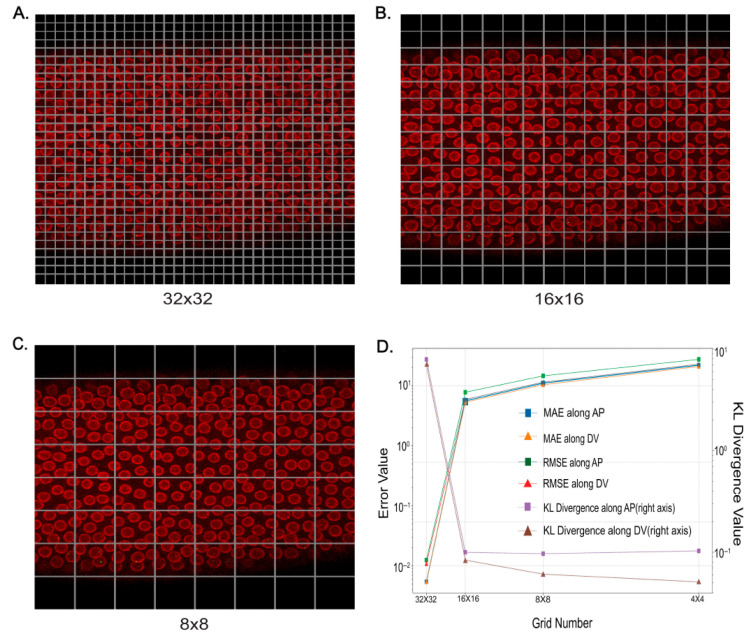 Figure 2
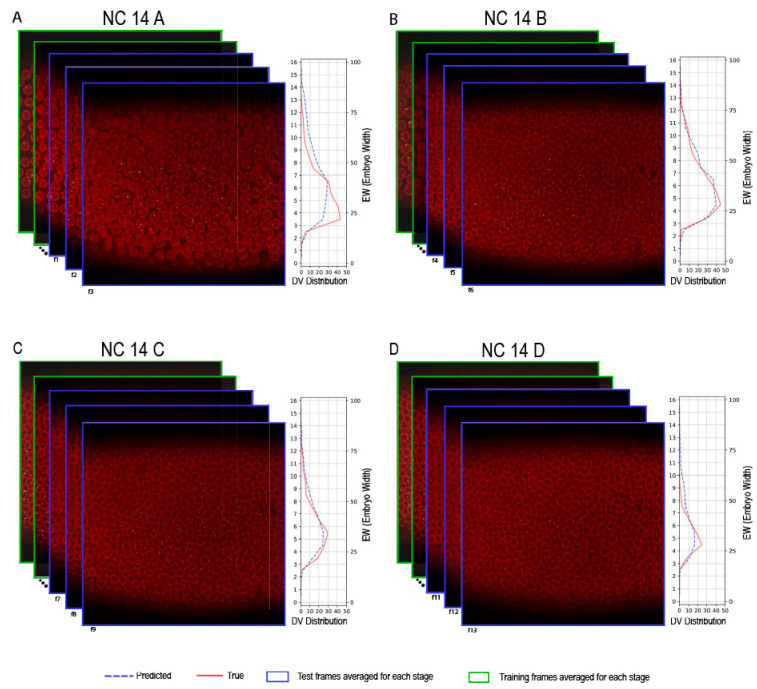 Figure 3
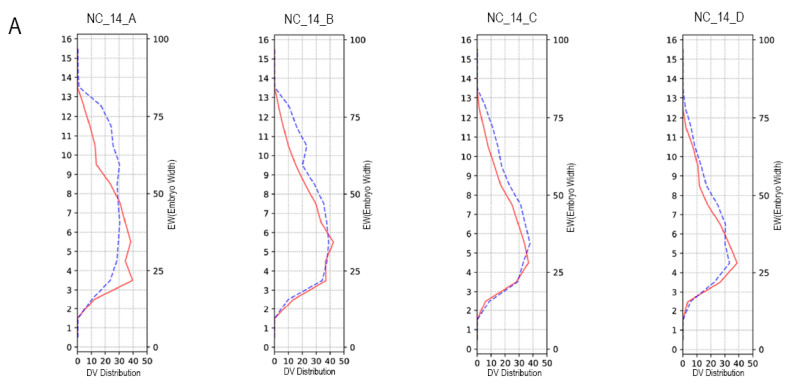 Figure 4
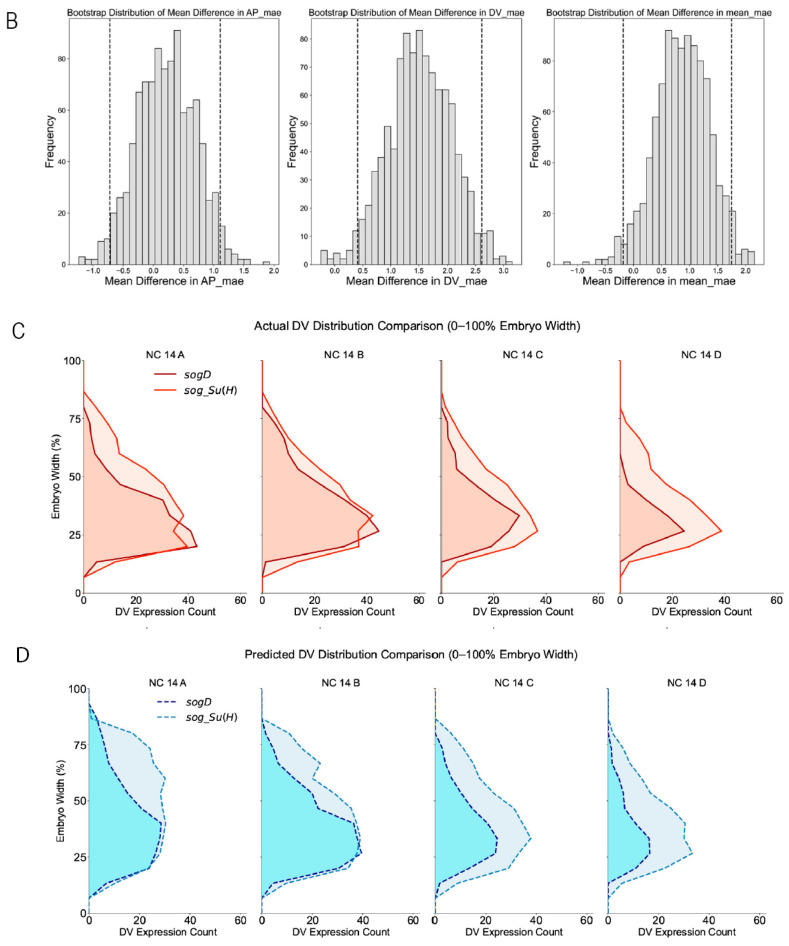 Figure 5
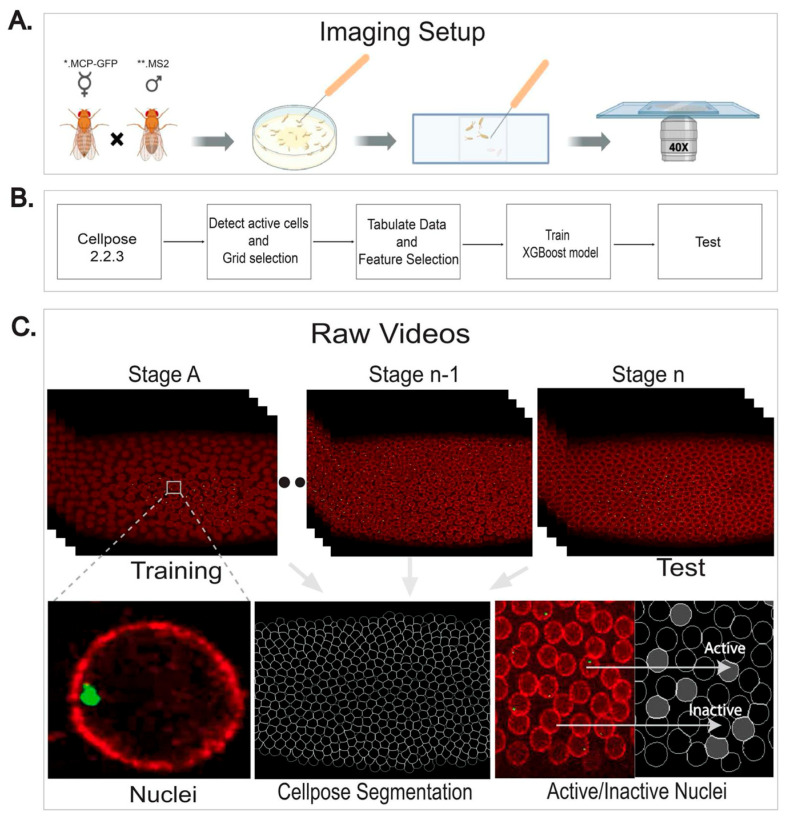 Figure 6
Peer Reviews
No public reviews on file for this paper yet. If you reviewed it on a platform where reviews are public (OpenReview, ICLR, NeurIPS, ICML), you can paste yours below so the community can read it here.
Videos
No videos yet. Explain this paper in a talk, walkthrough, or lecture? Add one.
Taxonomy
TopicsMorphological variations and asymmetry · Genetics, Bioinformatics, and Biomedical Research