In Vitro Detoxification of Fumonisin B1 (FB1) into Hydrolyzed Fumonisin B1 (HFB1) by Lactobacillus spp. Isolated from Pig Caecum
Huu Anh Dang, Attila Zsolnai, Mariam Kachlek, Veronika Halas, Diana Giannuzzi, Stefano Schiavon, Isaac Hyeladi Malgwi

TL;DR
This study shows that Lactobacillus bacteria from pig intestines can detoxify a harmful mycotoxin in the lab, suggesting they could be used as probiotics to improve pig health.
Contribution
The study identifies specific Lactobacillus species from pig caecum that detoxify fumonisin B1 in vitro, supporting host-targeted probiotic development.
Findings
Lactobacillus spp. significantly increased in abundance when exposed to fumonisin B1.
Fumonisin B1 levels decreased while hydrolyzed fumonisin B1 increased in the experimental group.
Lactobacillus pontis, Lactobacillus amylovorus, and Lactobacillus ultunensis showed potential as detoxifying probiotics.
Abstract
The metabolic capacity of swine caecum-derived Lactobacillus spp. to biotransform mycotoxins presents promising potential as a host-probiotic strategy to improve pig health and support host-targeted probiotic research. In the present study, Lactobacillus spp. isolated from the pig caecum were examined for their ability to detoxify fumonisin B1 (FB1) in vitro. Three experimental groups were established (i) Control 1 (C1: buffer + caecal chyme), (ii) Control 2 (C2: buffer + FB1), (iii) Experimental group (E: buffer + caecal chyme + FB1), each with 12 replicates per group (4 replicates per time point 0, 24, and 48 h). Quantitative polymerase chain reaction (qPCR) was used to determine bacterial abundance, while fumonisin B1 (FB1) and its hydrolyzed product (HFB1, Hydrolyzed Fumonisin B1), were quantified using liquid chromatography–mass spectrometry (LC-MS). Group E showed a significant…
Genes, proteins, chemicals, diseases, species, mutations and cell lines named across the full text — each resolved to its canonical identifier and authoritative record.
Click any figure to enlarge with its caption.
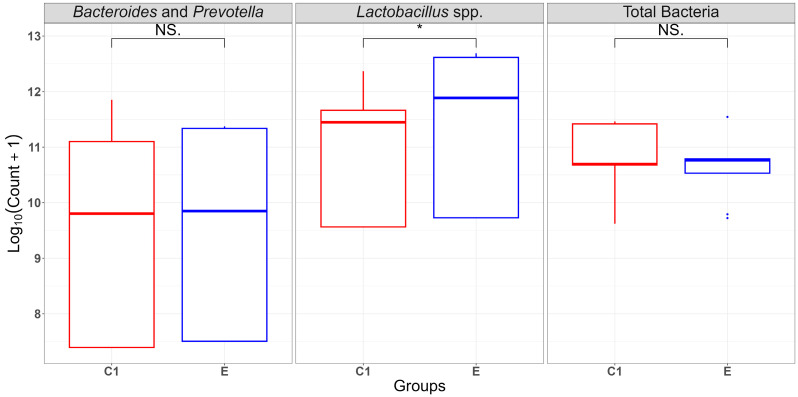 Figure 1
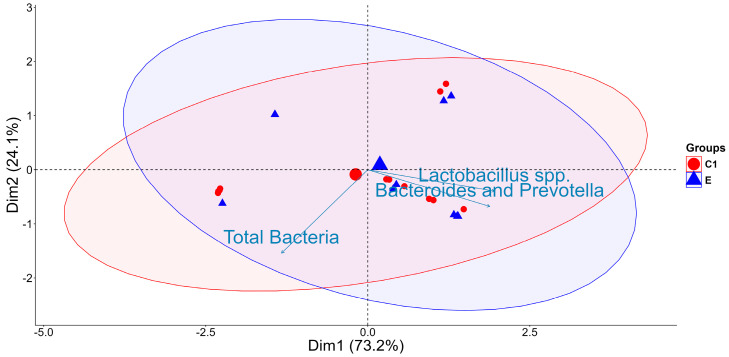 Figure 2
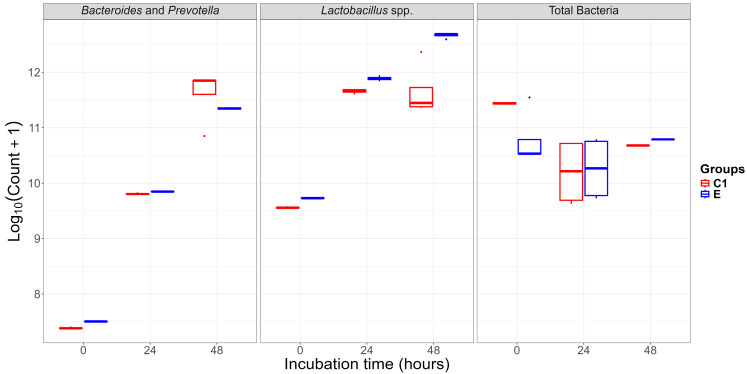 Figure 3
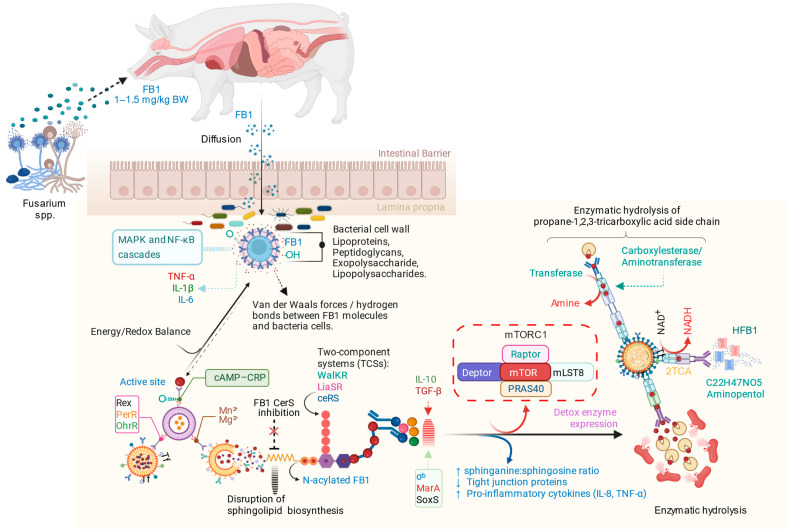 Figure 4
Peer Reviews
No public reviews on file for this paper yet. If you reviewed it on a platform where reviews are public (OpenReview, ICLR, NeurIPS, ICML), you can paste yours below so the community can read it here.
Videos
No videos yet. Explain this paper in a talk, walkthrough, or lecture? Add one.
Taxonomy
TopicsMycotoxins in Agriculture and Food · Gut microbiota and health · Microbial infections and disease research