Phytic Acid-Containing Reactive Acrylic Emulsions in Leather Coating Applications
Kaan Canli, Catalina N. Cheaburu-Yilmaz, Raluca Nicoleta Darie-Nita, Onur Yilmaz

TL;DR
This study explores using phytic acid in acrylic emulsions to improve leather coatings' durability and sustainability.
Contribution
The novel use of phytic acid in reactive acrylic emulsions for leather coatings is demonstrated, offering a sustainable alternative.
Findings
Phytic acid-modified binders showed high rub fastness up to 2000 dry and 250 wet cycles.
Moderate phytic acid levels improved coating durability and thermal resistance without affecting appearance.
Excess phytic acid reduced dispersion stability and coating performance.
Abstract
Phytic acid, as a natural originated compound with multi phosphate side groups, is known to increase the corrosion protection and thermal resistance of the coatings. In this study, two different acrylic emulsion polymers containing epoxy and silane reactive functional groups (glycidyl methacrylate (GMA) and vinyltriethoxysilane (VTES)) were synthesized via emulsion polymerization and mixed with phytic acid (PA) solution in different ratios (5, 10, 15 wt%) for use as binders in leather finishing applications. The colloidal stability, particle size distribution, and chemical structures of the synthesized polymers were characterized through comprehensive analyses. The resulting reactive copolymer dispersions were used as binders in finishing formulations and applied to crust shoe upper leathers The coating performance was evaluated in terms of rub fastness, flex resistance, water spotting,…
Genes, proteins, chemicals, diseases, species, mutations and cell lines named across the full text — each resolved to its canonical identifier and authoritative record.
Click any figure to enlarge with its caption.
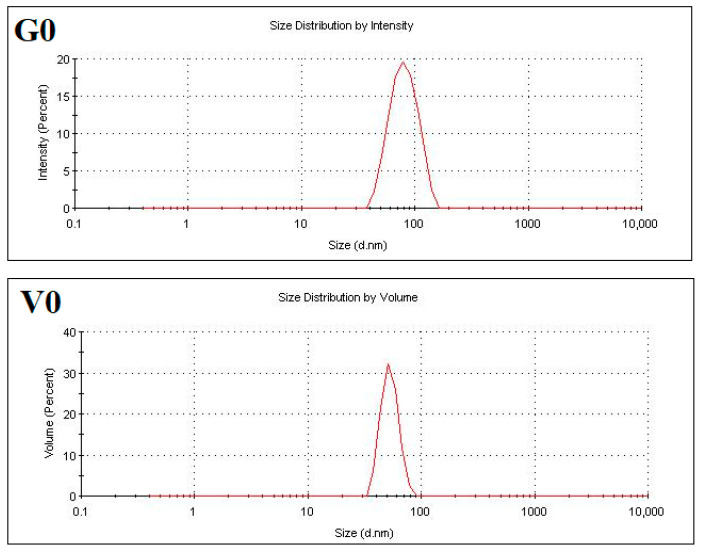 Figure 1
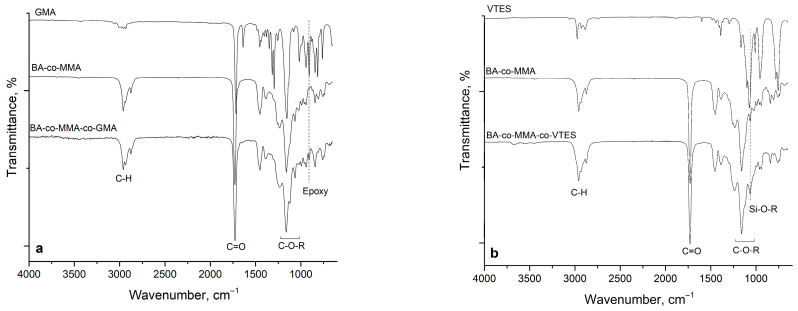 Figure 2
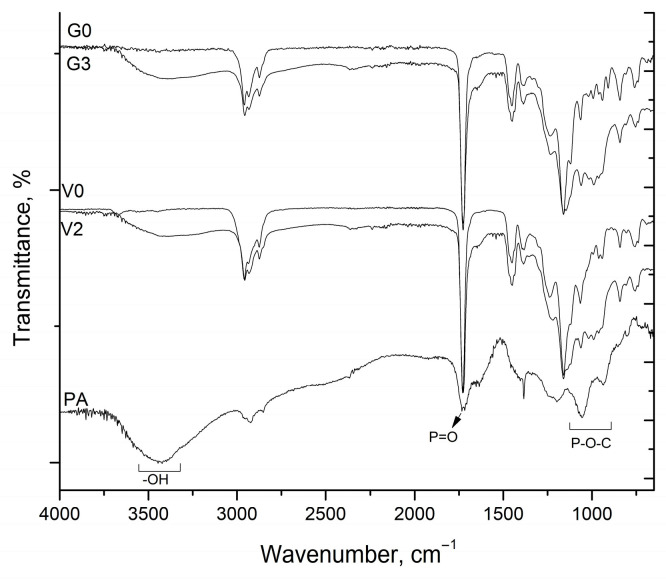 Figure 3
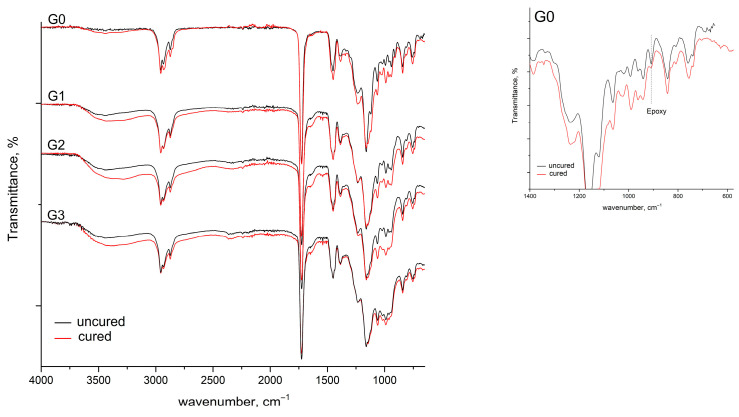 Figure 4
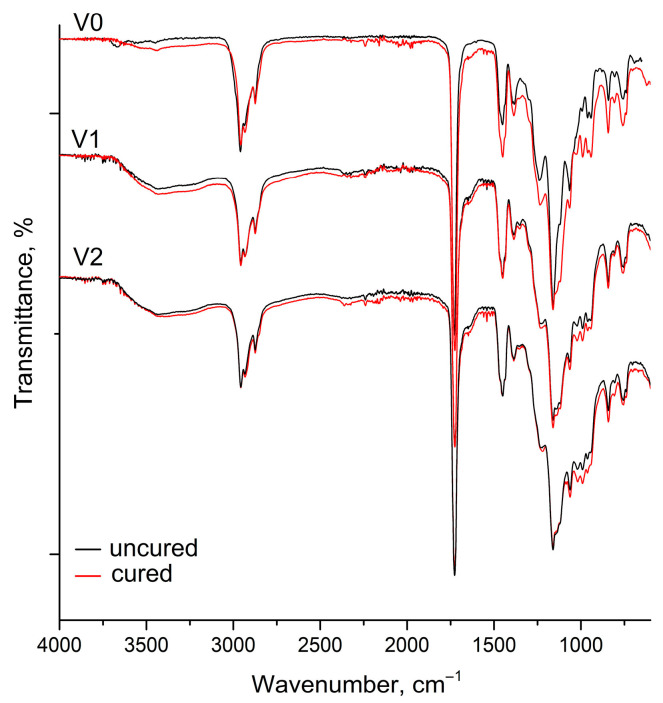 Figure 5
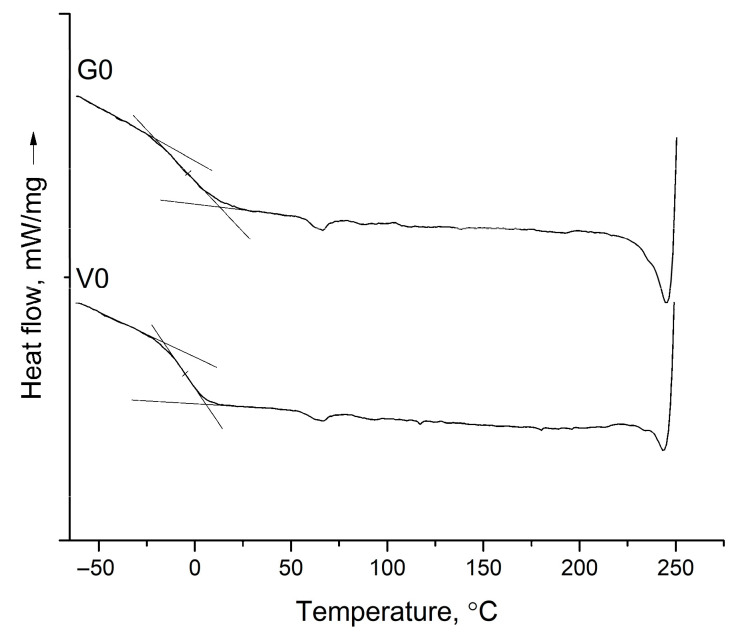 Figure 6
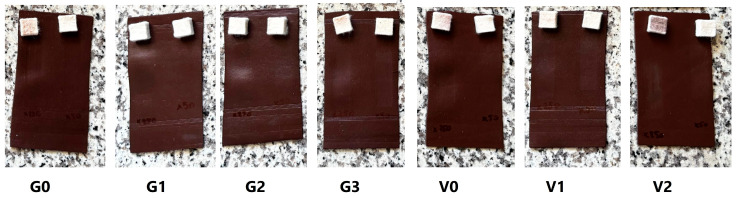 Figure 7
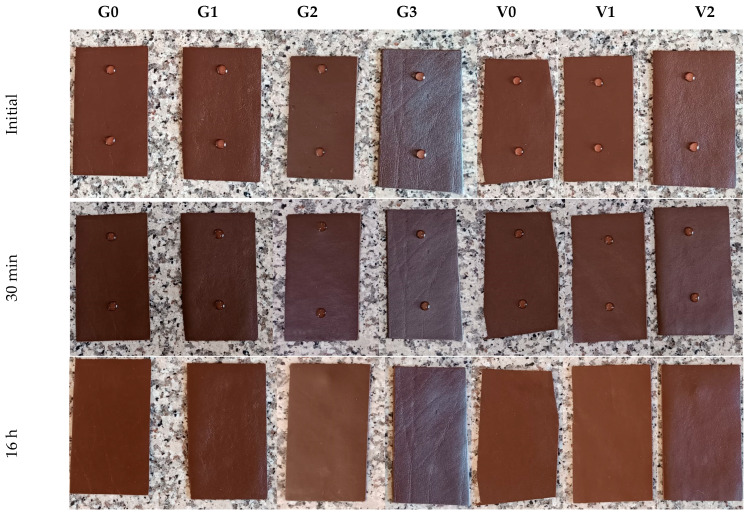 Figure 8
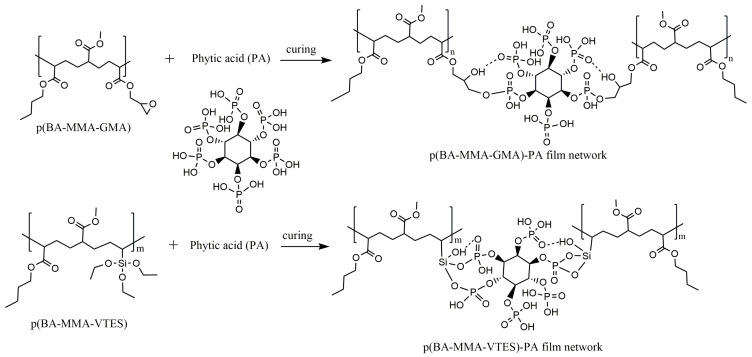 Figure 9
Peer Reviews
No public reviews on file for this paper yet. If you reviewed it on a platform where reviews are public (OpenReview, ICLR, NeurIPS, ICML), you can paste yours below so the community can read it here.
Videos
No videos yet. Explain this paper in a talk, walkthrough, or lecture? Add one.
Taxonomy
TopicsCollagen: Extraction and Characterization · Polymer composites and self-healing · Corrosion Behavior and Inhibition