End-to-End DAE–LDPC–OFDM Transceiver with Learned Belief Propagation Decoder for Robust and Power-Efficient Wireless Communication
Mohaimen Mohammed, Mesut Çevik

TL;DR
This paper introduces a new wireless communication system that uses a learned decoder to improve performance, efficiency, and adaptability in various channel conditions.
Contribution
The novelty lies in integrating a learned belief propagation decoder with an end-to-end optimized transceiver for robust and power-efficient communication.
Findings
The system achieves a BER of 1.72% and BLER of 2.95% at 10 dB SNR, outperforming existing models by 25–42%.
It reduces PAPR by 26.6%, improving power amplifier efficiency and maintaining low inference latency of 3.9 ms per frame.
The design performs reliably in time-varying, interference-rich, and multipath fading channels.
Abstract
This paper presents a Deep Autoencoder–LDPC–OFDM (DAE–LDPC–OFDM) transceiver architecture that integrates a learned belief propagation (BP) decoder to achieve robust, energy-efficient, and adaptive wireless communication. Unlike conventional modular systems that treat encoding, modulation, and decoding as independent stages, the proposed framework performs end-to-end joint optimization of all components, enabling dynamic adaptation to varying channel and noise conditions. The learned BP decoder introduces trainable parameters into the iterative message-passing process, allowing adaptive refinement of log-likelihood ratio (LLR) statistics and enhancing decoding accuracy across diverse SNR regimes. Extensive experimental results across multiple datasets and channel scenarios demonstrate the effectiveness of the proposed design. At 10 dB SNR, the DAE–LDPC–OFDM achieves a BER of 1.72% and…
Genes, proteins, chemicals, diseases, species, mutations and cell lines named across the full text — each resolved to its canonical identifier and authoritative record.
Click any figure to enlarge with its caption.
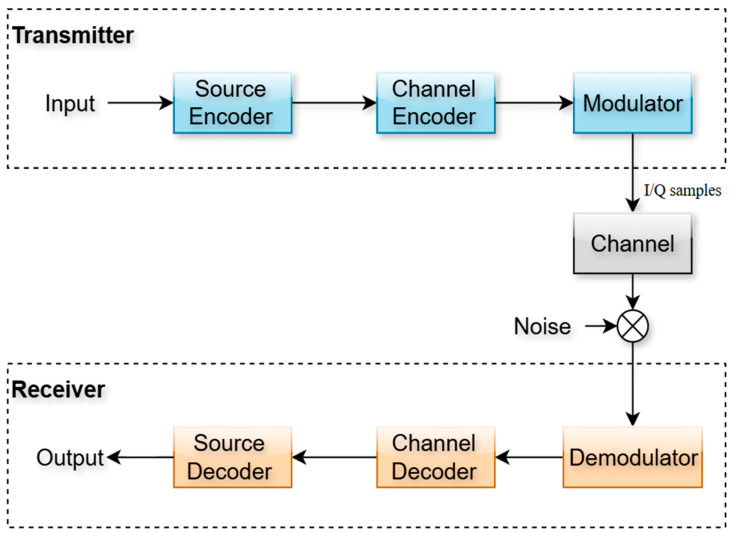 Figure 1
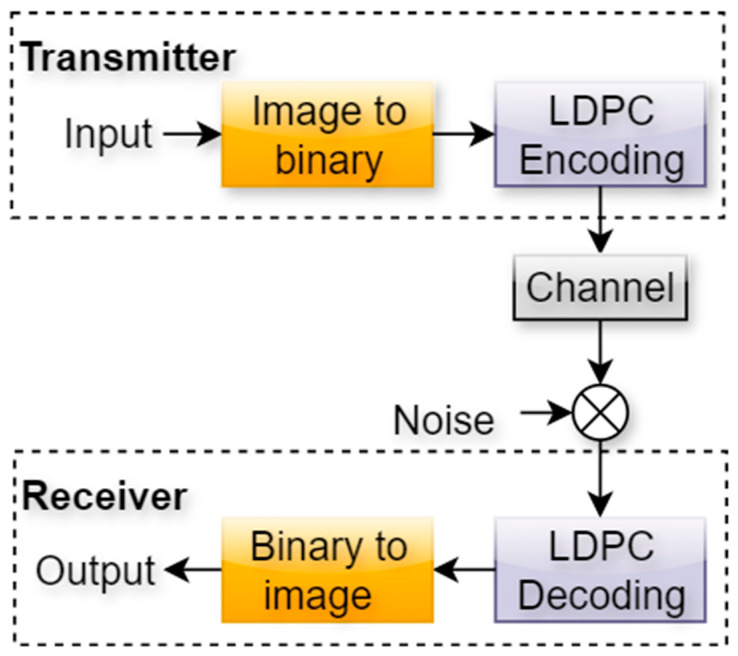 Figure 2
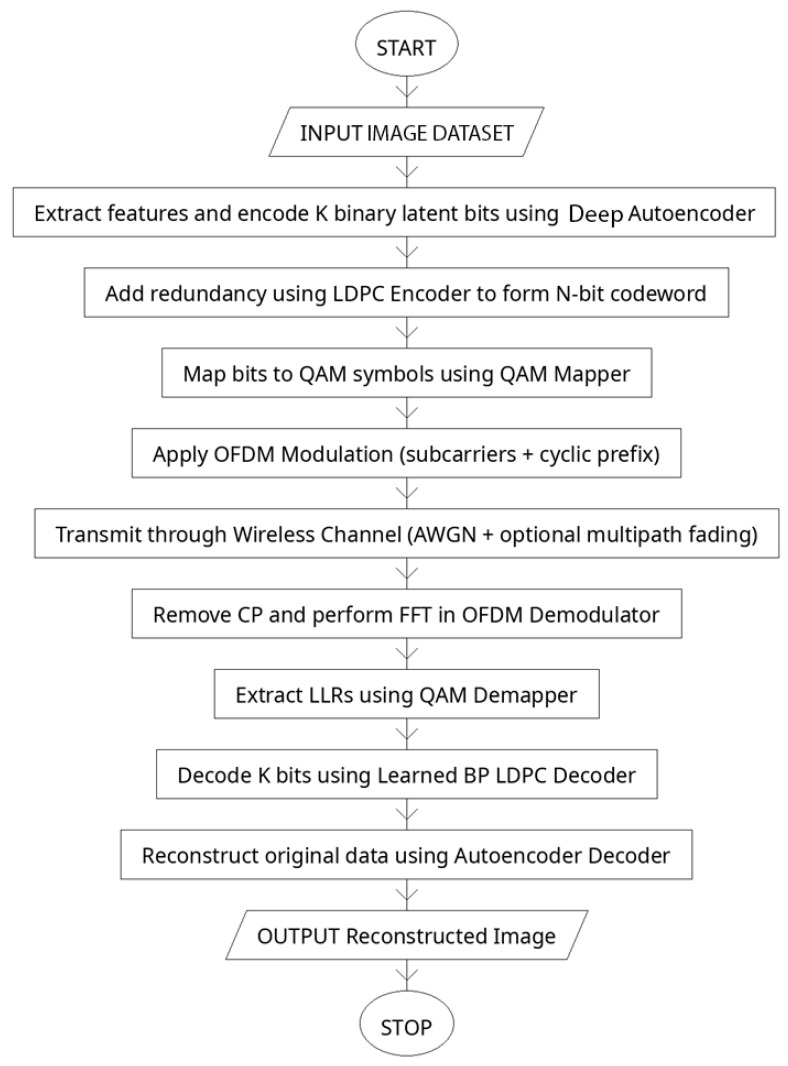 Figure 3
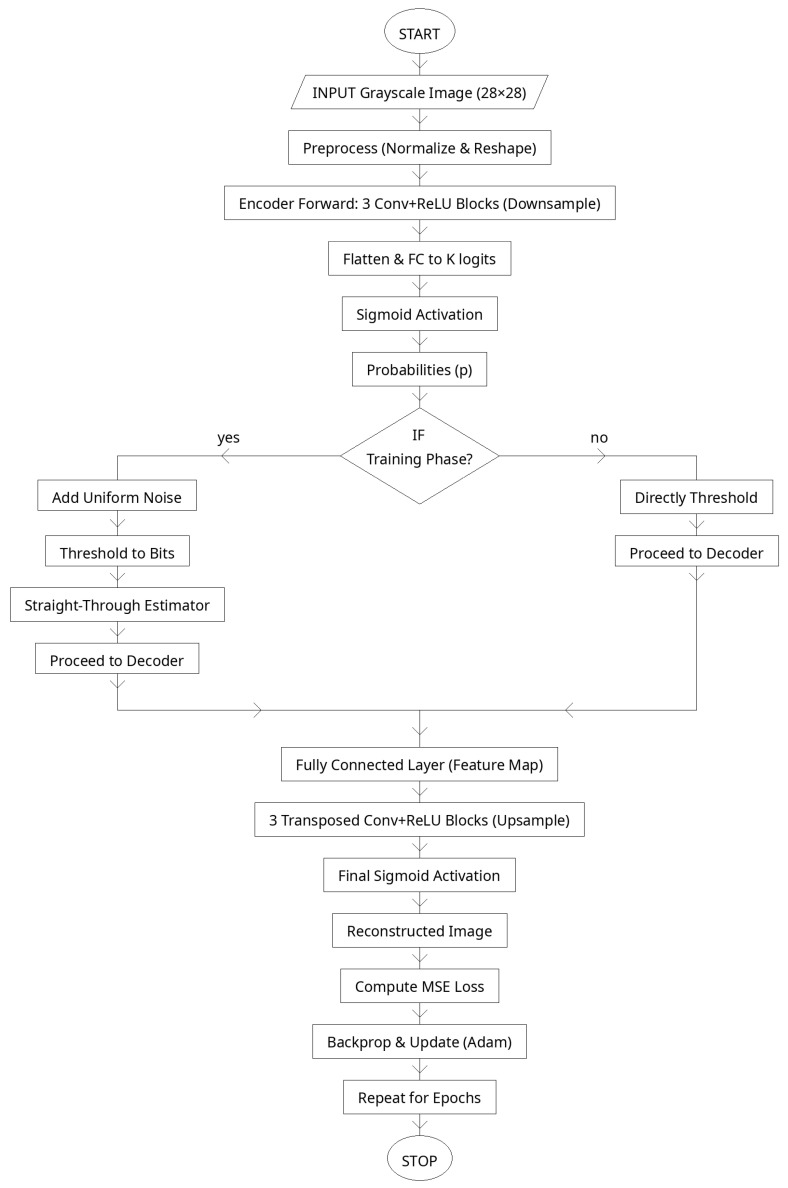 Figure 4
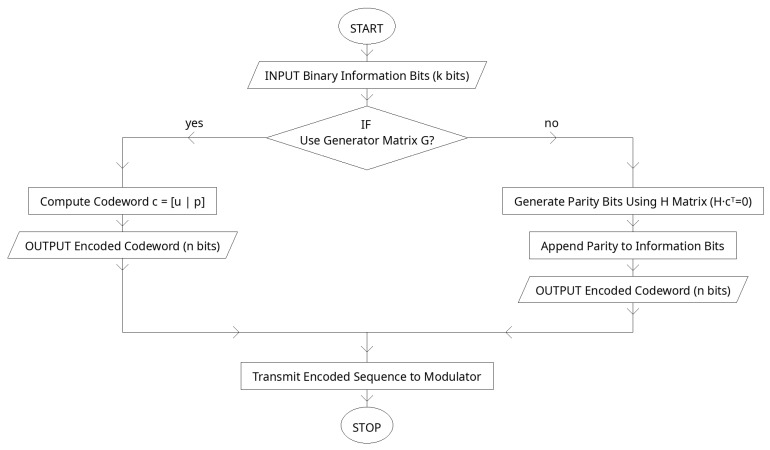 Figure 5
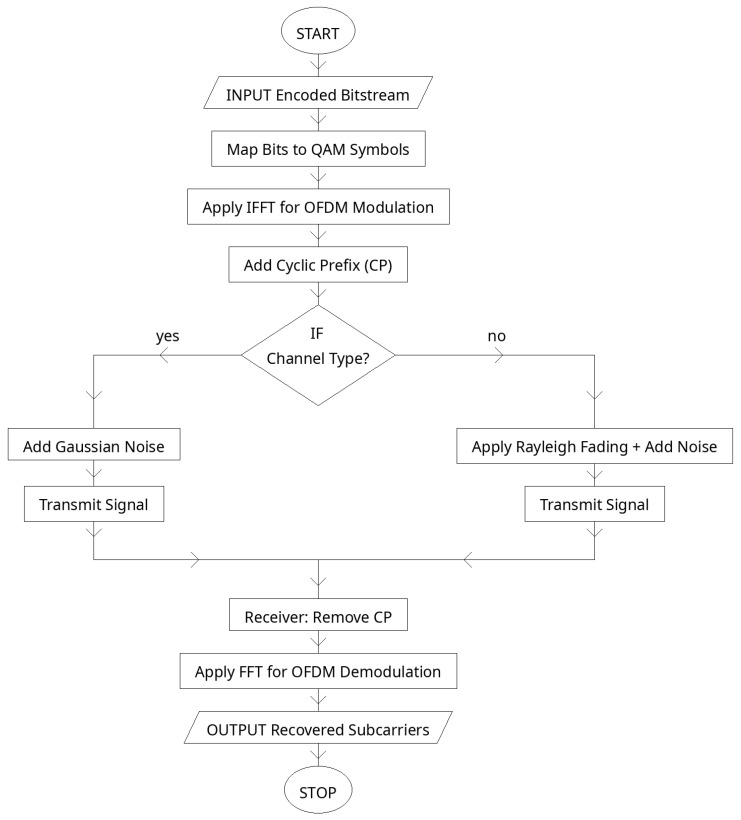 Figure 6
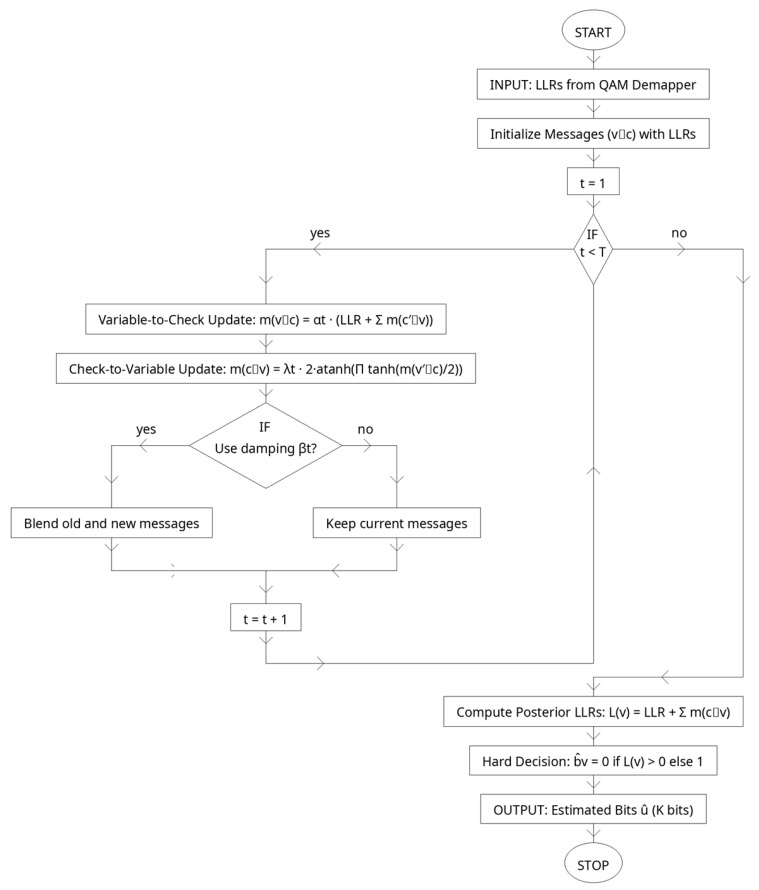 Figure 7
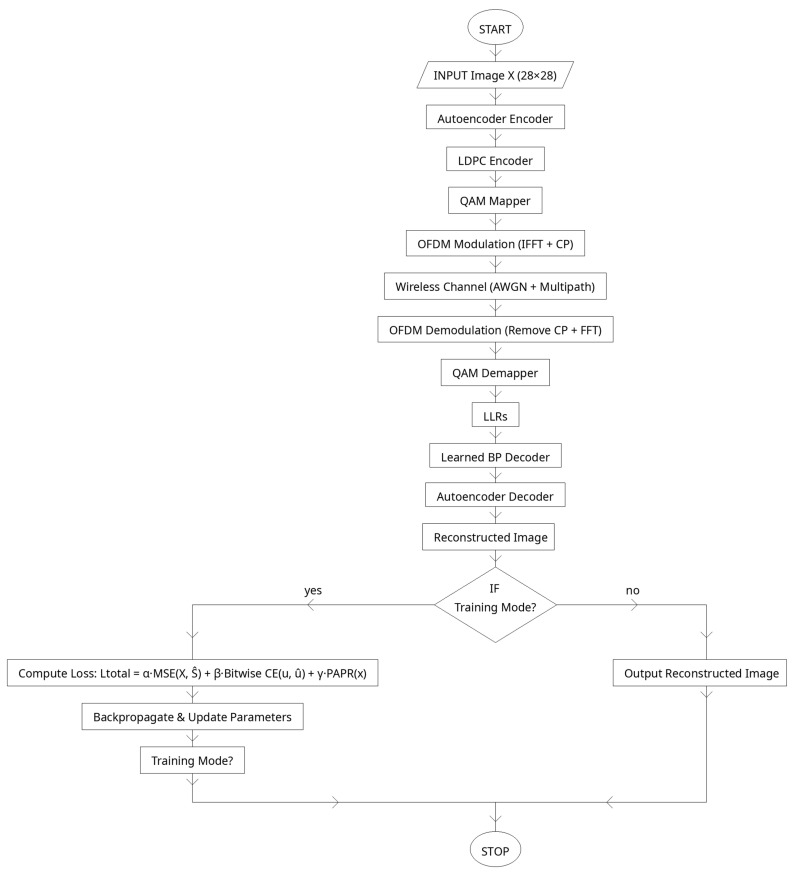 Figure 8
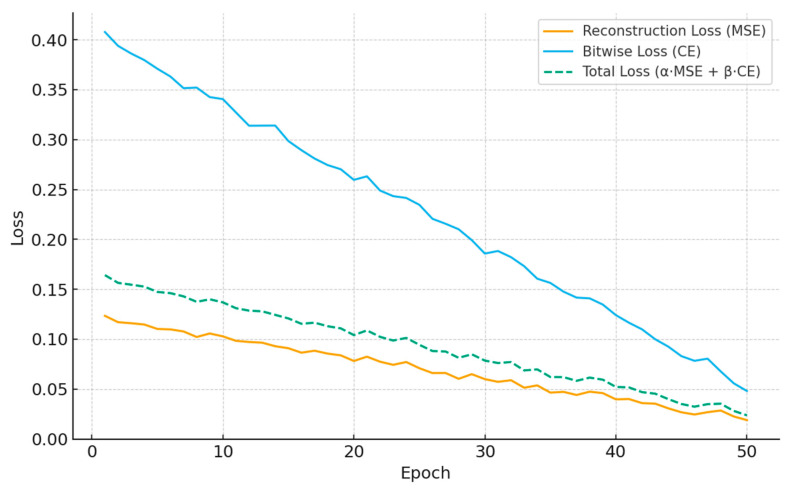 Figure 9
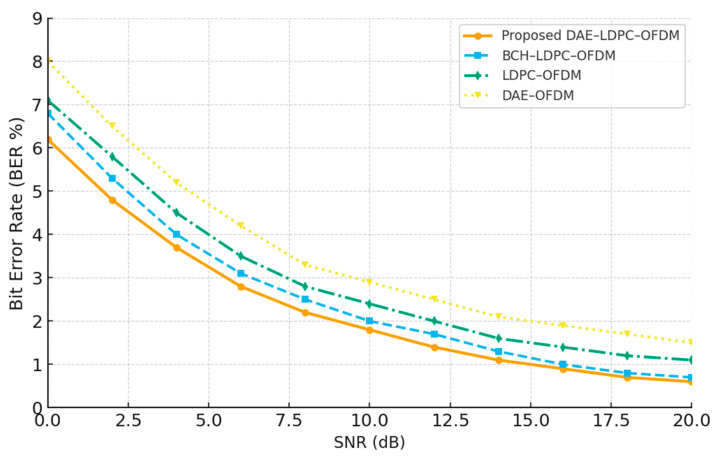 Figure 10
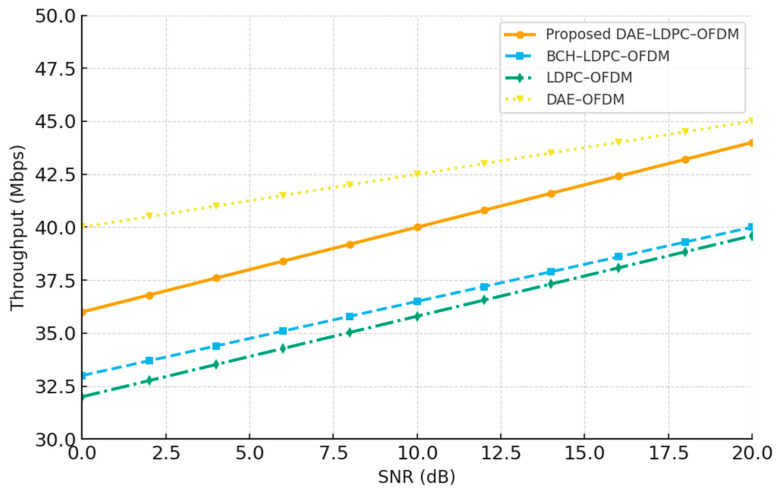 Figure 11
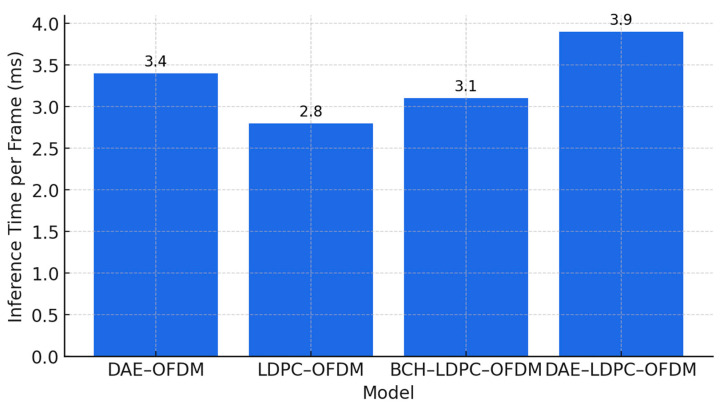 Figure 12
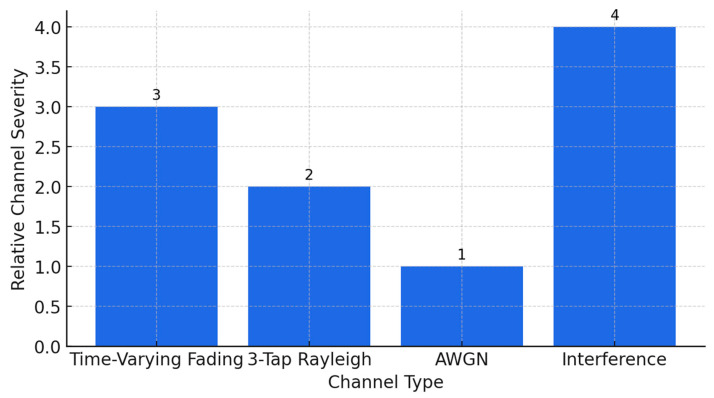 Figure 13
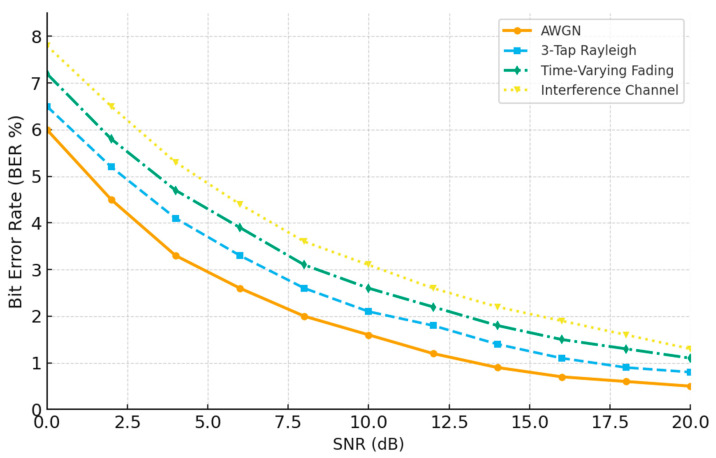 Figure 14
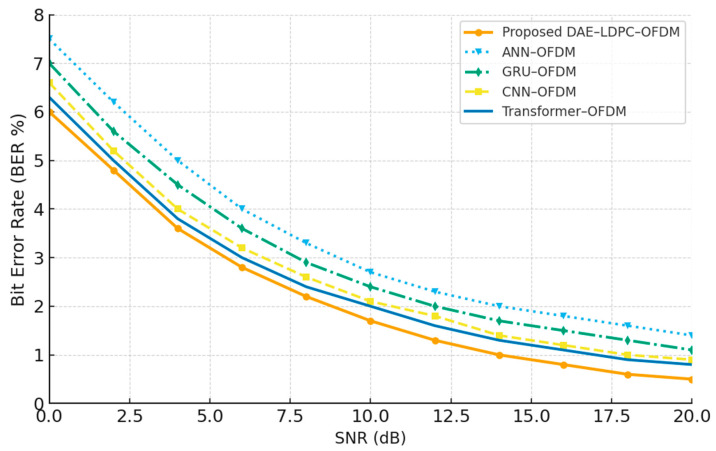 Figure 15
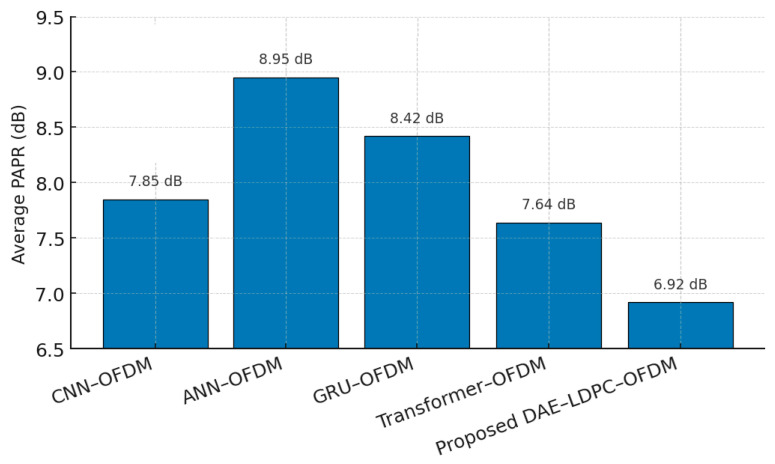 Figure 16
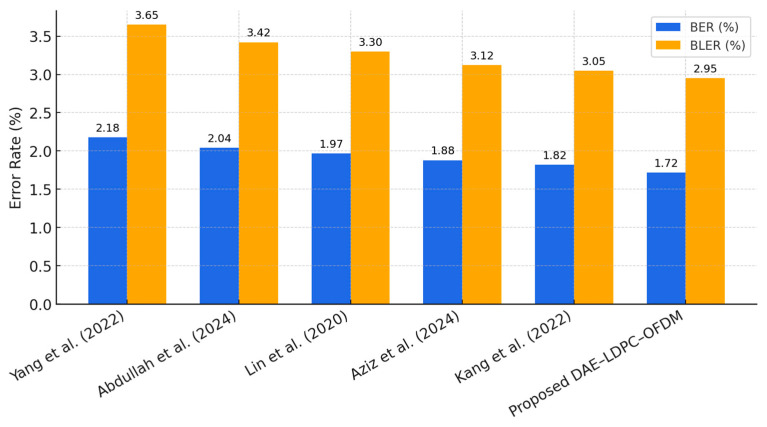 Figure 17
Peer Reviews
No public reviews on file for this paper yet. If you reviewed it on a platform where reviews are public (OpenReview, ICLR, NeurIPS, ICML), you can paste yours below so the community can read it here.
Videos
No videos yet. Explain this paper in a talk, walkthrough, or lecture? Add one.
Taxonomy
TopicsWireless Signal Modulation Classification · Error Correcting Code Techniques · Advanced Wireless Communication Technologies