Evaluation of Surface Roughness Reduction in TPU 95A Samples Using Ferromagnetic Liquid Machining
Natalia Kowalska, Slawomir Blasiak, Michał Skrzyniarz, Paweł Szczygieł, Wiktor Szot, Mateusz Rudnik

TL;DR
This paper explores using a ferromagnetic fluid with abrasives to reduce surface roughness in 3D-printed TPU 95A samples.
Contribution
A novel tool using neodymium magnets and a ferromagnetic abrasive medium is proposed for surface finishing of 3D-printed materials.
Findings
Series D showed the most significant reduction in surface roughness parameters Sp and Sz.
The use of carbonyl iron and silicon carbide in a ferromagnetic fluid improved surface finishing.
The designed tool with asymmetrically arranged magnets offers an unconventional approach to surface treatment.
Abstract
Additive manufacturing technologies are characterised by the capability to produce components with complex geometries that are difficult to achieve using conventional methods. Despite the wide range of available materials and additive manufacturing processes, fulfilling design requirements related to surface structure parameters remains a considerable challenge. This paper presents the findings of an investigation into the influence of abrasive treatment of a ferromagnetic fluid on the surface roughness of MEX-printed samples. The samples were fabricated using TPU 95A material. The abrasive medium employed in the study comprised carbonyl iron and silicon carbide. A dedicated tool was designed for the experiments, incorporating neodymium magnets arranged in four asymmetrically distributed slots. The proposed tool represents an unconventional approach in comparison with existing…
Genes, proteins, chemicals, diseases, species, mutations and cell lines named across the full text — each resolved to its canonical identifier and authoritative record.
Click any figure to enlarge with its caption.
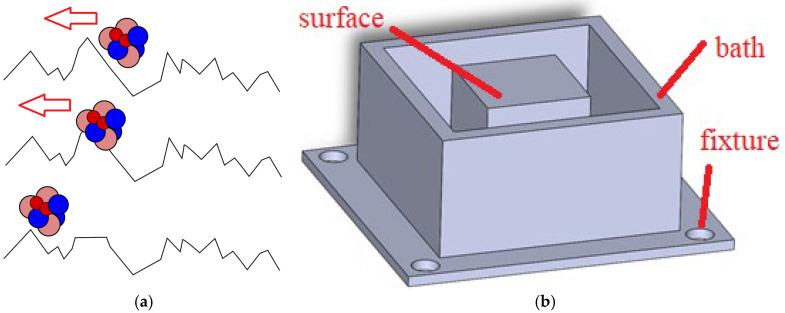 Figure 1
 Figure 2
 Figure 3
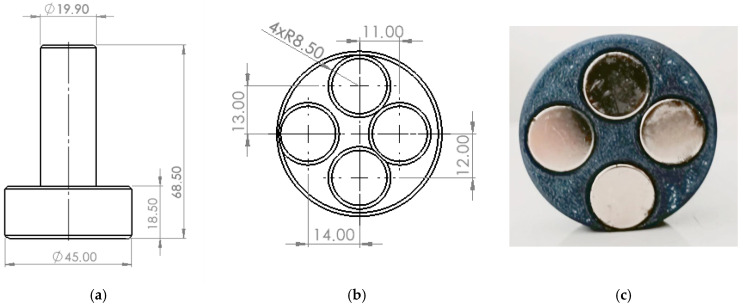 Figure 4
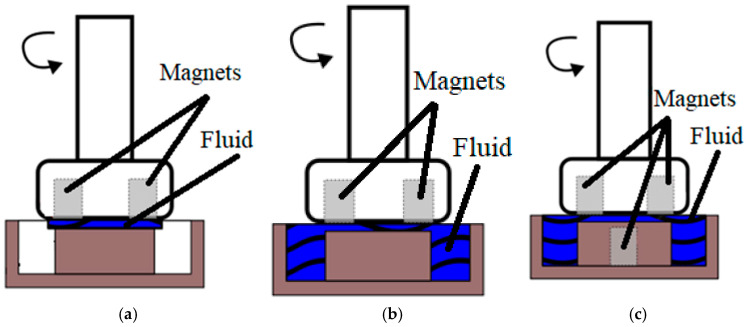 Figure 5
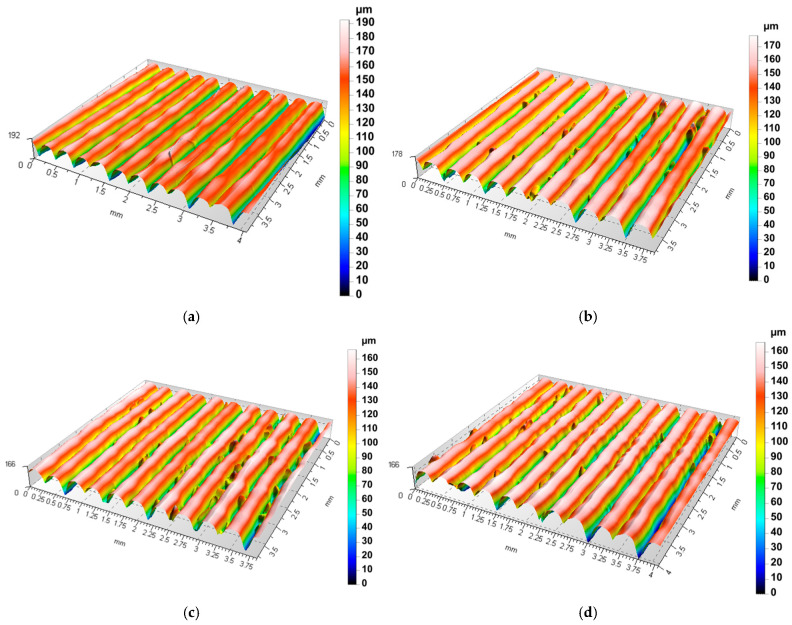 Figure 6
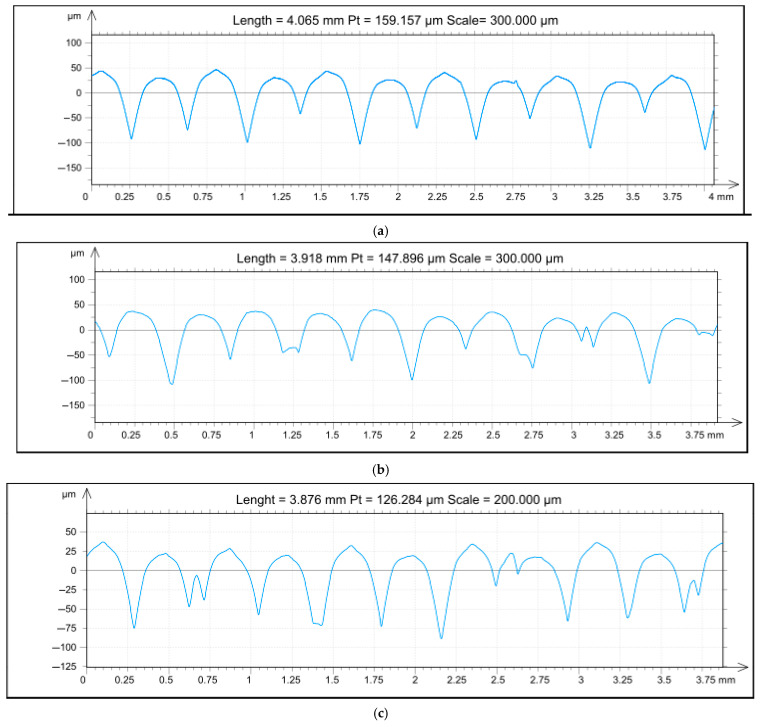 Figure 7
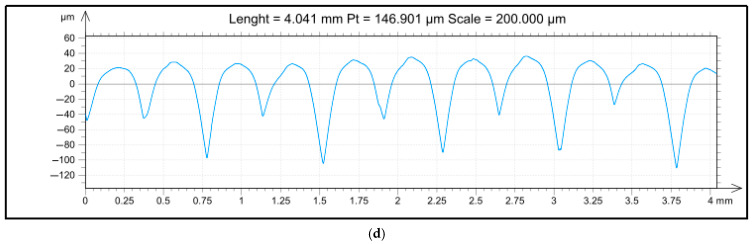 Figure 8
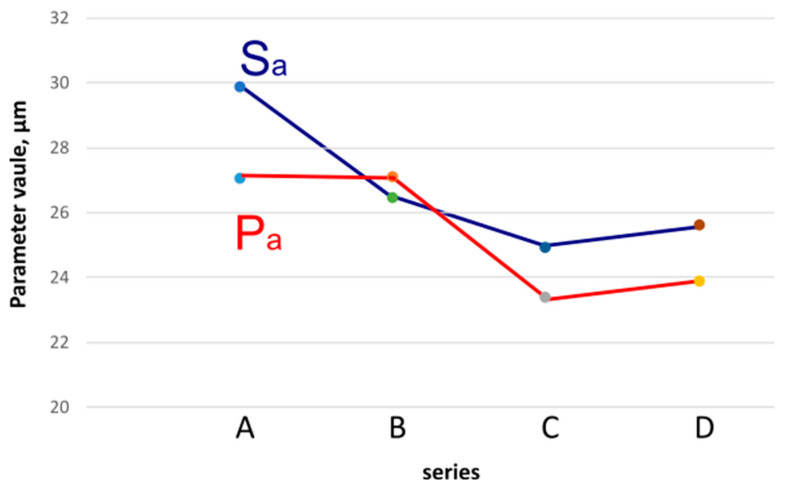 Figure 9
Peer Reviews
No public reviews on file for this paper yet. If you reviewed it on a platform where reviews are public (OpenReview, ICLR, NeurIPS, ICML), you can paste yours below so the community can read it here.
Videos
No videos yet. Explain this paper in a talk, walkthrough, or lecture? Add one.
Taxonomy
TopicsAdvanced machining processes and optimization · Advanced Surface Polishing Techniques · Advanced Machining and Optimization Techniques