Chronic State and Relationship to Humans Influence How Horses Decode Emotions in Human Voices: A Brain and Behavior Study
Serenella d’Ingeo, Marcello Siniscalchi, Angelo Quaranta, Hugo Cousillas, Martine Hausberger

TL;DR
Horses from different living conditions react differently to human emotions in voices, with better welfare and stable relationships leading to calmer responses.
Contribution
The study reveals that horses' emotional decoding of human voices is influenced by their welfare state and human relationships, not just universal cues.
Findings
Horses in poor welfare and unstable relationships showed stronger reactions to negative emotional voices.
Horses with better welfare and stable relationships reacted calmly and showed interest in positive voices.
Brain activity differences were observed, with distinct patterns for each population based on emotional cues.
Abstract
Understanding how animals perceive human emotions is important for improving their welfare and our interactions with them. In this study, we examined how two groups of horses reacted to human voices expressing different emotions, such as happiness, anger, fear, and sadness. The horses came from very different environments: one group lived in more natural and stable social conditions, with interactions with only a few familiar humans, while the other group lived in more restricted housing and had frequent contact with many different riders. We found that horses in poorer welfare states (assessed by animal-based measures) and with less stable relationships with humans showed stronger behavioral and physiological reactions to negative emotional voices. In contrast, horses in better welfare states reacted more calmly and showed more interest in positive voices. Brain activity also reflected…
Genes, proteins, chemicals, diseases, species, mutations and cell lines named across the full text — each resolved to its canonical identifier and authoritative record.
Click any figure to enlarge with its caption.
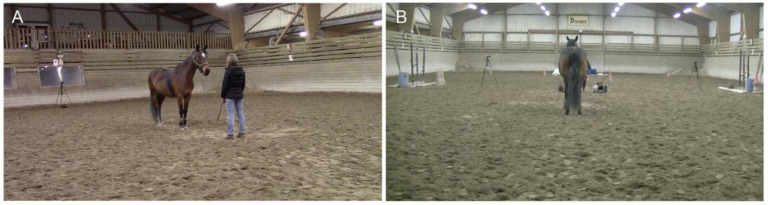 Figure 1
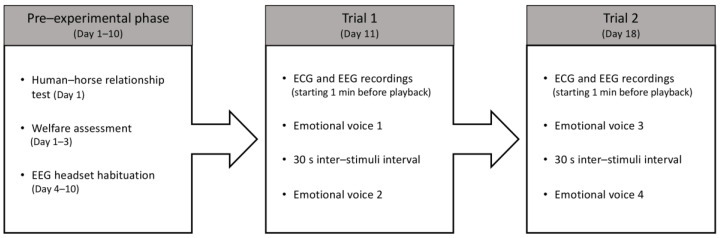 Figure 2
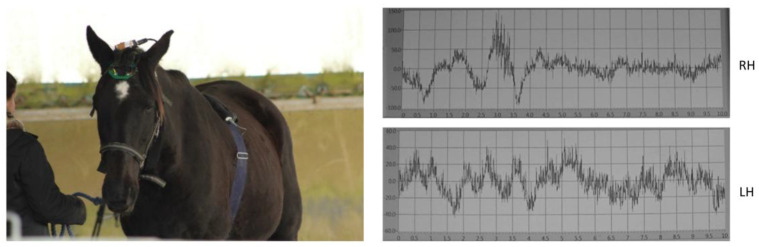 Figure 3
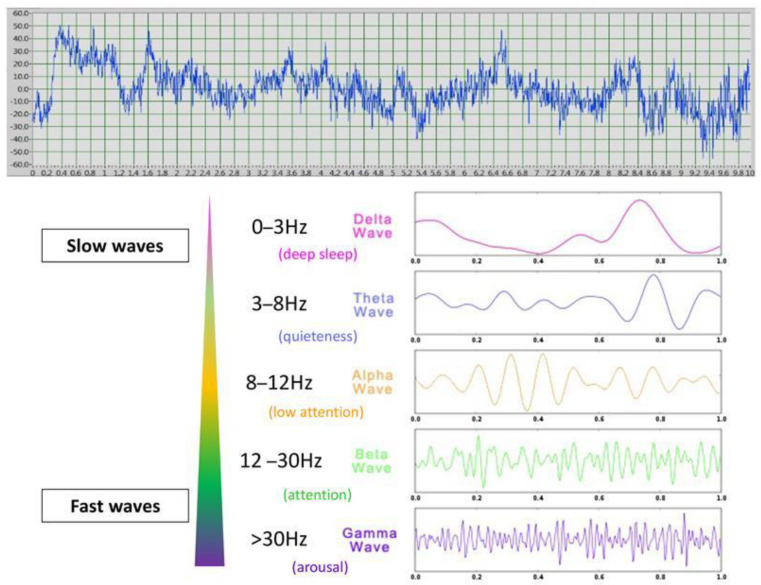 Figure 4
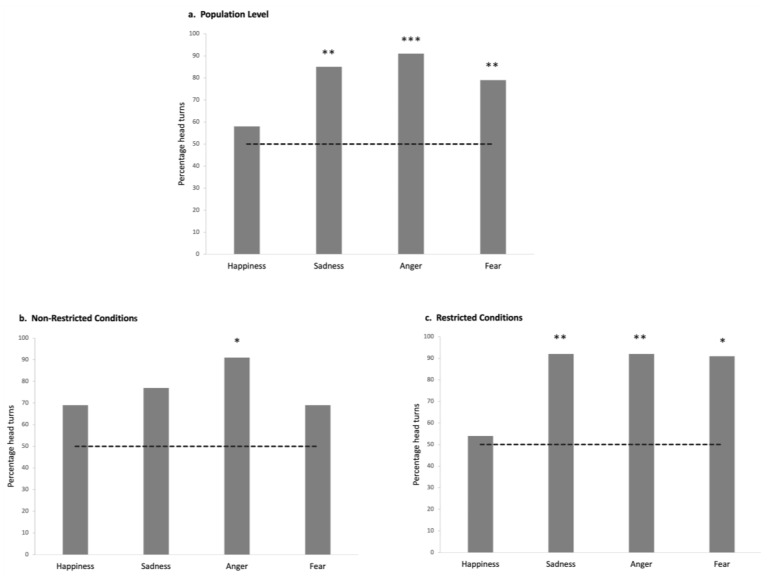 Figure 5
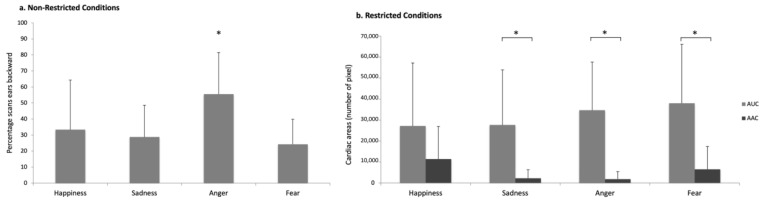 Figure 6
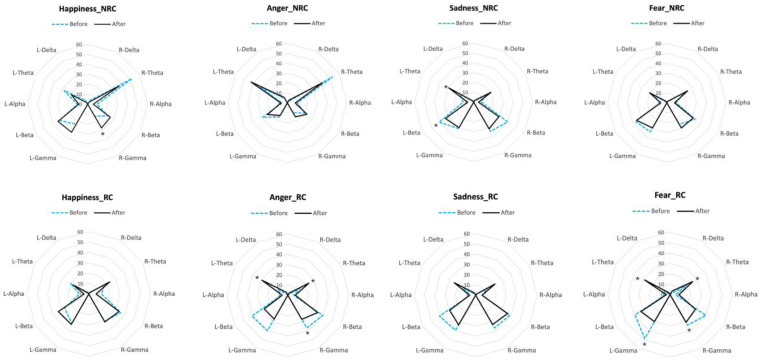 Figure 7
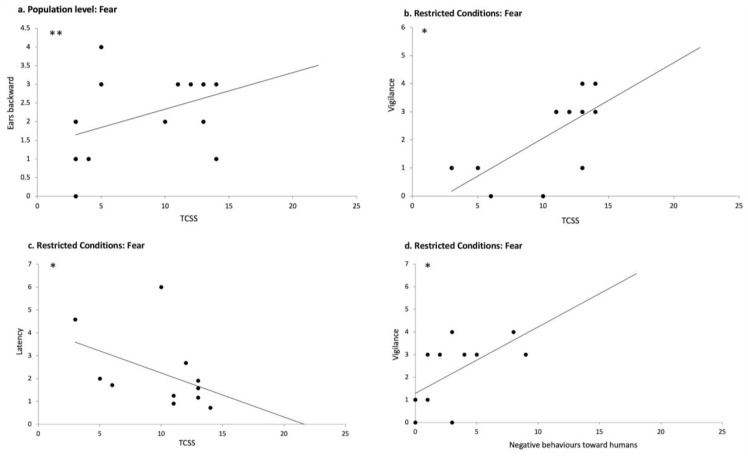 Figure 8
Peer Reviews
No public reviews on file for this paper yet. If you reviewed it on a platform where reviews are public (OpenReview, ICLR, NeurIPS, ICML), you can paste yours below so the community can read it here.
Videos
No videos yet. Explain this paper in a talk, walkthrough, or lecture? Add one.
Taxonomy
TopicsHuman-Animal Interaction Studies · Animal Vocal Communication and Behavior · Veterinary Equine Medical Research