Biomechanical Influence of Placement Angle and Loading Direction of Orthodontic Miniscrews on Orthotropic Mandible
Yu-Ching Li, Jiun-Ren Hwang, Chin-Ping Fung, Chen-Yuan Chung

TL;DR
This study examines how the angle and direction of orthodontic miniscrew placement affect their stability in bone with directional mechanical properties.
Contribution
The study introduces orthotropic bone modeling to better understand miniscrew biomechanics, revealing limitations of isotropic assumptions.
Findings
Orthotropic modeling shows higher displacement and instability compared to isotropic modeling.
Oblique insertion at 60° increases strain and reduces osseointegration potential.
Stress and strain distributions are symmetric, allowing prediction of biomechanical responses from partial data.
Abstract
FEA of orthodontic miniscrews has predominantly assumed isotropic, homogeneous bone, neglecting directional variations in mechanical properties. This study investigated the biomechanical behavior of miniscrews under different insertion angles and loading directions using both isotropic and orthotropic mandibular bone models. The results indicated that isotropic modeling may underestimate miniscrew displacement and associated instability, whereas orthotropic material properties better reflect the true mechanical response of bone. Oblique insertion at 60° (U60°) led to higher strain and greater variability, which may compromise osseointegration; aligning the loading direction parallel to the insertion plane is therefore recommended when oblique placement is unavoidable. Screw thread design had minimal influence on displacement, von Mises stress, or bone strain during vertical insertion.…
Genes, proteins, chemicals, diseases, species, mutations and cell lines named across the full text — each resolved to its canonical identifier and authoritative record.
Click any figure to enlarge with its caption.
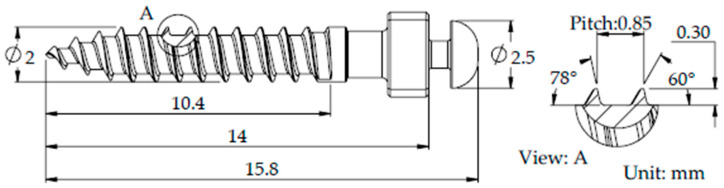 Figure 1
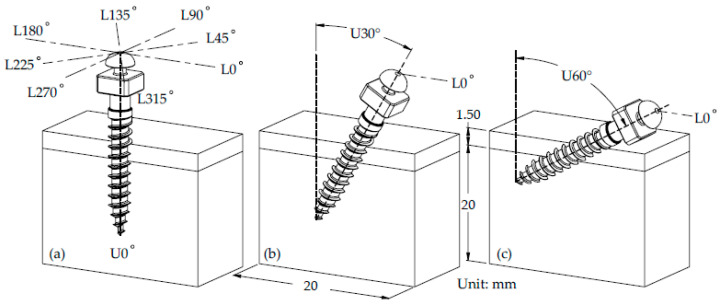 Figure 2
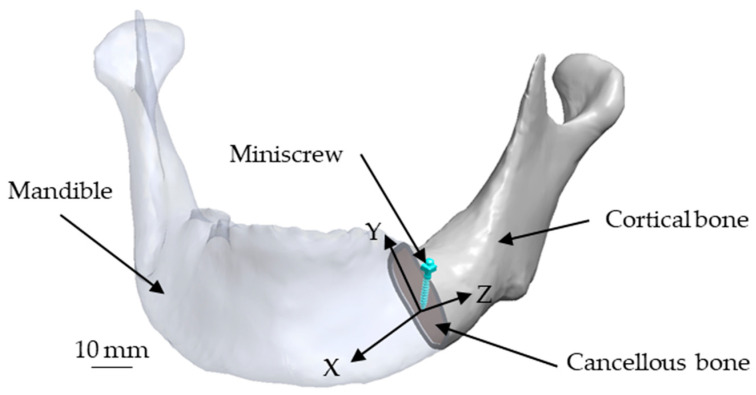 Figure 3
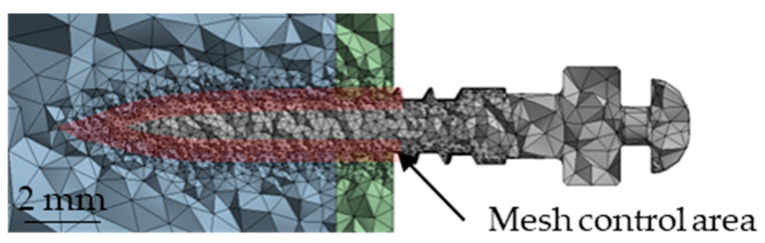 Figure 4
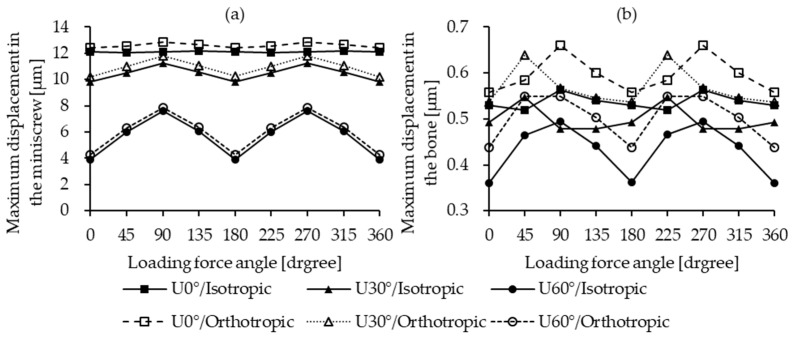 Figure 5
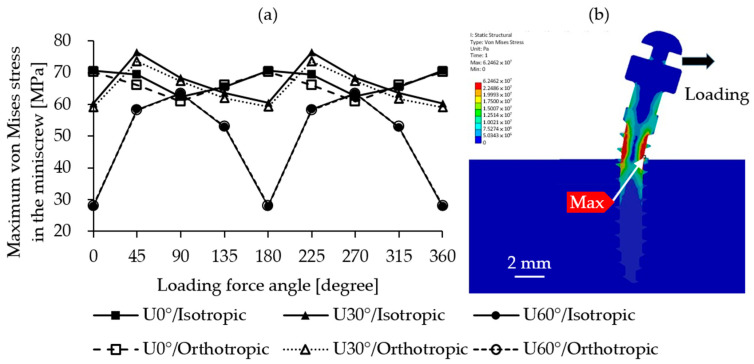 Figure 6
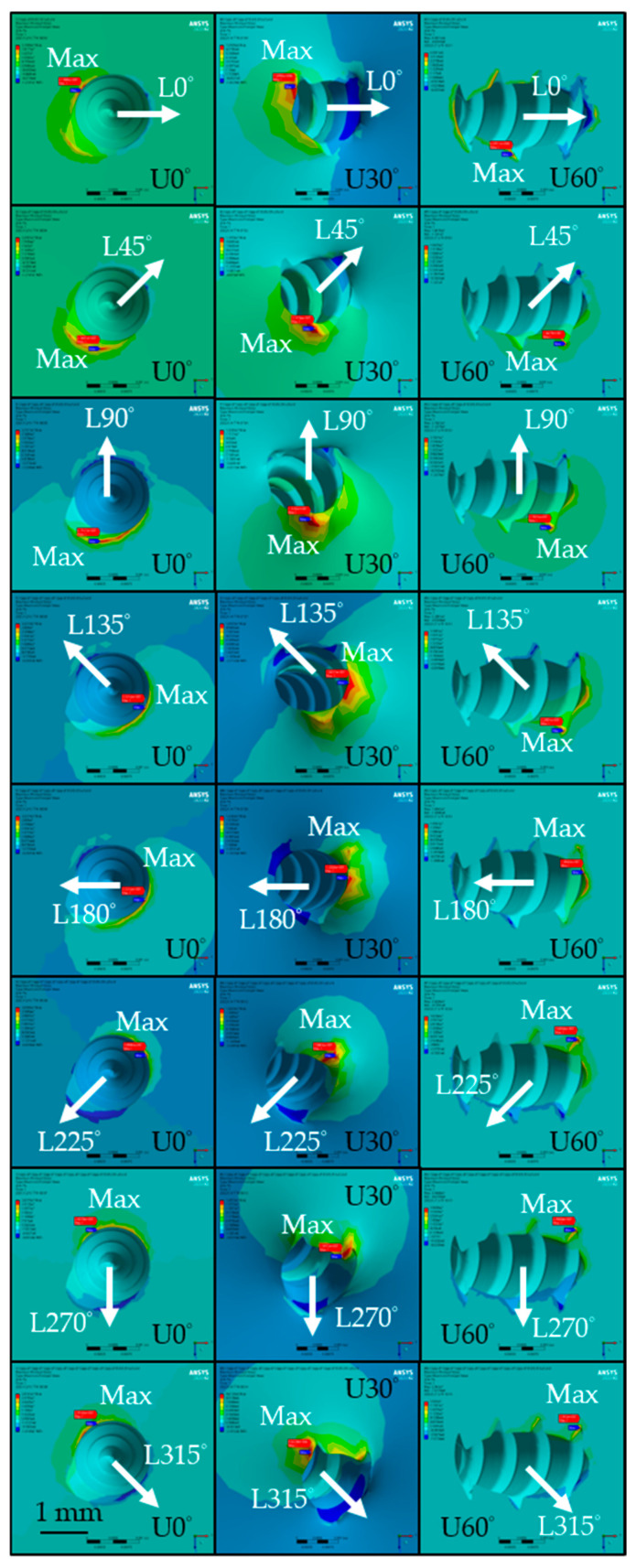 Figure 7
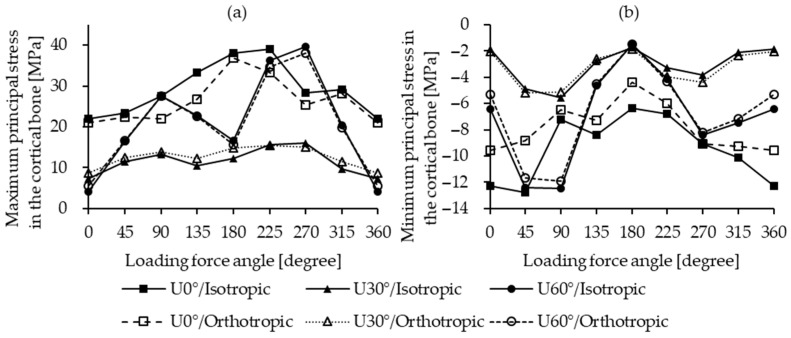 Figure 8
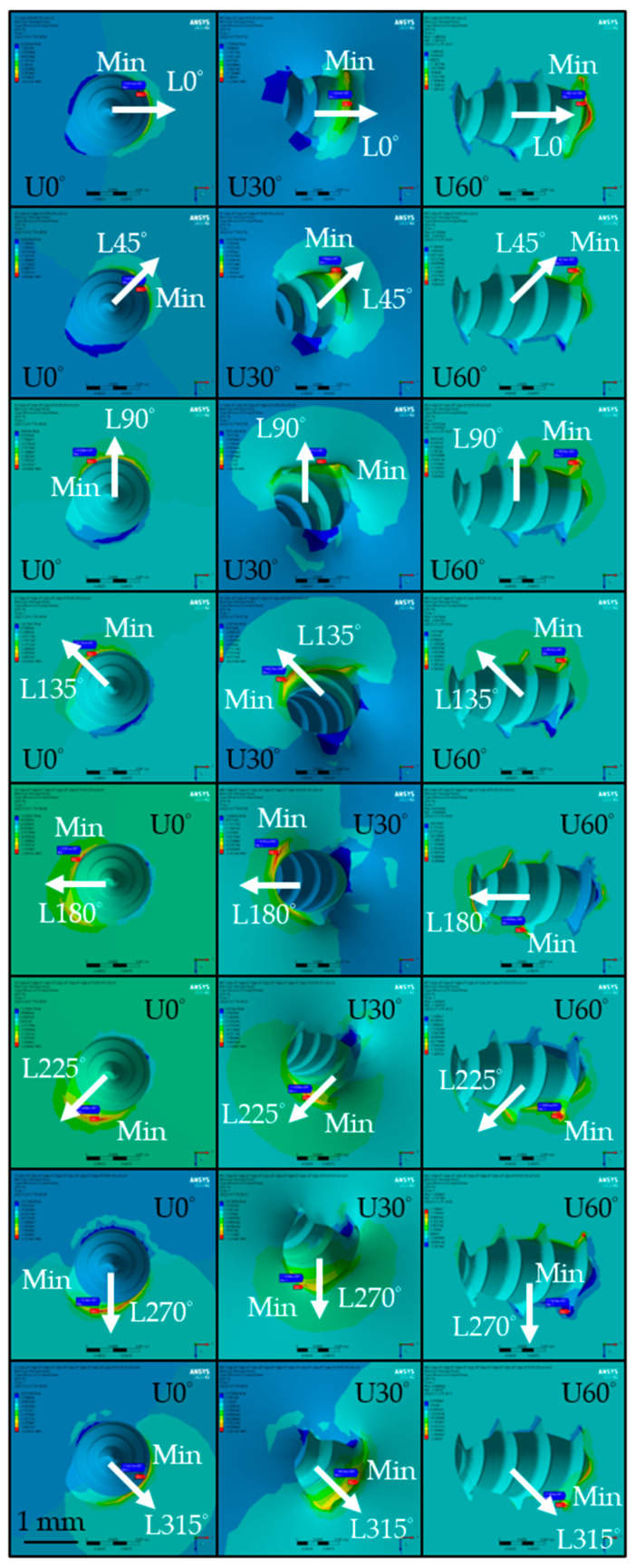 Figure 9
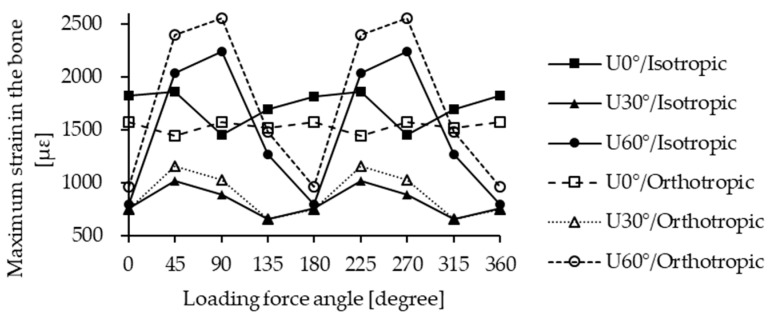 Figure 10
Peer Reviews
No public reviews on file for this paper yet. If you reviewed it on a platform where reviews are public (OpenReview, ICLR, NeurIPS, ICML), you can paste yours below so the community can read it here.
Videos
No videos yet. Explain this paper in a talk, walkthrough, or lecture? Add one.
Taxonomy
TopicsOrthodontics and Dentofacial Orthopedics · Temporomandibular Joint Disorders · Dental materials and restorations